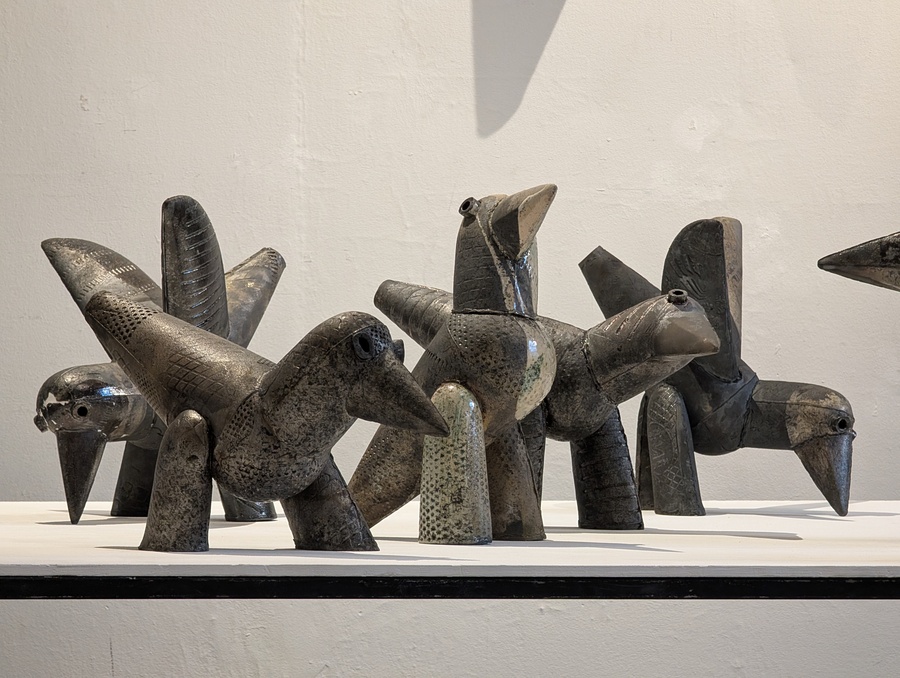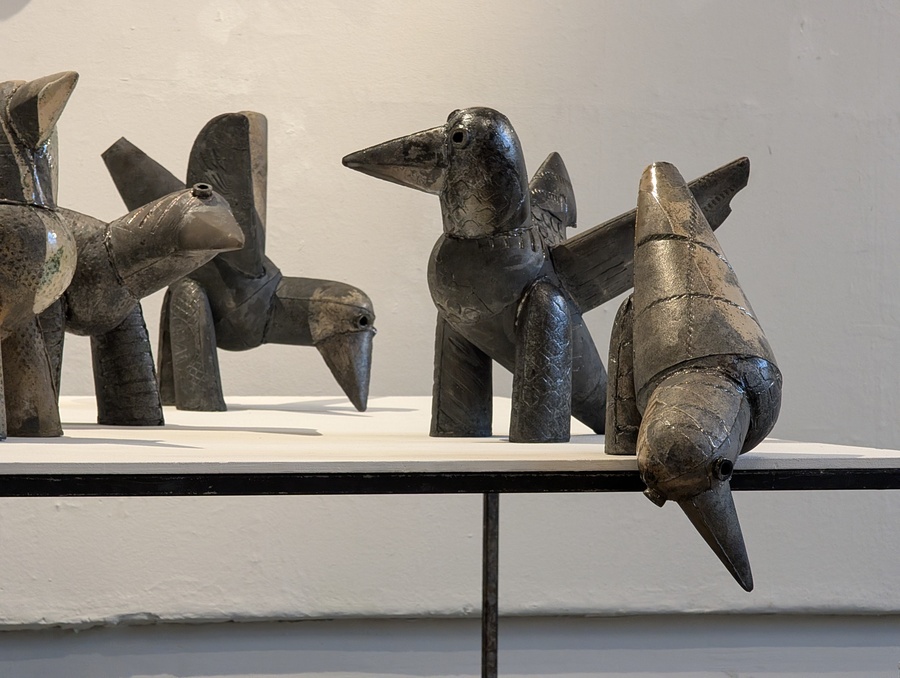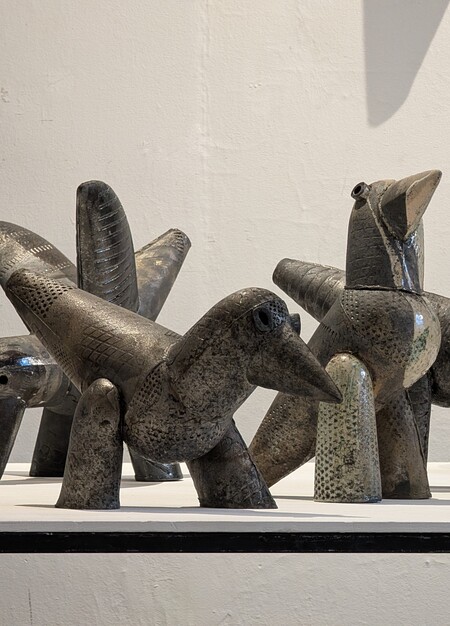
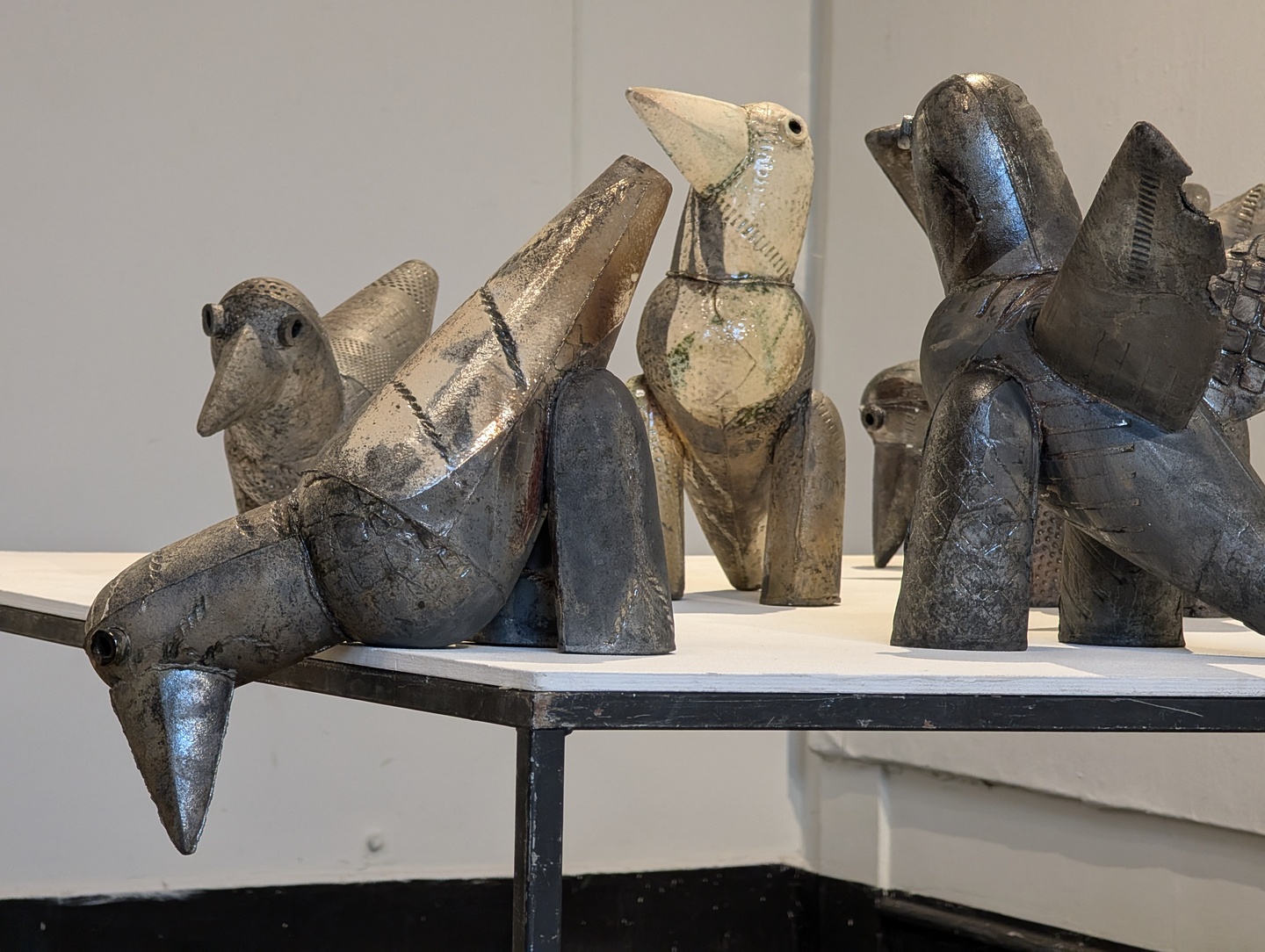
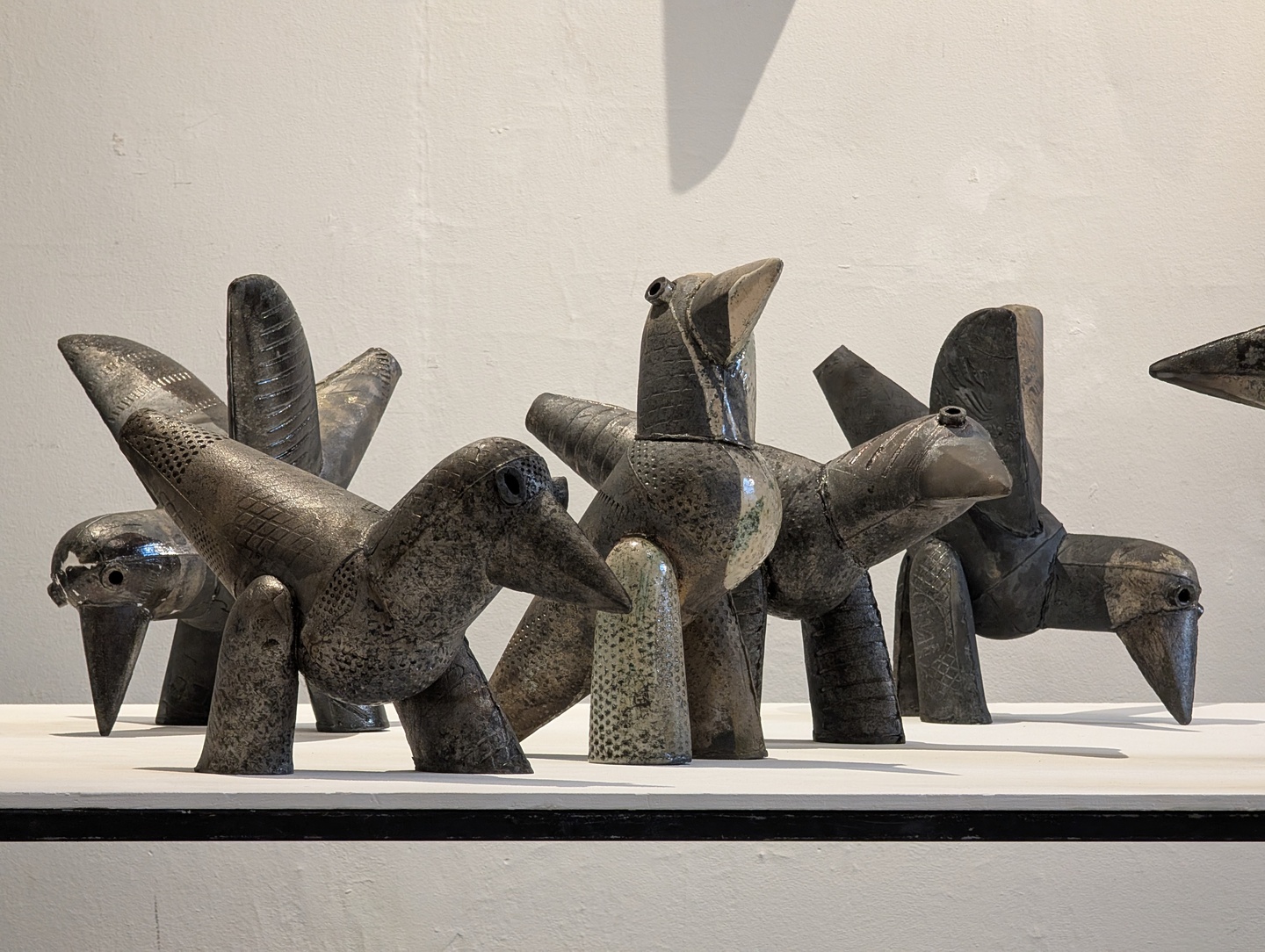
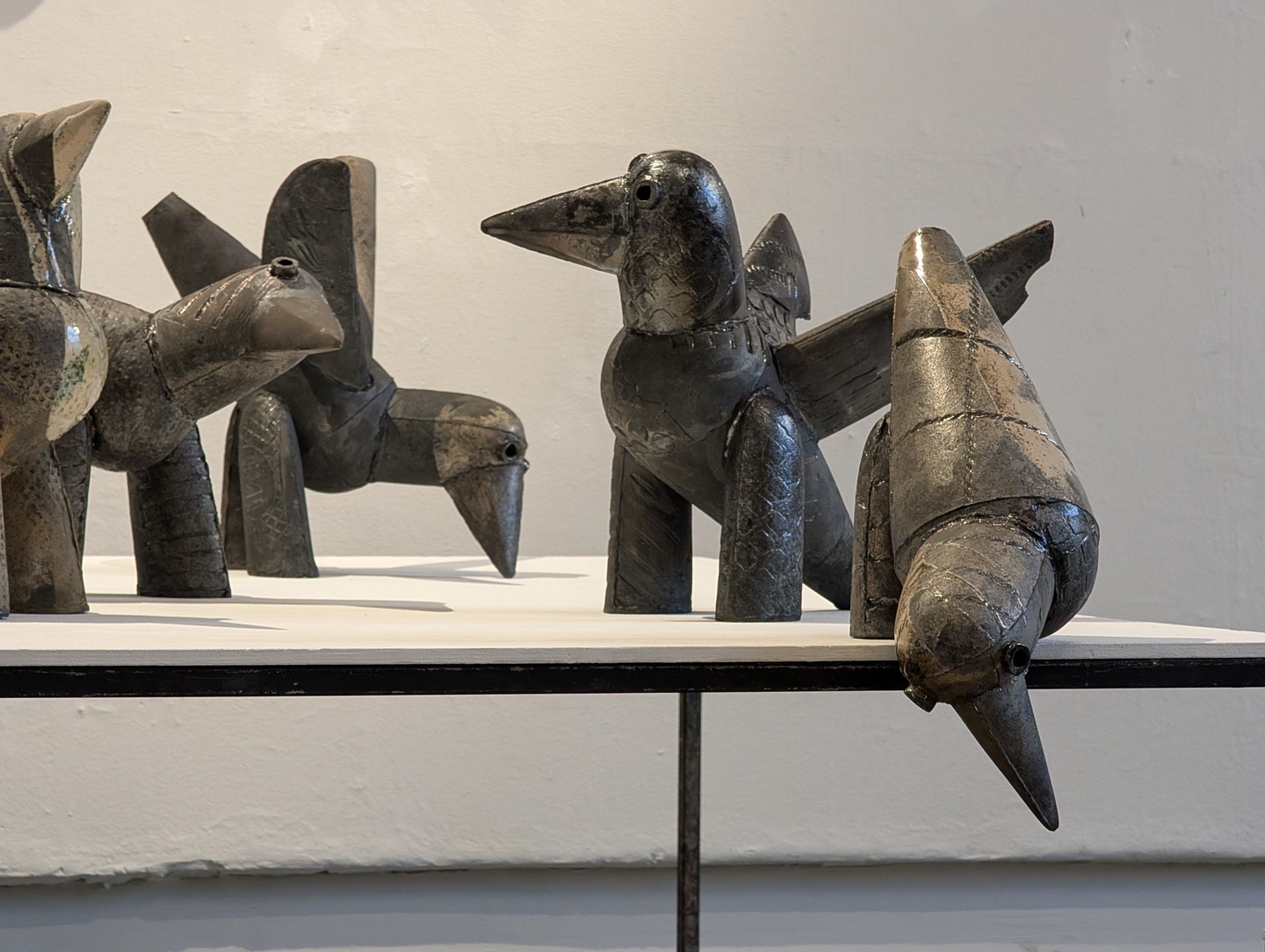
Project «The Flock» is a ceramic installation featuring 13 raven figures, exploring the influence of the urban environment on material. Unlike traditional mystical interpretations of the raven, the focus here is on its everyday presence—birds as an integral part of the urban landscape.
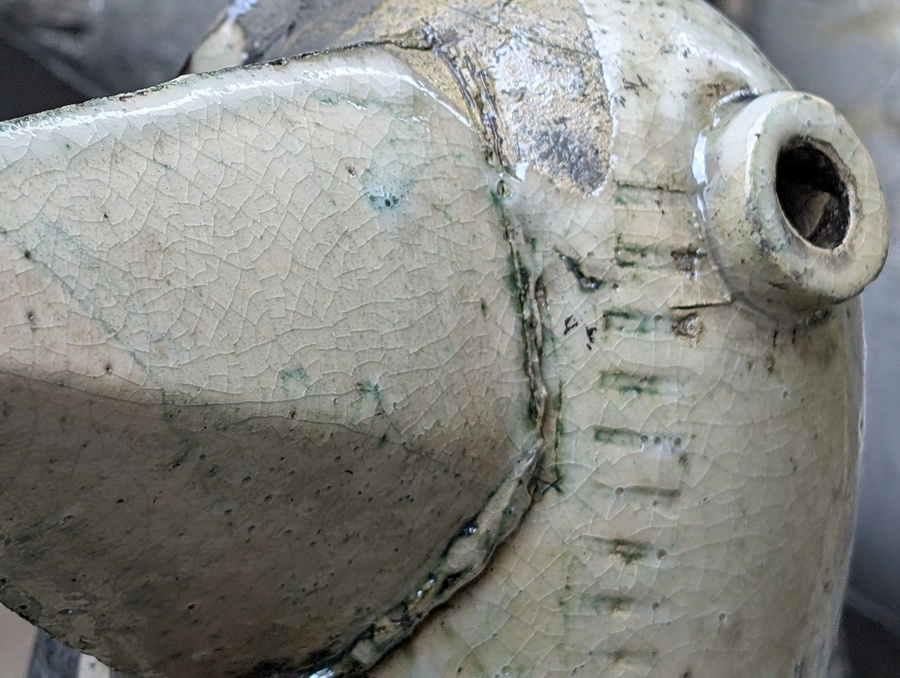
These ravens are born in the aggressive environment of raku firing: hot ceramics are plunged sharply into sawdust, and then into water. Every crack, chip, and soot mark is not a defect, but a document of experience. The modular assembly principle (using identical plaster molds for each body part) is combined with manual detailing: variations in posture, textural imprints, and intentionally left slip at the seams create the individuality of each bird.
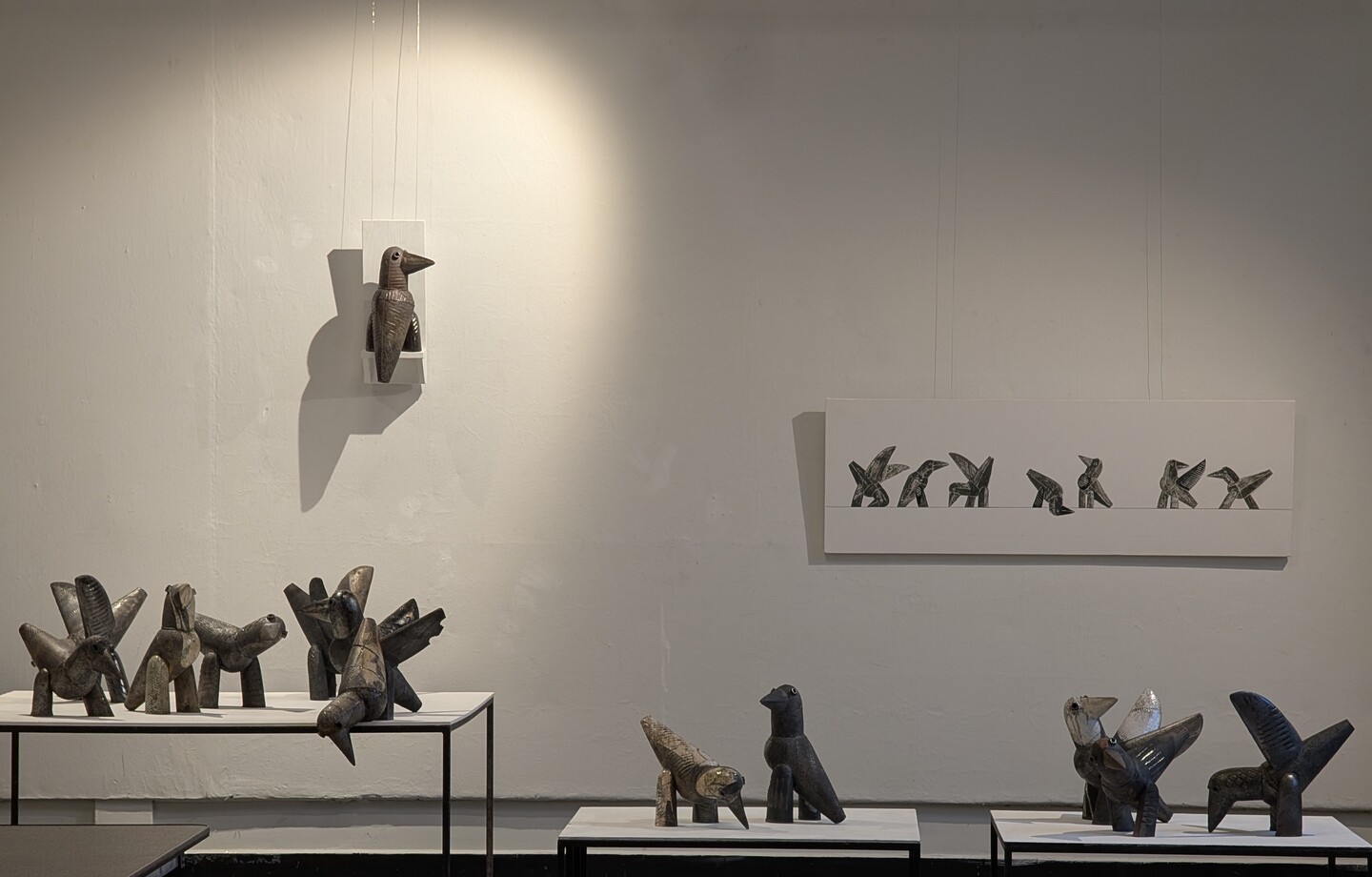
THE FLOCK / The Flock
Технические параметры работ:
· Materials: grog clay (Borovichy clay, 40% grog), enamel, copper patina · Dimensions: each figure is 35–40 cm high; the total size of the installation varies depending on the exhibition space · Technique: hand-sculpting, molding in plaster forms, two-stage firing (bisque + glaze), decoration with copper patina rubbed into the texture · Year of Completion: 2025 · Number of Pieces: 13 ceramic sculptures
The process took six months. The main stages were:
sketches and blueprints
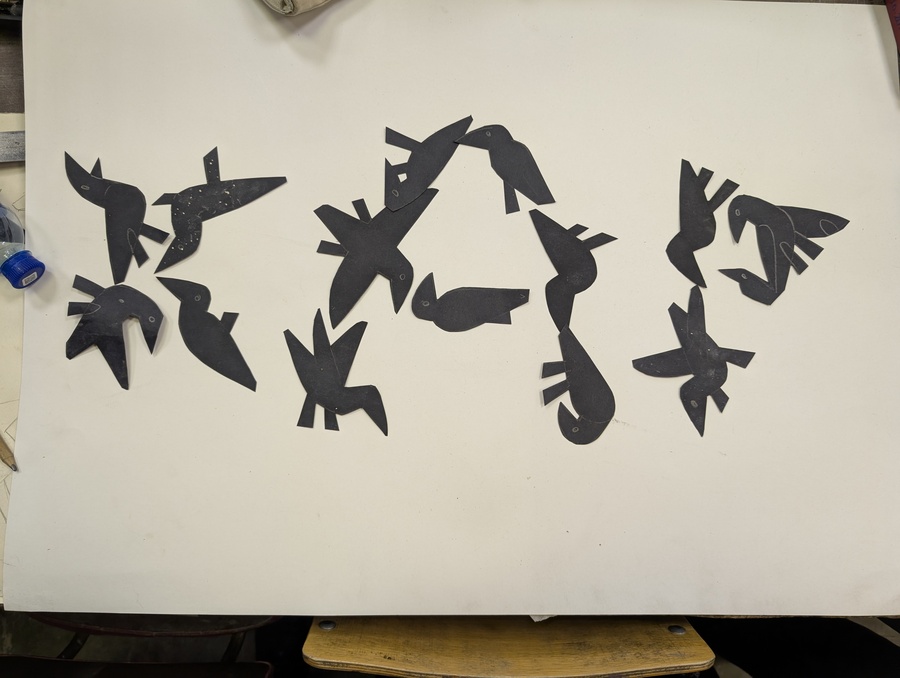
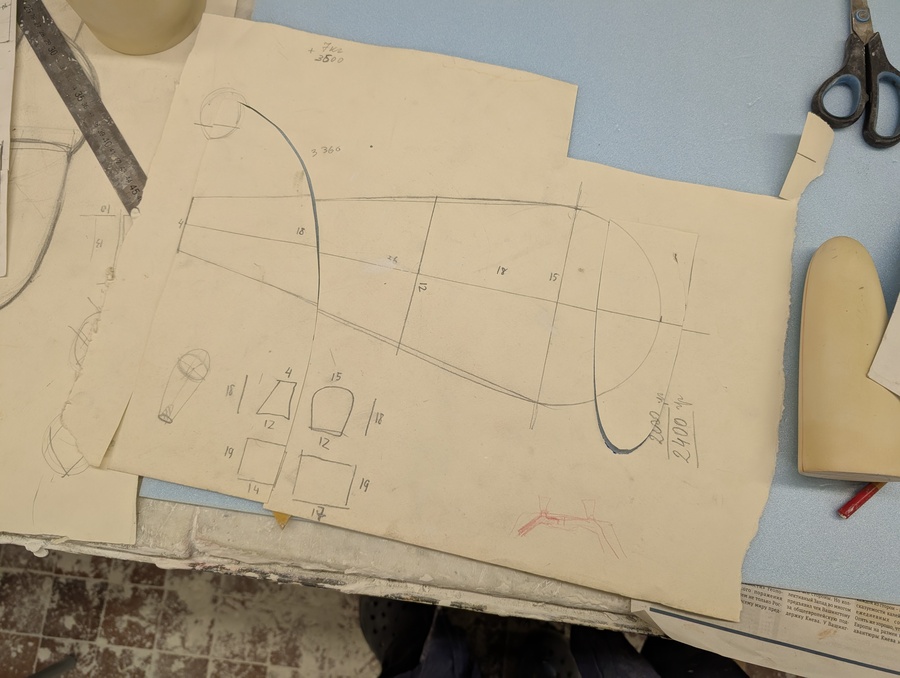
Sketches and blueprints
creation of plaster casts
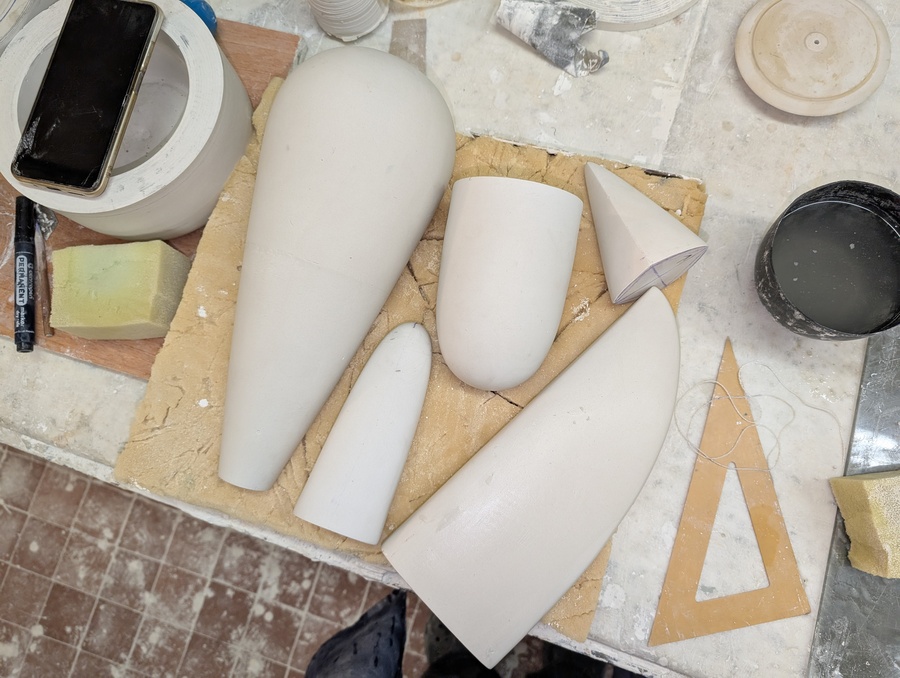
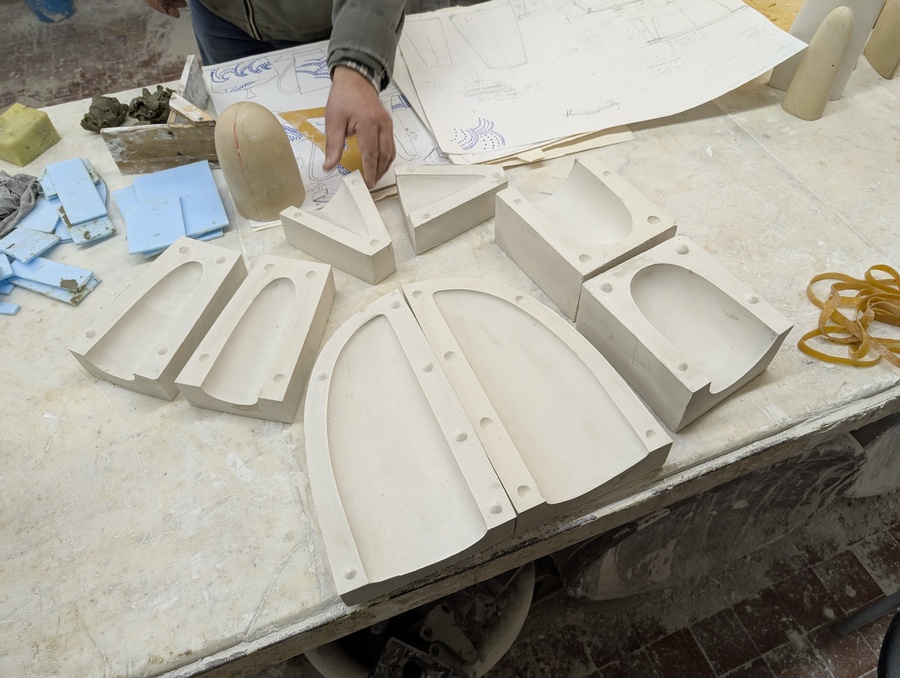
molding and finishing in plaster casts, assembling body parts
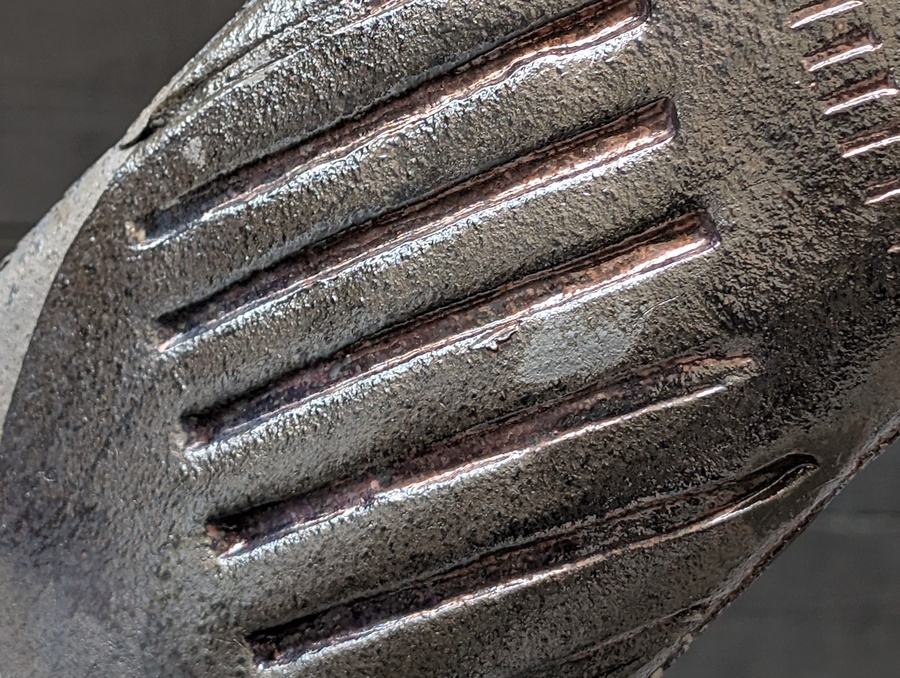
The key technique involves creating «urban» textures on the body of the birds. These textures are achieved by embossing with real urban materials: bricks, mesh, car mats, radiator elements, and ropes. This method symbolically «implants» the urban environment into the plasticity of a living creature.
Pottery firing
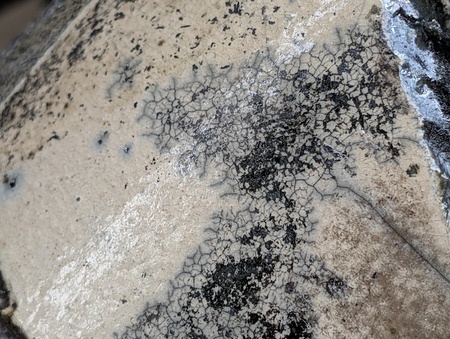
After the initial (bisque) firing, the pieces were transferred to a reduction environment using the Japanese raku firing technique.
The Process:
· The firing took place in a specialized kiln located in the courtyard of the Department of Ceramic and Glass Arts. · The temperature was raised to 1000°C using gas cylinders. · The hot sculptures were carefully removed using metal tongs and immediately placed into barrels filled with sawdust. · The containers were tightly sealed—creating a reducing atmosphere with limited oxygen inside. · After the holding period, the pieces were removed and submerged in water to completely halt the chemical reactions.
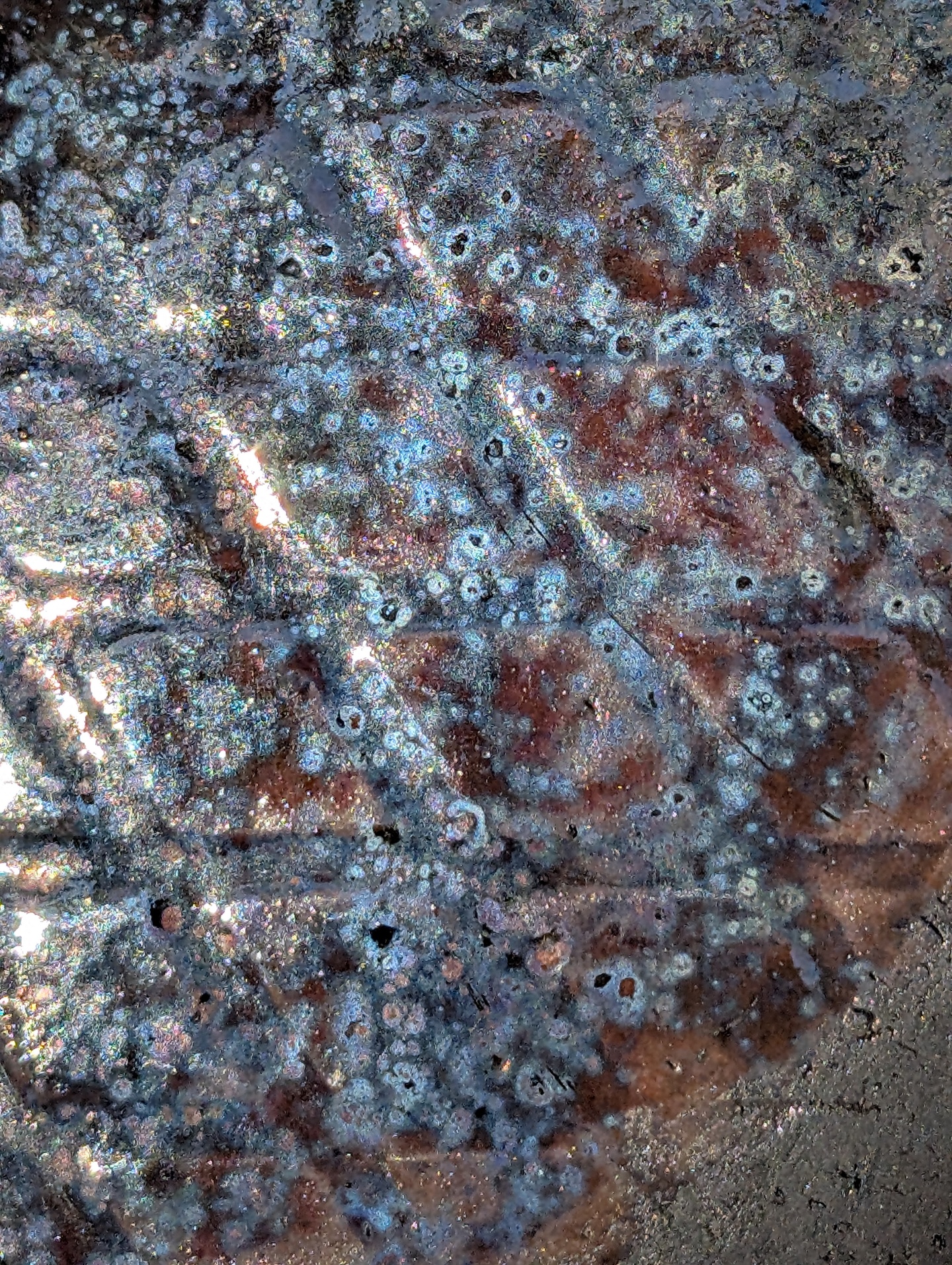
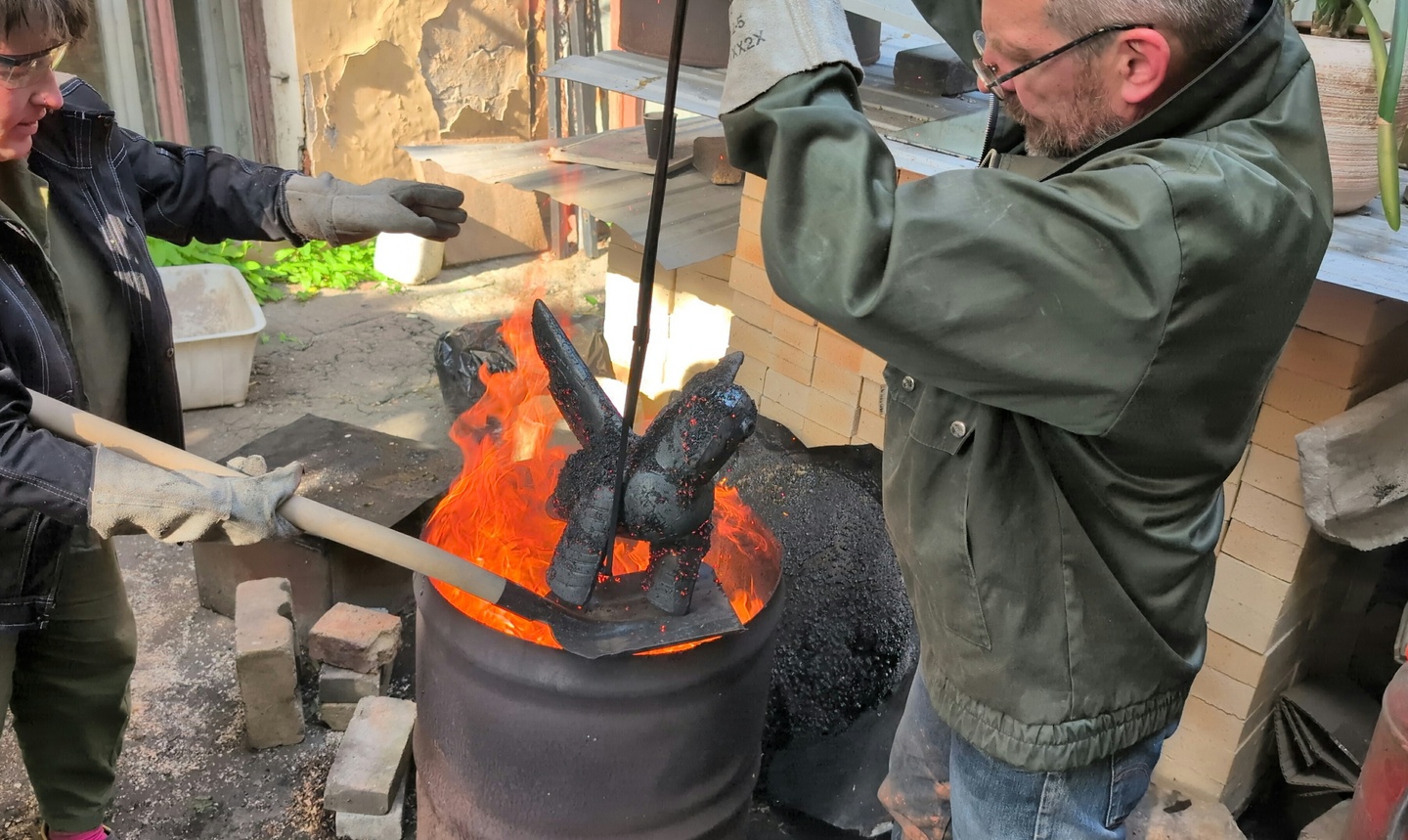
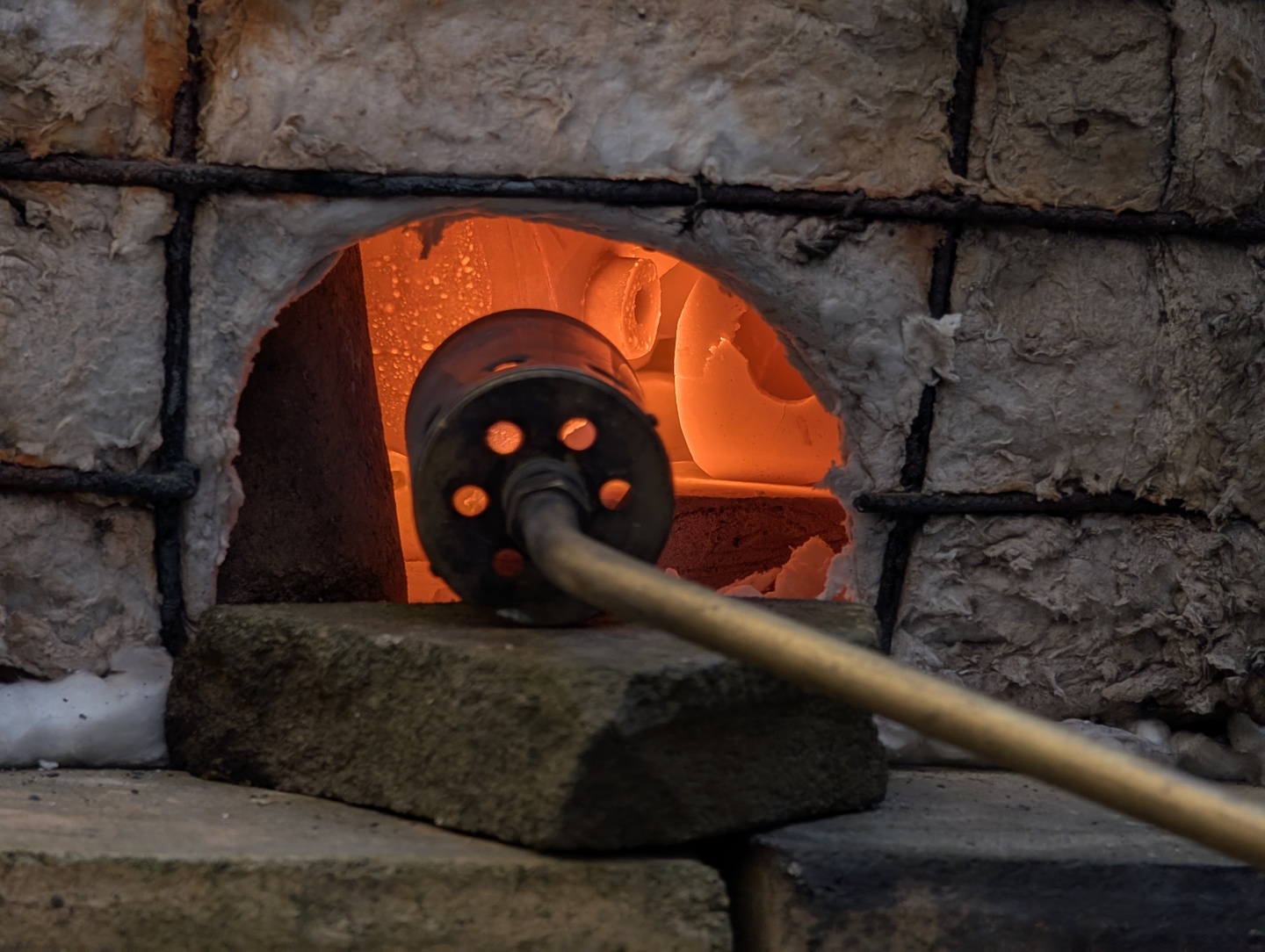
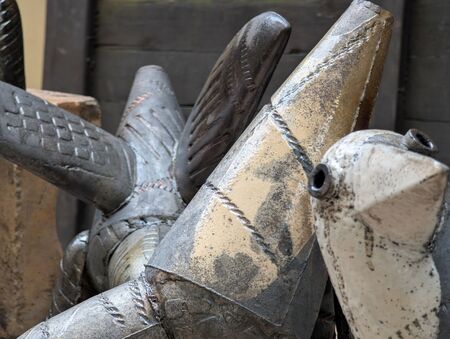
Firing Result
- The tile acquired a noble, cool gray tone.
- Glazes with a copper additive created an iridescence effect (a shimmering, metallic luster).
- The enamel transformed into a golden color with black inclusions, resembling antique silver or patina.
- The combination of matte and glossy sections produced a complex, vibrant visual effect that is unattainable through standard kiln firing.
Each sculpture passed through fire, smoke, and water—emerging from this crucible as unique as the city birds themselves.
Work Summary