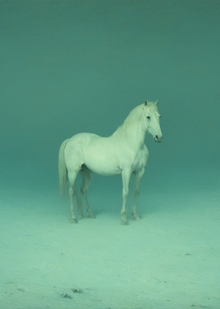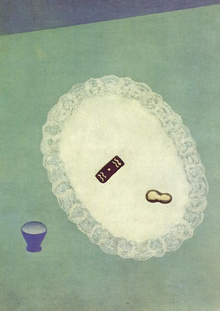
An art residency and contemporary art gallery located in former cow barns in the Vladimir region. It is a place where artists and designers can temporarily swap city life for village life, work in studios, and experiment with something new.
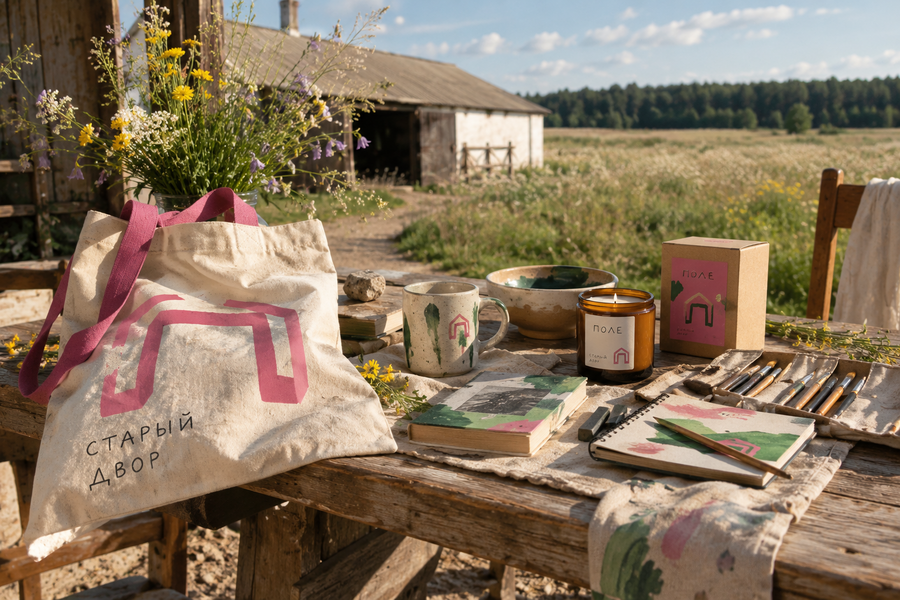
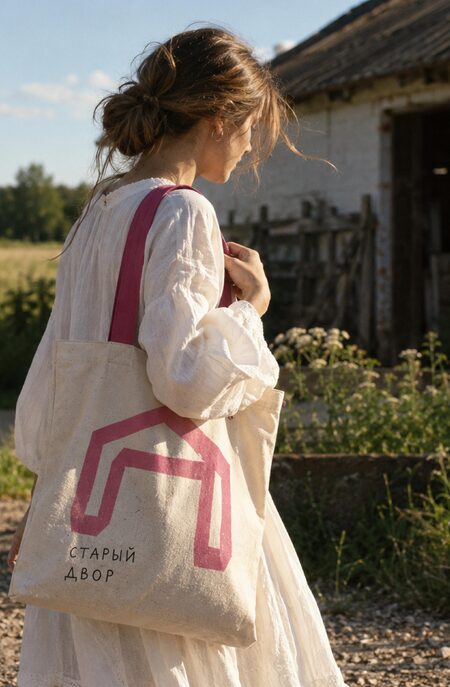
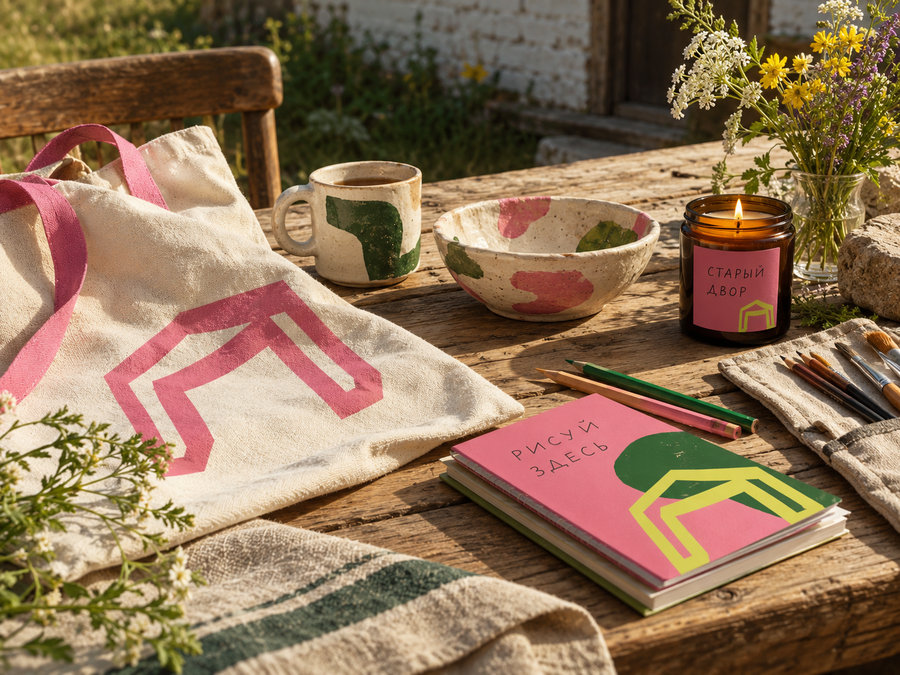
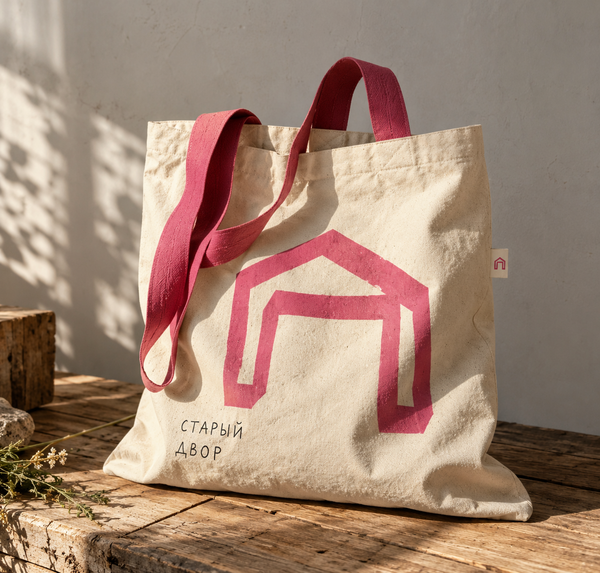
The Old Courtyard now has its own shop. It features items for the home and creativity: ceramics, candles, tote bags, and plein air kits. These objects continue the life of the residency even after summer ends.
New identity
The original Old Court style was bright, slightly naive, and deliberately casual. We decided to maintain that character while making it more appropriate for product design. The familiar arch remained the foundation of the logo. The acid colors were softened; muted pink, deep green, and warm yellow were introduced. Handwritten lettering now sits alongside restrained typography, and the graphics incorporate illustrations of wildflowers and rural landscapes.
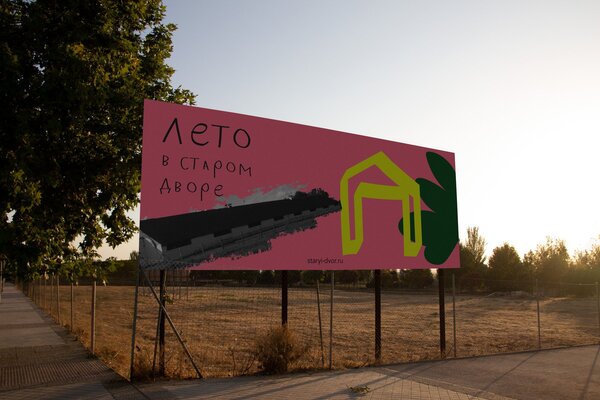
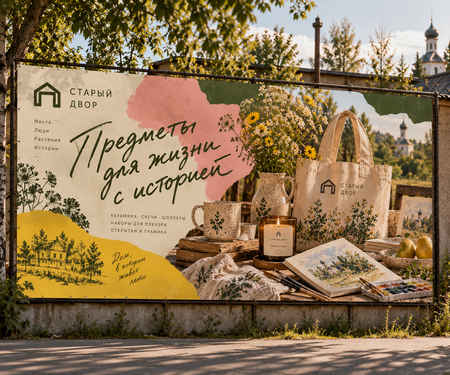
Source // New version
Identity previously existed primarily in posters and wayfinding. Now, it extends to ceramics, textiles, labels, and packaging. Special attention was paid to the materials. Rough ceramics, dense cotton, kraft paper, and hand-drawn details make the objects slightly less perfect, but much more alive.
A New Life for the «Old Courtyard»
The shop becomes an extension of the art residency. The plein air kit invites you to take your paints outdoors; ceramics and candles move from the studio into your home decor, and the shopper accompanies you even within the city.
The old courtyard remains a place for creativity, but now it has elements that students can take with them.
The Creation Process
For the redesign of the «Old Courtyard, ” ChatGPT and the generative model ChatGPT Images (OpenAI) were utilized. The work followed a principle of sequential visual prototyping—ranging from analyzing the original identity and developing the product concept to generating merchandise, promotional materials, and the store space. Rather than using a single universal prompt for each task, a separate query was created for each requirement, specifying details about composition, materials, lighting, and brand graphics.
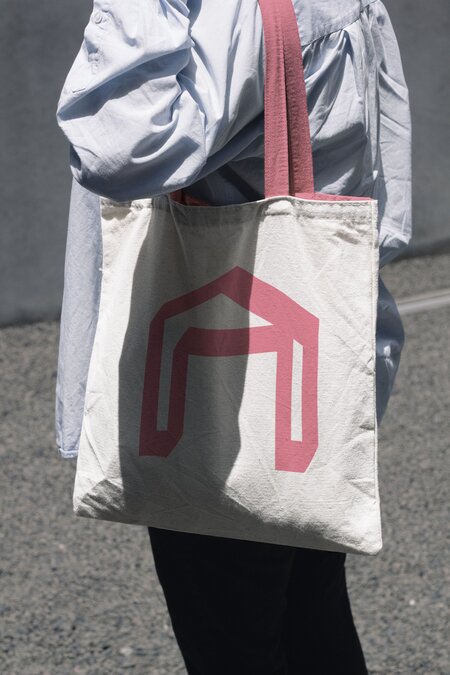
Source // New Version
Stages of Work
01. Analysis and Concept
Using ChatGPT, the main visual codes of the original project were identified, and a subject brand concept was developed. Materials from the original identity were used to maintain continuity.
02. Subject Generation
For each product, a series of images was created using the product shot → detail shot → lifestyle methodology. This approach allowed for the exploration of the items at various levels: from the overall design to the material texture and usage scenarios.
03. Keyframes and Space
Using contextual and compositional prompting, products were transplanted into new scenarios: a rural workshop, an open field, a commercial space. Repeating stylistic parameters helped maintain the series’ cohesion.
04. Identity and Promotion
Based on the resulting images, the original identity was reinterpreted. The signature mark and color accents were retained, but the palette became softer, and the graphics were adapted to natural materials. Following this, advertising posters, digital visuals, and outdoor advertising were created.
Prompt Engineering Methodology
The work incorporated contextual prompting, task decomposition, visual parameter control, and serial generation. Examples of prompt formulations included:
- Materials: «Natural forms, slightly imperfect hand-sculpture, tactile glaze.»
- Composition: «An open set visible from above, with art tools neatly arranged inside.»
- Context: «A combination of contemporary design and rustic architecture.»
- Lighting: «Soft natural light, high tactility, the atmosphere of a summer workshop.»
Result
Generative AI allowed us to test how the original graphic system performs on physical objects and across various media. The primary challenge was maintaining the consistency of the logo and product details across generations. Therefore, prompt precision, repetition of visual cues, and critical image selection played key roles in the process. The result is not merely a series of AI visualizations, but a visual prototype of a product brand complete with its own product line, spatial identity, and advertising communication.