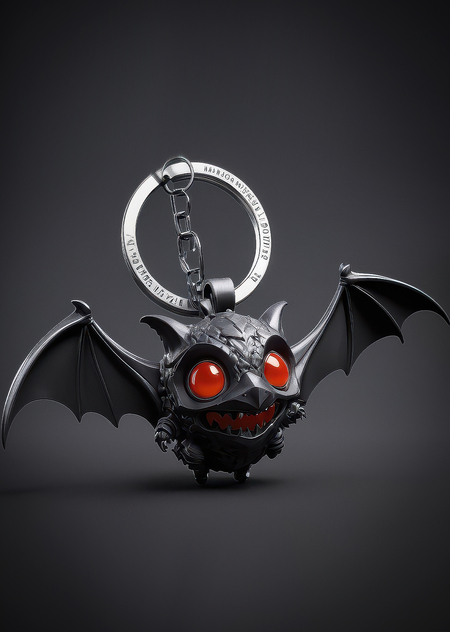
Project Concept
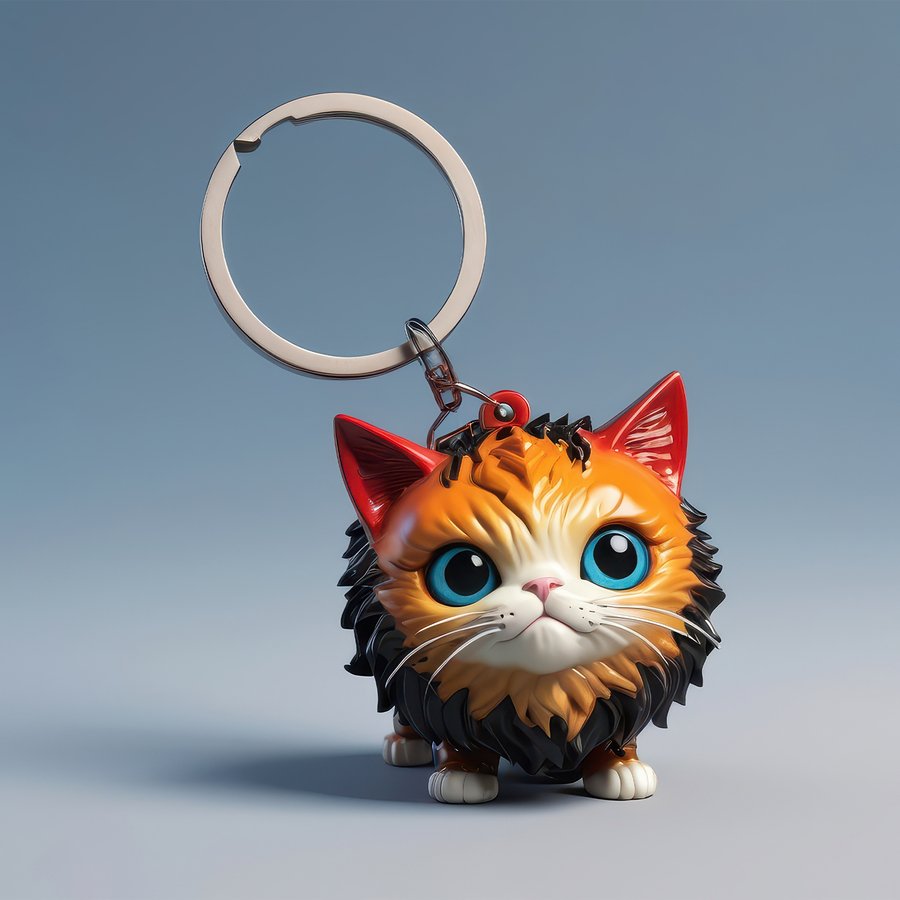
Illustration Generation with Leonardo AI Neural Networks
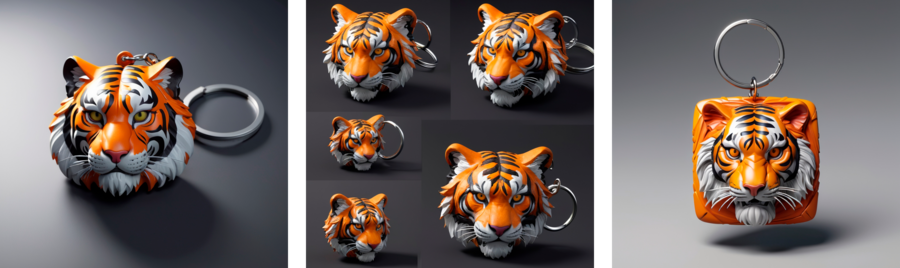
Generating Illustrations with Leonardo AI
The primary objective of my project is to develop a collection of animal-shaped keychains and then realize them using 3D printing. During the project development, I studied specialized software tools and became familiar with their functional capabilities. Special attention was paid to every stage of the process: from concept creation to preparing 3D models ready for printing.
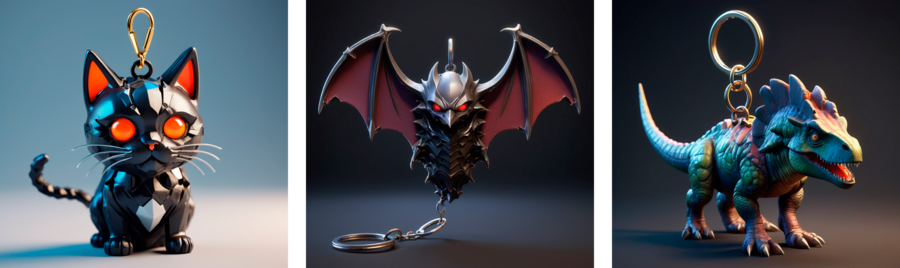
Illustration Generation with Leonardo AI
At the initial stage, numerous ideas were developed based on the given theme. This provided the opportunity to select the most successful and promising solution, which would later be realized as promotional objects and transformed into a 3D space format.
Final illustration generation in the Leonardo AI neural network
Illustration creation took place in the Leonardo AI neural network.
Real-time final concept art presentation
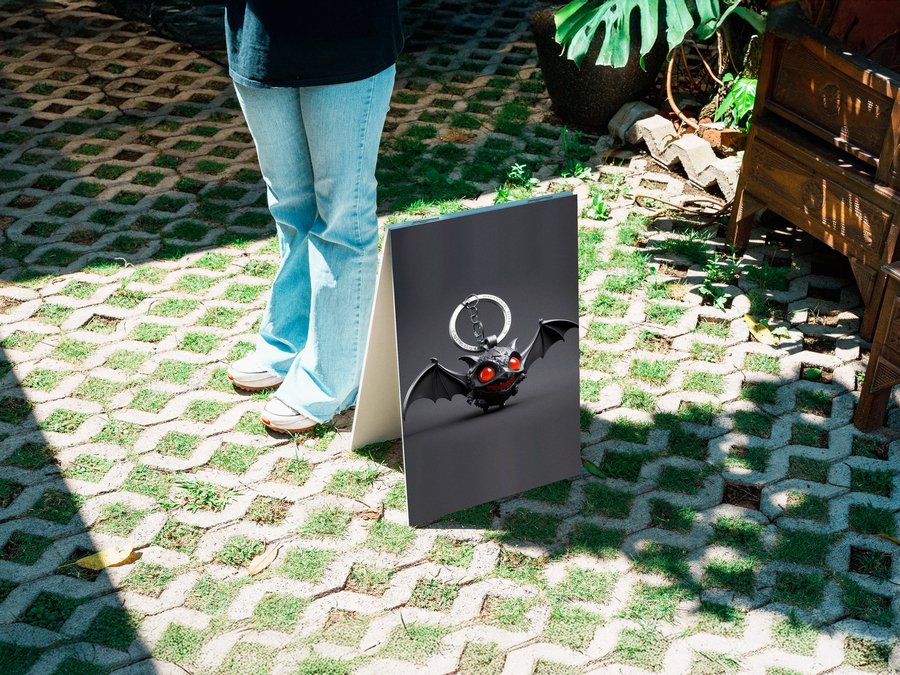
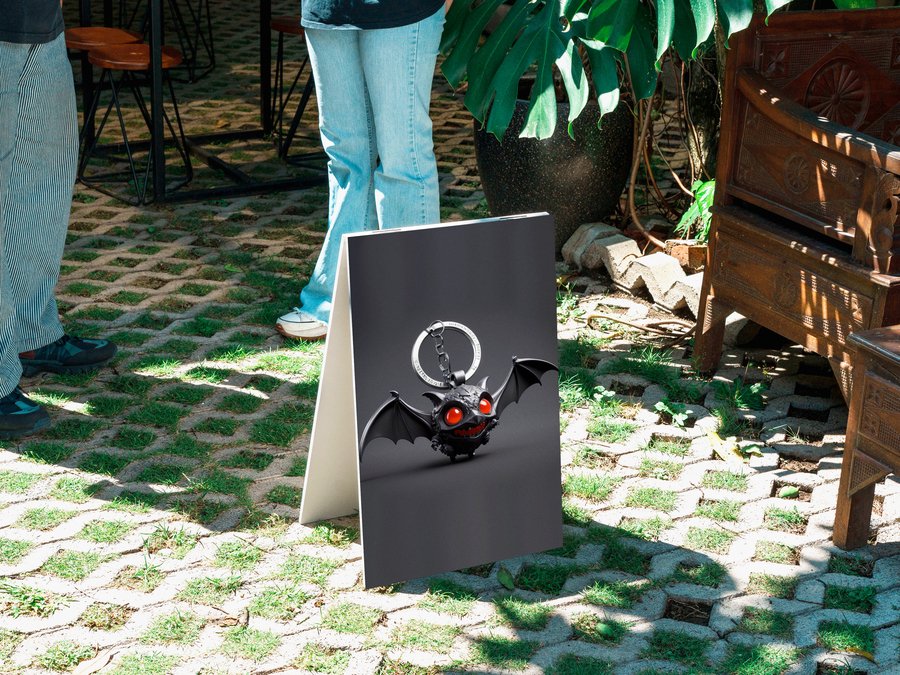
Advertising Signage
Advertising signs were also created, and object designs were developed, visually demonstrating the concept in real-world application.
Bottle Mockups
Watch Screen Mockups
Promotional images of the future 3D object
Object generated in Leonardo AI from various angles
Subsequently, a design for a bat-shaped keychain, encompassing various angles, was developed. This approach allowed for a more precise real-time visualization of the future model, significantly reducing the risk of artifacts during subsequent modeling with a neural network. The Leonardo AI tool was also utilized to complete this task.
Texture selection for a 3D object
In researching the subject, a mood board with preliminary textures was selected.
Creating a 3D object in 3D Hunyuan Tencent
Screenshot of a 3D model generated by the Hunyuan Tencent neural network
The 3D model was developed using Tencent’s Hunyuan neural network based on the provided concept art material. Upon completion of the creation phase, it became possible to export the resulting figure in the required format.
3D model screenshots from various angles generated by the Tencent Hunyuan AI
3D model screenshots from various angles generated by the Tencent Hunyuan neural network
In the final stage of the work, errors in the 3D model were successfully corrected within the Anycubic Photon Workshop program. This allowed the object to be successfully prepared for 3D printing.
Screenshot from the Anycubic Photon Workshop program
Technical Specification for Production
Technical Specification for the «Bat» Keychain 3D Print from Chat GPT:
1. Object
— Keychain featuring a bat figure with large eyes and wings.
2. Dimensions
— Total length (including wings) — ~7–8 cm — Figure height — ~4–5 cm — Keyring diameter — ~2.5–3 cm
3. Material
— PLA/ABS plastic for prototyping — Metal (e.g., stainless steel, aluminum) for mass production to ensure durability
4. Color
— Primary color — matte black (or dark gray) — Eyes — translucent red inserts or post-print painting
5. Technical Requirements for the 3D Model
— Surface must be free of intersecting geometry and mesh errors — Model wall thickness must be no less than 1.5 mm (for structural integrity) — Fine textures (scales, teeth) should be detailed while accounting for printer limitations — Wings must be rigid enough not to break with slight bending
6. Structure
— The attachment ring must be removable or securely integrated (depending on the chosen technology) — Balancing: To ensure stable hanging when attached to the ring
7. Supports
— Support structures are required for printing the wings and protruding parts — It is preferred to minimize contact areas between support structures and visible surfaces to facilitate post-processing
8. Post-Processing
— Removal of supports — Surface sanding — Eye painting (optional) — Protective surface coating (lacquer, if metal)
Creating additional 3D models in Hunyuan Tencent
Model generated by Hunyuan Tencent from various angles
A model generated in Hunyuan Tencent from various perspectives