About the Project
Target Audience: 6+ All Ages
Genre: Drama (Narrative animation in a Chinese style)
Technique: 2D (Frame-by-frame animation in SSR; Frame coloring performed in Photoshop; Compositing in Adobe After Effects)
Runtime: 5 minutes 20 seconds
Project Goals: Participation in international animation festivals
Logline
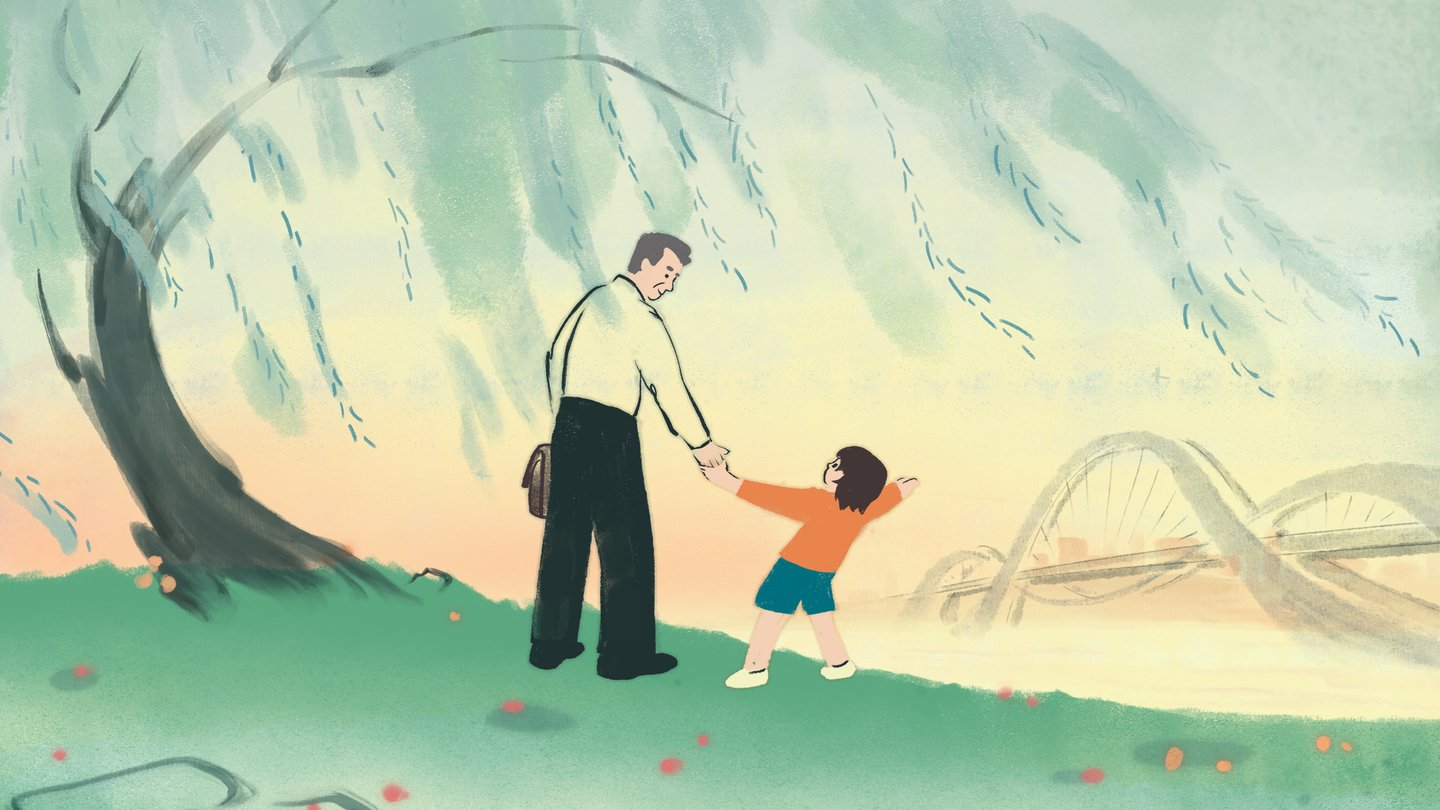
This piece explores an adult woman who goes to view a bridge designed by her grandfather, thereby entering into a dialogue with her deceased grandfather and the regrets of her childhood.
Synopsis
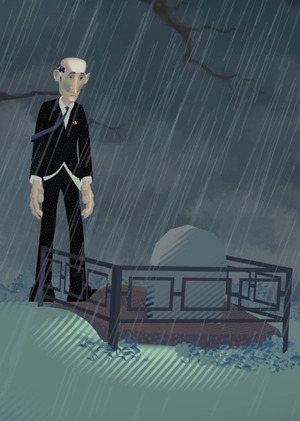
A young woman returned to the park where her grandfather often took her as a child. She sank into memories. Her grandfather once told her that he wanted to design a bridge for this place. But one day, she accidentally spilled ink on his blueprints. In her imagination, the angry grandfather transformed into a tiger, and the ink became a snake that tightly wrapped around her, but the tiger saved her. She returned to reality: many years had passed; her grandfather was gone, but looking at his creation, she seemed to see his kind smile again, and the guilt in her heart felt as if it were finally letting go.
Characters
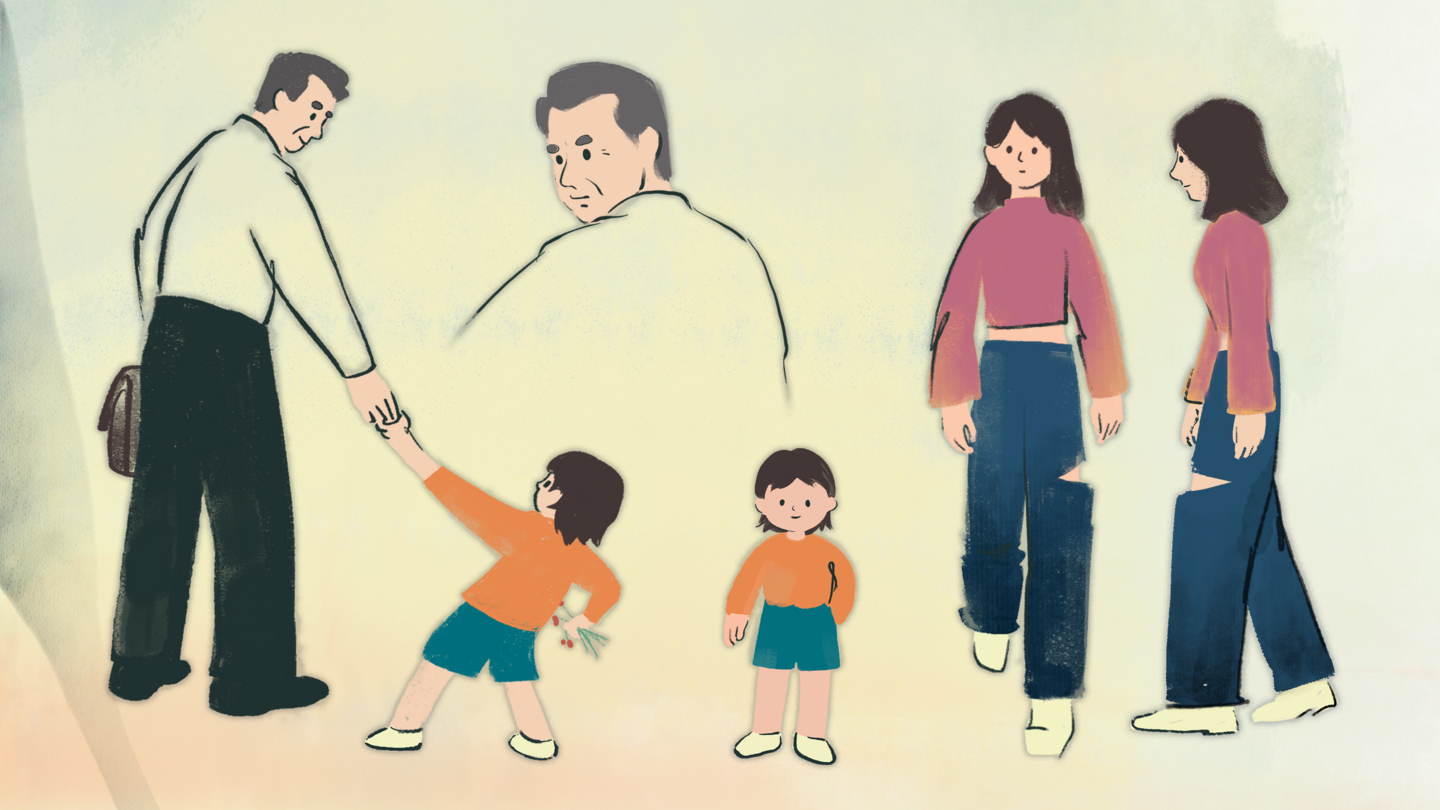
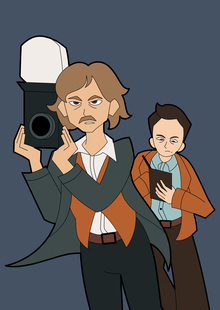
1: Grandpa — He is 68 years old, deeply loves his work, and is very responsible. He adores his granddaughter.
2: Girl — She is 5 years old, very lively and curious. She loves her grandpa but is afraid of his stern look when he is working. She deeply regrets damaging his blueprints but doesn’t know how to ask for his forgiveness.
3: Young Woman — She has grown up; she is now 20 years old. She misses her grandpa terribly and goes to view a piece of work he once left, thereby reconnecting with him. Ultimately, she reconciles with her childhood self.
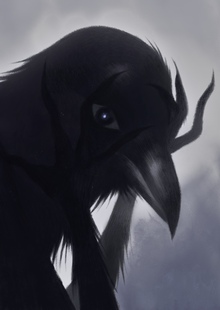
Tiger—In a girl’s imagination, a stern grandfather transforms into a tiger, but the tiger saves the girl.
Still Image Design
Director’s Exposition
In Chinese family culture, there is often a deeper emotional connection between grandparents and their grandchildren. My grandfather is very kind and gentle; he approaches his work with great seriousness and responsibility, which makes me a little intimidated when he is working. But when he saw that I was afraid and feeling helpless because of a mistake, the first thing he felt was pain for me.
As I got older, I began re-examining those childhood memories. The film, «Going to See Grandpa’s Work,» gave me the chance, as an adult, to talk with my grandfather and with my childhood.
To me, my grandfather is like a mountain—silent and dependable, something I can always lean on; but when he is working, he is like a tiger—serious and majestic, evoking both awe and fear in me as a child.