In a culture where external confidence is often perceived as a sign of success, the open expression of vulnerability holds a complex position. Displaying sadness, anxiety, fear, or insecurity can be viewed as a manifestation of weakness. However, music and youth subcultures have repeatedly offered an alternative perspective on emotionality—not as a defect that must be hidden, but as a vital part of the human experience.
The emo scene has emerged as one of the cultural phenomena related to the open expression of feelings. It formed at the intersection of musical genres, youth identity, and various forms of self-expression. Its history demonstrates how personal experiences can transcend individual experience to become a mode of communication between people.
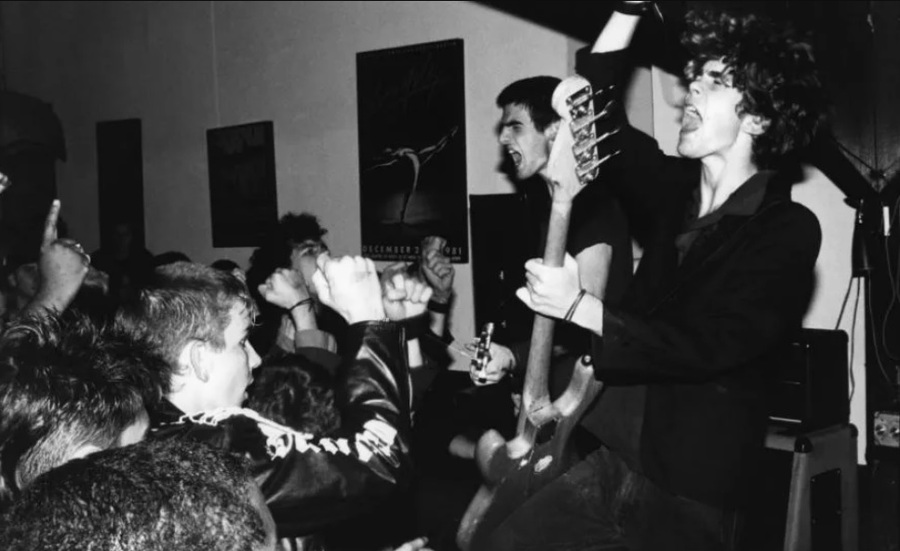
Rites of Spring Group
The history of emo begins in the American punk scene of the 1980s. The term «emotional hardcore» was used to describe bands that developed a more personal and emotionally charged form of hardcore punk. Early representatives of this movement include Rites of Spring and Embrace. Their work became a part of a musical landscape where personal experiences gained more prominence alongside the protest energy of punk.
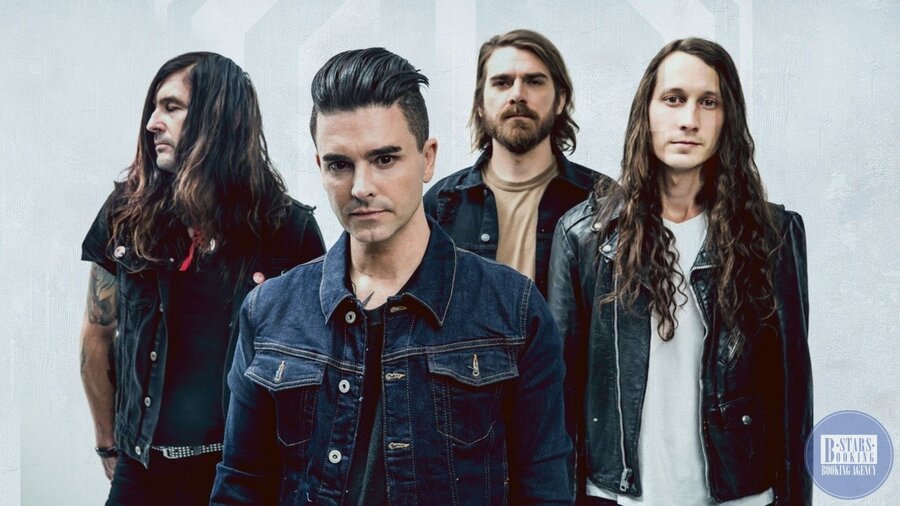
Dashboard Confessional Group
In the 1990s, perceptions of emo broadened. Groups like Sunny Day Real Estate and Dashboard Confessional are often associated with this period, although their sound and musical approaches differed. Emo gradually began to be linked with more melodic music and lyrics focused on personal experience, relationships, and the inner emotional life of an individual.In the early 2000s, emo achieved widespread popularity and became a noticeable part of international youth culture. My Chemical Romance, Fall Out Boy, and other bands connected to this scene gained notoriety not only for their music but also for their expressive stage presence and active engagement with their fans.
However, emo did not have a singular style with unchanging rules. Its definition evolved over time, and the boundaries between emo, pop-punk, and post-hardcore remained subjects of debate.
A defining characteristic of emo culture was its focus on personal experience. Song lyrics frequently address themes of loneliness, complex relationships, anxiety, loss, and self-discovery. Through music, these emotional states take on a form that can be shared with others.
My Chemical Romance employed dramatic staging and conceptual imagery, merging musical pieces with theatricality and narrative. Fall Out Boy combined emotional themes with metaphor, irony, and complex linguistic constructions. In the work of Paramore, relationships, growing up, and the search for one’s own voice hold significant weight. These bands are distinct from one another, yet their creative output demonstrates the diversity of ways personal experiences can become public statements.
My Chemical Romance Group
The history of emo culture serves as the starting point for the project, «The Power of Feeling: Vulnerability as a Visual Language.» The core question of the project is: can vulnerability be presented not as weakness, but as an autonomous visual language that speaks to the viewer on par with «successful» design?
Emo Scene Album Covers of the 2000s
Emoculture is important for this research primarily as an example of how internal experiences take public form through music, image, and communication. The project’s objective, however, is not to literally reproduce the aesthetics of a specific group or to create fan art. Instead, the historical material serves as a foundation for independent interpretation.
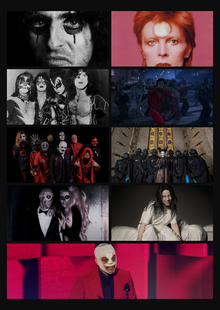
Moodboard
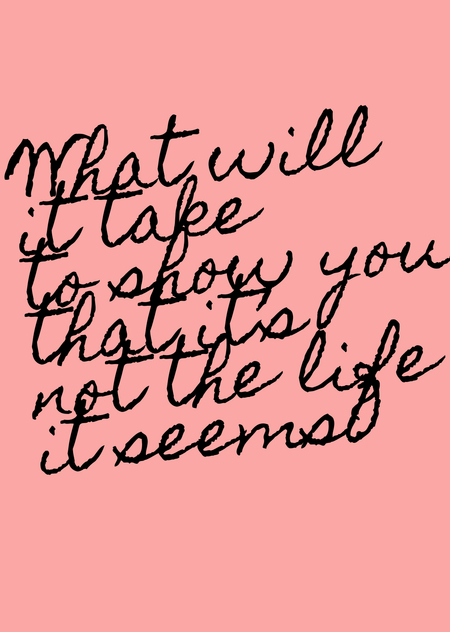
«The Power of Feeling”—a project inspired by the musical and visual culture of the emo movement of the 2000s, where music became a way to openly articulate personal experiences. Through graphic design, the project explores how to transform emotions into a visual statement and reminds people that feeling sadness, anxiety, loneliness, or insecurity is normal. The core of the project will be a series of posters featuring quotes from emo bands, augmented with explanations of the emotions and supportive messages. Merchandise will extend this concept. The visual style will unify expressive typography, handwritten elements, collages, and intentionally imperfect details, reinterpreting the emo culture aesthetic for contemporary design. The project aims to create a space where feelings are not judged or seen as weakness, but are embraced as a natural part of the human experience.