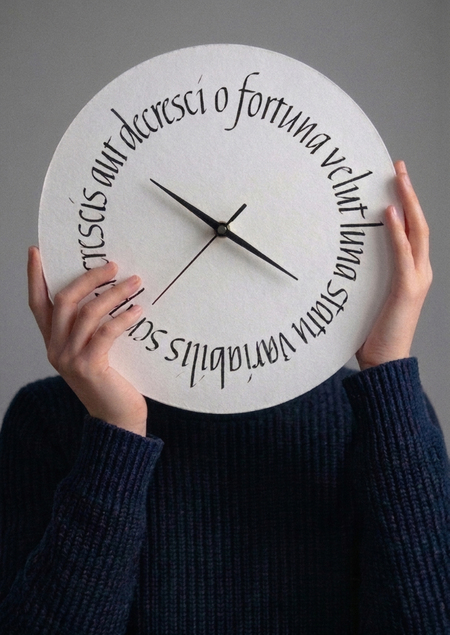
In 1935–1936, German composer Carl Orff set the medieval poem «O Fortuna» to music—it became the opening and closing piece of his cantata Carmina Burana.
The poem’s text served as the foundation for the academic module’s assignments. The visual design of the project was inspired by Orff’s musical interpretation.
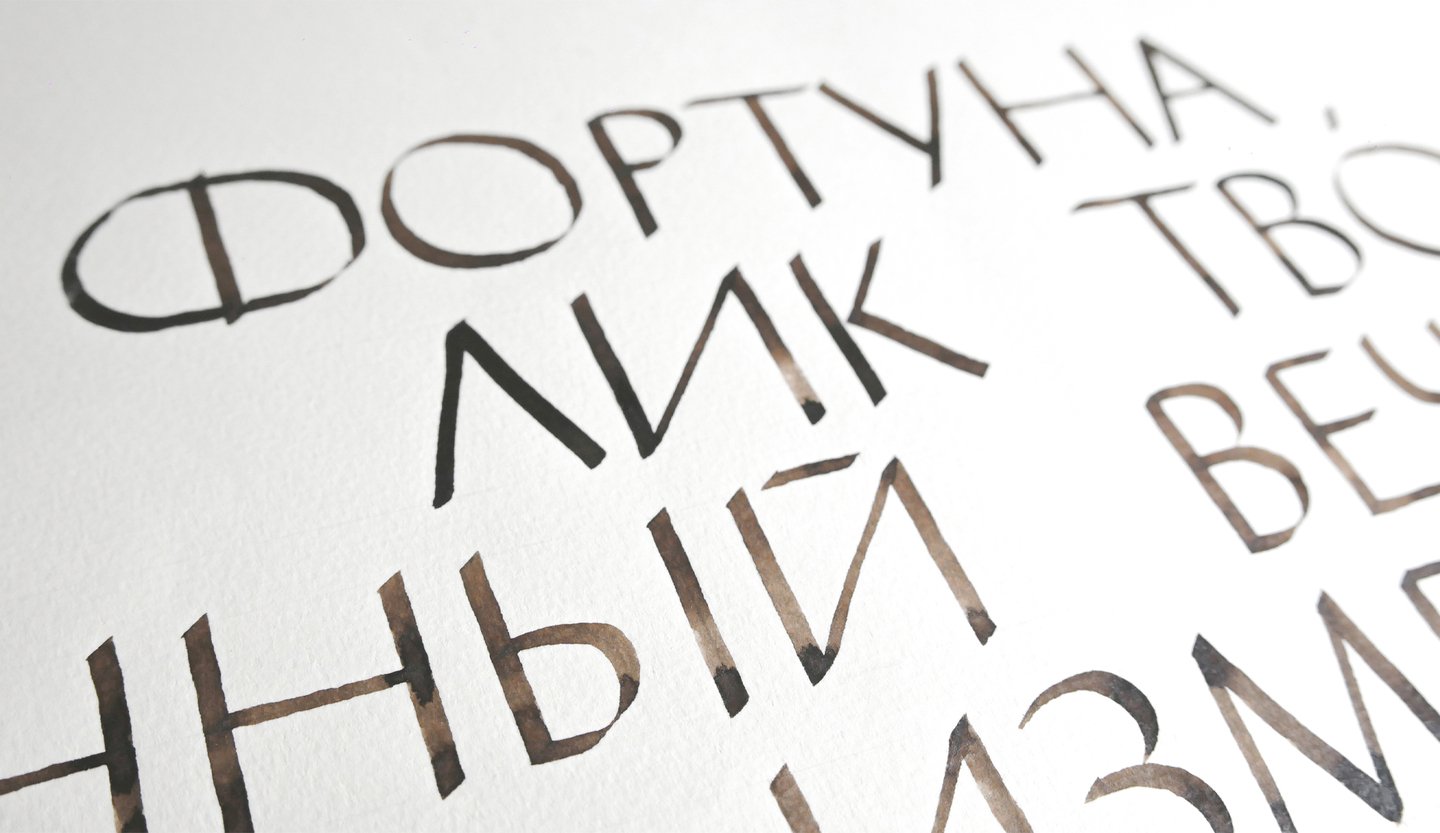
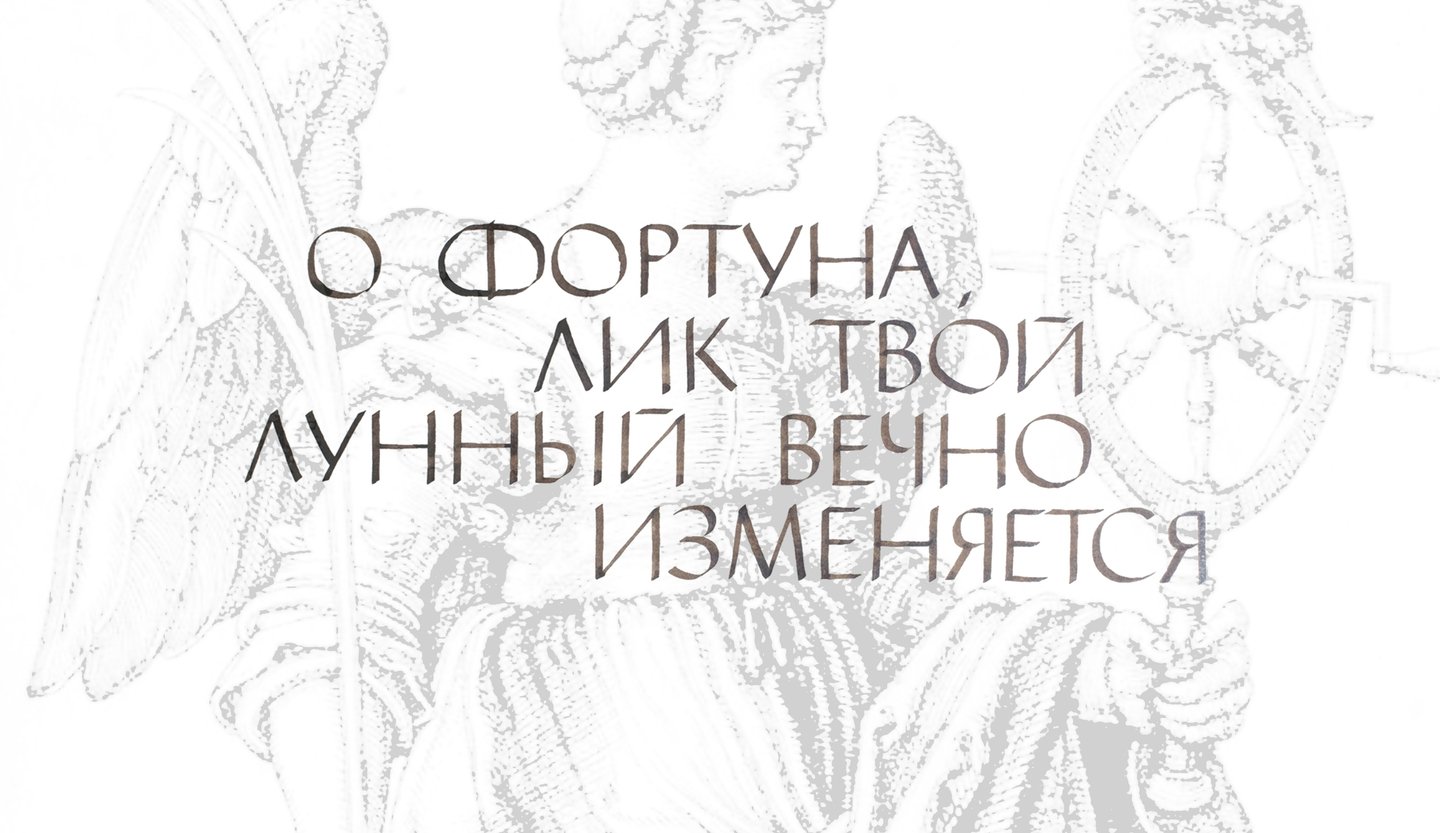
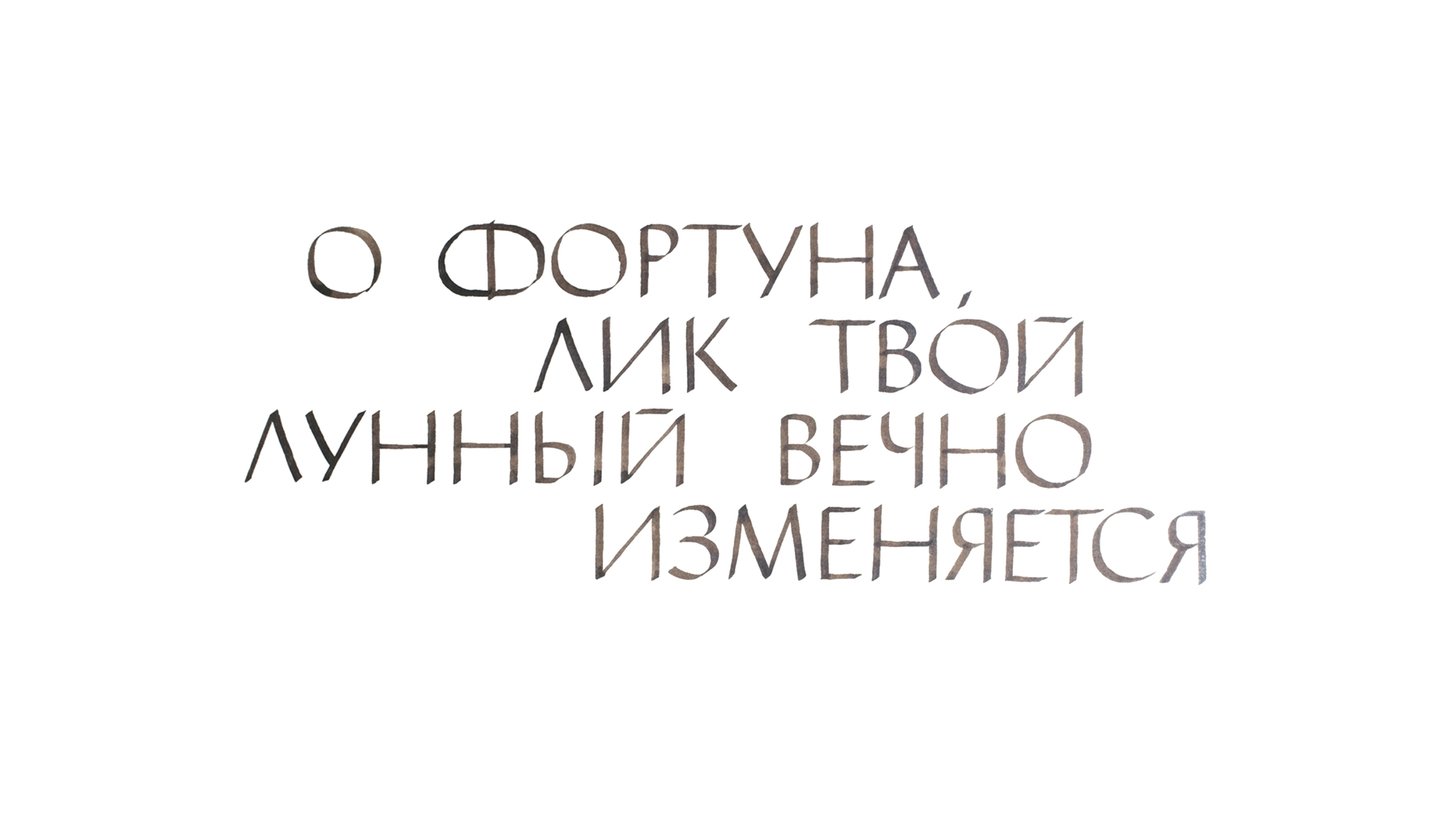
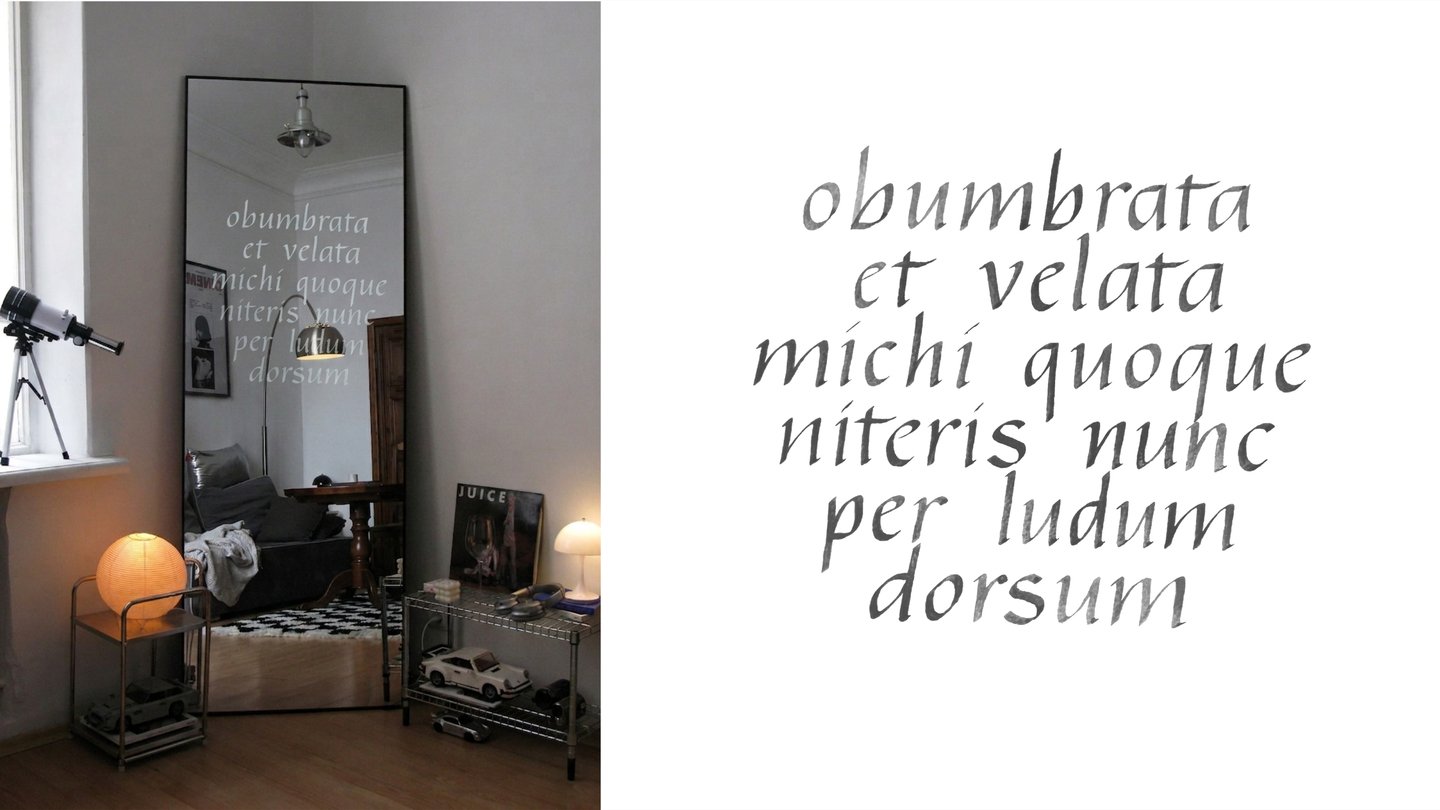
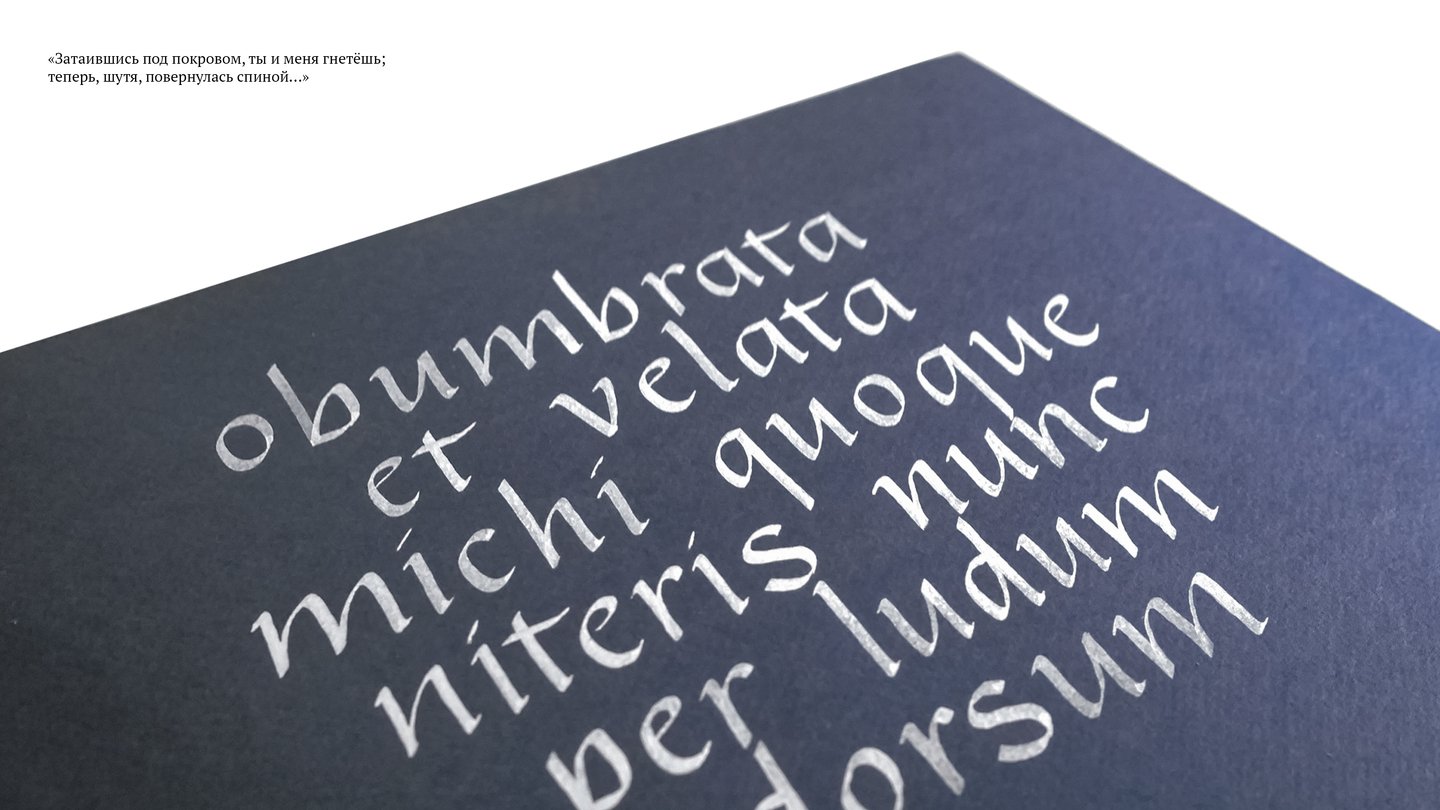
Time and Fortune—symbols of impermanence that spare no one. «O Fortuna» embodies time: much like the wheel of Fortune, it rotates relentlessly, returning humanity to its starting point, regardless of its hopes, efforts, or attempts to change its destiny.
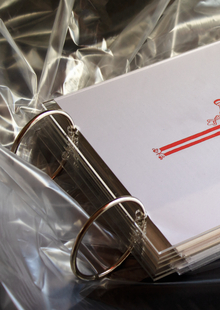
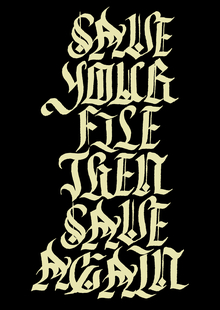
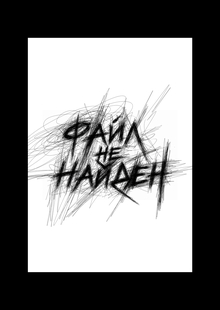
The clock hands move along the text of the poem. Three separate compositions visually reflect the line sicut luna stans variabilis—"like the moon, ever-changing.» They symbolize the lunar cycle—from full moon to waning moon and, finally, to the new moon—emphasizing the theme of inevitable decay and renewal.
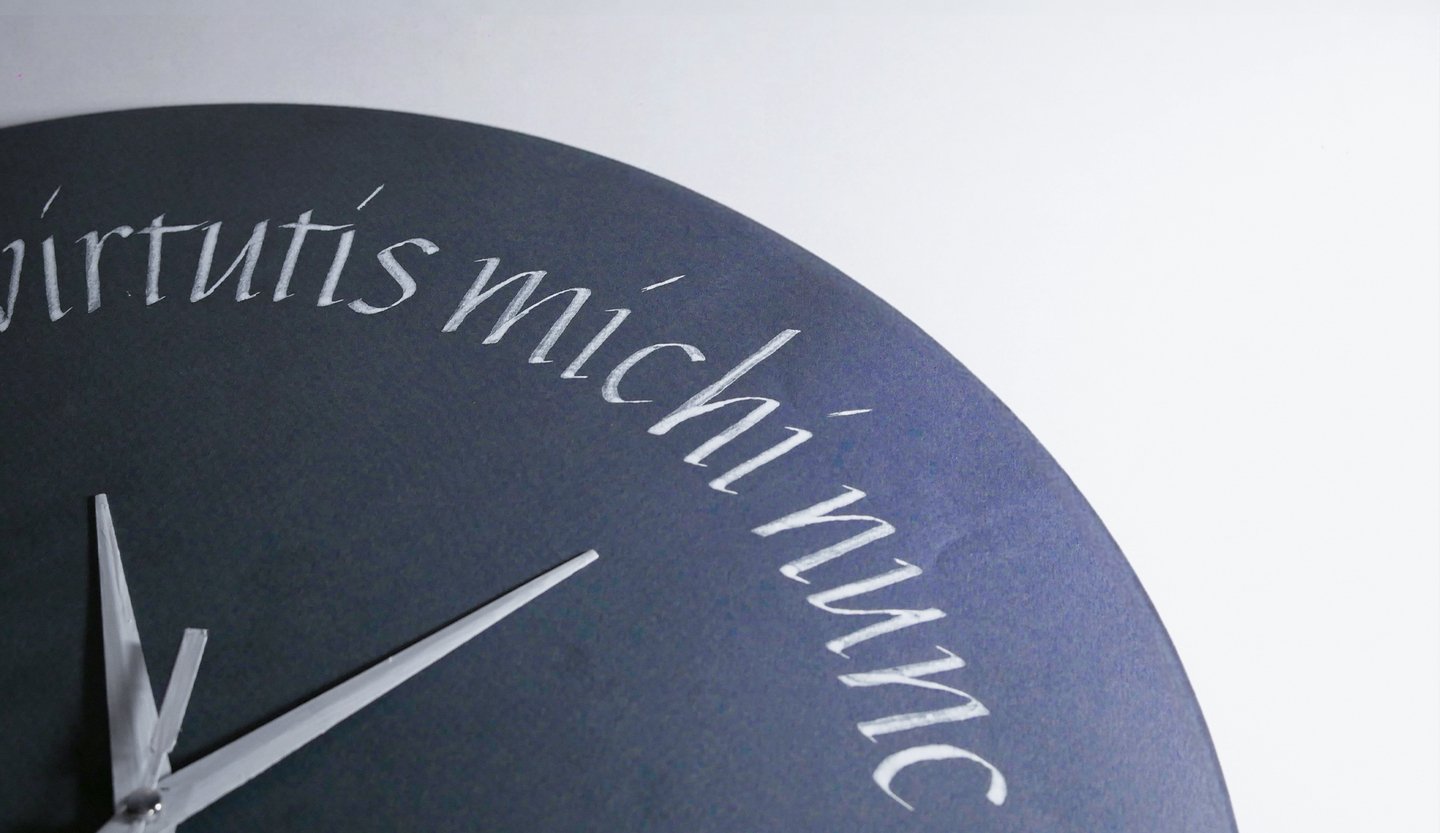
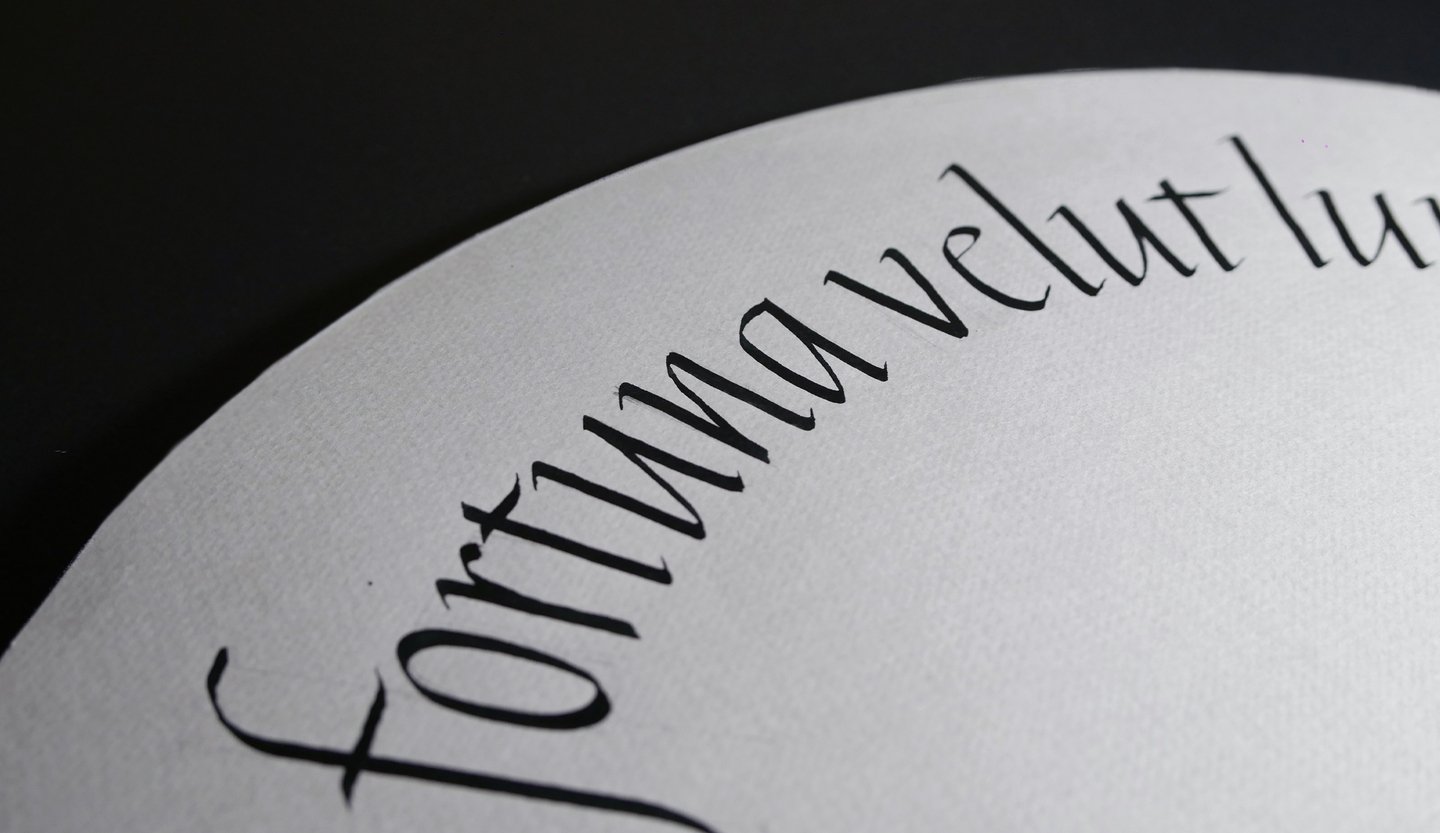
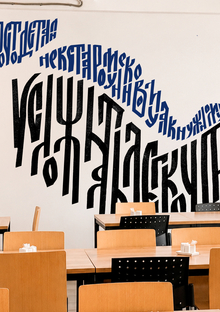
To visualize the project’s environment, the Nano Banana 2.0 neural network was utilized.