What is the project about?
SHIFT — a visual fashion media platform at the intersection of fashion, contemporary social culture, and pop culture.
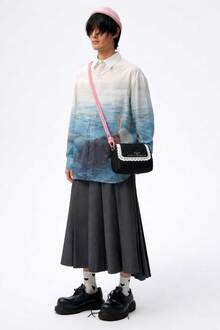
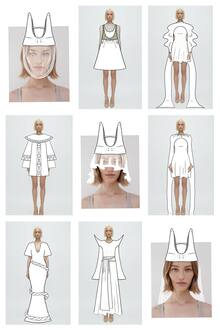
SHIFT explores cultural, social, and pop-cultural phenomena by translating them into the language of fashion. The project addresses themes that exist beyond the fashion industry, examining how they can be interpreted through clothing, styling, photography, and other visual tools. Each piece becomes not just a narrative about a phenomenon, but its own original visual interpretation, transforming a specific theme into an independent fashion story.
At the core of SHIFT is the principle of a shift—from one cultural context to another, from a phenomenon to an image, from an idea to a visual statement.
In the context of constantly updating digital content, SHIFT offers an alternative to the usual format of information consumption. Instead of regularly covering events and short-term trends, the project focuses on the sustained visual exploration of a single cultural or social phenomenon. The print magazine allows for the integration of diverse interpretations of a theme into a cohesive, original statement where the depth of visual perception—rather than the speed of consumption or the sheer volume of information—is paramount.
Project Format
Proprietary Media and Print Magazine:
The print magazine functions as our own media product and simultaneously serves as a tool for brand building, portfolio development, and attracting B2B clients.
Filming · visual research · writing · interviews, etc.Digital:
Photo/video shoots, social media content.Creative Production:
SHIFT develops visual solutions for fashion brands: creative concept development, establishing the visual language of the project, styling, production of visual content, and creation of commercial visual products for brands.
Target Audience
20–35 years old
Large cities
Higher education / creative industriesInterests:
Fashion/photography/video/art/cinematography/design/digital culture
The audience perceives fashion as part of a broader cultural context, not just as clothing consumption.Media Consumption:
Instagram* / Pinterest / Telegram / YouTube and other visual online platformsVisual Formats:
Photo and video, while maintaining an interest in physical objects and print media as cultural products
Market Analysis
Global Level
Key Metrics
$10.4 billion
Global Fashion Magazine Market Valuation in 2025$16.2 billion
Forecast for 20345% annually
Projected Average Annual Market Growth+7.6% annually
Digital Segment Growth Forecast through 2034
— Visual content becomes a standalone product.
— The print magazine is rethought as a collectible object. Instead of a constant stream of news, the publication offers a finished editorial concept, high-quality printing, and the ability to keep the issue.
— Media develops as an ecosystem. The print edition is supplemented by a website, videos, events, advertising integrations, and more.
The Growth of the Global Fashion Magazine Market
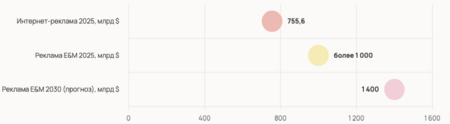
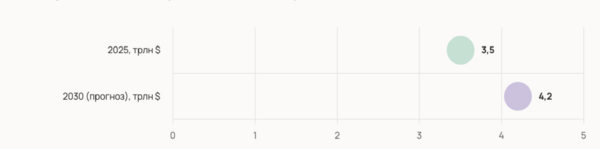
1. The global E&M market is projected to grow to $4.2 trillion by 2030 (from $3.5 trillion in 2025). 2. Advertising and online advertising (E&M advertising has already surpassed $1 trillion and is expected to reach $1.4 trillion by 2030).
The Share of Digital Revenue in the Fashion Media Market
Key Competitors
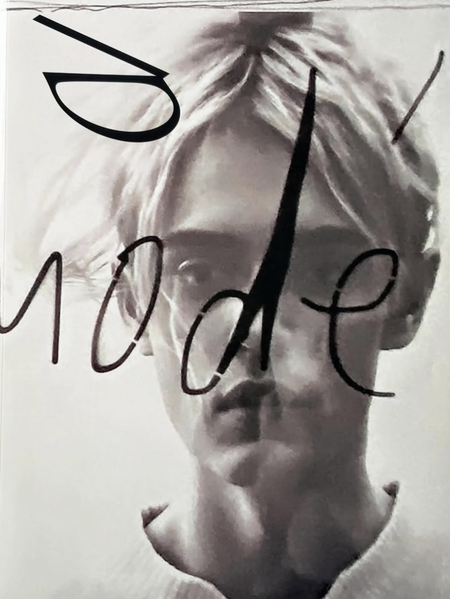
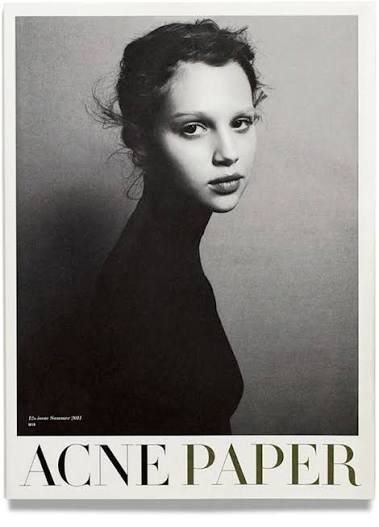
1. Bill magazine 2. Acne paper
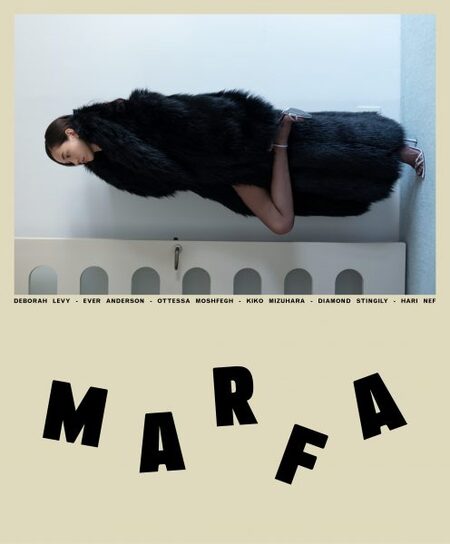

1. Marfa Journal 2. A magazine curated by
The Russian Market
65 million
Print media audience in Russia in 2025, according to GIPP+2.5 million
Growth of print media audience in one year44%
In the Rambler&Co survey, they cited an attractive theme or cover as the reason for purchasing a print edition16%
Indicated a desire to keep the issue for their collection
In the Russian fashion scene, websites and Telegram channels play a significant role, providing regularly updated content: industry news, runway shows, trends, commentary, curated collections, and recommendations. This format is highly sought after because it answers the question, «What is happening right now?»
Key Players in the Russian Market
In Russia, there are also thematic and collectible publications that issue special themed projects.The Common Digital Media Model
A stream of publications—news and commentary—covering diverse topics and formats—regularly updated.The SHIFT Model
An event—exploring its cultural and social context—interpreted through fashion—a cohesive visual issue.The Pre-identified SHIFT Niche: visual fashion media where the photoshoot is the primary tool of investigation, not just an illustration for the text; each issue is built around a specific relevant cultural or social phenomenon and offers its own authorial interpretation.
Conclusions
1: The global media market is growing. Digital channels are advancing, and visual content is becoming a standalone product.2: The Russian fashion media market is established but fragmented. It hosts major publications, city media, independent channels, and print magazines.3: Moscow is characterized by intense competition for audience attention. For a new project, clear specialization and a recognizable editorial approach are crucial.4: Print magazines retain potential. They can serve not only as sources of information but also as independent visual and collectible objects.5: International examples confirm the potential of a media ecosystem. Publications expand through commercial projects, advertising, and creative production.6: SHIFT’s potential niche lies in exploring cultural and social phenomena through fashion, where visual material becomes the primary tool for interpretation rather than mere illustration.
Project Relevance
SHIFT is formed at the intersection of three areas:01 — Visual Culture
Imagery becomes an independent tool for research and interpretation.
02 — Reimagining the Print Format
The magazine transforms into a cohesive visual and potentially collectible object.
03 — Developing Media Ecosystems
The author’s research integrates the print magazine, the digital platform, and creative production.
SHIFT connects cultural research, authorial fashion art direction, and independent visual media.
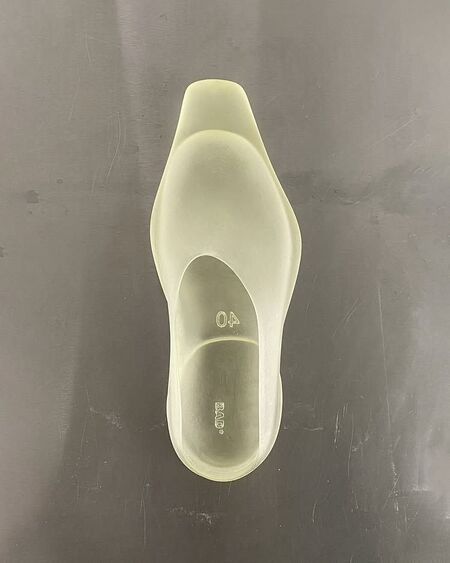
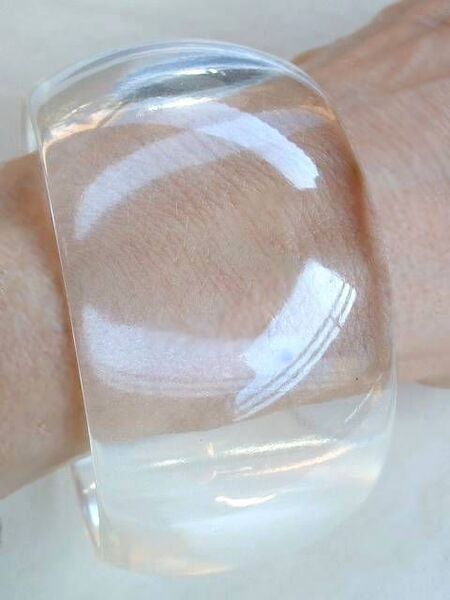
First Issue Topic
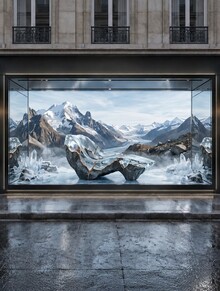
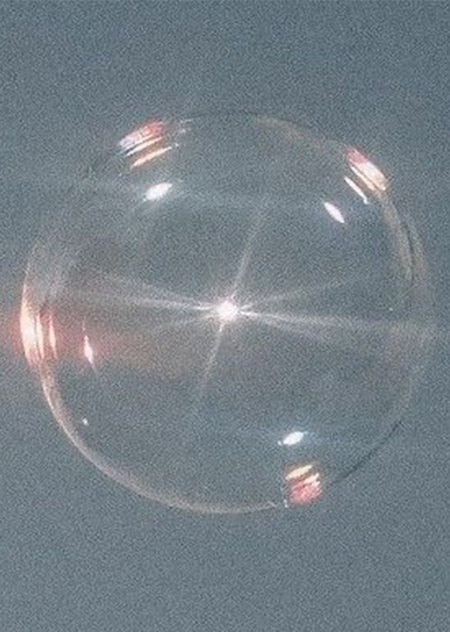
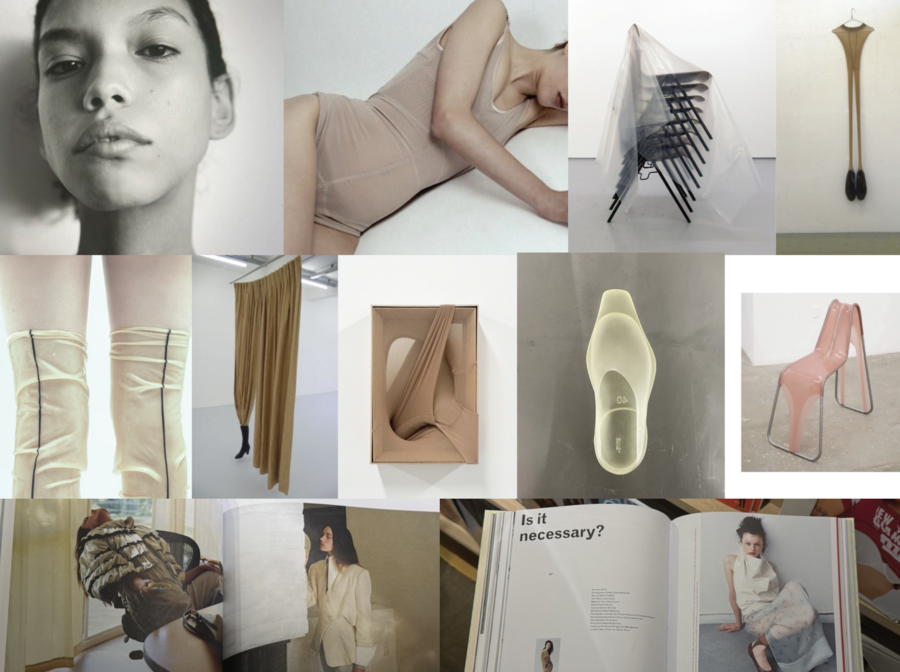
Transparency is becoming a noticeable phenomenon in modern fashion and simultaneously reflects a broader cultural shift: the visible/hidden, the open/private, the real/edited. In fashion, it manifests through sheer materials, exposed skin, visible layering, and undergarments. SHIFT explores not just the visual trend, but transparency as a means of speaking about modernity. Body—clothing—identity—digital environment—privacy.