
Шейдерная
TechArt & GameDev
«Shader» — the industry media for technical artists in game design
Media Mission: To bridge the gap between artistic vision and the technical limitations and complexities of the engine, helping developers create visually expressive games with stable frame rates.Business Goal: To establish a sustainable niche media community with an audience of 15,000 specialized professionals in the first year and achieve self-sustainability through specialized partnerships with game studios, courses, and software developers.Media Goal: To become the premier Russian-language resource for deep, applied analyses of optimization, shaders, procedural generation, and technical art, offering no superficial content.

Future Media Themes
Segment:— Reader Audience (B2C / Prosumers): Practicing professionals (technical artists, indie developers, 3D modelers) who consume content to advance their personal skill level and solve problems on projects;— Monetization Client Audience (B2B): Game studios and software companies that purchase native advertising for tools, job postings, and sponsorship of educational special projects.Niche Topic: Technical art, shaders, rendering, procedural generation, and asset optimization (Tech Art, VFX, Shaders, Engine Optimization)
Navigation and Formats:
★ Post-Mortem & Breakdown: Deconstruction of graphical features from specific games;★ Node & Math: Shader mathematics, analysis of node graphs, and writing custom shaders in HLSL;★ Optimization Deep Dive: Profiling checklists (RenderDoc, Unreal Insights), reducing memory overhead and draw calls;★ Pipeline & Tooling: Automating workflows between Blender/Houdini and the game engine using Python scripts
Competitors and their analysis
Distribution Channel
Core Platform: Telegram Channel.High-speed content consumption, ability to upload short shader video demonstrations (MP4/GIF), archives with source files, and code snippets without unnecessary feed algorithmic barriers.Secondary Platform (Knowledge Base): Notion / GitBook / Telegraph Website.Cataloging detailed breakdowns, saving code snippets, and maintaining a structured knowledge base organized by engine versions.Audience Entry Points: Thematic threads and analysis posts on Twitter and LinkedIn with a link to the full breakdown.Placing best guides in relevant communities for technical artists and on Discord servers dedicated to Unreal Engine and Unity.
Target Audience Description
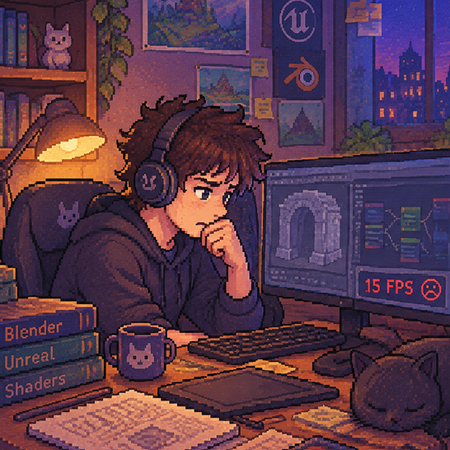
Artem, 26 years old — 3D Artist transitioning into Tech ArtContext: Skilled in excellent modeling and texturing, but the scene runs at only 15 FPS in the engine, and the shader nodes are proving difficult to master.Job Story: «When the art director requires adding a complex object dissolution shader, and the scene starts lagging, I want to find a complete breakdown of the node logic and mathematics so I can implement the effect without sacrificing performance.»
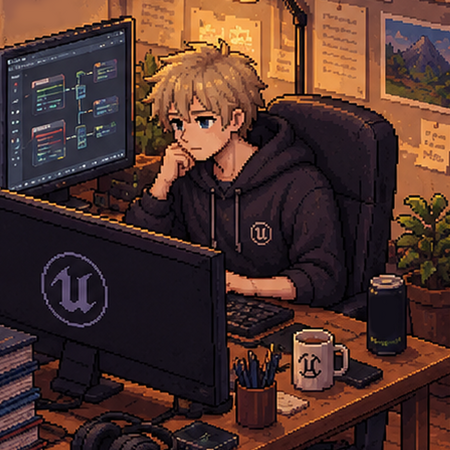
Denis, 22 — Solo Indie DeveloperContext: He is developing his project in Unreal Engine and is limited by time and budget, forcing him to take on all roles himself.Job Story: «When I need to set up procedural terrain and environment materials, I want an optimized, step-by-step pipeline so I don’t waste weeks reinventing the wheel.»
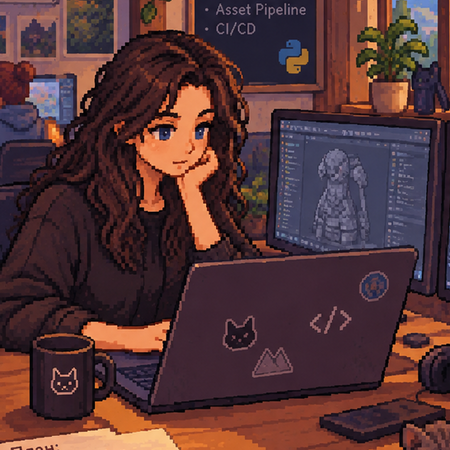
Sophia, 30 — Lead Technical Artist at the studioContext: She manages the team’s visual R&D, selecting cutting-edge graphical solutions to ensure the project matches modern industry release quality.Job Story: «When I need to approve the graphics stack for a new environment, I want to see an in-depth analysis of advanced shader technologies so I can implement a ready-made architectural solution in the studio’s production.»

Ilya, 28 — Gameplay Programmer / Graphics R&DContext: Writes game logic but frequently encounters challenges related to custom rendering and integrating effects provided by artists.Job Story: «When artists deliver overly engineered assets, I want to show them a clear checklist regarding draw call limits and mesh density so we can speak the same language.»
Unique Selling Proposition
1. «Nodes, Code, and Profiler Only»: A complete rejection of abstract interviews and industry gossip—every piece of content contains a reproducible setup (node graphs, material parameters, performance metrics).2. «Minus 50% Draw Calls»: Focus on optimization—we don’t just show beautiful graphics; we explain how to make them run at a stable 60 FPS on mid-range configurations.3. «Production-Ready Source Files»: Each breakdown includes ready-to-use asset files or code snippets that you can immediately integrate into your own project.