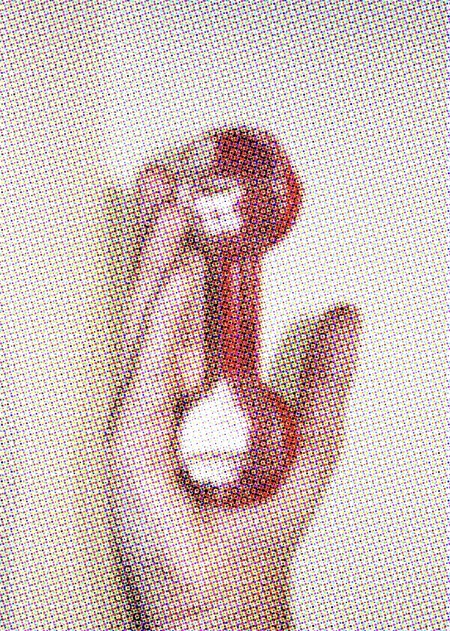
Concept
«+» (Positive) — a series of sound and visual works dedicated to the experience of living near loved ones who are HIV-positive. The project explores love, tenderness, physical intimacy, and the sense of responsibility that arises from the fear of losing those you love. Although the starting point of the work is the topic of HIV, the project primarily speaks not about the diagnosis, but about human relationships, care, and the anxiety that accompanies daily life.
Sound Installation «11»
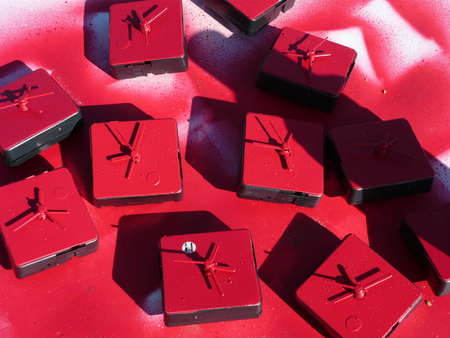
«11» — a sound installation created using eleven alarms, set to 11:00 AM and 11:00 PM Ekaterinburg time.
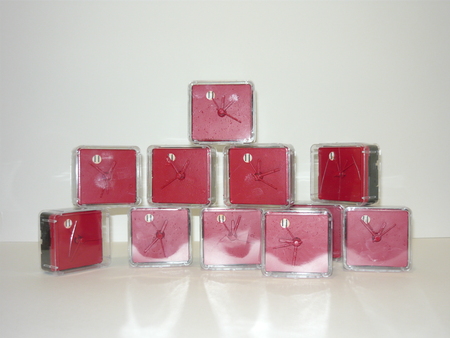
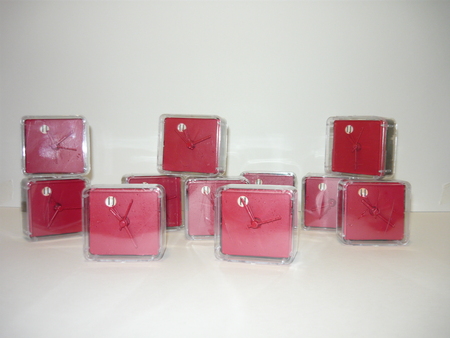
During this time, my loved ones take antiretroviral therapy daily. To an outsider, this might seem like just two moments in a day, but for those who live nearby, they become points of constant waiting and monitoring. Therefore, all other hours are absent from the clock face. Only eleven exists.
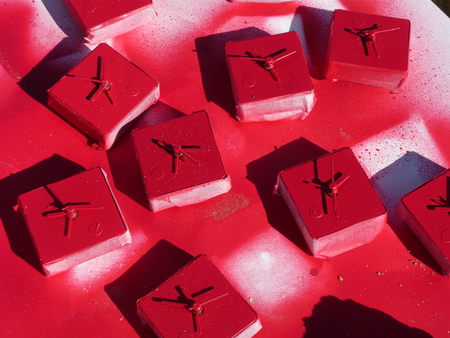
The web version of work «11» was created to maintain accessibility to the installation outside of the exhibition space. Since many cultural institutions are closed when the alarms activate, the work was migrated to the digital medium.
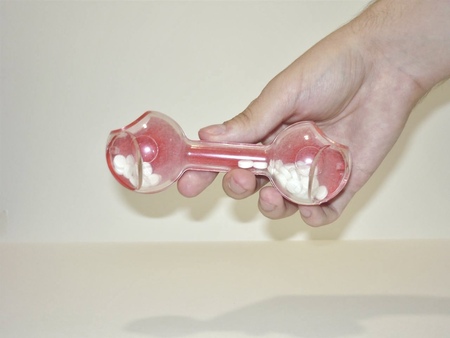
Sound object «same.different.»
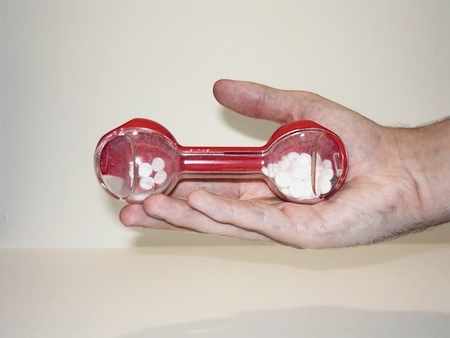
This work addresses the theme of a child’s experience confronting difficult life circumstances. Both I and a close loved one were children when HIV became a part of our lives. For one, pills were a necessary condition for life; for the other, they were a source of anxiety and a constant reminder of the possibility of loss.
By connecting an object associated with safety and care to medical preparations, the work highlights the contradiction between childhood as a time of carefree innocence and the necessity of confronting issues of illness, responsibility, and fear significantly earlier than is typically expected.
Video Art «A Kiss on a Cheek»
Despite advancements in medicine and increased information accessibility, many fears and misconceptions about HIV still persist. One of the most common is the belief that physical intimacy with an HIV-positive person is inherently dangerous.
The work explores the gap between medical knowledge and collective perceptions, and it questions how fear influences our perception of other people.