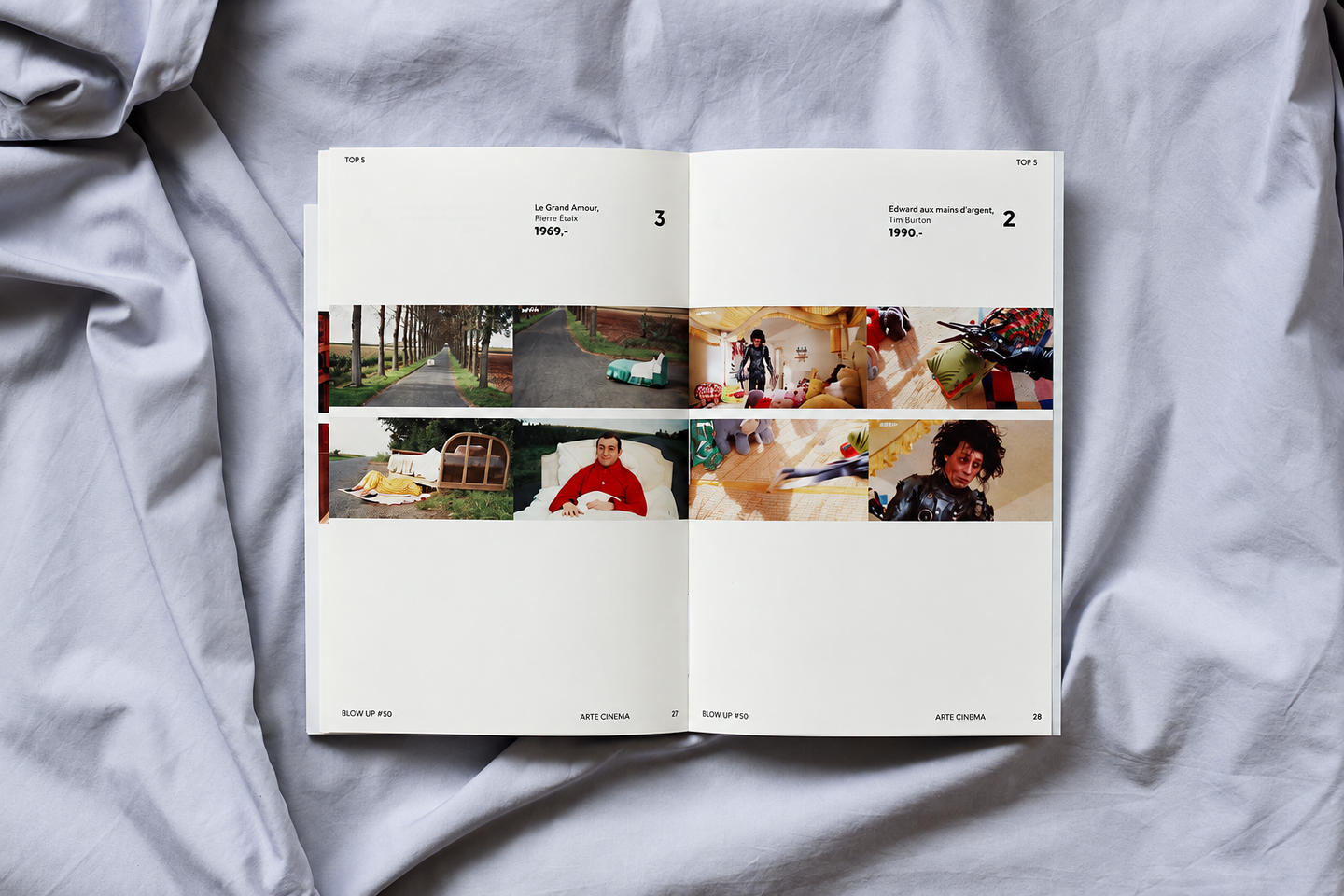
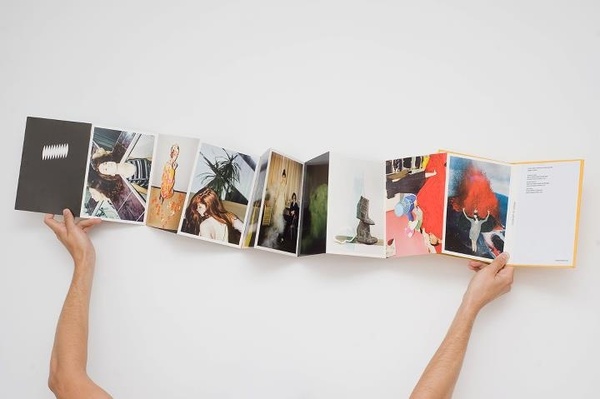
SEQUENCE is a media platform dedicated to photozines—independent photographic publications that exist at the intersection of photography, design, and self-publishing.
The media reports not only on the zines themselves but also on the authors, visual languages, the creation process, printing, layout, and collecting culture. «SEQUENCE» is not media about photography through photocollages, but media about photocollages as an independent cultural object.
Media Objective
The goal of our media is to introduce people to the world of photocollages and show that photography can exist beyond the gallery, social media, or exhibition. Sometimes, several photographs compiled into a small, independently published zine can tell a story that is much more compelling and personal.
You don’t need to be a photographer, designer, or someone already versed in contemporary art to be interested in this photobook. Our media is a space you can enter simply out of curiosity: to look at unusual photographs, learn about the artist’s history, understand how the book is constructed, or find an idea for your own project.
Media Topics
Our media falls within the B2C segment and sits at the intersection of several disciplines: photography, independent publishing, visual culture, and self-publishing. The main theme of the project is photobooks—small, author-driven publications where photography, design, and the physical form of the book collaborate to tell a story.
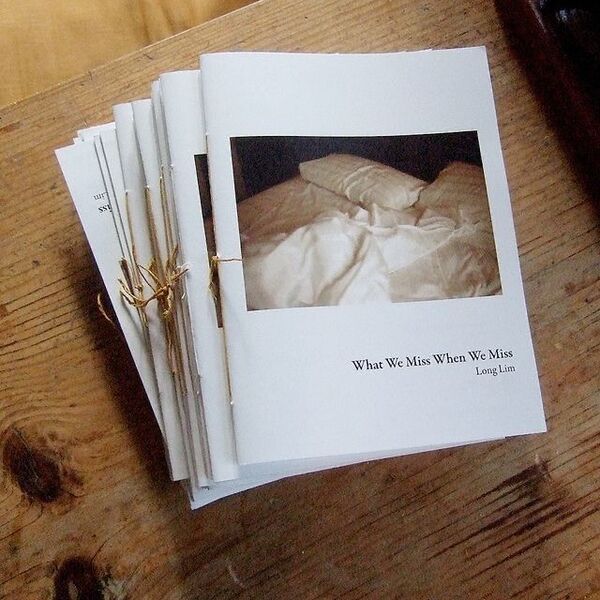
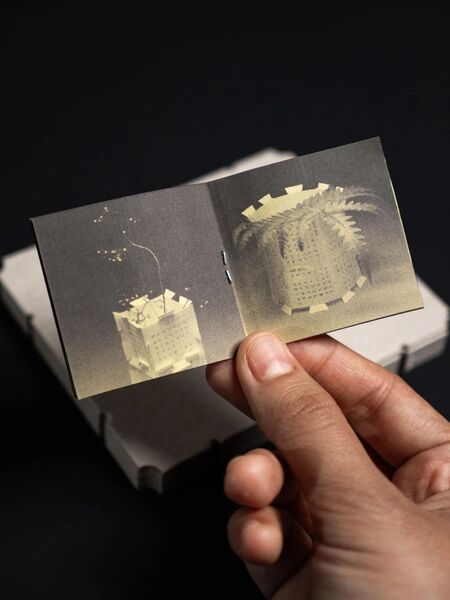
The platform is designed not simply to showcase beautiful images. Rather, its purpose is to illustrate the entire creation process of a zine: from the initial creative concept, through photography and image selection, to the layout and printing of the final copy. We want the reader to understand how several photographs transform into a book that conveys the author’s thought and atmosphere—while also experiencing the aesthetic of self-publishing and personal curation.Photo-zines are the core content of our media. We focus on the craft and self-sufficiency of these publications, on how authors transmit their ideas through a visual language without intrusive commentary.This allows the same platform to fulfill several functions: simultaneously serving as a review magazine, a visual gallery, and a zine catalog, as well as a community for lovers of artistic photography. Thus, our media exists at the intersection of an online publication, a catalog, and an interactive library of visual stories about the lives and work of creators.
Potential publication topics:
Zine Breakdown — ideas, photography, design, and materials.
Authors — interviews and creation stories.
Process — from shooting and selecting shots to printing.
Guide — where to look for, buy, and create zines.
Interactivities — a virtual layout editor, «build your zine.»
Visual Stories — personal photo projects and digital zines.
Competitors
For our competitive analysis, we examined media and projects operating at the intersection of photography, photobooks, independent publishing, and visual culture. We analyzed the projects' websites and social media presence, publication formats and themes, visual presentation, tone of voice, and methods of engaging with the audience.
When selecting competitors, the following criteria were used:
1. Thematic Proximity — how the project engages with photography, photobooks, zines, and independent publishing.
2. Content Formats — reviews, interviews, visual narratives, publication analyses, and content about the creation process.
3. Platforms and Tools — website, social media, video, Stories/Reels, collections, and interactive formats.
4. Visual Style — work with photography, typography, layout, video, and overall brand aesthetics.
5. Tone of Voice — the character of communication with the audience: expert, editorial, personal, research-based, or more mass-market.
6. Audience Engagement — methods to stimulate interest, saves, discussion, and interaction with the content.
7. Content Uniqueness — what niche the project occupies and how thoroughly it explores the creation process of original publications.
Among direct competitors, we can highlight PhotoBook Journal, Conscientious Photography Magazine, and Analog Forever Magazine.
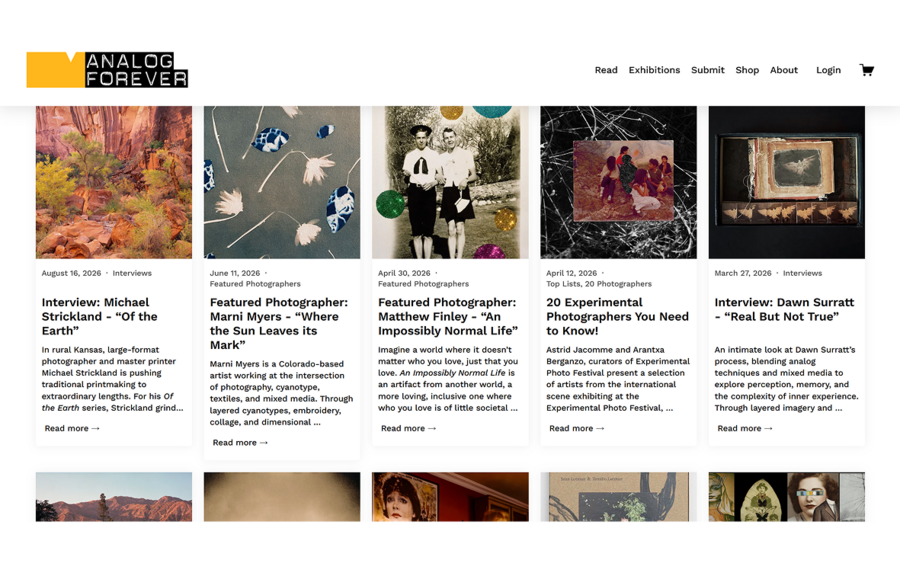
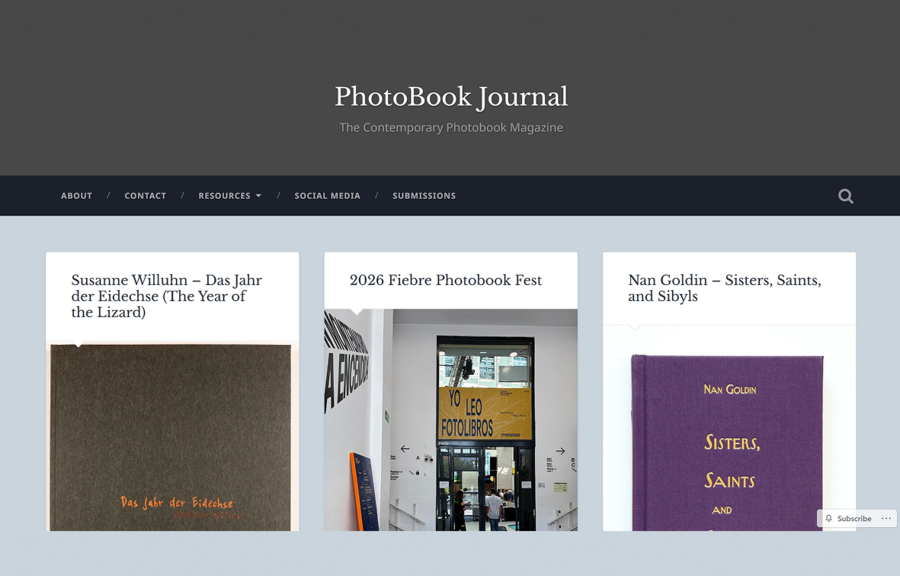
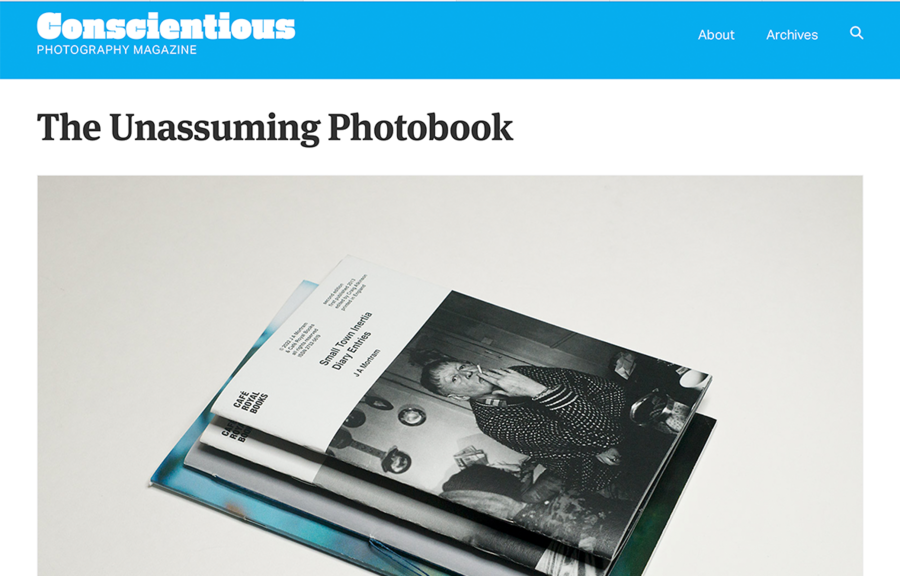
They work in the same field—photography, independent publications, and photobooks—publishing reviews, interviews, and author stories. But what is important is that they are not strictly a media outlet focused only on photo magazines; primarily, they discuss photobooks, journals, and photography in general.
1. PhotoBook Journal
Focuses on photobooks and independent publications. Core formats include reviews, interviews with authors, and articles about new books.
Similarity: shared audience, photography, and independent publishing formats.
Difference: the project primarily covers finished photobooks, whereas our media will document the entire creation process of the photozine—from concept to printed edition.
2. Conscientious Photography Magazine A media platform focused on contemporary auteur photography, photographers, and visual culture. Significant attention is given to the artist’s personal statement and the context of their work. Similarity: independent photography, auteur projects, deep editorial curation. Difference: The photo magazine is not the central object of the media. Our project will be built precisely around the zine format as an independent artistic and publishing statement.
3. Analog Forever Magazine
A media outlet focused on analog photography, photographers, and visual culture. It utilizes a magazine format, blending editorial content with visual material.
Similarities: Photography, physical medium, authorial approach, and visual aesthetics.
Differences: The project’s primary theme is analog photography, rather than photobooks and their creation process.
Indirect competitors include Aperture, British Journal of Photography, and LensCulture.
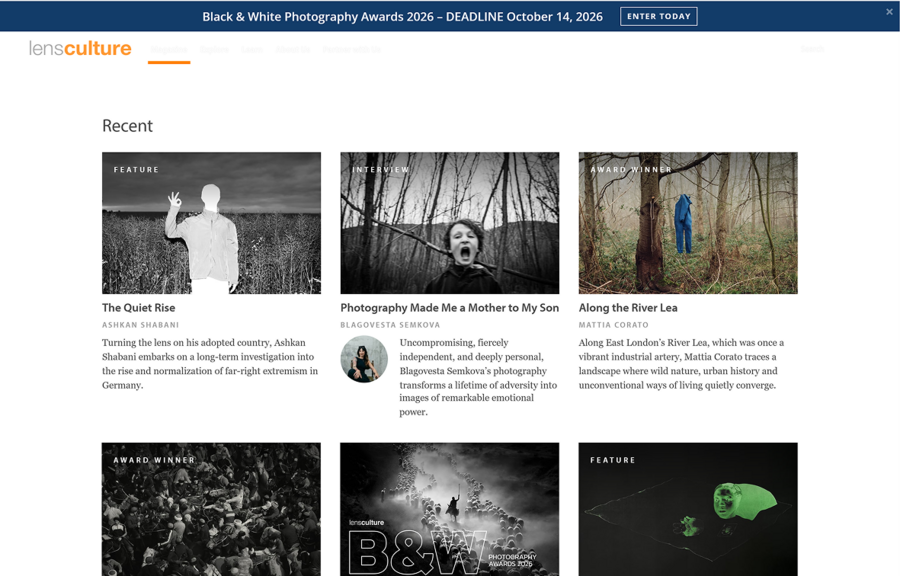
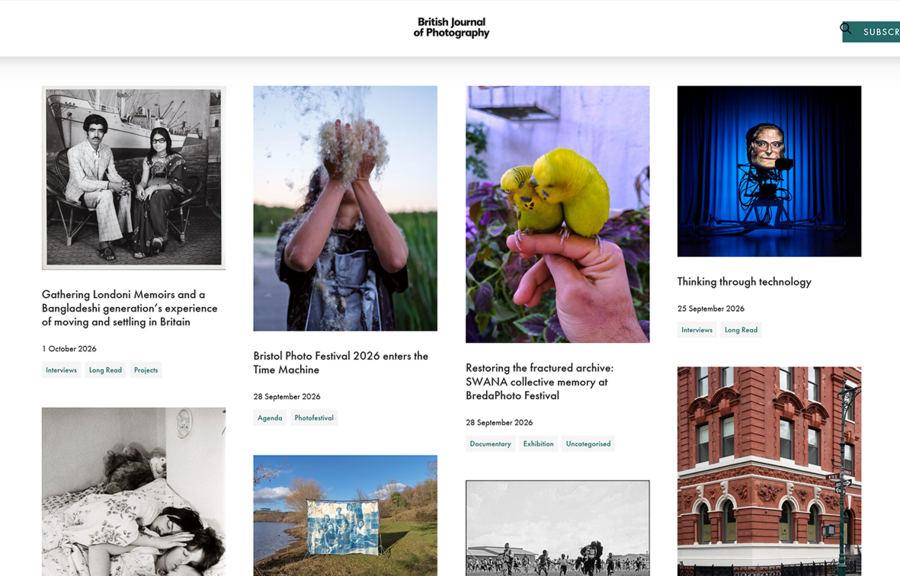
These are larger photographic media platforms where photobooks and independent publications are just one part of the content.
1. Aperture
Focuses on contemporary photography, photobooks, exhibitions, artists, and visual culture.
2. British Journal of Photography
A major photography media outlet that combines news, interviews, author projects, reviews, and professional content.
3. LensCulture
An international platform for contemporary photography featuring numerous interviews, photo projects, contests, and educational content.Similarity: They overlap in audience and interest in contemporary photography and authorial projects.Difference: In these media, photobooks and independent publications are merely one part of a broader thematic field. In our project, the photozine becomes the central object of study and the primary unit of content.
A separate group consists of projects that are not direct competitors today but could compete for the attention of the same audience as the field of photobooks, self-publishing, and visual culture develops.
These include: — independent publishing houses and photo book stores; — platforms and catalogs of author publications; — photographers' and visual artists' blogs; — YouTube and Telegram projects focused on photography and photo books; — online platforms dedicated to self-publishing and artist books. Their potential threat lies in their ability to satisfy specific audience needs—such as discovering new authors, finding inspiration, purchasing zines, learning, or understanding the self-publishing process.
Analysis shows that most projects utilize a similar content model: finished photo project → interview or review → visual publication. However, the process of creating a physical publication often remains out of view. It is rarely shown in detail how the author: formulates the idea → shoots the material → selects photographs → structures the sequence → designs the layout → chooses the paper and printing method → receives the finished zine. This is precisely where the opportunity lies for our media to differentiate itself.
Insights from Competitive Analysis1. Process as a Differentiator
Competitors primarily showcase finished photobooks. We can reveal the entire journey: idea $\rightarrow$ shoot $\rightarrow$ selection $\rightarrow$ design $\rightarrow$ print.
2. Visuals + Interactivity
We can leverage the strong visual presentation of our competitors, but enhance it with video, page-flipping, printing details, and interactive elements.
3. One Zine—Multiple Content Streams
A single project can be transformed into a series of materials: the author profile, the shoot, the layout, the materials, the printing, and the final zine.
4. From Media to Catalog
The platform can function not only as a magazine but also as a catalog of authors and zines, allowing users to discover new publications and learn about their history.