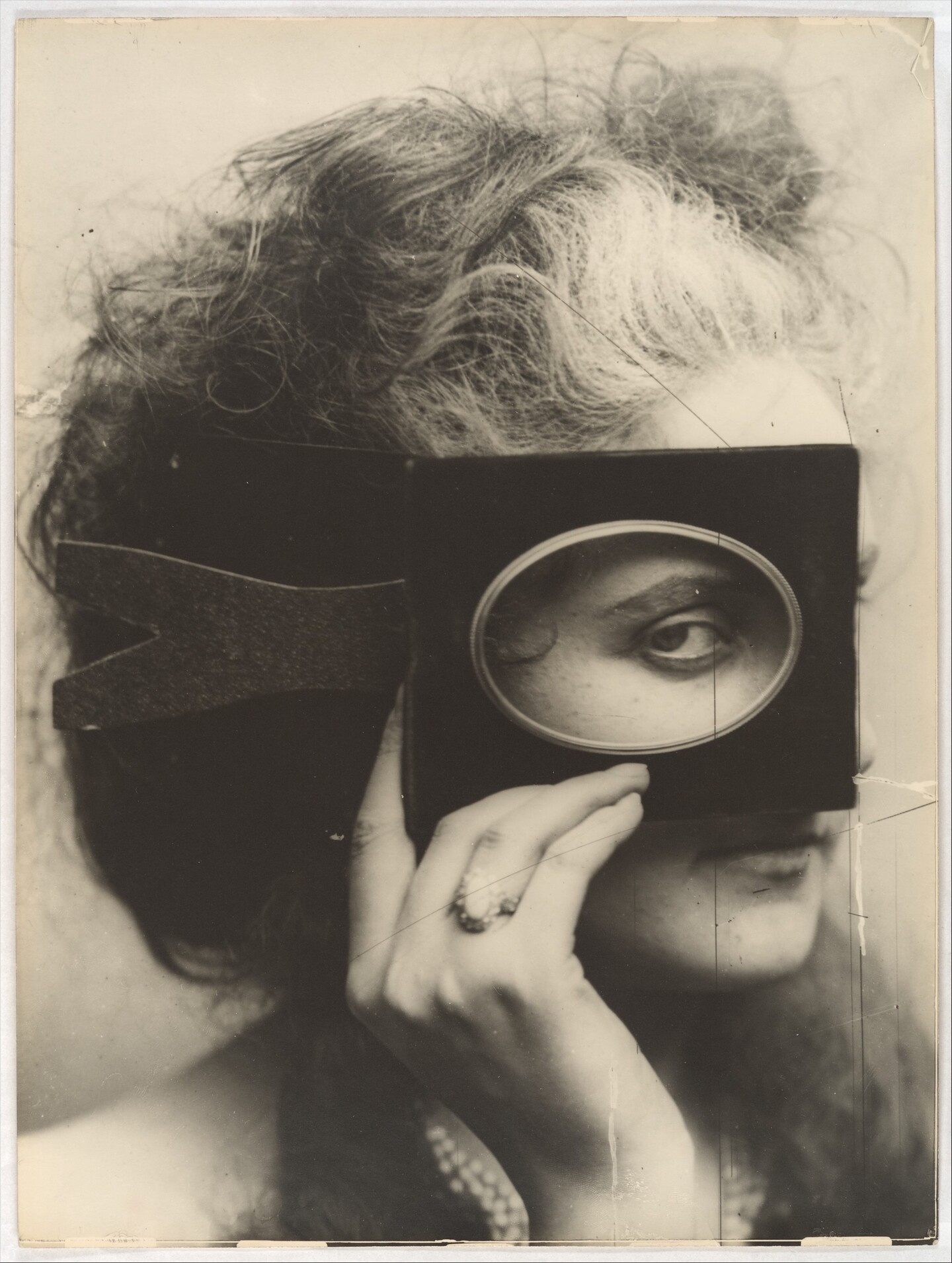
SENS
Медиа-практика для исследования восприятия и формирования собственного творческого метода.
Problem
For a creative individual, accumulating knowledge, references, and techniques is not enough. A crucial part of creative development is understanding how they themselves see, perceive, select, and interpret the surrounding world.
The creative process is inherently individual: artists employ diverse strategies, interact with materials and their environment, and gradually develop their own working methods.
Studies of creative practice view this not merely as the production of an outcome, but as an independent method of inquiry and knowledge generation.
SENS arises from the question: Can one develop one’s own creative thinking through the systematic study of perception?
Context
The contemporary creative environment offers a vast array of ready-made images, techniques, and modes of operation. However, having inspiration does not equate to possessing one’s own method.
For a novice artist or designer, the problem often lies not in a lack of ideas, but in the fact that a personal way of transforming observations into ideas—and ideas into creative solutions—has not yet been formed.
Research into the artistic process shows that creativity is connected not only to the final result but also to individual strategies of inquiry, experimentation, interaction with materials, and the formulation of personal challenges.
The Goal of SENS
To help the creative individual explore their own perception, experiment with it, and gradually form a personal creative methodology.
SENS does not offer a universal formula for creativity. On the contrary, its purpose is to create the conditions under which an individual can discover their own ways of observing, thinking, and creating.
How Media Works
SENS is built around practice.Each material becomes a small investigation: the user receives a prompt, observation, or exercise, completes it, documents their own experience, and analyzes the resulting output.
observe → experiment → document → reflect → create
This exercise becomes not just an assignment, but a way to learn more about one’s own creative process.
Theme
SENS explores perception as the foundation of creative methodology.The media addresses themes such as:
Perception — how we see, hear, feel, and select information.
Materiality — how interaction with materials influences thought and creation.
The Body — how embodied experience becomes a source of creative solutions.
Observation — how to learn to notice what usually goes unnoticed.
Experimentation — how changing habitual methods opens up new solutions.
Individual Method — how repeated observations and experiments gradually transform into one’s own creative language.
The concept is based on the idea of creative practice as an investigative process, where experience, action, and creation can become sources of new knowledge.
Competitive Landscape
SENS sits at the intersection of several formats: an artistic journal, an educational media platform, and a practical toolkit.
Today, the necessary materials exist, but they are fragmented: physical practices are in one set of resources, interviews with artists and designers are in another, observation exercises and creative thinking development are in a third, while professional advice and research reside in educational projects.
SENS unites these formats within a single media platform, connecting them through a common theme—the exploration of perception and the development of one’s own creative methodology.
Therefore, SENS’s competitive landscape consists of several groups:
Creative journals and media offer cultural context, interviews, visual material, and new ideas.
Educational platforms provide knowledge, techniques, and professional tools.
Interactive journals and practice books transform reading into action through assignments and experiments.
Media focused on the body, mindfulness, and self-exploration engage with embodied experience, attention, and perception.
SENS integrates elements from all these formats, but structures them around one cohesive goal: not simply to acquire new information or complete an exercise, but to better understand one’s own ways of perceiving, thinking, and creating.
Competitor Examples
Kinfolk
Kinfolk—an international media platform covering culture, lifestyle, design, art, and the creative sphere. The magazine combines print and digital editions, featuring interviews, visual narratives, and thematic essays. Its topics range from design, fashion, and art to movement, rituals, education, well-being, and other facets of contemporary culture.What we are taking: a magazine model where diverse topics are unified by a common editorial concept and visual language.What is missing: reader engagement remains primarily at the level of passive reading and observation.SENS: retains the principle of the thematic magazine while adding a practical dimension—the content not only narrates perception and creativity but also prompts the reader to explore these concepts independently.
The Creative Independent
The Creative Independent — a media platform featuring practical and emotional content for creative professionals. The platform publishes interviews with artists, designers, writers, and other professionals, as well as essays, advice, and guides on creative work.What we offer: a combination of interviews, expert insights, practical tips, and content addressing the real-world challenges of the creative individual.What is missing: the various materials exist as separate publications and do not coalesce into a unified system for exploring perception and one’s own creative method.SENS: combines expert content with practical exercises so that users can not only learn about the experiences of others but also apply those lessons to their own practice.
Wreck This Journal