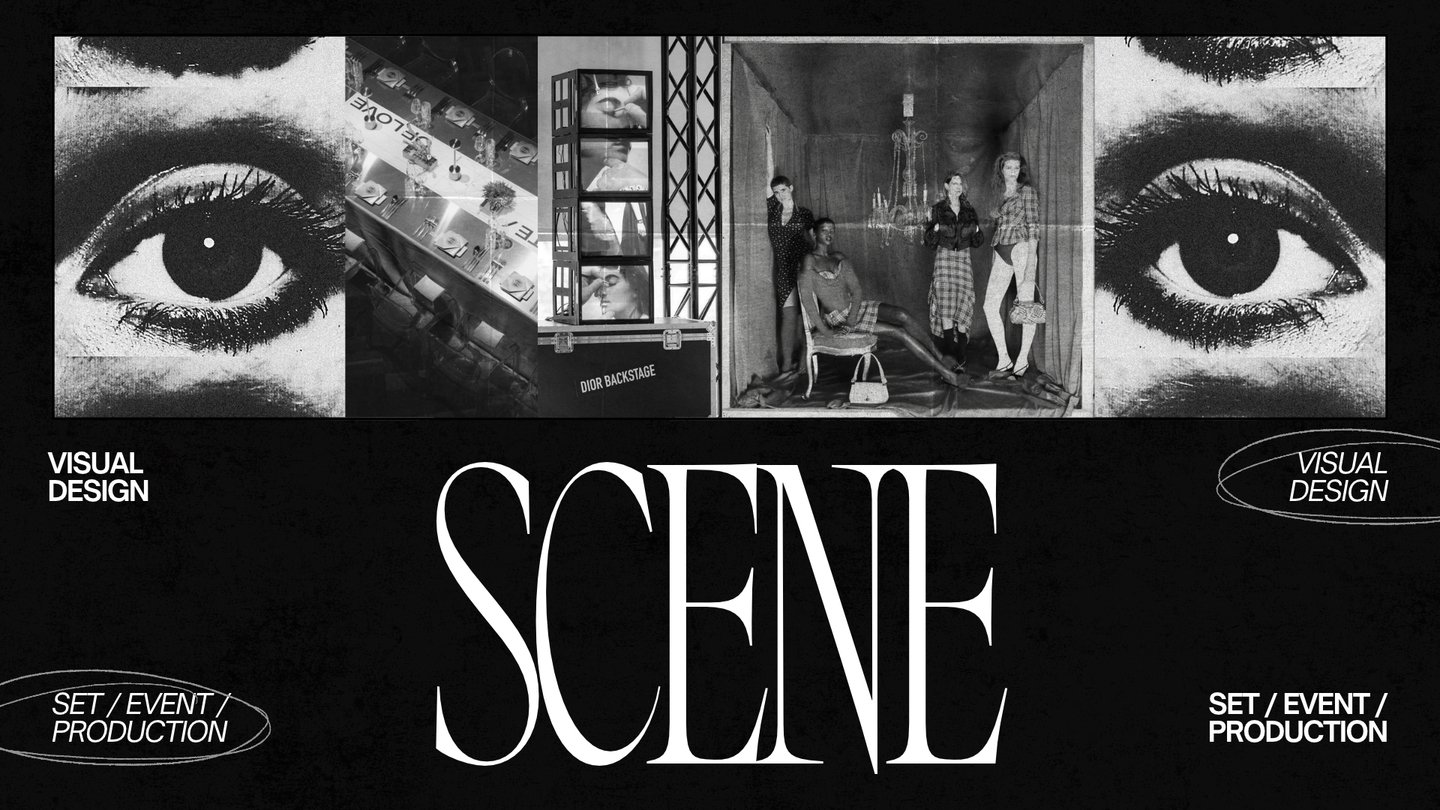
SCENE — visual media about how unforgettable events are created.
Media explores the visual culture of events: set design, spatial presentation, lighting, color, materials, decor, floristry, graphics, and human interaction with the environment. The focus is not only on the finished event but on the underlying idea behind its visual language.
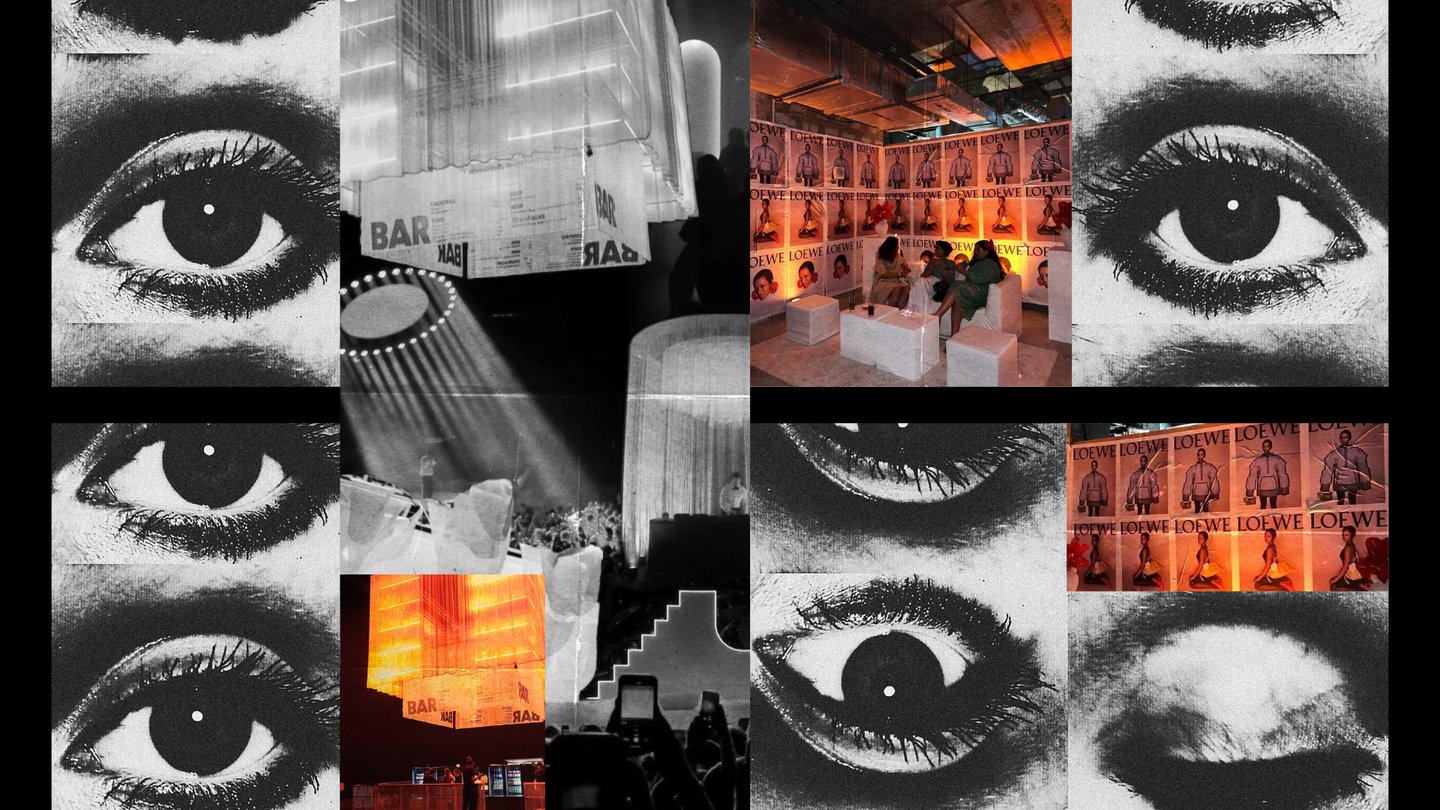
Fashion shows, theatrical performances, exhibitions, festivals, brand presentations, and other events are viewed as autonomous artistic statements. SCENE explains how design imbues space with character, evokes emotion, and shapes the viewer’s impression.
The project merges visual inspiration with professional analysis. It helps the audience not just save images they like, but understand why a specific solution works and how they can apply it in their own projects.
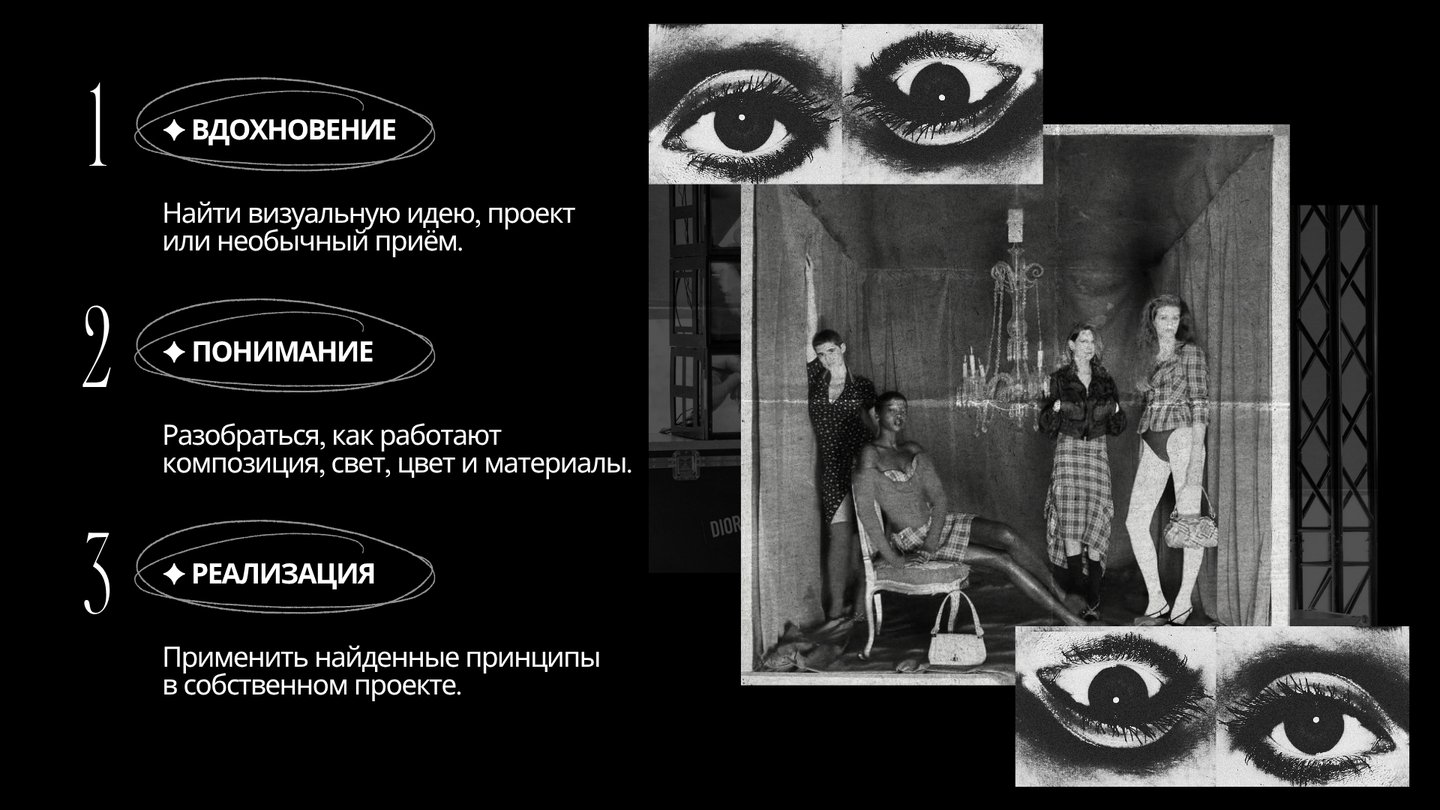
SCENE sits at the intersection of design, architecture, art, fashion, and the events industry. Unlike typical visual compilations, the media goes beyond merely showcasing beautiful projects—it analyzes their structure.
✦ MAIN SECTIONS
SCENE — primarily visual digital media. Key formats include articles with imagery, visual cards, short videos, interviews, and practical guides.
The editorial tone should be modern and aesthetic, yet avoid overly technical jargon. The texts should not merely describe what is seen but should help the reader analyze the visual environment independently.
✦ THEMATIC PLAN
The plan is set for six months of regular media production. Each month is dedicated to a distinct aspect of event visual design. The topics will gradually transition from familiarizing participants with the basics to analyzing complex projects and applying knowledge in practice.
The anticipated publication frequency is four pieces per month, totaling 24 core publications over six months. These may be supplemented with short visual notes and announcements.
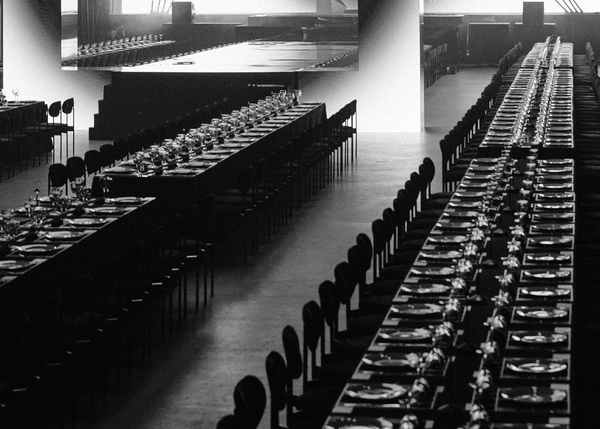
Month 1. Space as Expression
• What is event design
• How space shapes perception
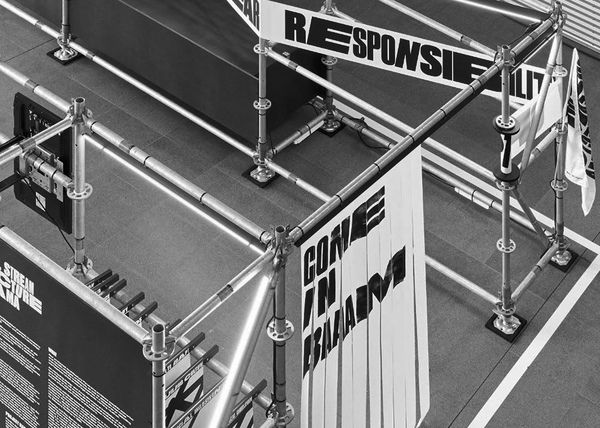
• Analysis of exhibition scenography
• 5 techniques for expressive design
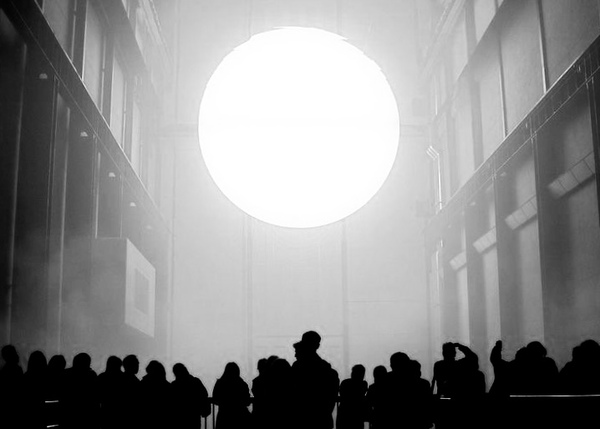
Month 2: Light and Atmosphere
• Light as a design tool
• The influence of color on perception
• Backstage lighting design
• Lighting scenarios for a single space
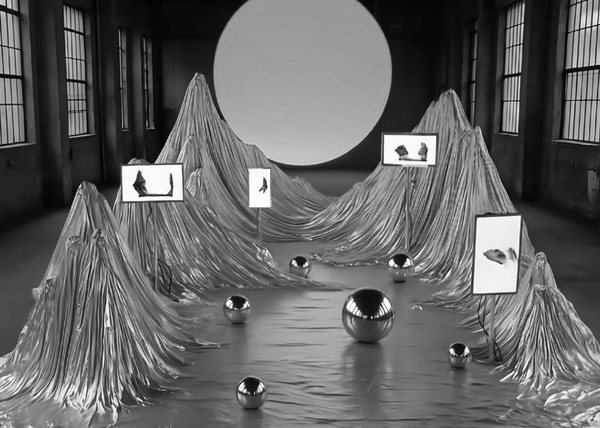
Month 3. Materials and Textures
- Working with textures in scenography
- Monochromatic spaces
- Analyzing the visual image of a fashion show
- Creating a mood board
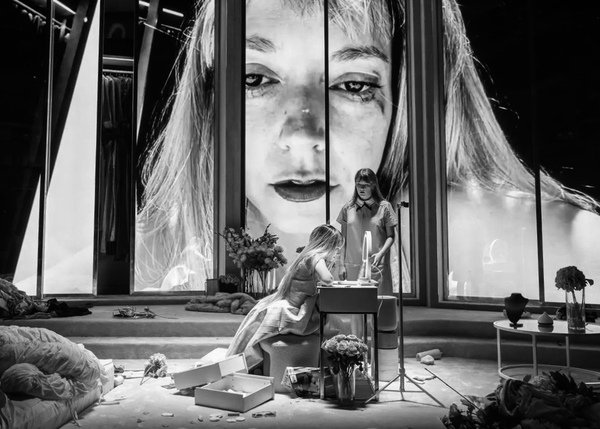
Month 4. The Human Within Space
• Visitor Journey Mapping
• Immersive Design
• Interview with a Set Designer
• User Experience Design
Month 5. The Event as a Brand Image
• Identity in Space• Product Presentation Design• Analysis of Pop-Up Spaces• Design Under Budget Constraints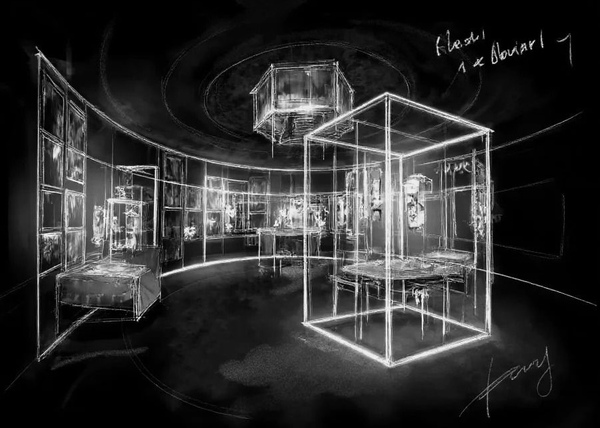
Month 6: From Concept to Execution
• From Sketch to Set Design• Sustainable Event Design• Project Development Phases• Outcomes: Key Visual TechniquesFrequency:
Four main publications per month, 24 materials per six months.Formats:
Analytical articles, visual collections, practical guides, interviews, video, and audio content.✦ 10 SCENE CONTENT EXAMPLES
1. When Space Becomes the Protagonist
Format: Article
Space is more than just a backdrop for an event. Light, scale, and composition help create an atmosphere and direct the viewer’s attention.
Space helps tell a story, create an atmosphere, and guide the viewer’s attention.
Lighting highlights important details, scale establishes a sense of grandeur, and materials define the character of the environment. With these elements, an ordinary room can be transformed into a piece of art.
The main idea: powerful scenography begins with the idea and emotion that needs to be conveyed to the audience.
Visuals: a general shot of the exhibition space, details of the set design, and lighting accents.
2. One Space — Three Moods
Format: Visual Carousel
Warm, cool, and contrasting light can completely alter the perception of a single room.
Card 1. Warm Light
Creates a feeling of coziness and intimacy. Ideal for dinners, small presentations, and social-focused events.Card 2. Cool Light
Lends mystery and a technological edge to a space. Suitable for exhibitions and experimental installations.Card 3. Contrast Light
Helps emphasize the main subject and establish a dramatic atmosphere.Card 4. One Tool—Different Outcomes
Lighting changes the perception of a space even without changing the decor.Visual: three photographs of similar spaces with different lighting scenarios.
3. How to Create a Moodboard for an Event
Format: Practical Guide
Five steps to a visual concept: idea, references, color palette, materials, and feasibility check.
A mood board helps transform an abstract idea into a visual concept.
5 Steps:
- Define the core idea and mood.
- Find references in architecture, art, and design.
- Select a color palette.
- Choose appropriate materials and textures.
- Assess the feasibility of the concept.
Visual: a mood board featuring photographs, material samples, colors, and sketches.
4. From Sketch to Space
Format: Visual Analysis
The scenography journey from initial sketch to finished structure: idea, model making, production, and installation.
How does an idea transform into realized set design?Stage 1. Concept. The core idea is formulated, and the mood of the event is defined.Stage 2. Sketch and Model. Composition, proportions, and object placement are tested.Stage 3. Production. Materials are selected, structures are calculated, and the scenery is prepared.Stage 4. Installation. Elements are placed in the space, and lighting and technical equipment are configured.Stage 5. Final Result. The realized space is checked against the initial concept.Visuals: sketch, model, workflow, and photograph of the finished space.
5. The Power of Textures
Format: Analytical Essay
Wood, metal, fabric, and concrete create different visual sensations. Their combination helps reveal the character of a space.
Materials have the power to transform the character of a space.
• Wood adds a sense of naturalness and warmth. • Metal creates graphic quality and emphasizes geometry. • Fabric helps form soft lines and pliable structures. • Concrete accentuates architecturality and surface expression.
Combining different textures allows for contrast even in the most minimalist spaces.
The core principle is: the material must not only look beautiful but also support the overall concept of the event.
Visuals: four close-up photographs of textures and an example of their combination in set design.