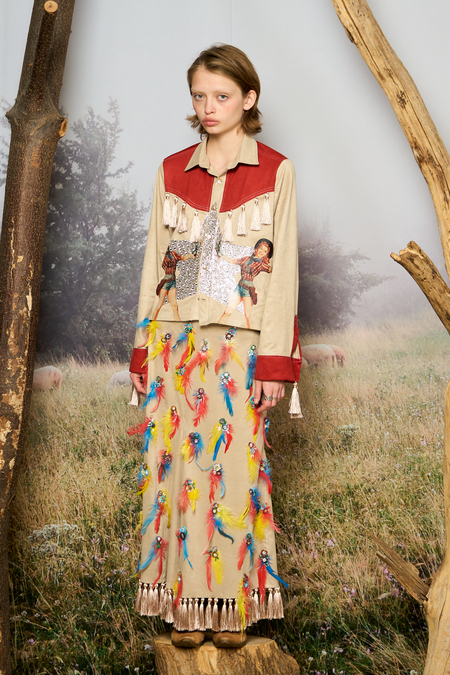
My culture is mass media culture
In the 1930s and 1950s, country music in the United States underwent an image transformation. On the Grand Ole Opry stage in Nashville, early performers were called «hillbilly”—a term for „country bumpkin.“ This image was „authentic, ” but sufficiently derogatory. For city-dwelling audiences and for artists striving to enter the mainstream of the entertainment industry, „hillbilly“ was something they wanted to shed.
Hollywood offered them a replacement. In shows like Buffalo Bill’s „Wild West“ and in popular Westerns of the time, the cowboy image was packaged as a „clean, positive, admirable American hero.“ Only the cowboy from the movies wasn’t a real ranch hand. There is a fundamental difference between the real cowboy and his romanticized on-screen counterpart—the first belonged to the lower social strata (not higher than Rednecks, from whose image country music distanced itself), whereas the second was a product of mass culture. But this didn’t matter to the listeners; with urbanization, the image became more important than authenticity.
While Westerns and shows still retained the shell of a Western narrative, this began to change with Nudie Cohn and the Rhinestone Cowboy. Nudie Cohn, a Jewish immigrant from Kyiv, started by sewing rhinestone-embroidered stage outfits for striptease and burlesque shows, and in 1940, he opened Nudie’s Rodeo Tailors in Hollywood. He introduced a new logic into country music: the meaning of stage wear was not fidelity to origins, but the ability to sparkle under the spotlight.
Substituting one’s image for a more appealing one is not unique to this country. For instance, we recently observed Gen Z showing interest in the early 2000s—a time they were just born—what we might call «borrowed nostalgia»: nostalgia for an era you never actually lived through. The mechanism of this nostalgia is similar to how rural audiences adopted the cowboy image in the last century: mass media offers a desirable, ready-made identity when your own background doesn’t feel cool enough. Yes, historically, the televised image may not measure up, but on screen, it is already presented as idealized. Often, the culture you identify with is the culture you were fed, not the culture you were born into.
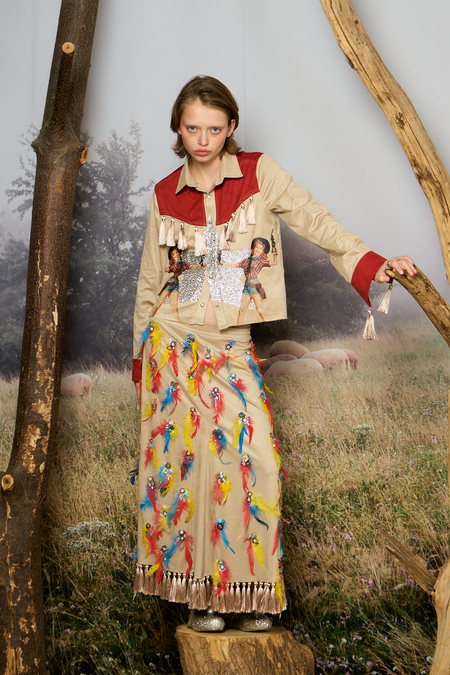
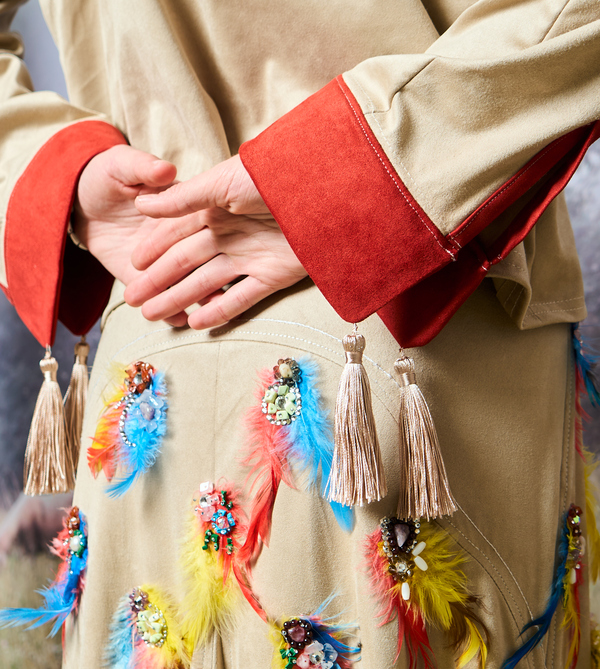
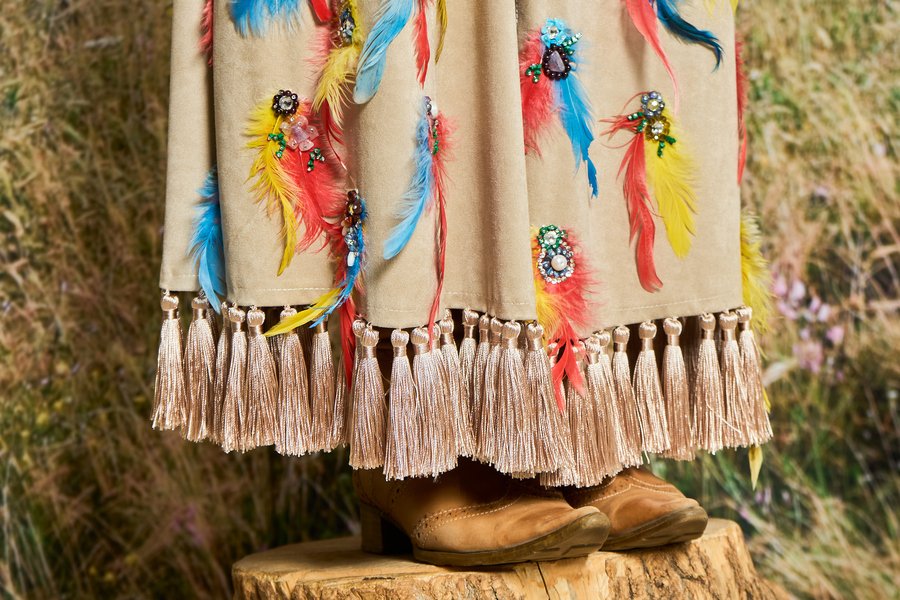
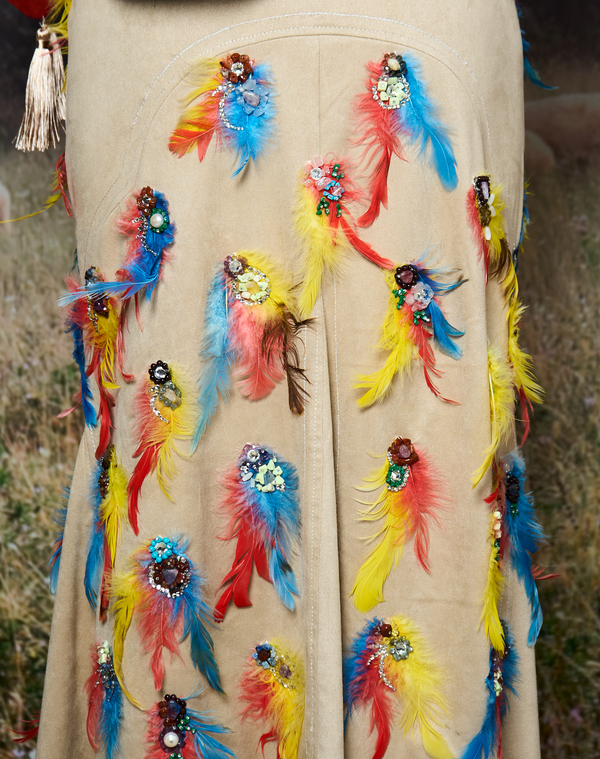
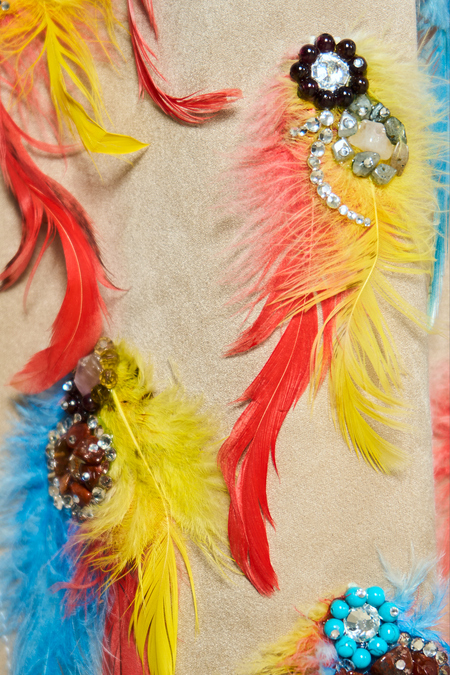
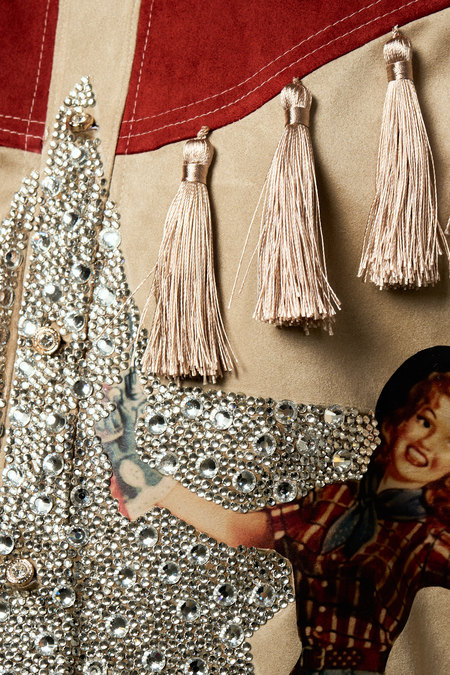
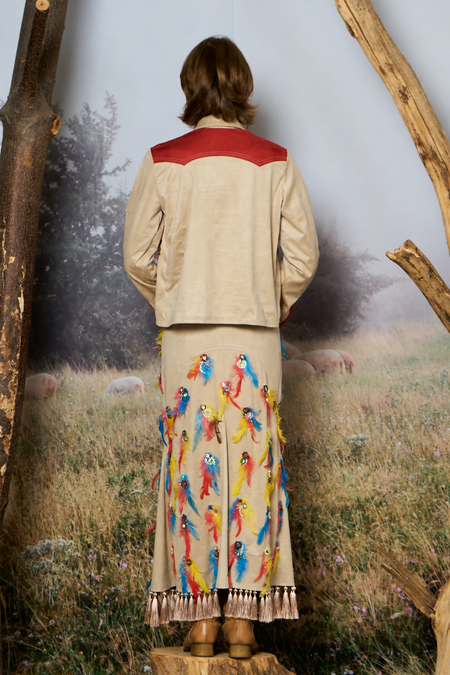
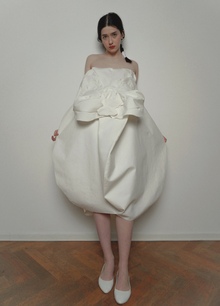
Photo: @korunets_ph
Model: @fozzimi