Реновация Ткацкой фабрики им. Ленина в Волоколамске
План работы над ВКР и структура визуального исследования
INDUSTRIAL HERITAGE
— This encompasses the collection of preserved material and immaterial evidence of industrial activity: factories, mills, mines, power plants, railroads, equipment, workers' settlements, industrial landscapes, documents, technologies, and the memory of the laborers. Its value is determined not only by age, but primarily by its historical, technological, social, architectural, and scientific significance. Rare, early, and unique examples are especially vital.
The primary principle of preservation is to conserve not just the individual building, but the entire industrial complex and its interconnected elements: machinery, layout, infrastructure, landscape, and historical context.
The optimal approach is to investigate and document an object before intervention, and then, if possible, preserve it in place. New use is permissible as long as it does not destroy the object’s historical or technological value. Thus, industrial heritage is important because it allows us to study not only the history of production and technology, but also the development of cities, economics, labor, and society as a whole.
HYPOTHESIS
For this object, we will discuss adaptive reuse—preserving the historical shell while adapting the building for new functions. The urban planning regulations of Volokolamsk allow for the reconstruction of capital construction objects, changes in their use, and the completion of corresponding procedures.
1. Museum
2. Boutique Hotel
3. Restaurant
4. Workshops
SPIRIT OF PLACE
Historical Overview
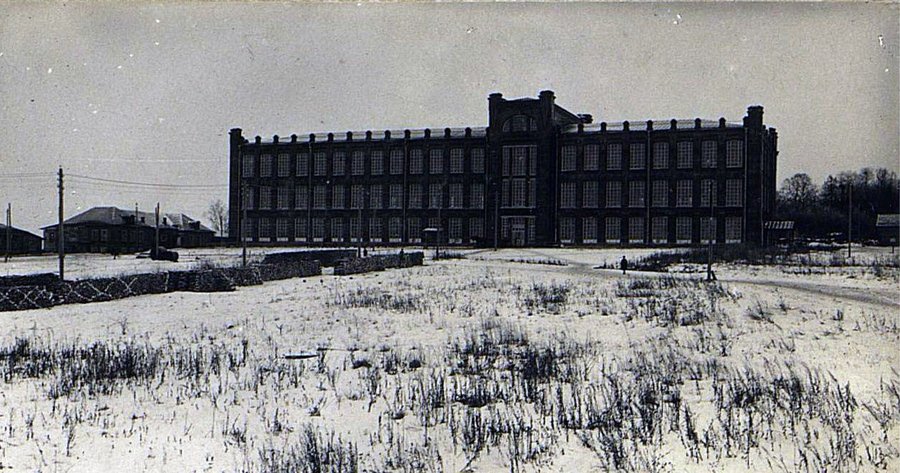
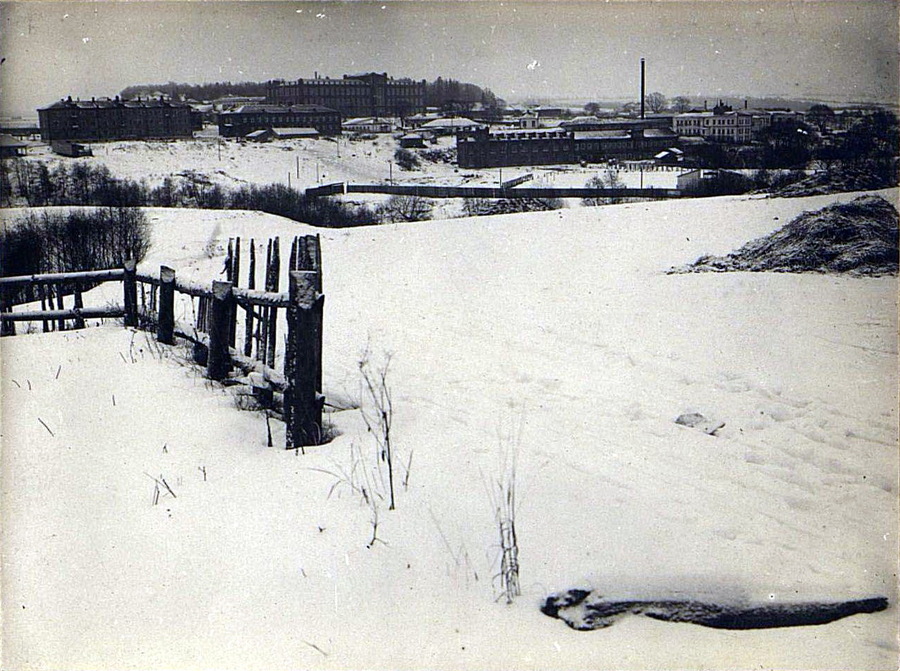
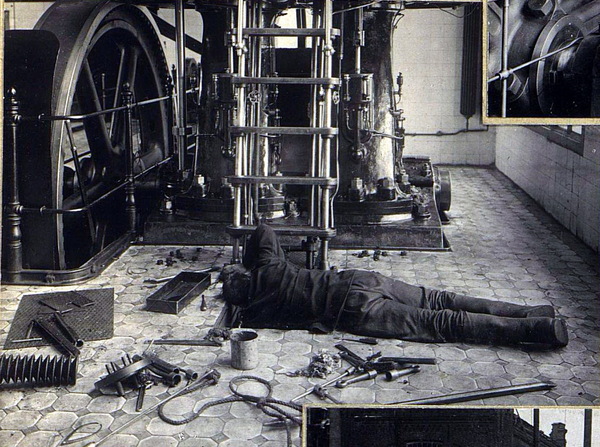
1882 — Merchant Egor Ivanovich Starshinov founded a weaving factory in the village of Shchyokino, approximately 3 km from Volokolamsk. By the early 20th century, it had become the largest industrial enterprise in the district.
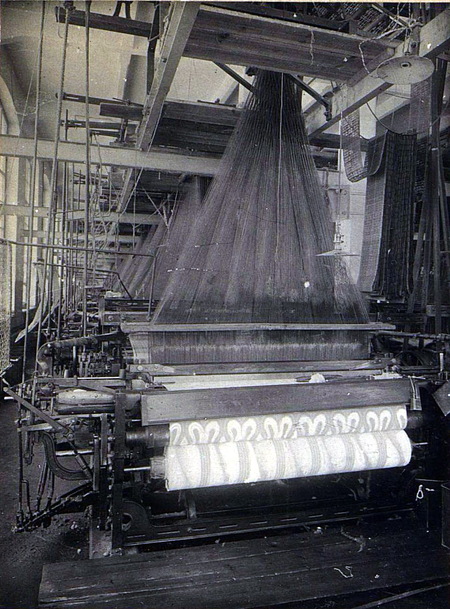
1912 — A three-story brick production building was constructed, housing 416 mechanical looms and 148 handlooms.
1922 — After nationalization, the factory was named after V. I. Lenin.
1929 — The workers' settlement of Smychka formed around the factory, complete with housing, a school, shops, and social infrastructure.
1938 — Approximately 2,000 people were employed at the factory.
1941–1944 — The factory suffered significant damage during the war and was subsequently restored. Production resumed in 1942; the factory specifically manufactured blankets for the front lines.
1981–1984 — A major reconstruction was carried out: a three-story addition housing 534 looms was built, along with an administrative and utility building and a boiler house.
1991 — The enterprise became the joint-stock company «Volokolamsky Textile.»
Now
The historic complex has been preserved and is primarily used for production, warehouse, and office spaces. The factory holds value as a monument to the industrial history of Volokolamsk and as the foundation for the surrounding workers' settlement.
Chapter Sections
- Analysis of the industrial complex
2. Site analysis in relation to the city
3. Context analysis
4. Decision on site clearing and addition of adjacent areas
SPIRIT OF THE AGE
Chapter Sections
- Analysis of the factory complex from an operational perspective today
2. Analysis of the city as a tourist destination
3. Analysis of the complex as industrial heritage
4. Analogues and Archetypes
Analogues and Archetypes
Analogs:
— Balashikha Cotton Spinning Factory
—
Archetypes:
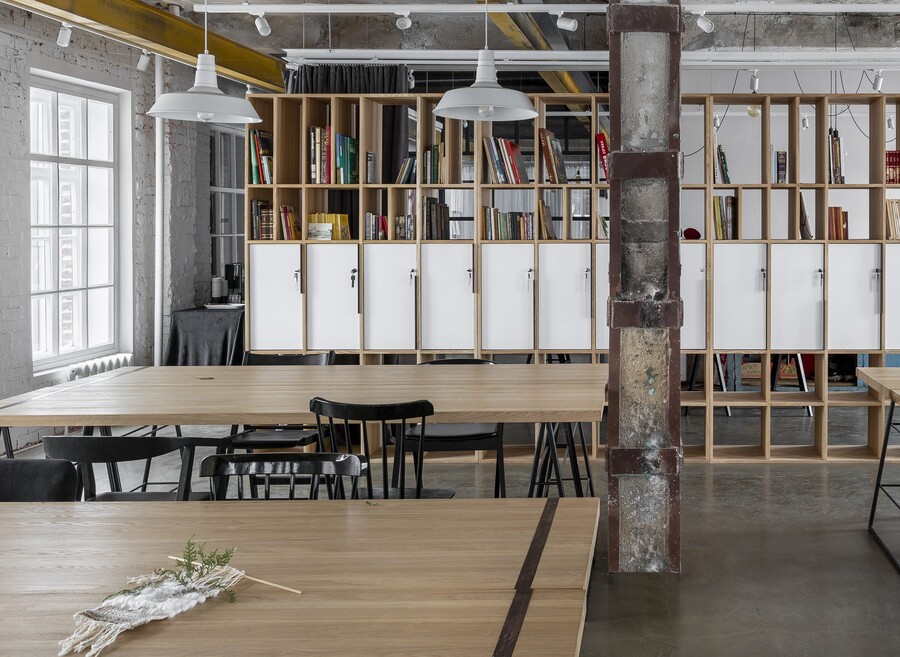
— Museum-Laboratory «Silk Factory» in Kolomna
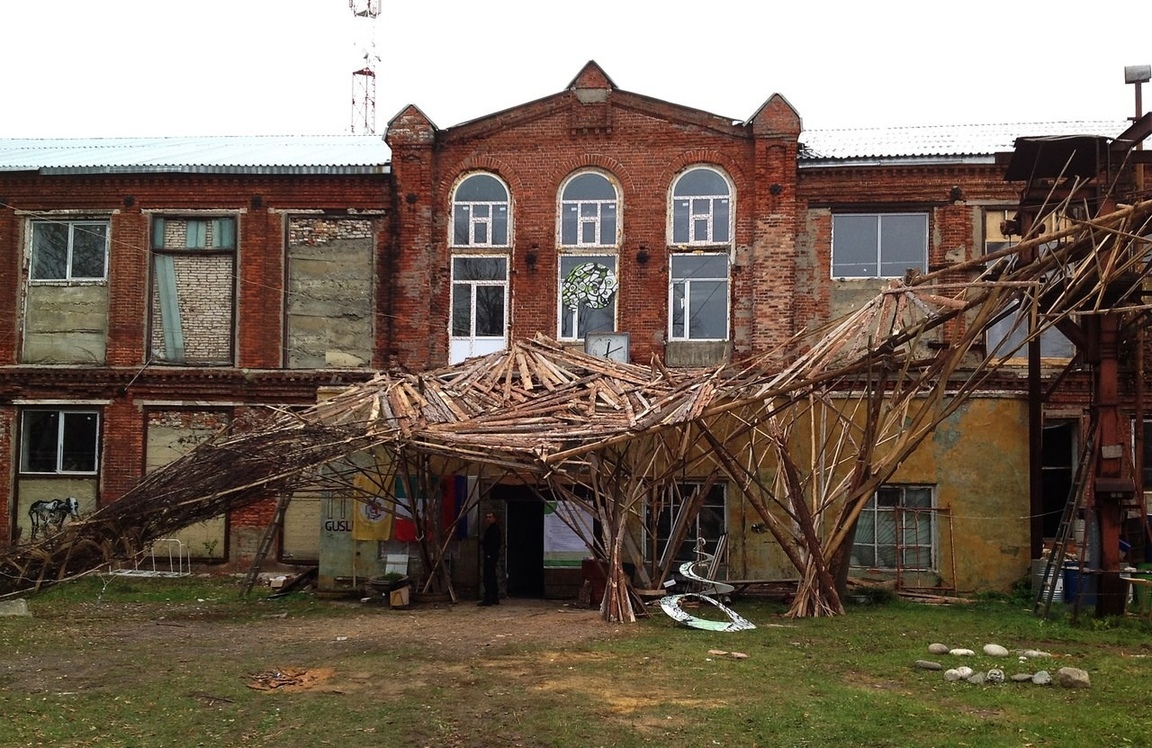
— «Guslitsa» Creative Estate
FINAL PROJECT WORK PLAN
September — October
— Topic Selection
— Data Analysis
— Material Gathering
— Section Creation
«Genius Loci» and «Zeitgeist»
— Recreating the Object’s Architecture
— Developing the Research Visual Code
2. November–December