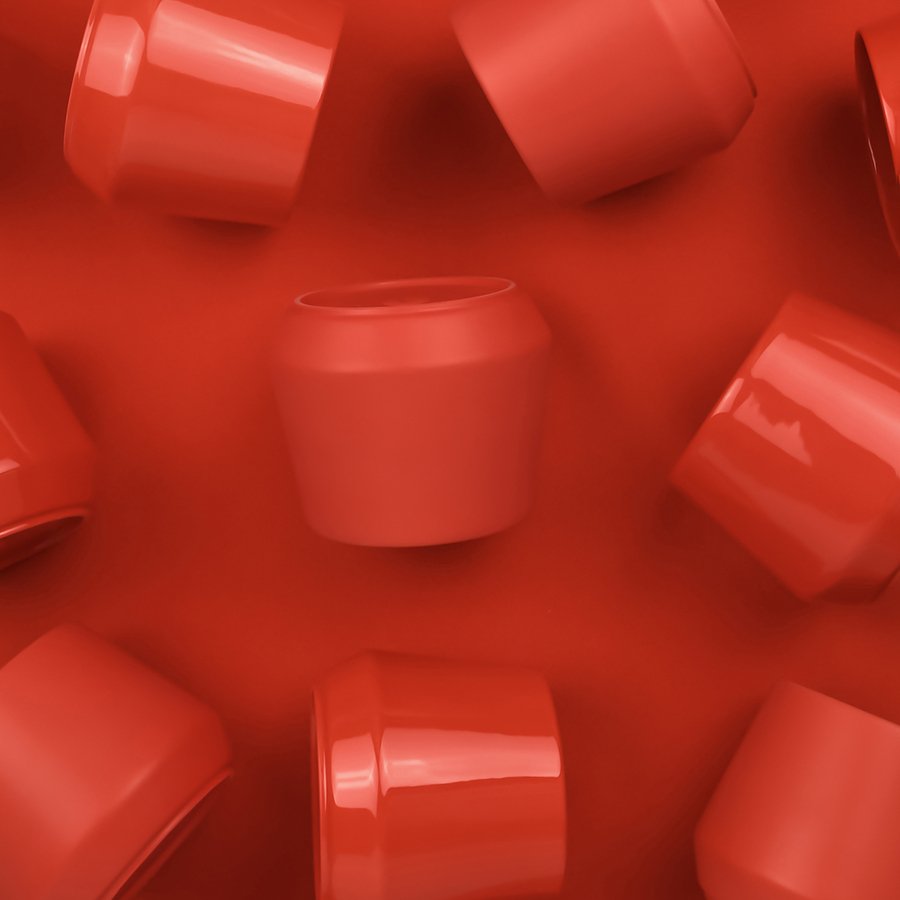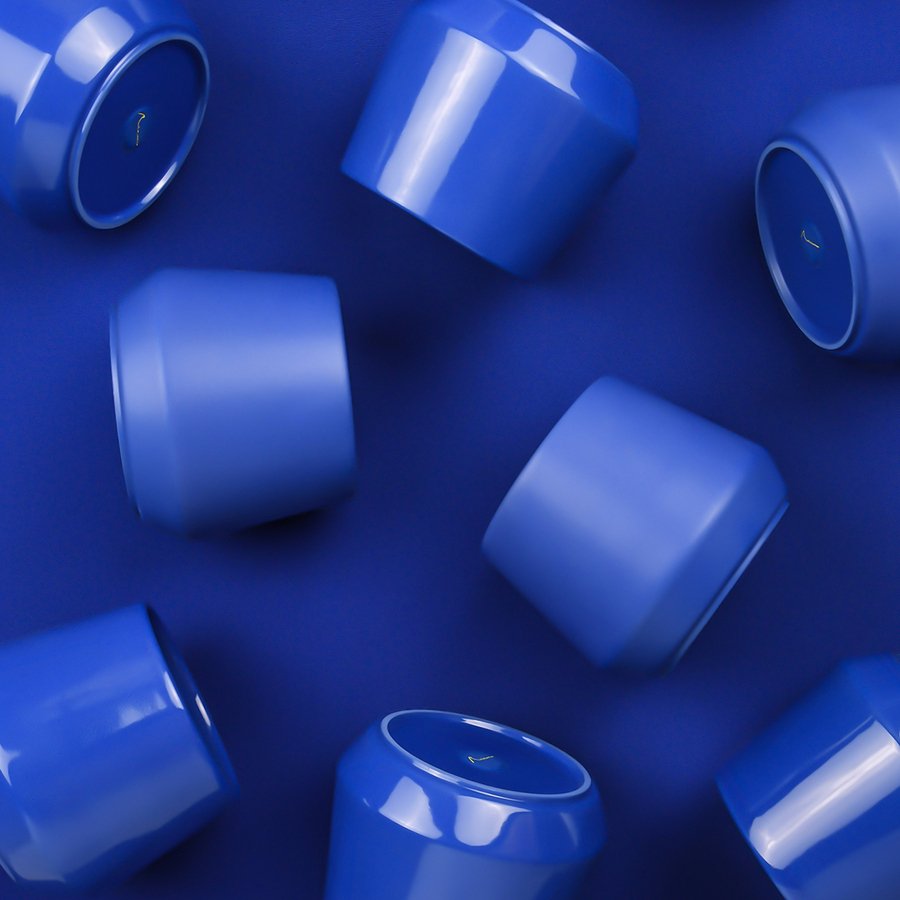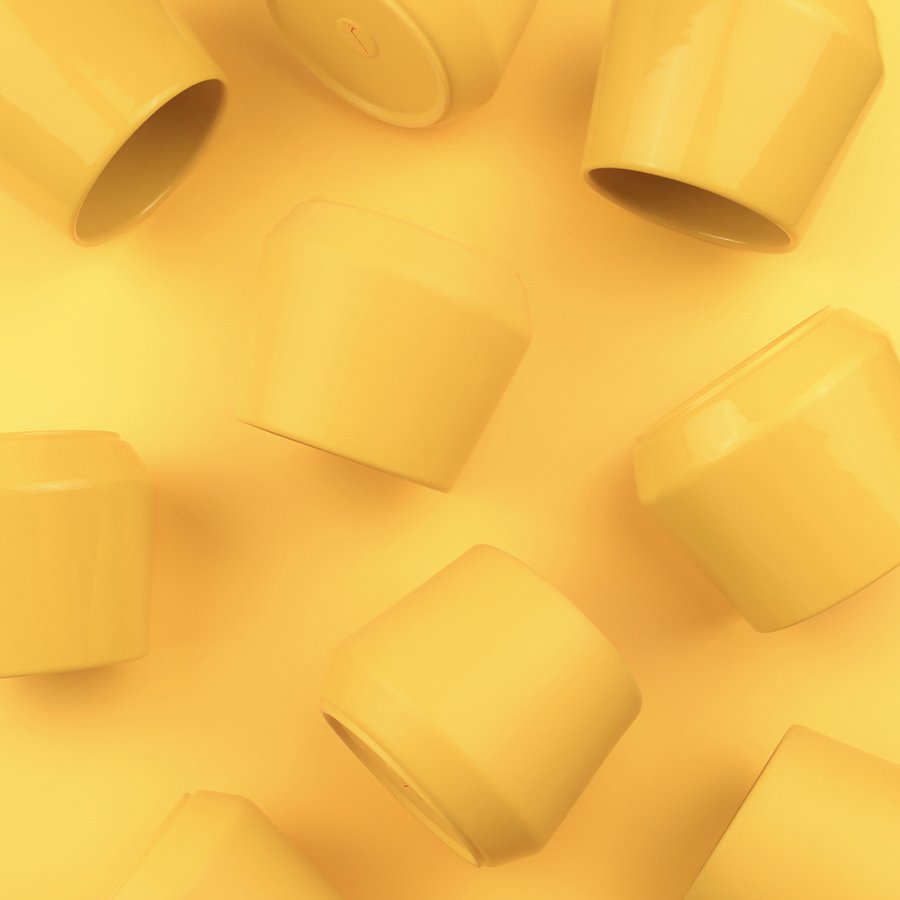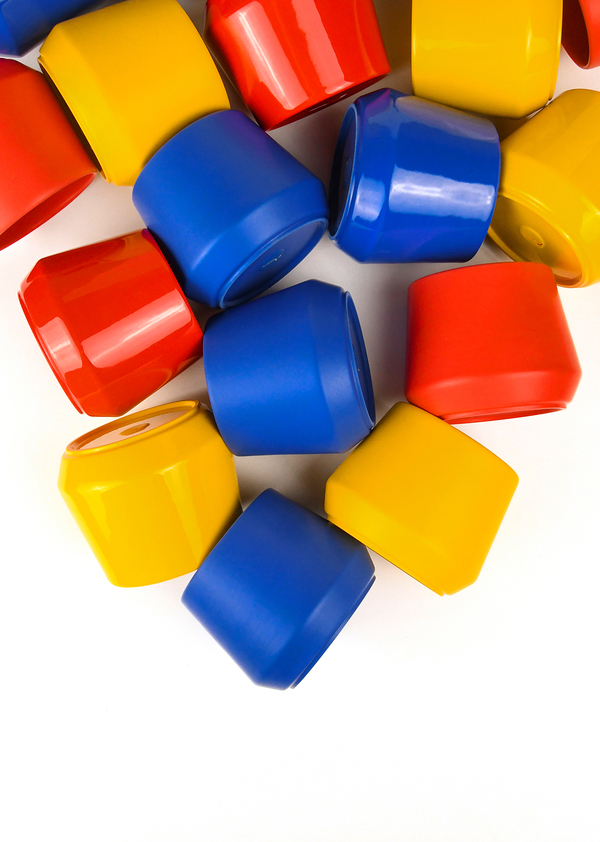
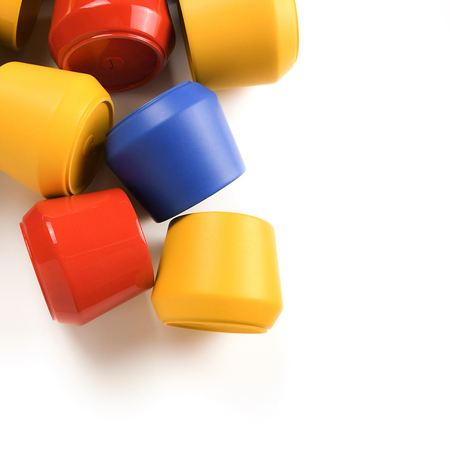
Regular collection of cups: renaissance — rien’s first cast collection. Its concept is very similar to a puzzle. It consists of many small pieces that fit together perfectly to form a new interpretation. The main feature of the collection is that the hue of the glossy and matte cups is almost identical, due to the ceramic coloring rather than the glaze. The shape of the cups, their color, the semi-porcelain recipes, and the plaster molds—everything was conceived, developed, prepared, and executed by a single person.
Please provide the Russian text you would like me to translate.
form
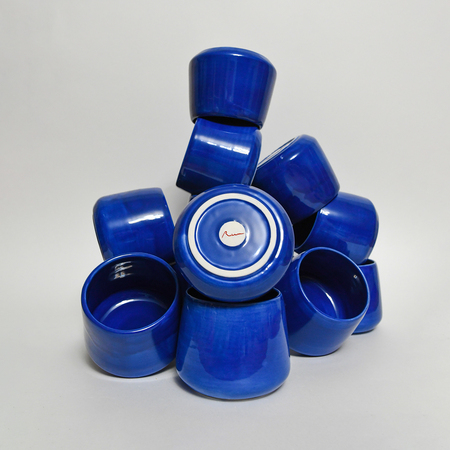
The Renaissance cup form was developed based on the first Bleu blue cups, made in 2021 on a potter’s wheel for an event marking the beginning of rien’s activities. It was the first release, but even then, the cup shape laid the foundation for rien’s visual direction and remains relevant today.
Please provide the Russian text you would like me to translate.
Please provide the Russian text you would like me to translate.
manufacturing technology
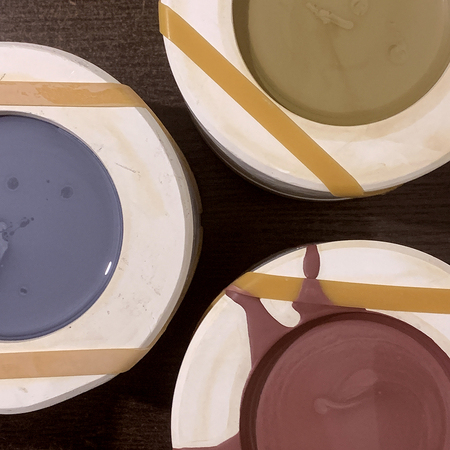
This is the first collection from rien., cast using the slip casting method into plaster molds. In general, this shaping method is industrial due to its speed in producing finished items, increased mass-production capabilities, and reduced labor requirements during manufacture (though preparing the materials and the plaster molds is a significantly more intensive process compared to preparation for pottery forming). Designing the silhouette of the glass, 3D modeling the glass, creating the master model, sanding it, making the plaster molds, developing the shades and slip recipes for each of the three colors, selecting glazes, and actually manufacturing the glasses—this is only a surface-level list of the skills and processes that had to be mastered and resolved to bring the idea to fruition.
Please provide the Russian text you would like me to translate.
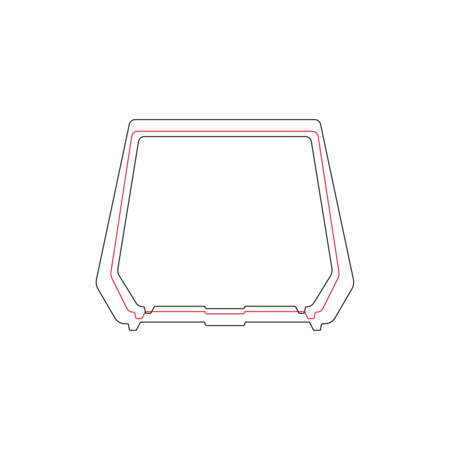
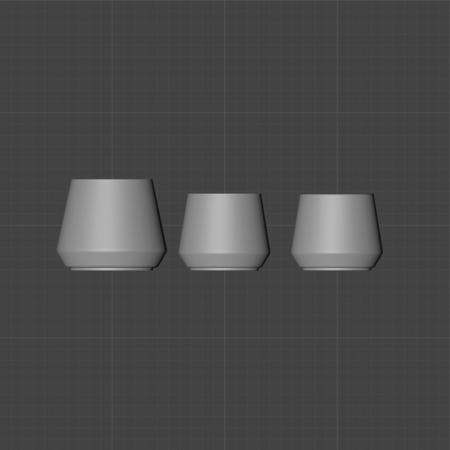
Please provide the Russian text you would like me to translate.
glaze surface
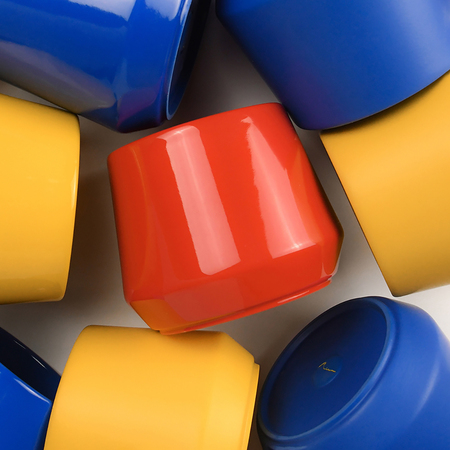
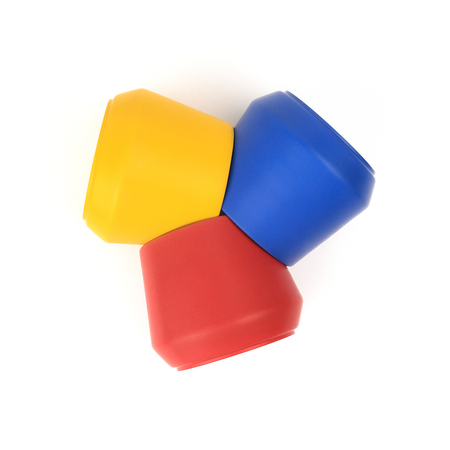
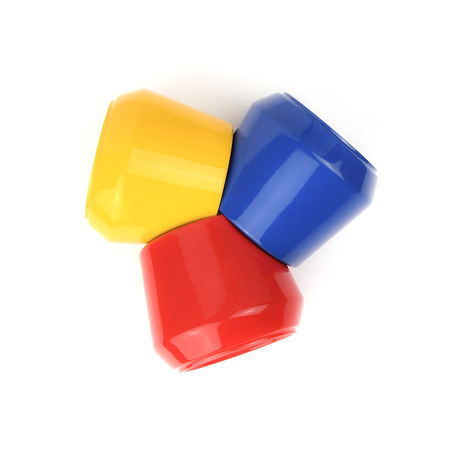
In addition to the form of the first blue cups, it was possible to realize the concept developed in 2021: two distinct glaze textures—glossy and matte—with only minimal variations in hue. Colored semi-porcelain and transparent glossy and matte glazes made this achievable, despite the added complexity of applying matte transparent glazes to non-white ceramic.
[No text provided for translation.]