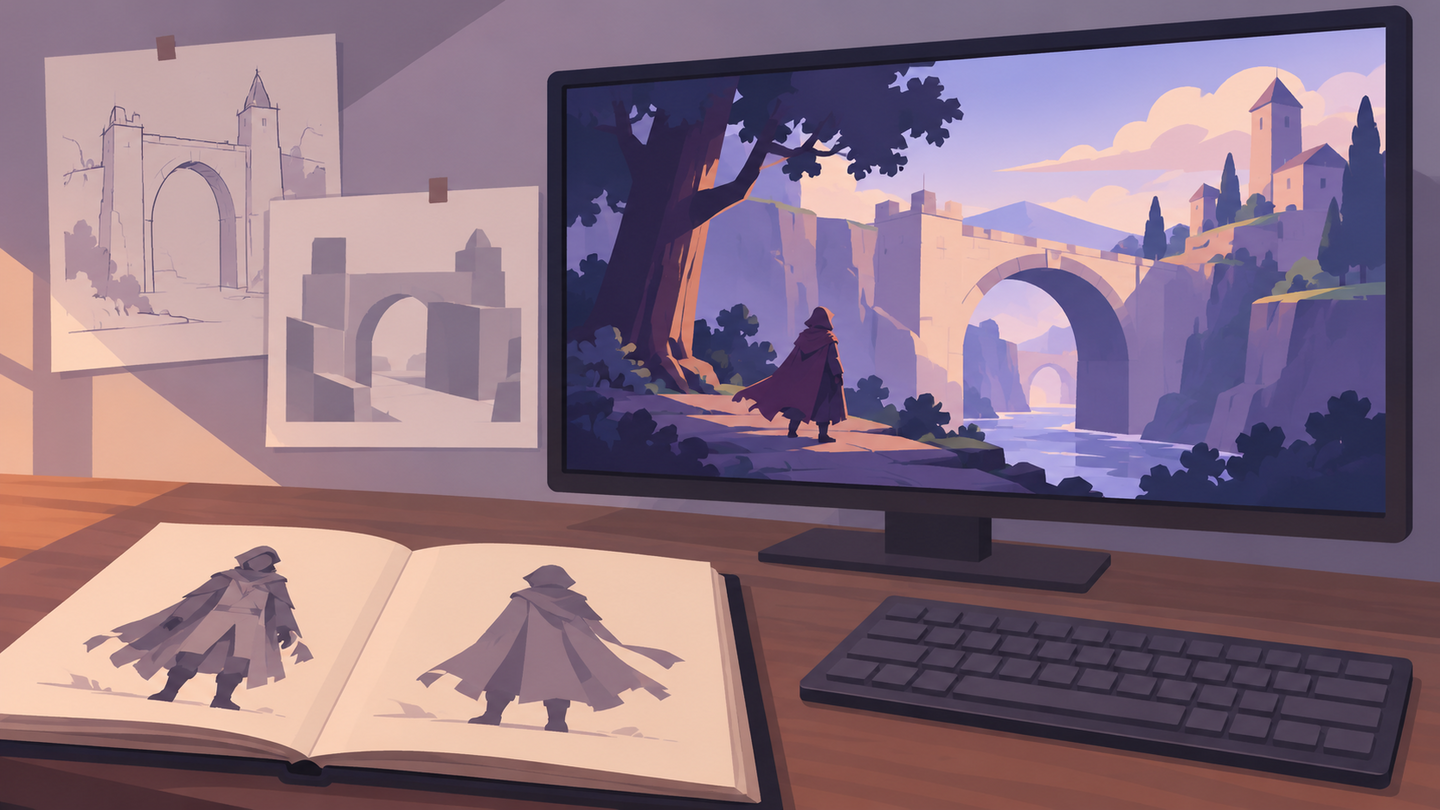
RE: VISION концепция медиа
Concept
The project examines video games not only as entertainment but also as an independent form of digital art—a medium that has evolved from the simplest pixelated images to complex interactive worlds.
Mission: To make the history of video games accessible and engaging for a broad audience, demonstrating the interconnectedness of the past and present gaming industry.
Target Audience: Gamers, students in creative and technical fields, aspiring game designers, and anyone interested in the history and evolution of video games.
Format: A Russian-language popular science media platform featuring Telegram publications, visual research, comparative analyses, infographics, and short video clips.
Positioning: A media outlet situated at the intersection of video game history, game design, and visual culture. Instead of traditional reviews and gaming news, RE: VISION investigates the driving forces behind industry changes—why certain mechanics disappeared while others emerged, how technical limitations shaped artistic styles, and how past developer decisions continue to influence modern games. The project’s main feature is explaining the evolution of video games through specific examples, visual comparisons, and analysis of game mechanics.
Thematic Plan

The content plan spans six months. Each month is dedicated to a specific stage in video game development.
Content Samples
The content consists of posts from the Telegram channel and the archive website.
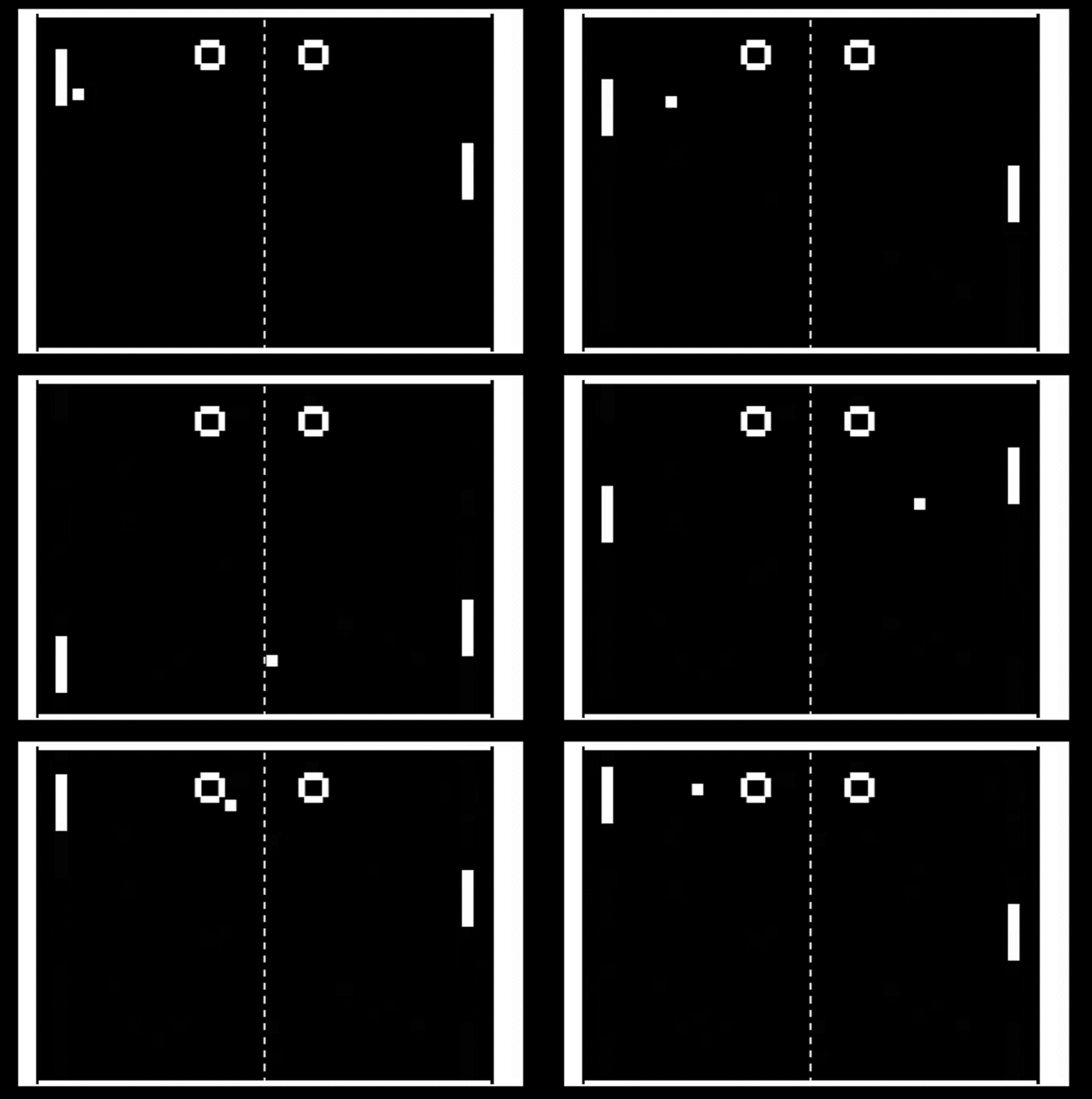
- Where did it all begin?Pong—a game requiring only two paddles and a square.Today, video games offer vast open worlds, photorealistic graphics, and complex interaction systems. Yet, in 1972, all that was needed for commercial success was two vertical paddles, a moving square, and a score counter.Atari’s Pong was a simplified version of table tennis. Players controlled the paddles, bounced the ball, and tried not to let it pass the edge of the screen.Despite its simplicity, the game demonstrated one of the most crucial principles of game design: understandable rules can create an engaging gameplay experience.Pong wasn’t the first video game, but it became one of the industry’s first major commercial successes.Its popularity proved that interactive electronic entertainment could capture a mass audience.And the most interesting thing is that the fundamental mechanics of Pong still exist. You can find them in modern arcades, mobile games, and experimental indie projects.Sometimes, a single mechanic is truly enough for a good game.Visual accompaniment: A screenshot of Pong, a photo of the original arcade cabinet, and a comparison with a modern interpretation of the mechanic.

- Why Does Mario Have a Mustache?
When Technical Limitations Become Design
The red cap, blue jumpsuit, and large mustache—even people who have never played Super Mario Bros. recognize Mario today.
But his appearance was shaped not just by artistic intent.
When Shigeru Miyamoto created the character for Donkey Kong in 1981, the artists were working with an extremely limited number of pixels.
Depicting a realistic face was virtually impossible.
Therefore, the mustache helped define the nose and separate it from the rest of the face, the cap simplified the hair, and the contrasting elements of his clothing made the character’s movements more legible.
Thus, equipment limitations influenced the formation of one of the most recognizable characters in video game history.
This is a good example of how a technical problem can evolve into an artistic solution.
Visual reference: Comparison of Mario from Donkey Kong (1981), Super Mario Bros. (1985), and Super Mario Odyssey (2017).
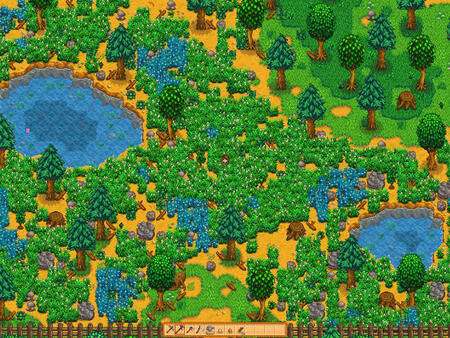
- Why Has Pixel Art Endured?
From Technical Necessity to Artistic Choice
Once, pixel graphics were not a style—they were a constraint.
Early gaming hardware could not display complex imagery, so artists were forced to create characters and environments using a small number of pixels.
As technology advanced, the need for this type of graphics gradually disappeared.
But pixel art remained.
Modern games, such as Stardew Valley, Celeste, and Hyper Light Drifter, consciously utilize pixel aesthetics.
The reason is more than just nostalgia.
Pixel art allows creators to develop expressive silhouettes, direct the player’s attention, and leave room for imagination.
What was once a technical compromise has become a distinct artistic language today.
Visual accompaniment: A comparison of graphics from 1980s–1990s games and contemporary pixel indie projects.
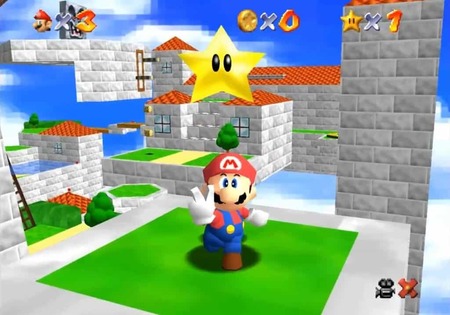
- When Did Games Become Three-Dimensional?How Super Mario 64 Changed the Perception of Game SpaceIn two-dimensional platformers, movement was relatively straightforward: the character moved left, right, and jumped.But with the advent of a fully realized 3D environment, developers faced a new challenge.How could they teach a player to navigate a space where movement was possible in nearly any direction?In 1996, Nintendo released Super Mario 64.The game introduced an analog control system, allowing players to adjust movement speed and direction, along with a camera that the player could follow and partially control.It was no longer enough to correctly calculate a jump; players now had to choose an angle, estimate distance, and orient themselves within a three-dimensional environment.Super Mario 64 was not the first 3D game, but it became one of the most important examples of how a platformer could adapt to a new dimension.Its innovations influenced the future development of 3D adventure games.Visual Aids: A comparison of Super Mario Bros. and Super Mario 64, and a diagram illustrating the changes in controls and camera perspective.
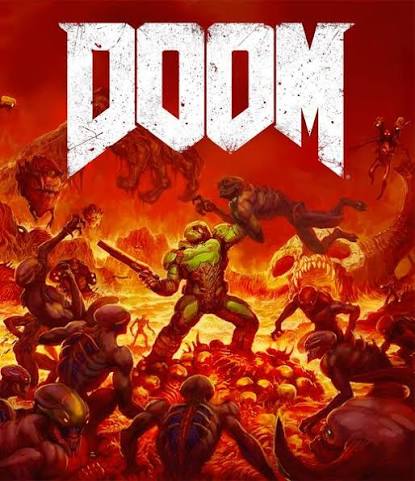
- How Doom Changed First-Person ShootersThe Game That Made You Feel SpaceIn 1993, Doom was released—a game that profoundly influenced the development of first-person shooters.The player experienced events through the character’s eyes, navigating mazes, searching for keys, and battling opponents.Although Doom was not the first first-person shooter, it significantly popularized the genre.The technology behind its game world is particularly fascinating.Doom created a compelling illusion of three-dimensional space, even though the level design had substantial limitations compared to modern, full-featured 3D engines.The developers employed technological solutions that allowed for the rapid rendering of complex spaces for its time.It was this combination of speed, dynamism, and spatial perception that made the game so influential.Today, many of Doom’s principles can be found in modern retro shooters.Visual aids: Screenshots from Doom (1993) and contemporary boomer shooters; a comparative diagram of level design.
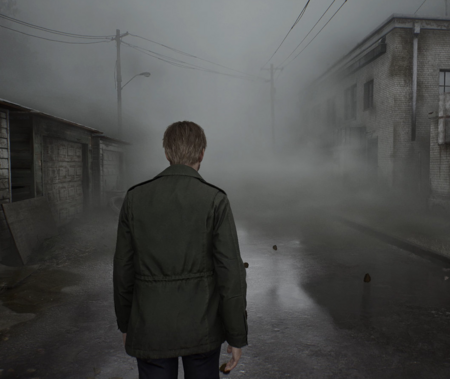
- How Silent Hill Turned Constraints into FearThe Fog That Became Part of the Horror GameThe fog is one of the most recognizable elements of Silent Hill.It obscures the streets, limits visibility, and forces the player to constantly anticipate danger.However, its presence is not solely rooted in artistic intent.The original Silent Hill was released on the PlayStation in 1999, a system whose technical limitations restricted the rendering distance of the 3D environment.The use of fog helped conceal distant objects and mitigate visual imperfections.But this solution simultaneously heightened the atmosphere of the unknown.The player could not see what lay ahead in advance and was forced to move almost blind.Thus, a technical limitation became an integral part of the psychological horror.Later, the fog evolved into one of the symbols of the entire series.Visuals: A screenshot from Silent Hill (1999), a comparison with Silent Hill 2 (2024), and a demonstration of limited visibility.
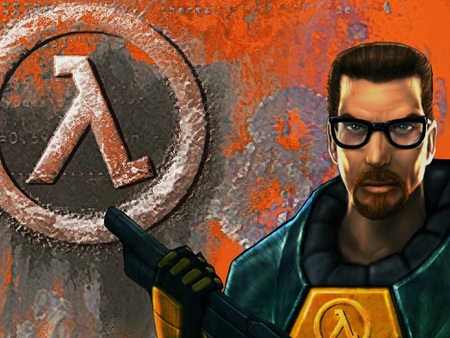
- Why Did Half-Life Abandon Conventional Storytelling?
The Narrative Centered Around the Player
In many 1990s games, the plot was delivered through distinct cutscenes and text inserts. Half-Life, released in 1998, offered a different approach. Instead of constantly switching between gameplay and narrative sequences, the developers integrated the storytelling directly into the environment. Players observed events from a first-person perspective without losing control of the character during most story episodes. Scientists conversed with each other, equipment malfunctioned, and the consequences of the disaster were gradually revealed through the exploration of the facility. Thus, the game world became not just a setting, but an independent narrative tool. This approach influenced the evolution of immersive storytelling and game space design.
Visual Accompaniment: Footage from the introductory Black Mesa monorail ride, compared with traditional cutscenes.
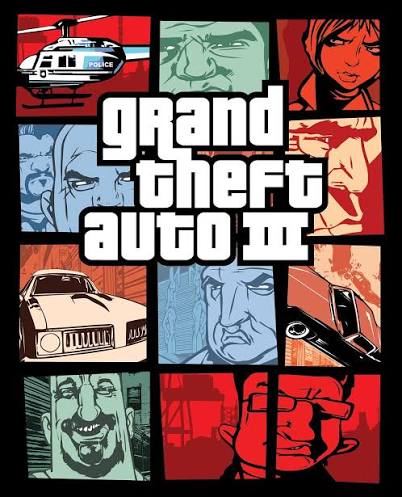
- When did the player gain freedom?
Grand Theft Auto III and the new era of open worlds
Grand Theft Auto III was released in 2001.
Open game worlds existed before, but GTA III became one of the projects that popularized the format of a three-dimensional city available for free exploration.
The player could complete story missions, steal cars, explore the streets, or simply observe the life of a virtual city.
This significantly differed from the traditional structure of linear levels.
Instead of a predetermined route, the player was given a space in which they could independently choose the sequence of many actions.
The feeling of a world existing beyond any specific mission became especially important.
Traffic, pedestrians, and urban infrastructure created the impression of an independent system.
Today, this type of approach has become standard in a vast number of games.
Visual accompaniment: Liberty City from GTA III and the modern open game world.

- How Undertale Reimagined the RPGA Game Where Killing Isn’t MandatoryIn traditional role-playing games, combat often becomes the primary way a character develops.Players defeat enemies, gain experience, and become stronger.Undertale, released in 2015, proposed a reconsideration of this principle.Instead of mandatory enemy destruction, the player can interact with them, study their behavior, and find ways to resolve the encounter without killing.Meanwhile, the player’s decisions influence the plot development and character perception.Undertale uses familiar elements from classic RPGs—pixel graphics, turn-based encounters, and dialogue—but changes their conventional meaning.The game demonstrates that reimagining a genre does not necessarily require new technology.Sometimes, changing one fundamental rule is enough.Visual accompaniment: Comparison of the combat systems in classic RPGs versus Undertale, demonstration of the ACT and MERCY menus.
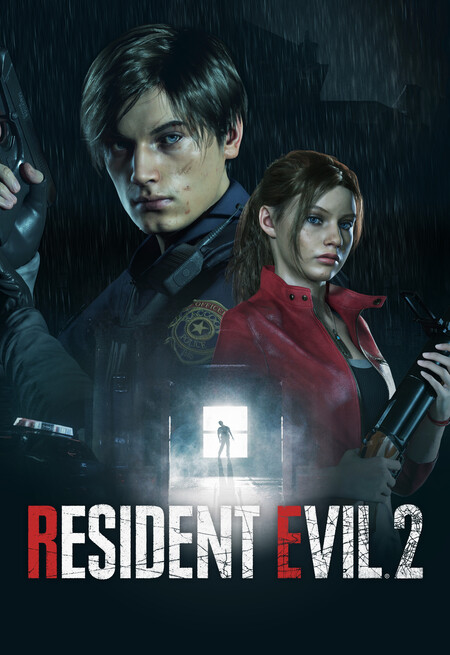
- Why Are Modern Games Returning to the Past?
Remakes, Retro Aesthetics, and the Cyclical Nature of the Gaming Industry
The gaming industry is constantly evolving, yet many modern projects draw inspiration from ideas from previous decades.
Some developers reimagine classic games using contemporary technology.
Others intentionally incorporate outdated visuals and mechanics.
For instance, the 2019 remake of Resident Evil 2 retained the core elements of the original game while updating the controls, camera, and gameplay structure.
Meanwhile, many modern indie projects frequently reference pixel art, fixed camera angles, and early 3D aesthetics.
This suggests that the evolution of video games is not always a linear progression from simple to complex.
The industry regularly circles back to old ideas, adapting them to meet contemporary player expectations.
This is precisely why studying the history of video games helps us better understand their current state.
Visual Support: A comparison of Resident Evil 2 (1998) and Resident Evil 2 (2019), and examples of modern retro games.
Some visual materials were created with the help of ChatGPT.