RE: VISION
«RE: VISION»
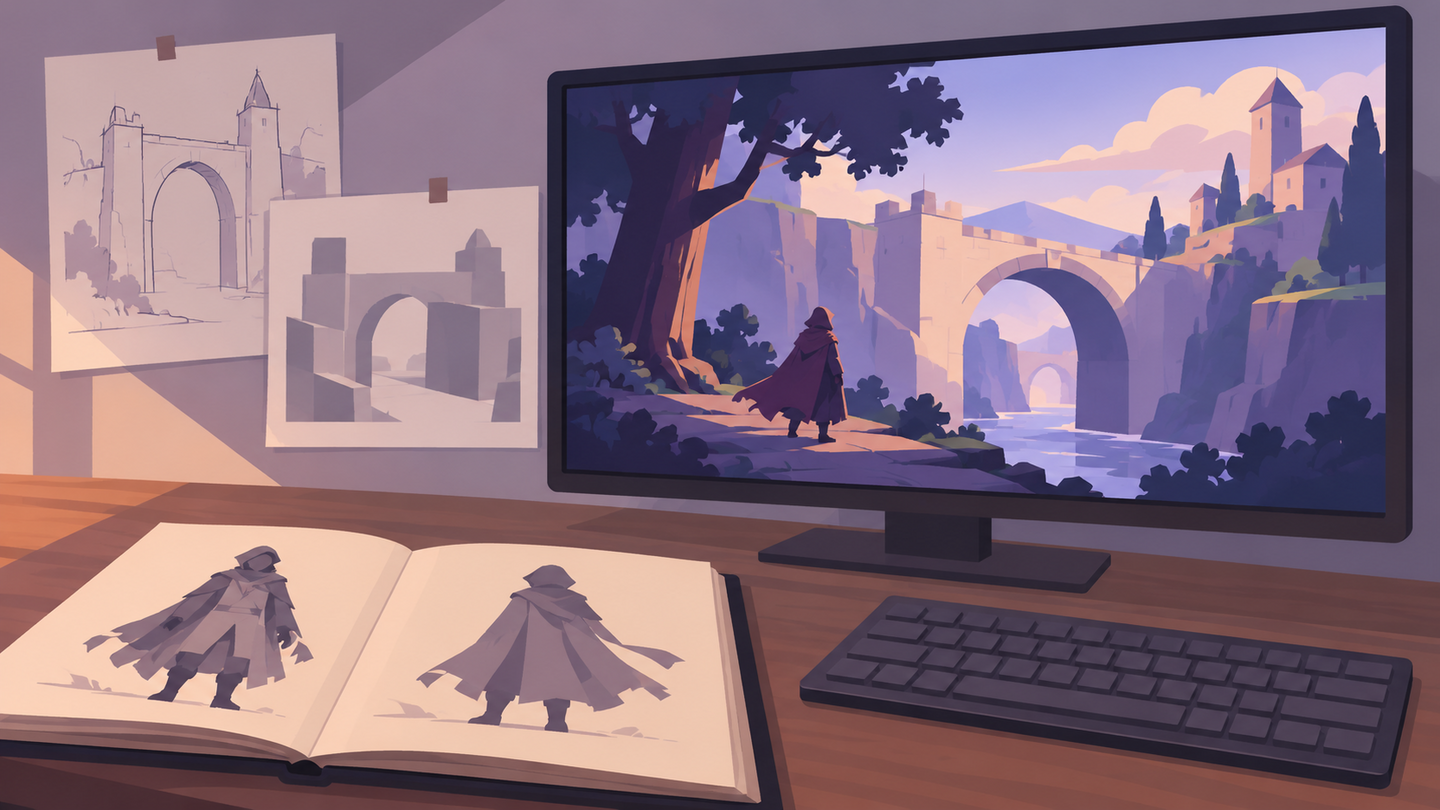
RE: VISION — A Russian-language educational media platform dedicated to the evolution of video games during the development process. It illustrates how characters, locations, mechanics, and interfaces change from initial concepts and prototypes to the final release version.
Media Mission: To make the game creation process understandable—to show how developers test ideas, revise decisions, and arrive at a final version. The goal is to help readers understand the rationale behind changes and apply this experience to their own projects.Business Goal: Within the first year, establish a consistent audience among students, emerging developers, and gamers interested in game creation, and initiate the first paid advertising integrations or partnerships with educational platforms and tool developers in the gaming industry. Key performance indicators include reader retention, subscription growth, and the number of paid partnerships.Media Goal: To build a Russian-language archive of visual breakdowns detailing the evolution of characters, locations, mechanics, and interfaces. Every piece of content links early versions to the final resolution, explaining the changes based on substantiated sources.
Project Concept and Goal
At its core, RE: VISION involves deconstructing a specific change: how the initial decision was made, what it became by the time of release, and why it was revised. The visual comparison is supplemented with development materials and creator commentary. The project’s goal is to illustrate the logic behind the final game.
Media objectives:
Compare early and final versions of characters, locations, mechanics, and interfaces.
Explain how testing, technical limitations, and creative decisions influenced the final outcome.
Compile concepts, prototypes, and author commentary into cohesive visual breakdowns.
Create an archive of materials searchable by game and solution type.
Benefit for the reader:
A gamer has a better understanding of their favorite games, while a student or beginning developer receives real examples of how to test and revise their own ideas. Sources and intermediate versions are already collected in one resource.
Competitor Analysis Method
Objective: to determine which existing projects already cover game creation and to understand the additional value RE: VISION can offer.Search: using the search queries «game development history, ” „early game prototypes, ” and „making of games.“ We are reviewing developer websites, video channels, and publications for comparison.Analysis Criteria: target audience, subject matter, presentation format, clarity of comparisons, availability of primary sources, and ease of accessing materials.Three to four projects will be included in a comparative table. For each, we will document strengths, limitations, and how it differs from RE: VISION. The analysis results will help refine the media’s positioning.
Primary Platform: Telegram channel. Short visual breakdowns: early concepts and final versions, GIFs showing iterations, and developer commentary. One post equals one design decision and the rationale behind its revision.
Secondary Platform: Archive website. Full development histories detailing the chronology of changes and sourcing materials. Content is organized by game and category: characters, environments, mechanics, interfaces, concept, and setting.
Audience Overlap Points: Game development and design communities. Publishing «before / after» comparisons and excerpts from breakdowns, linked to the complete material. Placement within relevant Telegram channels, communities, and websites.
Competitors
Target Audience
Alina, 21 — Game Design Student Context: She is developing a learning game. She sees finished projects but doesn’t understand how the authors arrived at the final solutions or why they rejected certain ideas. Need: To study real development examples so she can more confidently test and refine her own concepts.
Nikita, 25 — Indie Developer Context: He works on a game with a small team. He tests ideas with prototypes but doesn’t always know what to improve and what to cut. Need: To find similar challenges and study the outcomes of others' decisions so he can determine the best direction for developing his project.
Maxim, 23 — Player Interested in Game Creation Context: He enjoys looking at concept art, extracted content, and early versions of familiar games. Need: To learn how his favorite games were made and why their final appearance differs from the initial concept.
Sofia, 27 — Concept Artist Context: She creates characters and environments for games. She wants to understand why some sketches make it to the final product while others are rejected. Need: To see the connection between artistic exploration, game requirements, and production constraints so she can make more precise visual decisions.
What Sets RE: VISION Apart
1. Decision History
We trace how the game evolved from initial concepts to final release: what options were experimented with, what was refined, and what was discarded. Each piece of content reveals a specific design journey, showing how those changes impacted the final player experience.2. Clarity and Verifiability
We compare concept art, prototypes, early builds, and finished versions so the reader can see the differences for themselves. We explain the reasons behind the changes using development diaries, interviews, and creator commentary. We cite sources and clearly separate confirmed facts from speculation.3. Experience for Your Own Projects
We organize scattered materials into cohesive case studies, searchable by game title and category. Readers can find a similar design challenge, study the team’s constraints and the consequences of their decisions, and then apply that experience to their own projects.
Conclusion
RE: VISION combines short visual analyses on Telegram with an archive website containing detailed materials. The project helps users see the process of discovery behind a finished game, understand the developers' decisions, and leverage their experience for learning and their own projects.
Visual materials were created using ChatGPT.