The Problem
In today’s world, where artificial intelligence can rapidly generate ideas and find ready-made solutions, the human ability to think beyond the obvious is valued even more.Parents want to help their children feel confident in a rapidly changing world and develop skills that will be important in the future. Everyone understands the value of creative thinking.
But a question arises: can one teach a child to come up with unconventional solutions? Where does originality come from?
Solution
In reality, a child doesn’t need to learn how to be original from scratch—imagination is already ingrained in them; the key is learning how to use it. Show that there isn’t always one right answer to a single question, and that beyond the familiar and obvious, there is always something more to discover.
This is exactly what my program teaches!
Concept
Through play, children train themselves to view familiar things in a new light, explore multiple ways to express the same idea, and gradually notice possibilities where they previously saw only one obvious option. To achieve this, I suggest turning to art, a discipline that has long sought answers to the question, «What if we show this differently?»
How does it work?
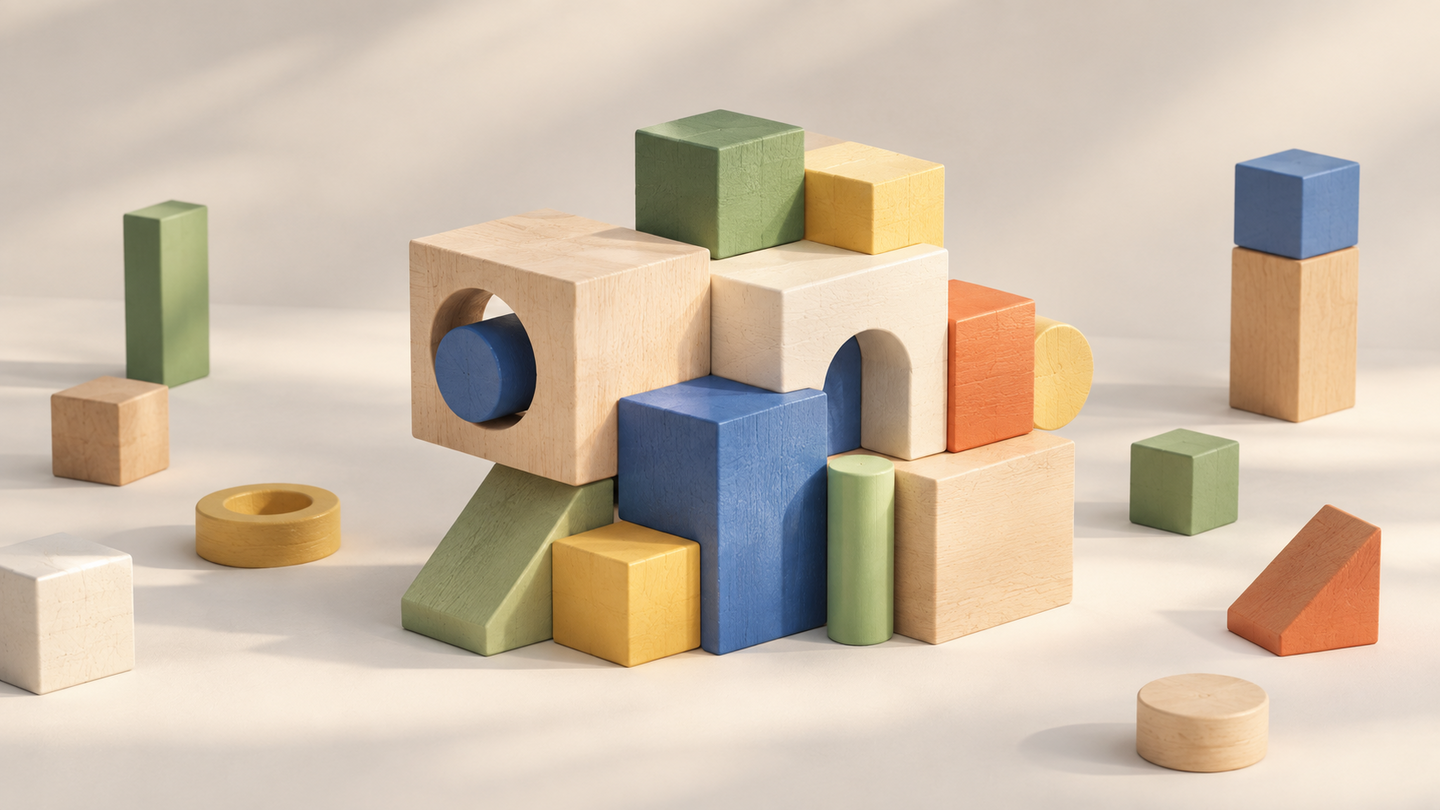
- First, the child builds the face from blocks exactly as they are accustomed to seeing it: eyes, nose, mouth, all in their proper places. This is the obvious and familiar option.
- Next, we ask the question: «How else can you convey what you see?» Here, the course encourages students to look at a technique that once changed the conventional view of imagery—the idea of Cubism.
We never view a subject or a person from a single perspective; we always study it from multiple angles. You don’t have to choose one «correct» angle—you can integrate all of them simultaneously.
Pablo Picasso’s «Girl with a Mandolin, ” Pablo Picasso’s „Les Demoiselles d’Avignon, ” Jean Metzinger’s „Soldier Playing Chess“
- Through personal experience, the child understands that the first idea that comes to mind is not the only one, and they will apply this principle in life in the future.
Set Contents
— cubes— instruction manual (how to set up the game)
— mini-book on Cubism
— assignment cards
— individual cube (a unique cube that changes in each set)
Target Audience
Parents (Core Audience)
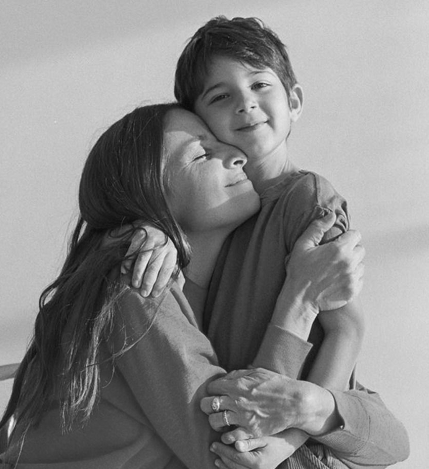
Ages 25–35, typically with a first or second preschool-aged child (3–7 years old). They work in creative industries (IT, design, media, entrepreneurship).They are consciously invested in shaping their child’s mindset; for them, the process is as important as the outcome, and they strive to preserve the child’s ability to independently explore the world. They value freedom of choice and critical thinking.Motivation — to ensure the child is not afraid to think differently.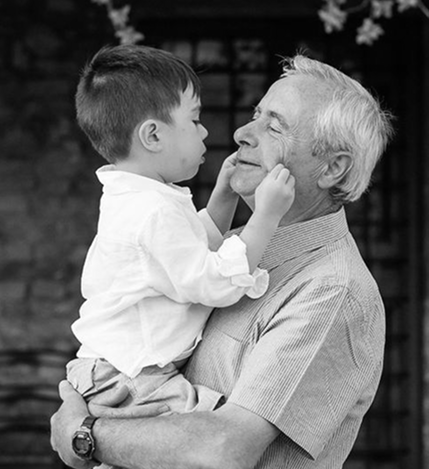
Gift-Givers
Family members and close friends of the family.
For them, the emotional value and appearance of the gift are important—what will truly stick in the child’s and parent’s memory.
Motivation—they want to express their attention and care through a special, thoughtful gift.

Educational Institutions
Ages 30–45, specialists who create developmental environments for children. Directors and instructors of children’s studios, development centers, creative labs, and other spaces that work with children.Purchasing decisions must be justified to management, so the presentation aspect is crucial.The motivation is to create an environment where a child can experimentBrand Platform
Vision
To become a recognizable Russian toy brand that assists parents in their child’s development.Values
Openness, trust in the child, prioritizing the process over the result.Mission
To help children preserve and develop their unique perspective of the world.Character
Curious, free-spirited, intellectual.Essence
Seeing the familiar in a new way.Positioning
A brand that sees the child as an author with their own perspective on the world and helps them create creatively
Unique Selling Proposition (USP)
Toys that develop your child’s thinking through genuine art methods
Competitors