CONCEPT
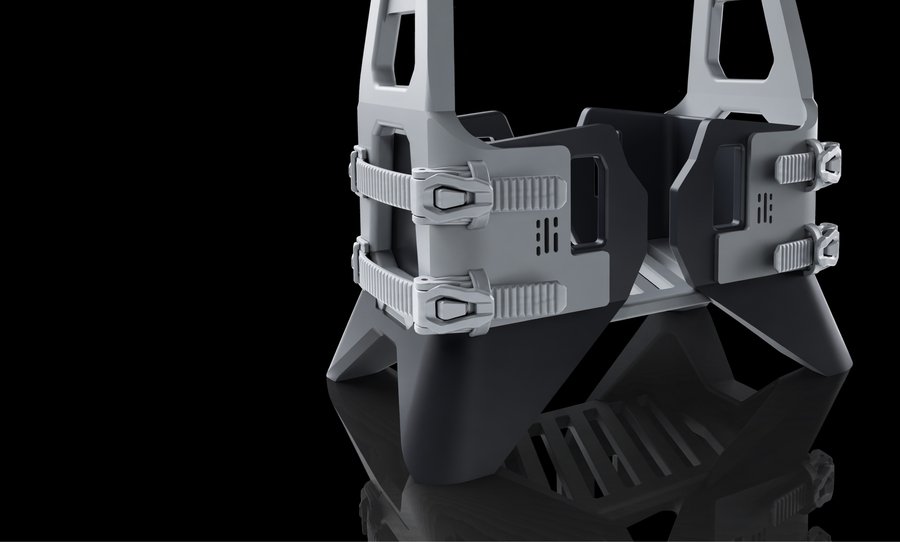
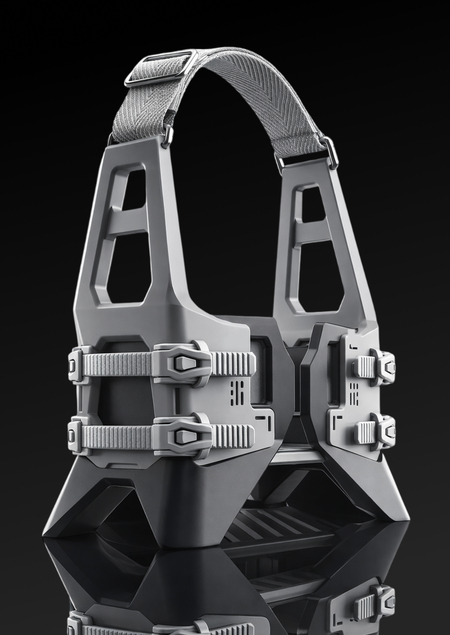
Design Subject: A structural bag with a lightweight yet durable plastic body, positioned within the niche of conceptual luxury and collectible design.
TECHNICAL ASSIGNMENT
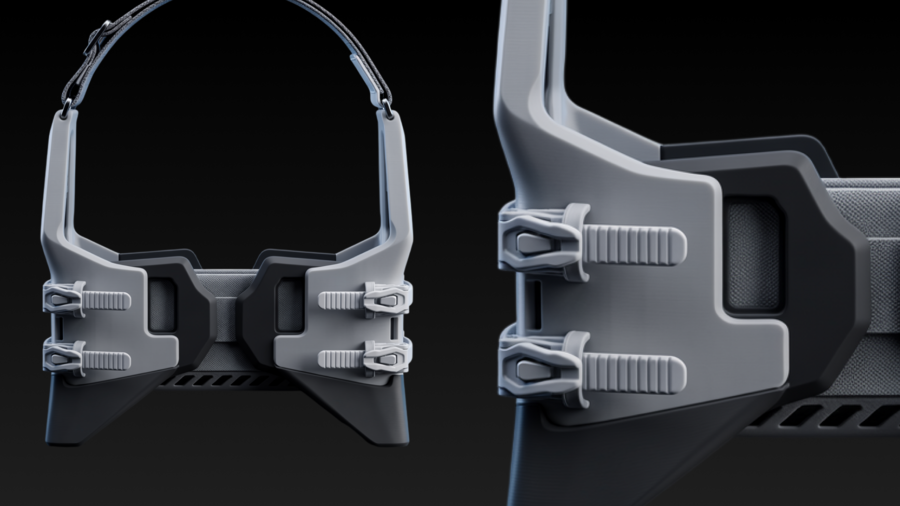
For maximum functionality and durability, the best solution is a combination of rigid and flexible elements:1. A rigid bag frame that eliminates the issue of a bottom that constantly gets soiled from use, while also protecting the contents from external damage.2. Side fasteners made of strong, flexible materials allow for the addition of an extra functional element: a stand/holder for a cup.3. The frame is composed of modular parts that allow the bag to be extended in length, increasing capacity as needed.
GENERAL INFORMATION
A bag is a functional object for storing and carrying belongings, which over time has become an important element of fashion, status, and self-expression.Key components:
— Body
— Handle / strap
— Access point (zipper, flap)
— Internal structure
MARKET ANALYSIS
Main Segments:
— Mass Market
— Mid-Segment
— Luxury
— Avant-Garde / Experimental Segment
Innovations:
— Shift from utility to objecthood
— Growing interest in experimental materials and forms
— Integration of technologies (3D printing, digital design).
THE SUBJECT ARCHETYPE
The bag evolved from a utilitarian object into a symbol of identity and an art object.
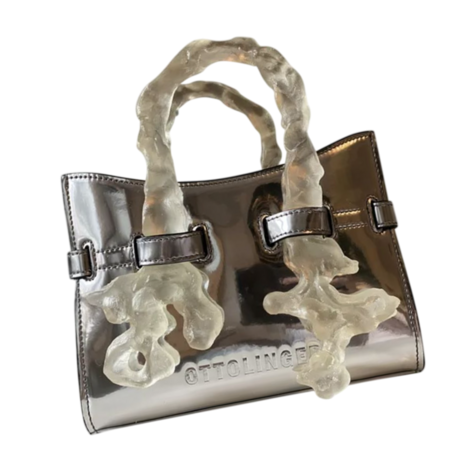
Key Stages in Archetype Development:01. Antiquity — Middle Ages: purely functional bags, consisting of belt pouches and purses02. 18th–19th Century: the emergence of the women’s handbag as a fashion accessory, the appearance of the reticule—a soft fabric or knitted drawstring pouch that could be worn on the arm—the beginning of mass and industrial production of goods03. 19th–20th Century: the golden age of handbag design: the establishment of the bag as a fashion brand, the beginning of iconic shapes, the influence of fashion designers such as Louis Vuitton and Coco Chanel04. 2000s: the return of vintage forms, the popularity of the Fendi baguette, and micro-bags on chains.
COMPETITORS AND ANALOGUES
24/7 ANONYM
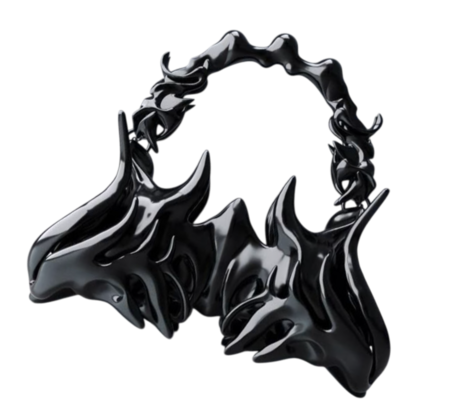
Key Aesthetic — Surrealism and whimsicalityKey Technique — Conceptual sculptureFunction — Integrating a bionic structure with a familiar archetype
INNERSPACE
Key Aesthetic—Cyberpunk/TechwearKey Technique—Modular ConstructionFunction—Merging Utility and Art Object
COUNTEREXAMPLES
Heven & Coperni’s Glass Handbag
- Focus on design over functionality
- Use of glass—a fragile and heavy material
- The placement of handles interferes with comfortable use of the bag
Bags in the «form repetition» format
— Focus on the external component and zero functionality— Trivial combination of any shape and pen
SOCIAL INQUIRIES
Target Audience
The target audience for 3D-printed frame bags is a niche but affluent demographic, connected less by age and more by shared values and interests—namely collectors, «Techno-aesthetics, ” and Gen Z/the creative class.
Price Segment
Premium and luxury items feature a starting price around $250–$300, with upper limits reaching several thousand dollars. This is due to experimental design and frequently handmade or limited-edition production.
STRUCTURE