Selected Area: Meshchersky Nature Park
Address: Moscow Region, Odintsovo Urban Okrug, Nemchinovo village, vl3V
Design Area: approximately 465 hectares
The park is located in the Odintsovo Urban Okrug of the Moscow Region, partially within the territory of Moscow. It is situated west of the Moscow Ring Road, southeast of the Bakovka station on the Smolensk line, and west of the Meshchorskaya station on the Kiev line of the Moscow Railway.
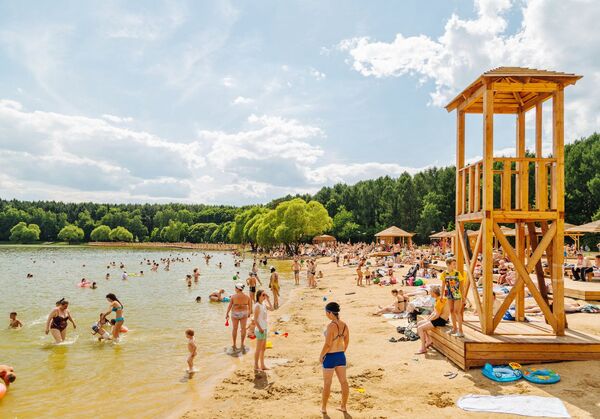
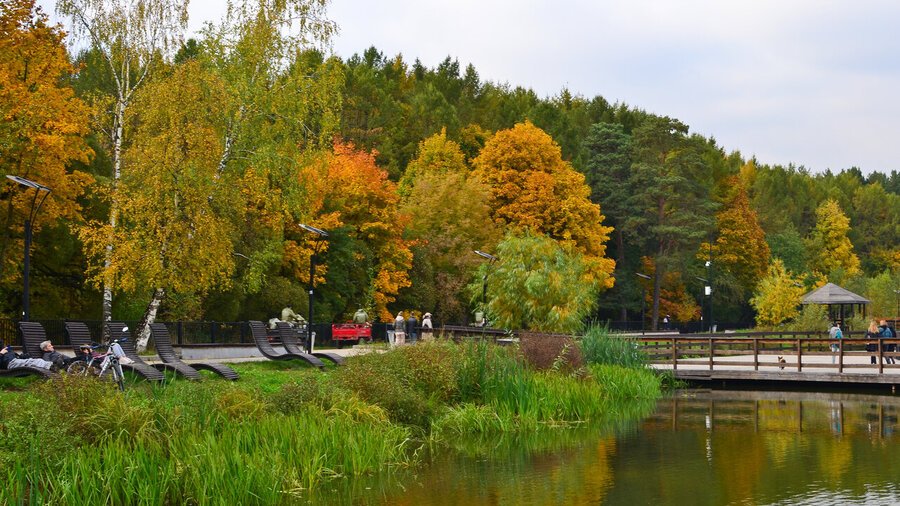
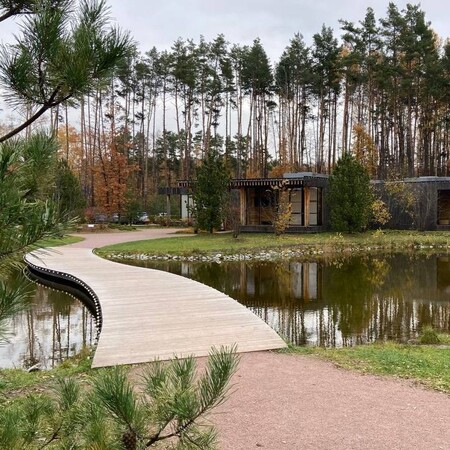
Meshchersky Park is a vast green area in the Odintsovo Urban District (covering about 500 hectares), where forest, sports facilities, and recreation infrastructure harmonize beautifully. There is an activity for every taste here—from leisurely strolls to active sports and entertainment for kids.
Situational Plan
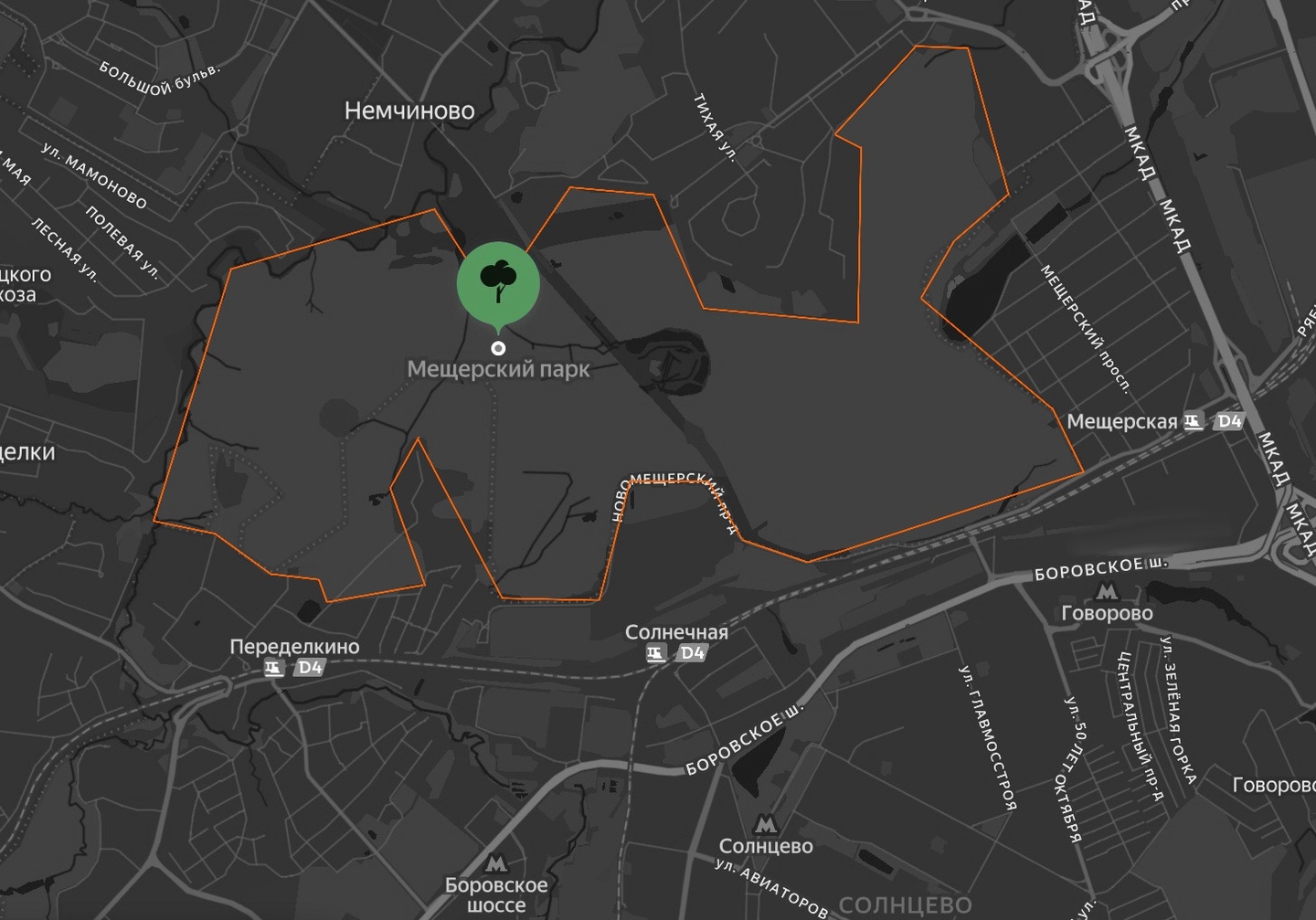
Park Map
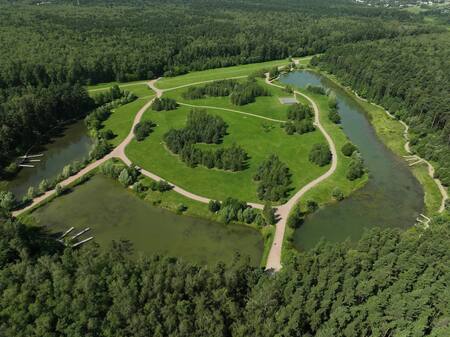
The park design area itself is the Wild Ponds.
A few small ponds are located deep in the woods, not far from the main parking lot.
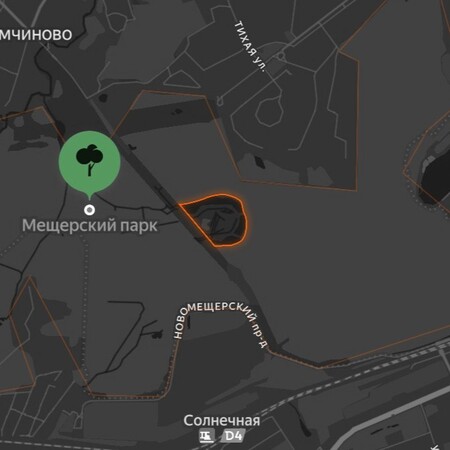
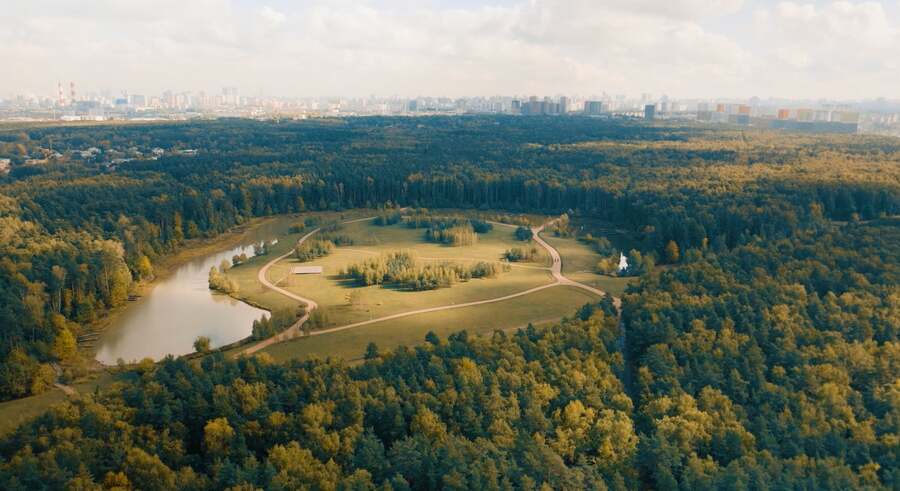
Design Zone
In Meshchersky Park, there are several ponds that could be described as «wild”—they are tucked deep within the forest, and their banks have been barely touched by people. Unlike the main Meshchersky pond with its equipped beach, where swimming is officially permitted, these bodies of water retain a natural, untouched appearance.
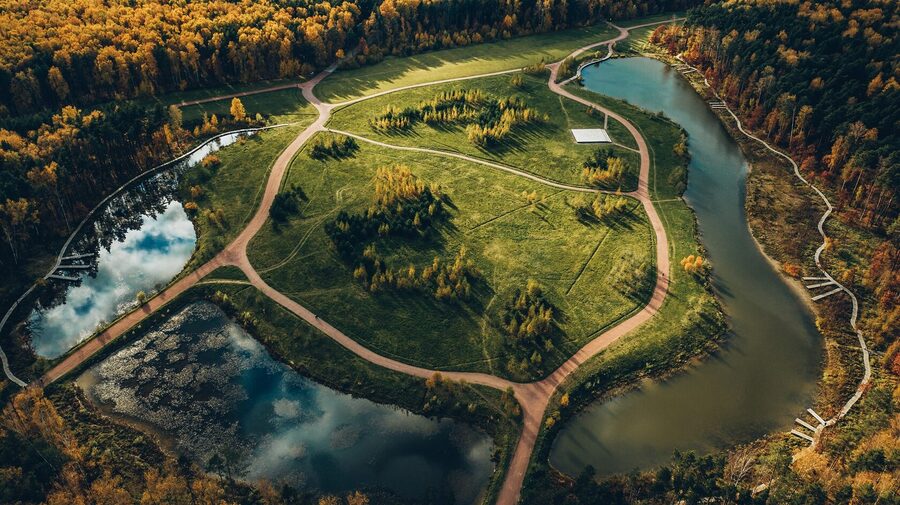
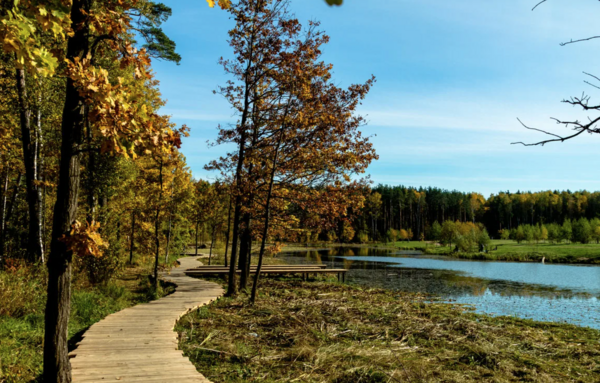
Wild Ponds
Historical Overview
16th Century
Ivan the Terrible hunted here and hosted falconry contests—a «noble» hunt with trained birds that was a traditional pastime for Tsars and princes in Russia.Under Alexei Mikhailovich, up to three thousand trained birds were kept in the pleasure courtyards near Moscow, indicating the scale of such hunts.Later (until the 19th Century)
The forest lands came into the possession of princely clans: Trubetskoy, Dolgorukov, Tretyakov, and Pushkin.The Trubetskoy princes were one of the most distinguished clans and owned vast lands in the Moscow region (for instance, Kopytovo/Alexeevsky was acquired in 1621).October 1812
Napoleon’s army retreated through these areas.The French burned the local village of Vaulino.The burning of settlements during retreats was a common practice in 1812.After 1812 — 1900
For almost a century, the wasteland remained untouched.1903
The dacha settlement of Knyaz-Meshchorsky emerged on the site of the wasteland.
The name honors the landowner—Prince Sergei Borisovich Meshchersky.In the 1870s, Meshchersky sold off parcels of his estate for country cottages, a trend that fit perfectly into the cottage boom of the early 20th century.
Concept
My park is a serene spot by the lakes, a place where nature is undisturbed, but enhanced to make it cozier for relaxation. There are no plans for increasing visitor density or clearing existing landscapes; improvements involve simply laying down paths, marking trails, and adding charming details like gazebos to make the area feel more lively and pleasant.
Here you can calmly walk your dog, play some light «hunting» games with it, practice yoga on the grass, grill kebabs in a gazebo, or spend time with children in the small play area. Everything is designed so that nature remains almost as it was, yet people feel warm and comfortable.
The main feeling is that of a quiet sanctuary where no one is in a rush.
Functional Zoning
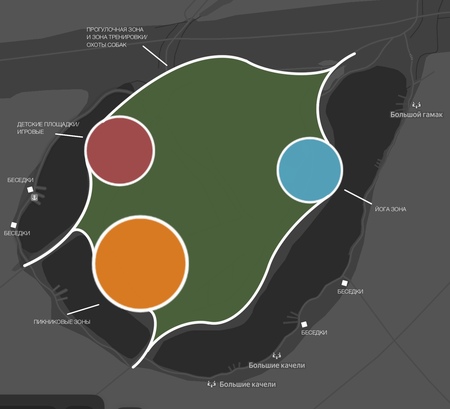
Approximate functional zoning with a contour of structured pathways and the above-mentioned relaxation areas: — Dog walking and training area — Yoga zone — Picnic area — Children’s play area — Several gazebos
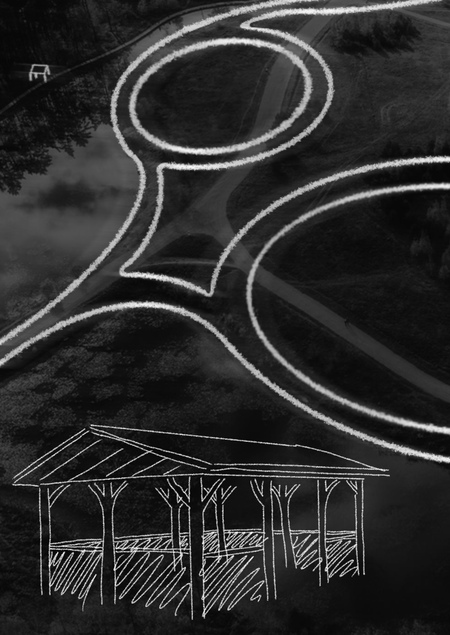
Aerial view of the park showcasing terrain features and pathways
M/A/F Sketches
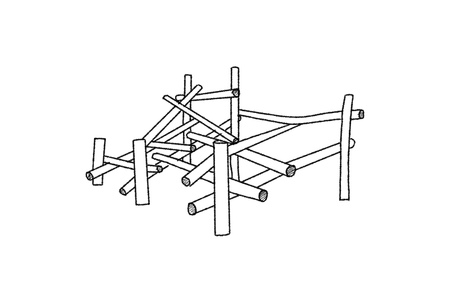
Play structures and/or training obstacles for teaching dogs, fashioned from simple wooden beams.
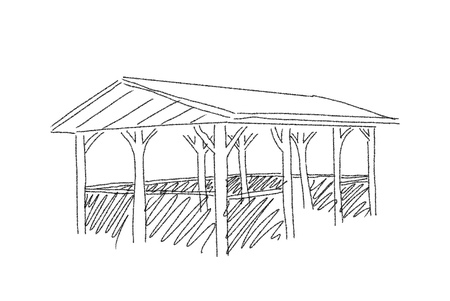
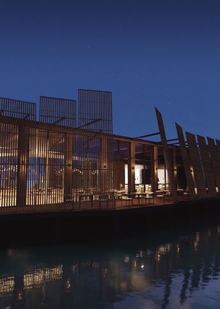
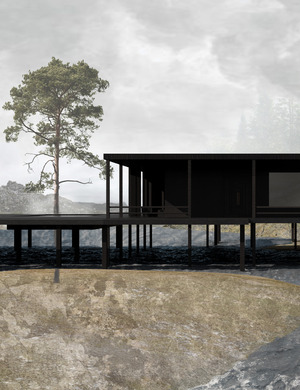
Gazebos and grills, separated from the common areas by ponds closer to the forest, are available for relaxing with family or friends.