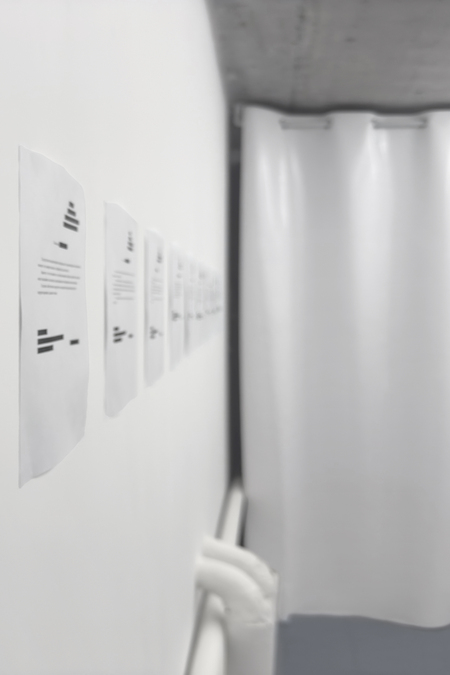
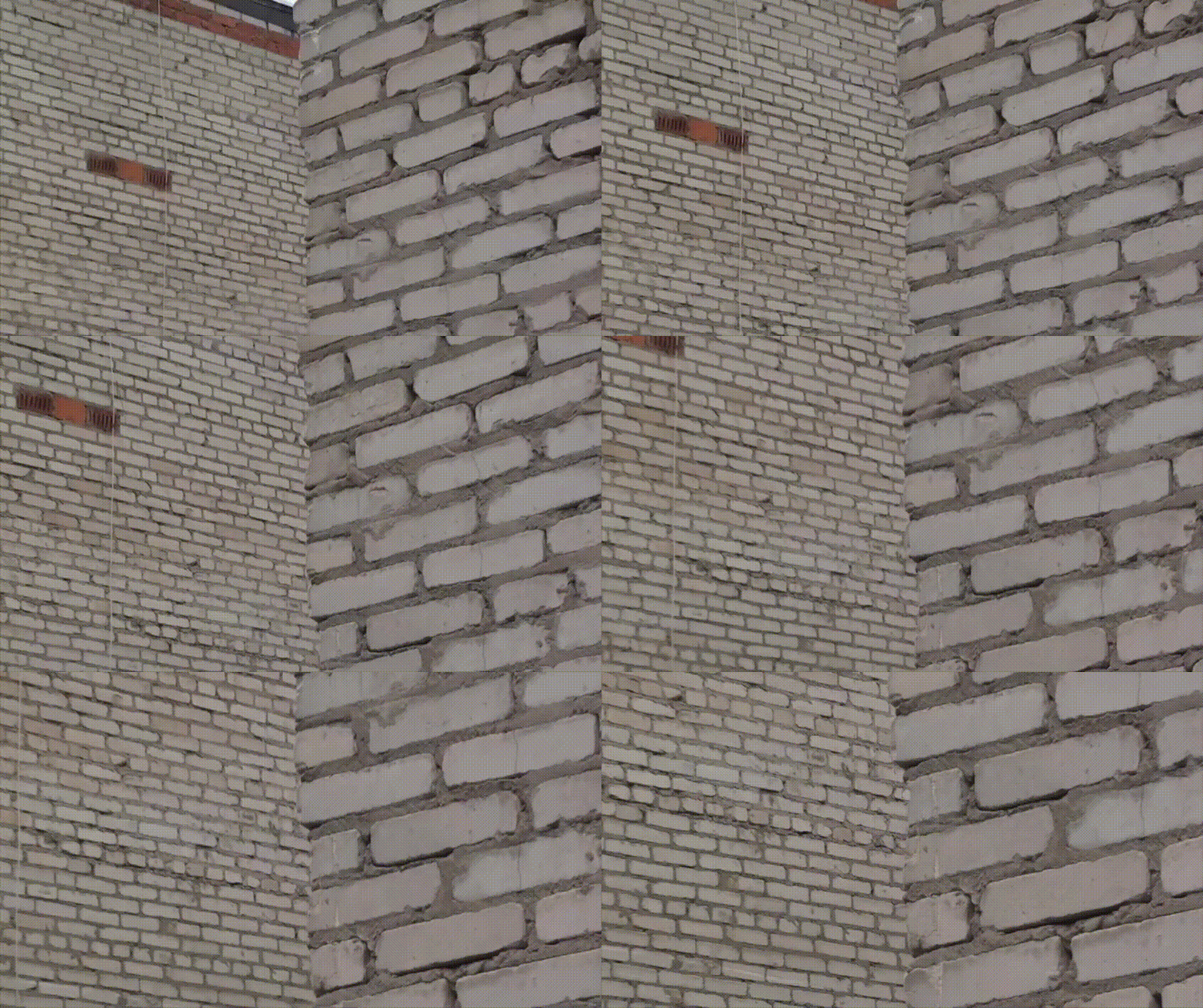
The exhibition «Gaps in the Symbolic Structure» ran from April 4 to April 26, 2026, at IVANIY GALLERY, located in a garage cooperative in Balashikha. The parameter of geographic distance from Moscow became part of the viewer’s experience and served the project’s strategy of exclusion from public space.
Concept
The project addresses the issue of transformation and the reproduction of constraints. Its starting point was individual instances of how cultural institutions interact with artistic expression in the public sphere. One such mechanism involves limitations that are now taking on absurd characteristics. The current state of public space—characterized by high tension—is considered a cause of this transformation. The coexistence of various social, cultural, and religious groups intensifies conflict potential and necessitates balancing competing interests, which frequently results in the boundaries of what is acceptable being preemptively established and thus becoming absurd.
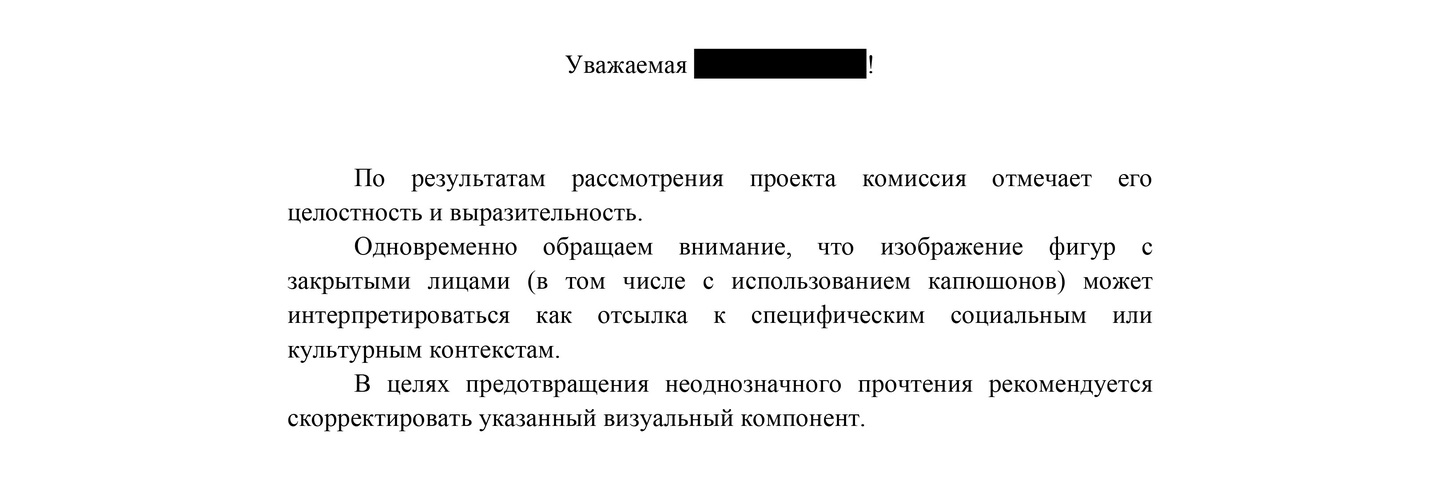
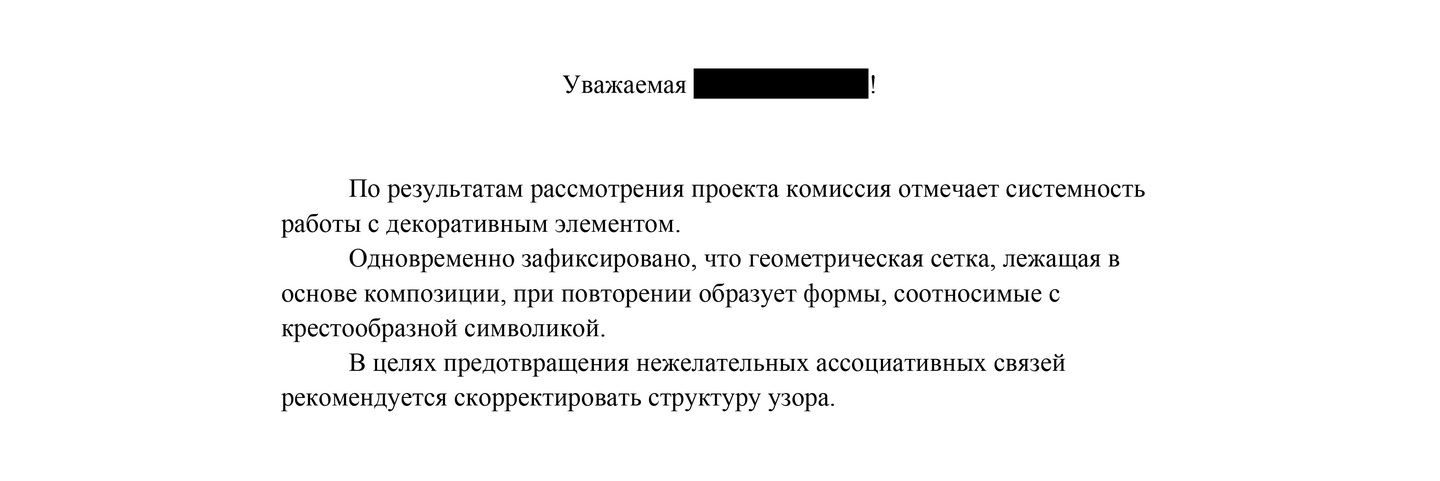
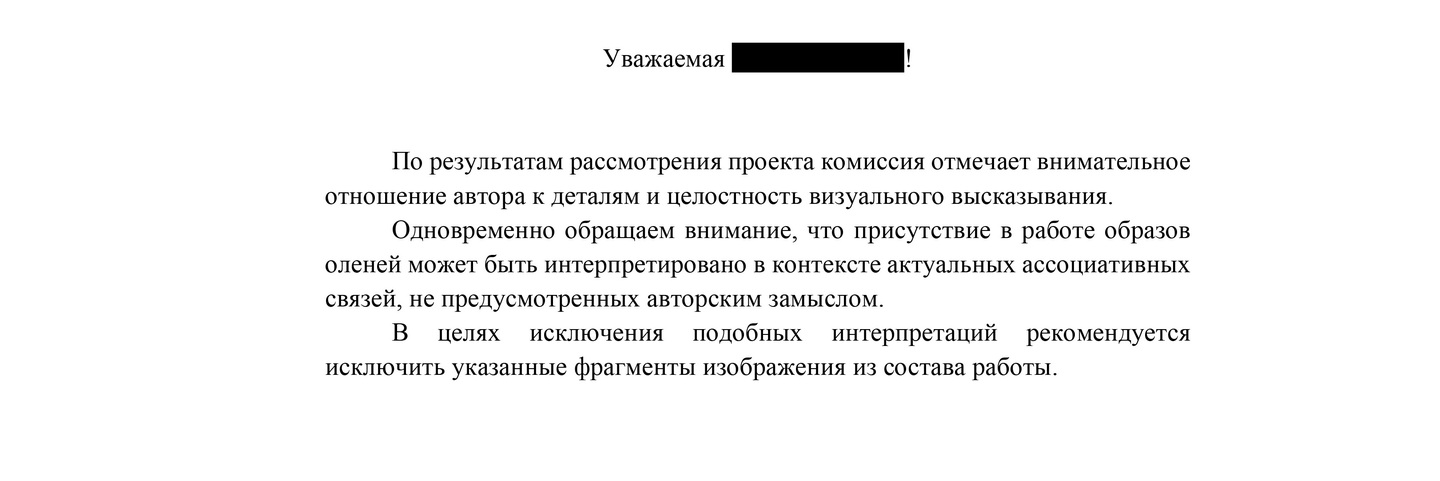
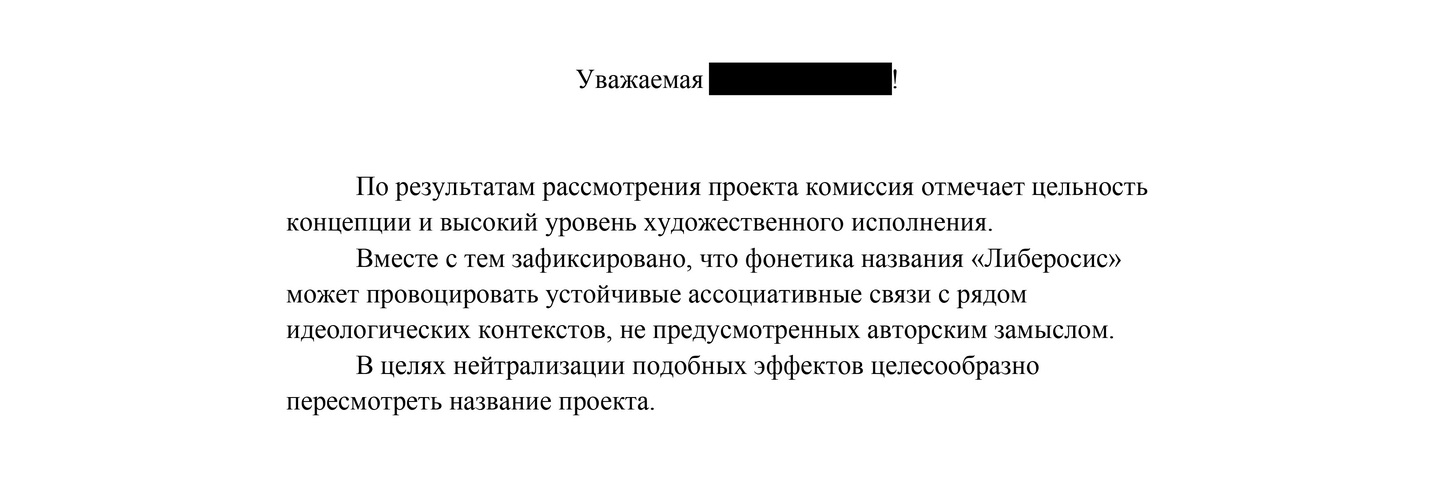
Examples of artist statements
Exhibition
Permissible and Formative Zone
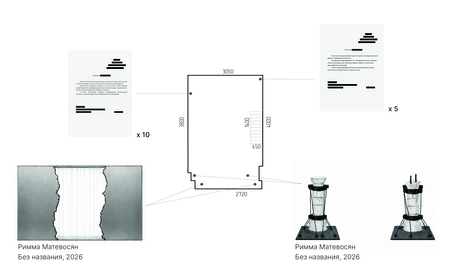
The gallery space is a two-level garage, so the architecture of the space dictated the exhibition approach—a metaphor reflecting the influence of constraints. On the first floor, the «Zone of Permissible and Formative» was located, featuring examples of absurd restrictions developed from judging artists' work based on formal criteria.
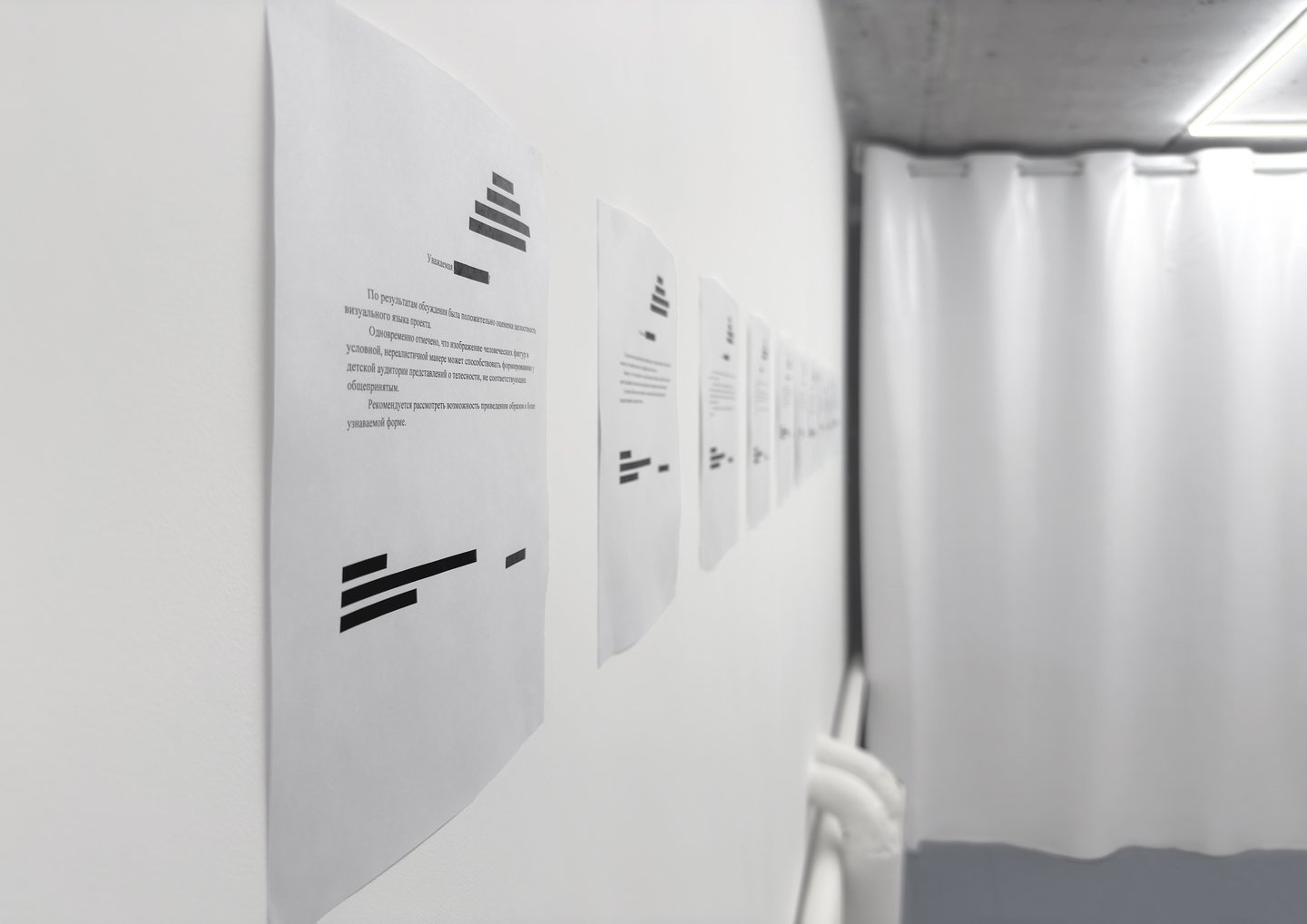
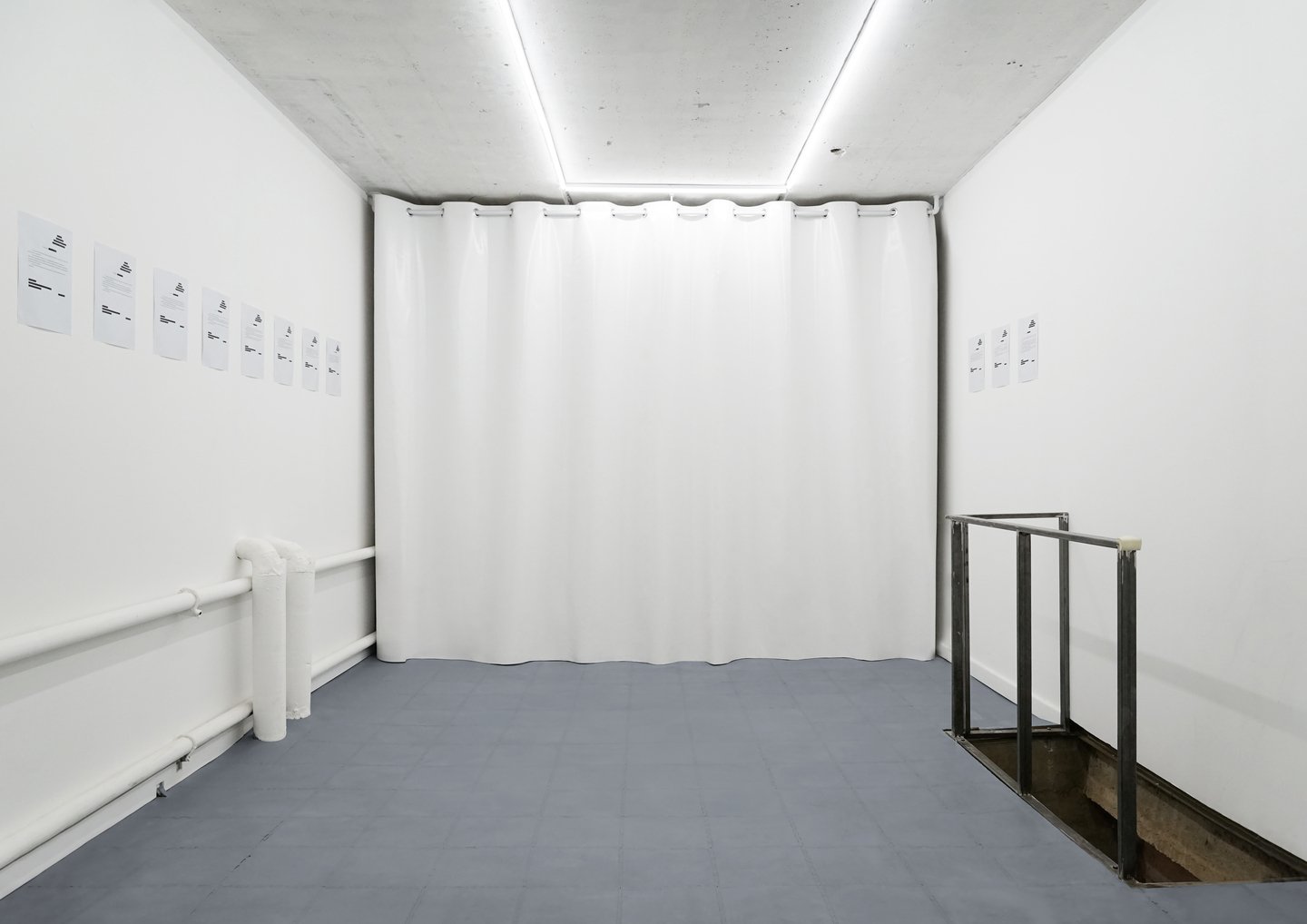
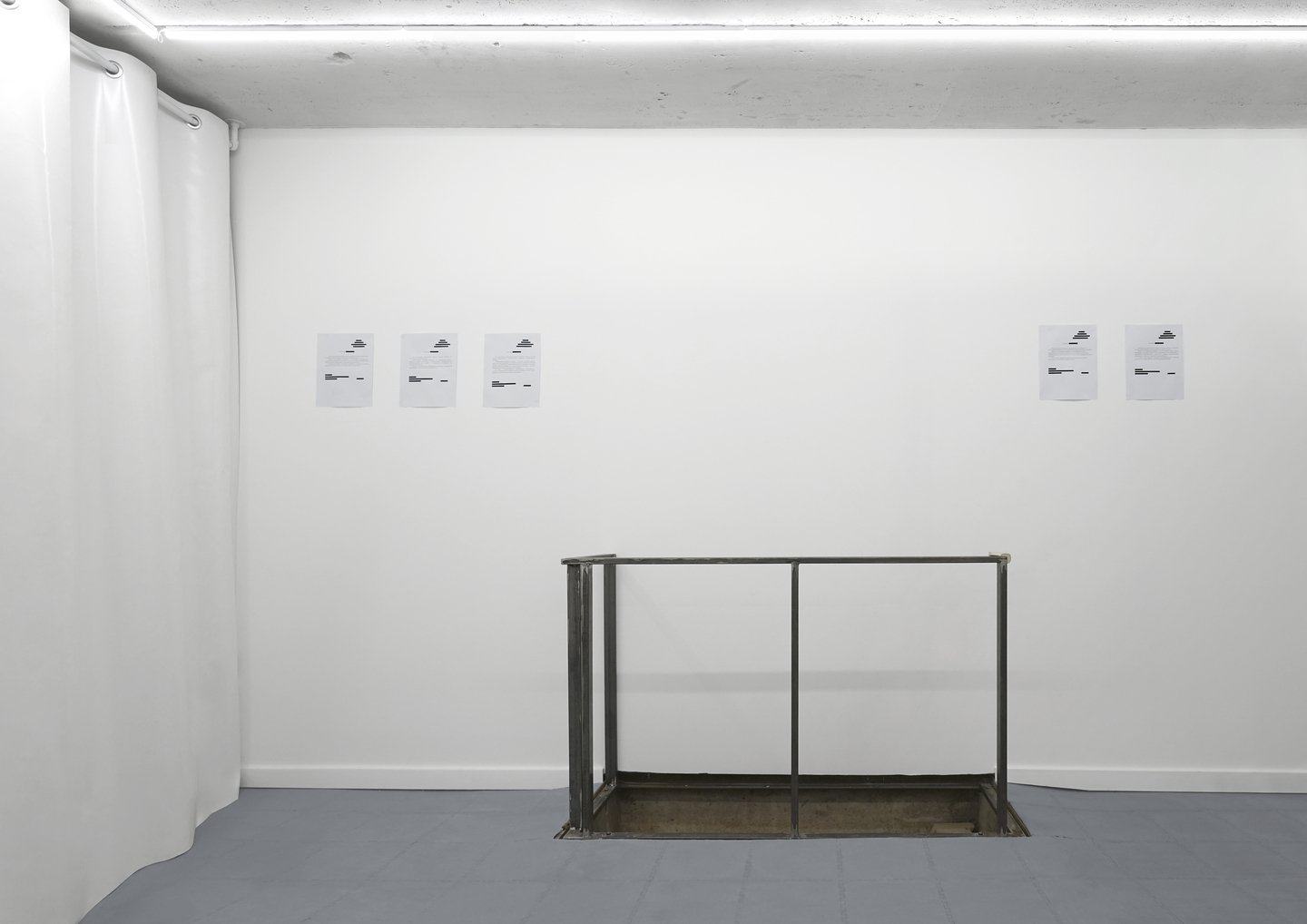
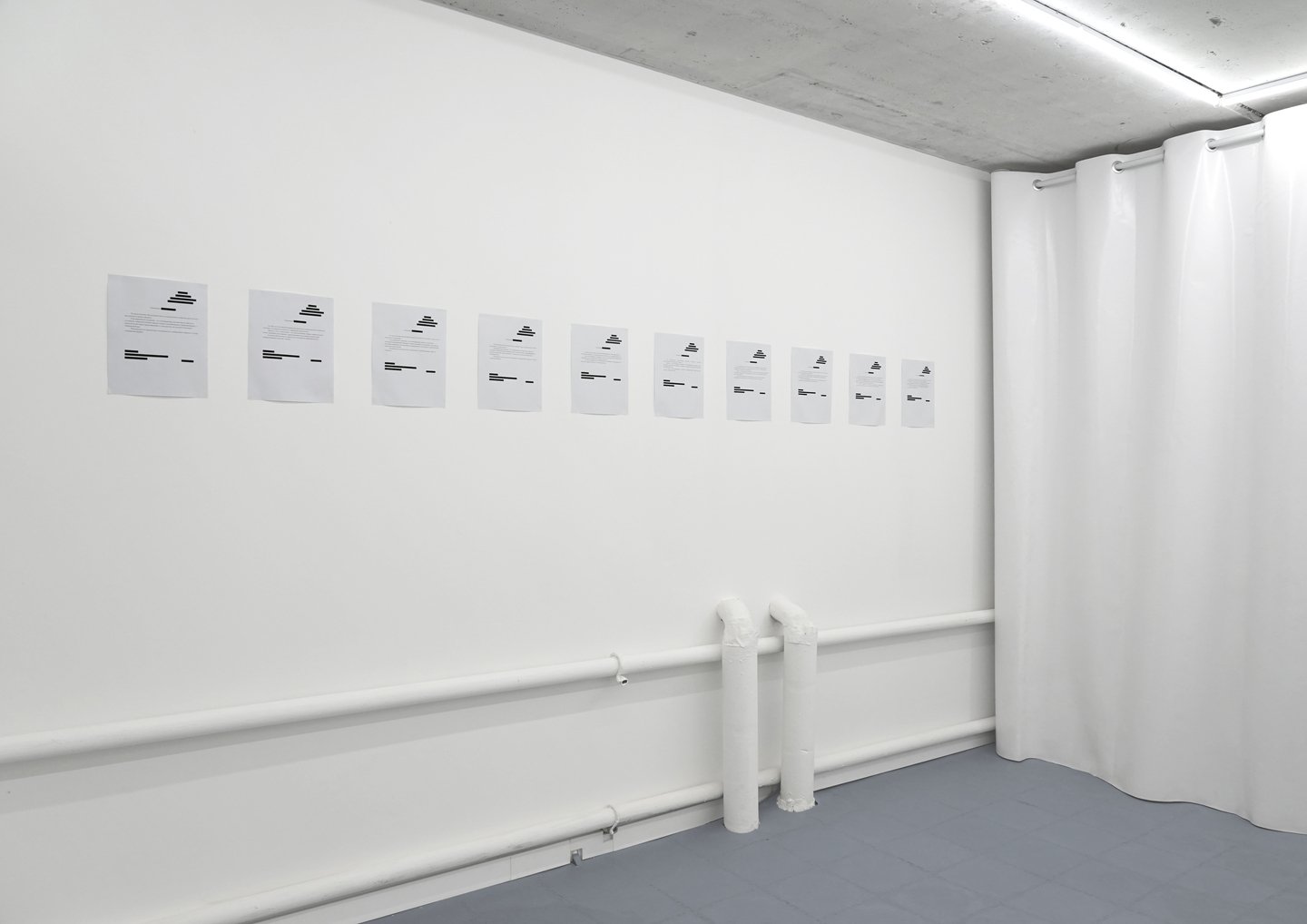
exhibition. zone of acceptable and formative
Specifically for the project and space, Rima Matevosyan created the piece «Untitled, ” which documents the current state of cultural institutions.
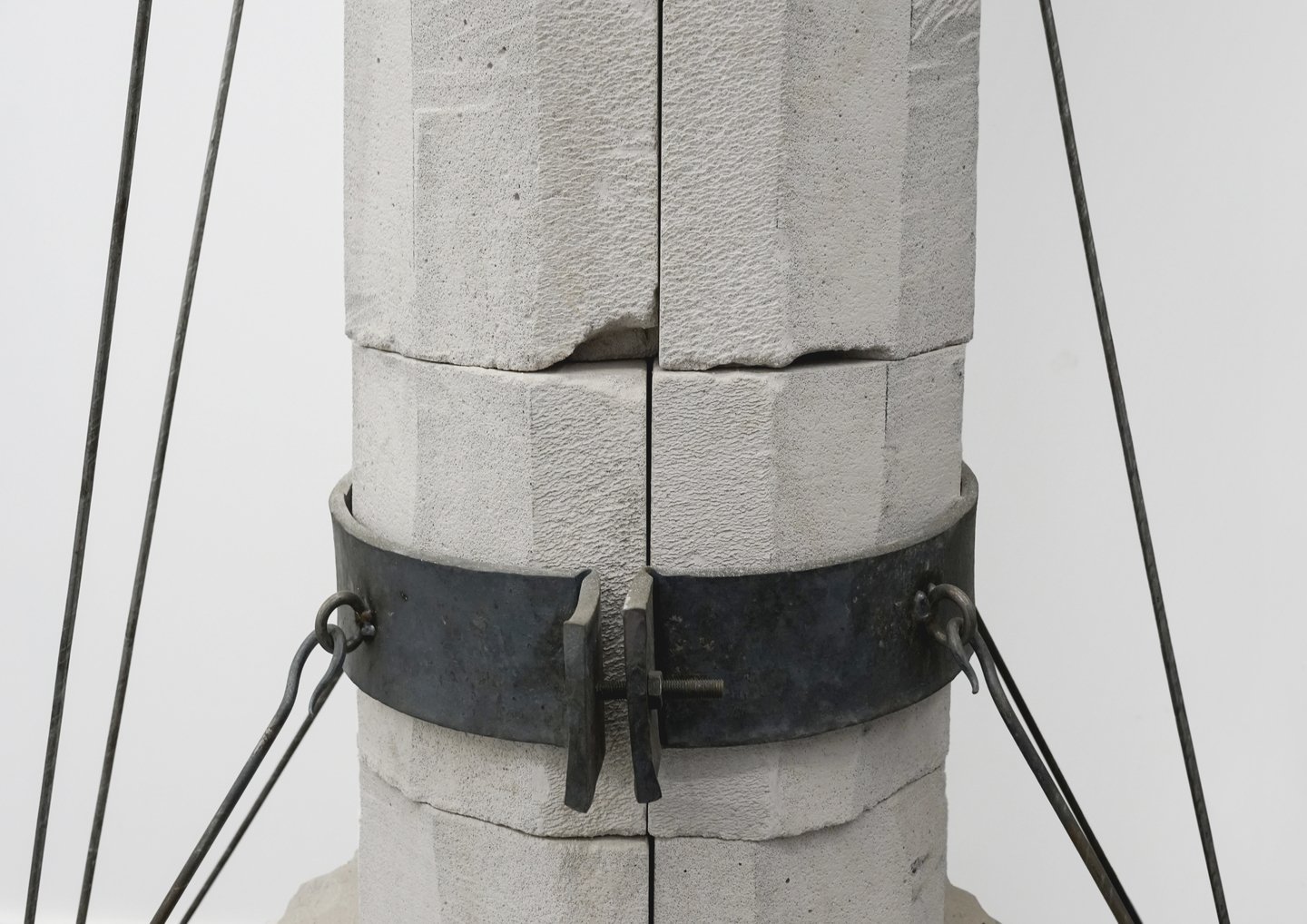
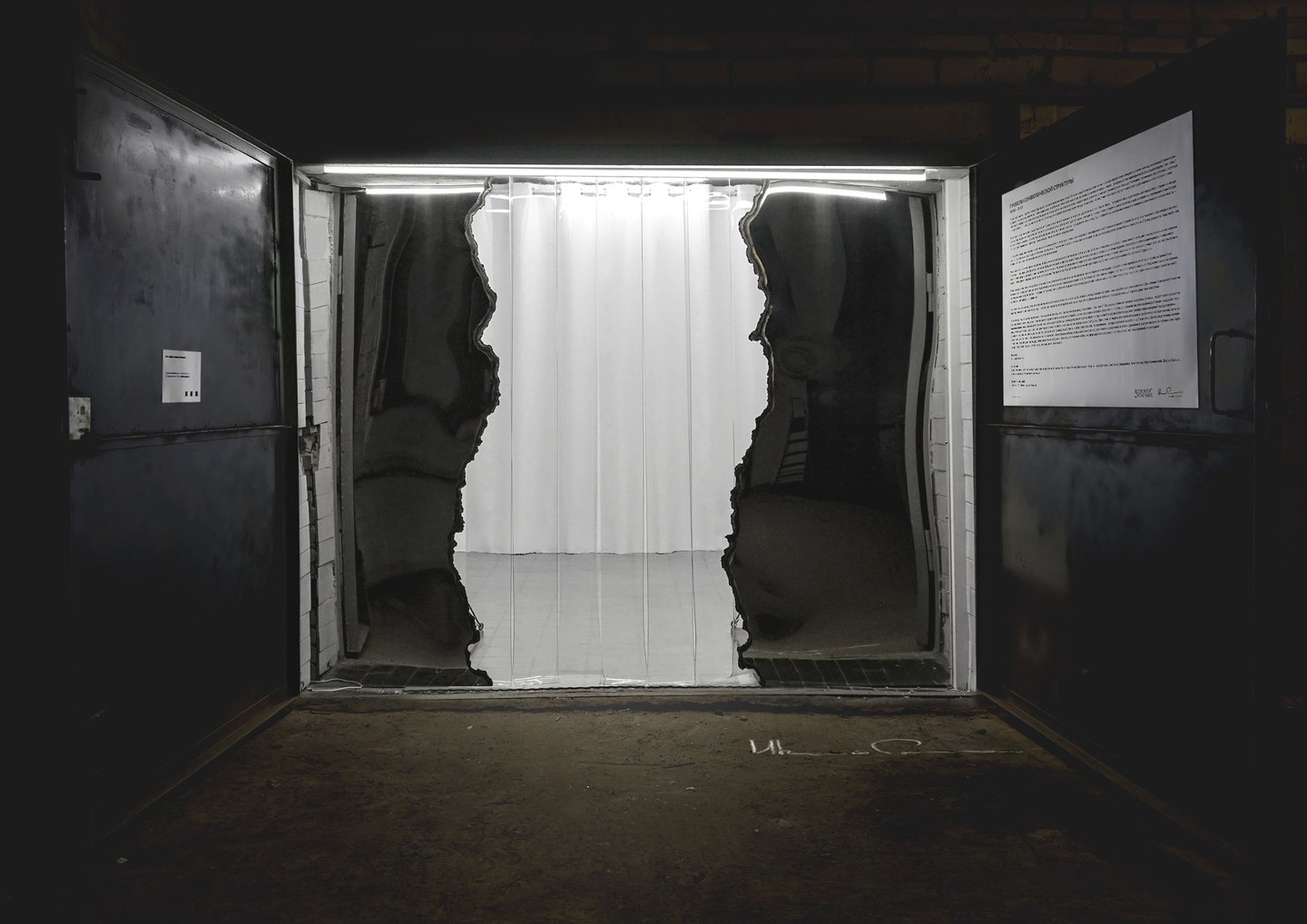
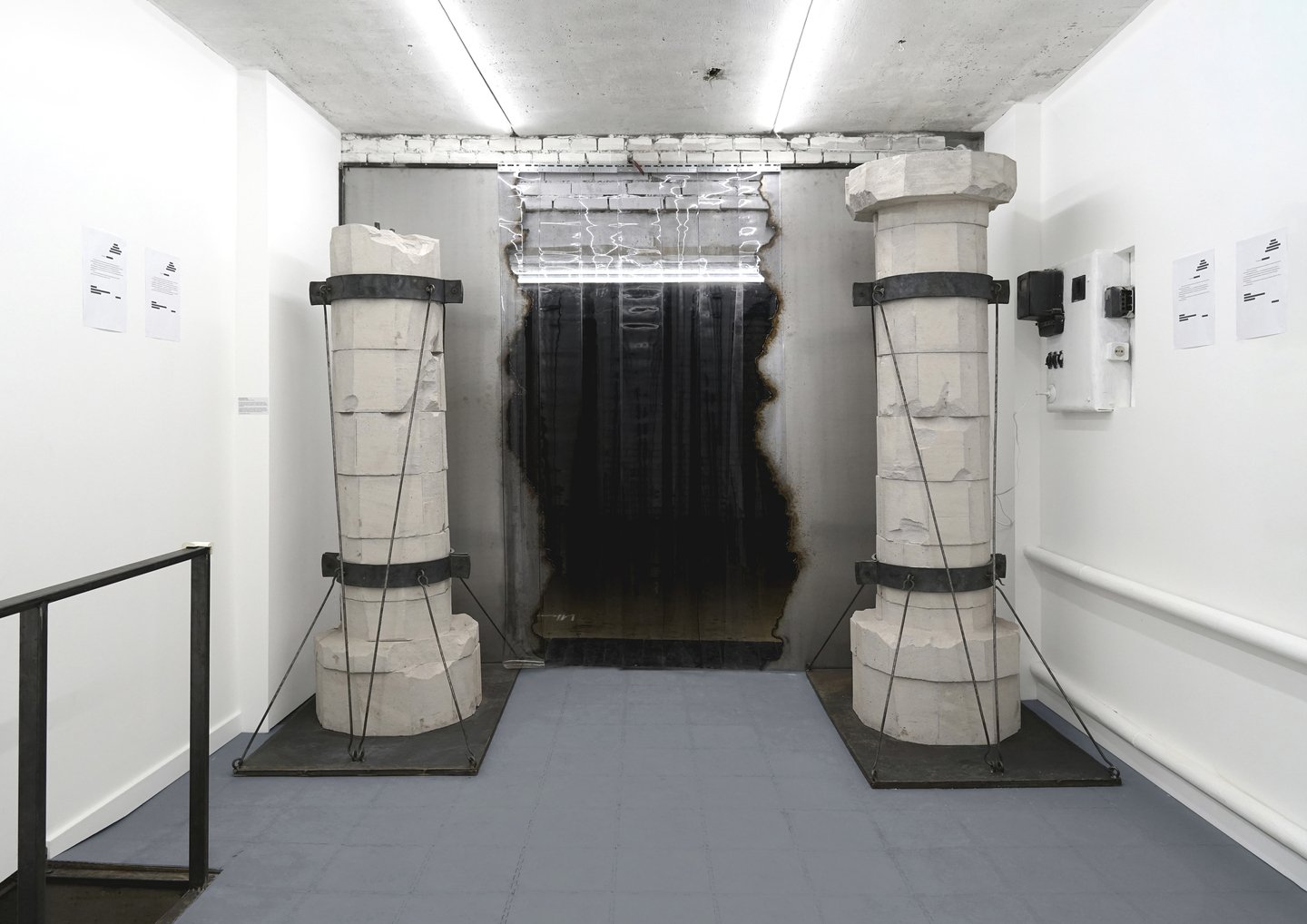
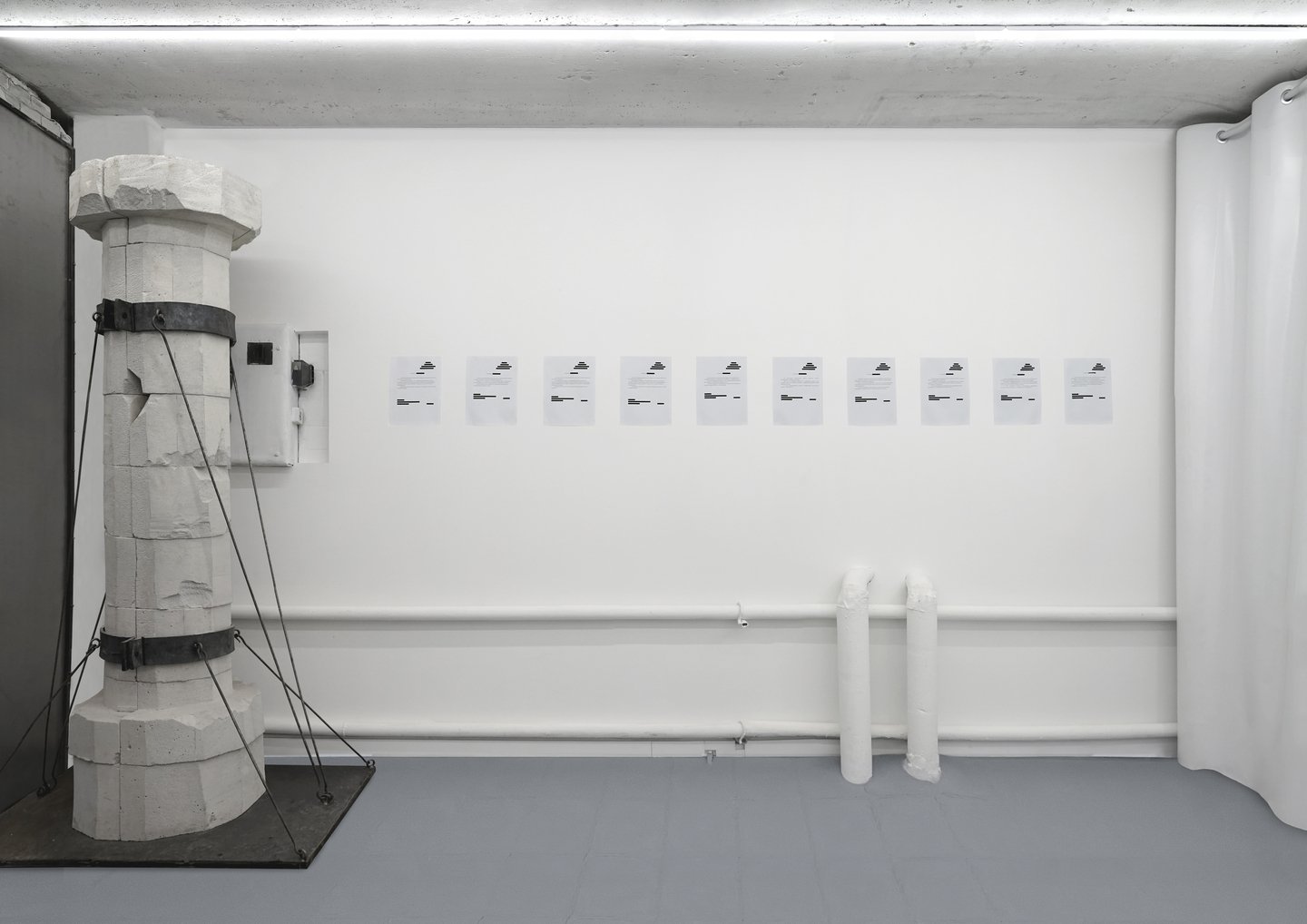
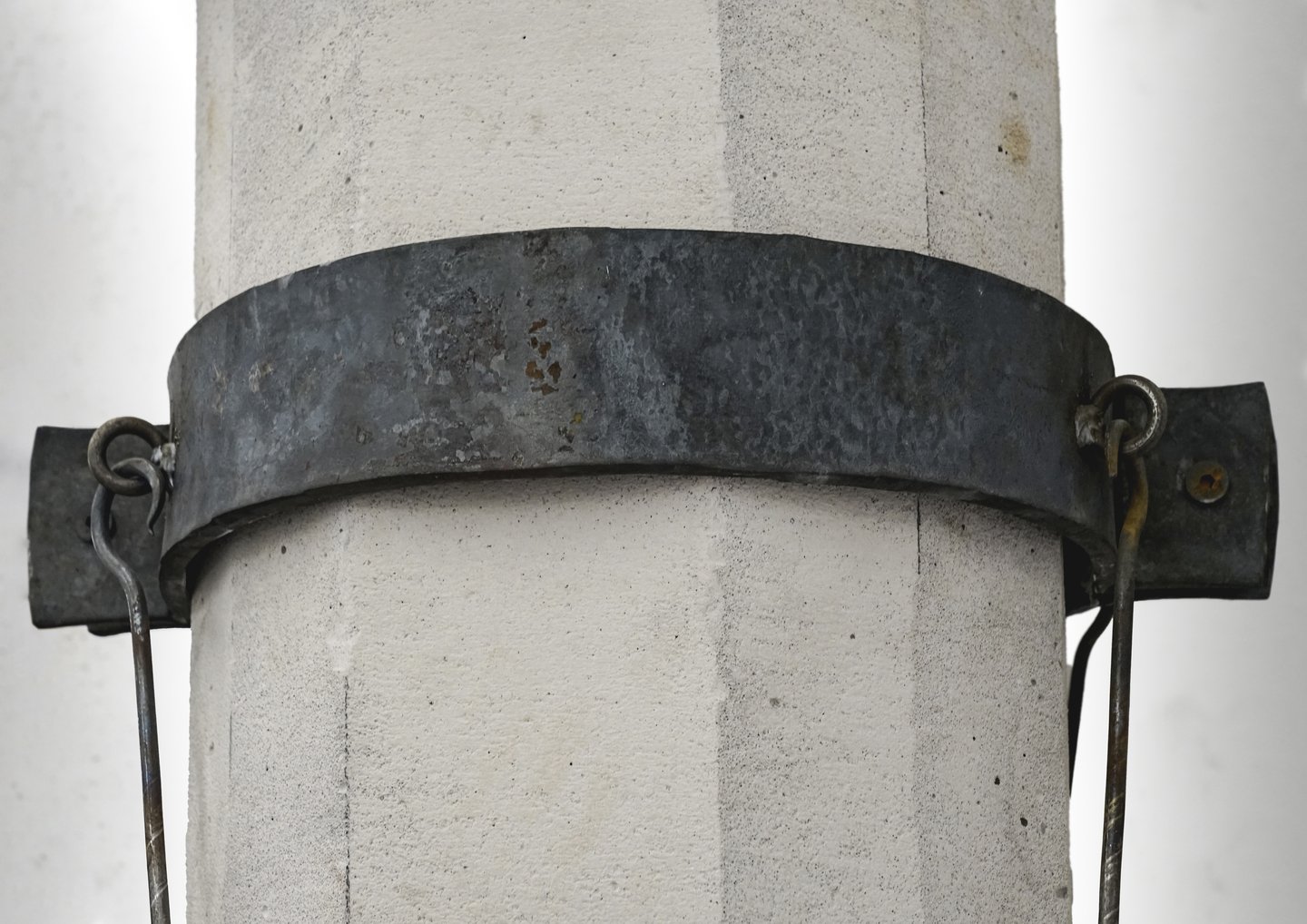
Rimma Matevosyan. Untitled, 2026
Exhibition
Zone of the Hidden and Excluded
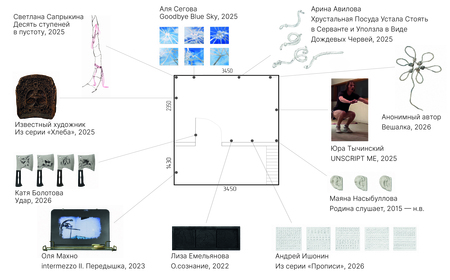
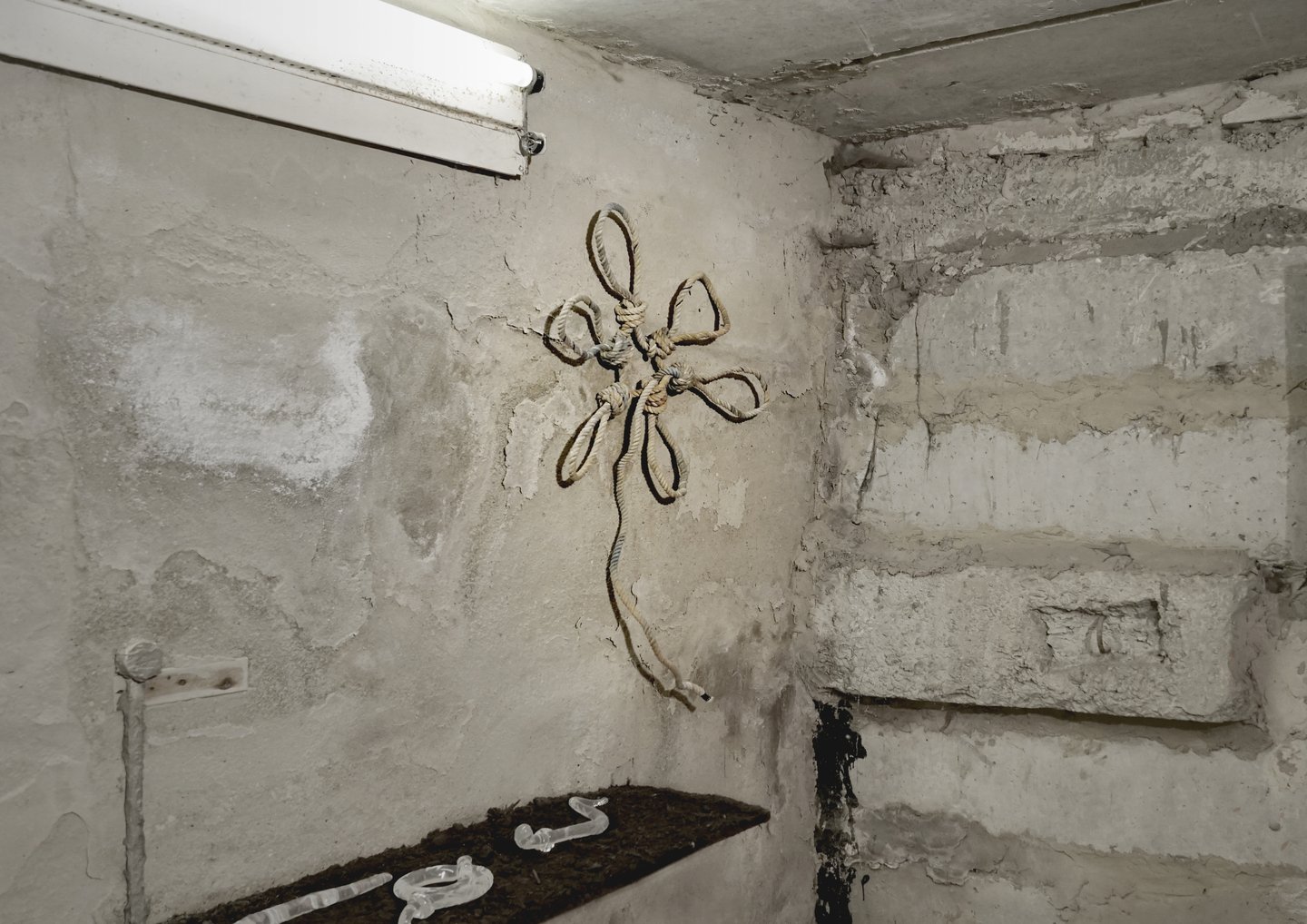
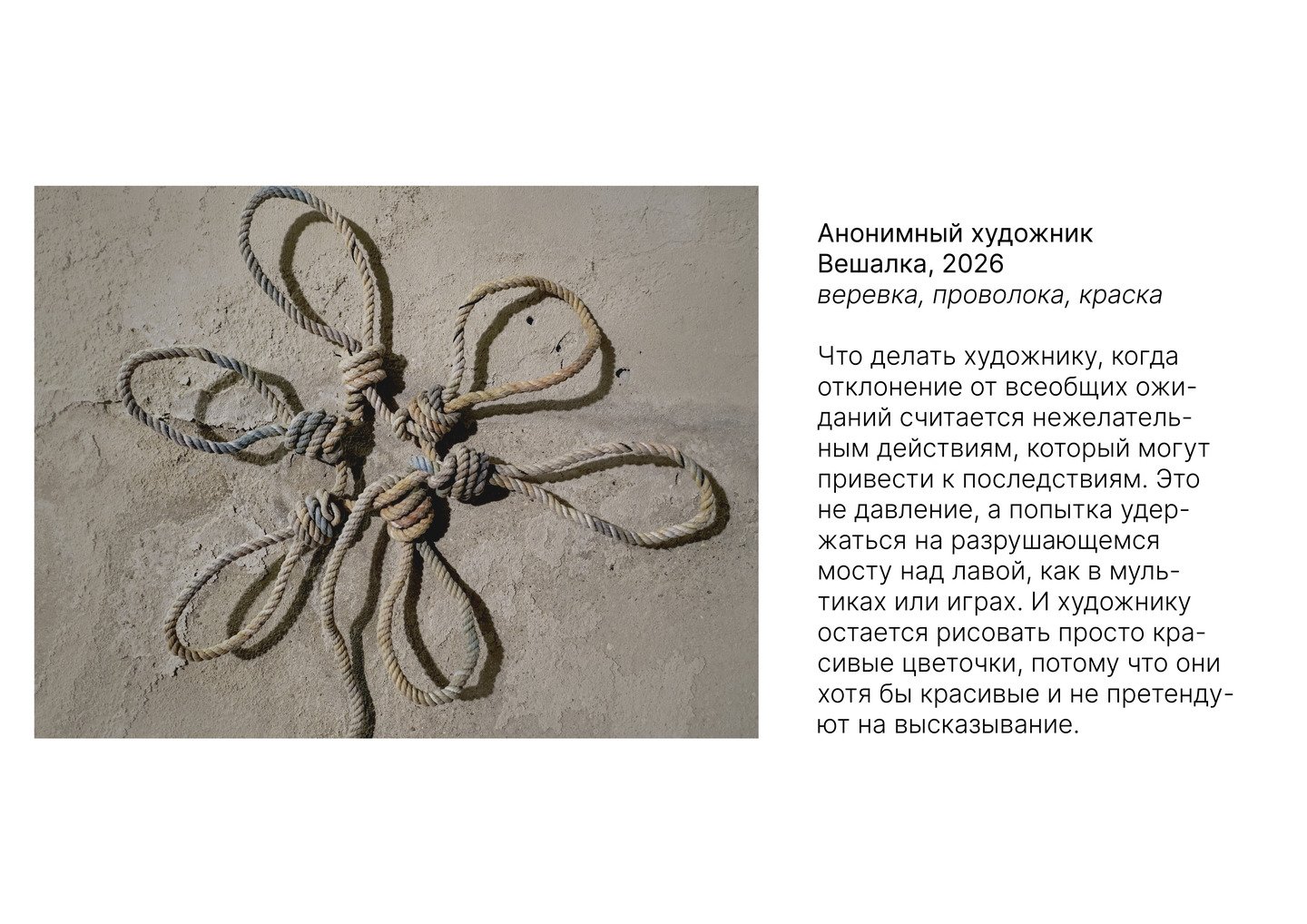
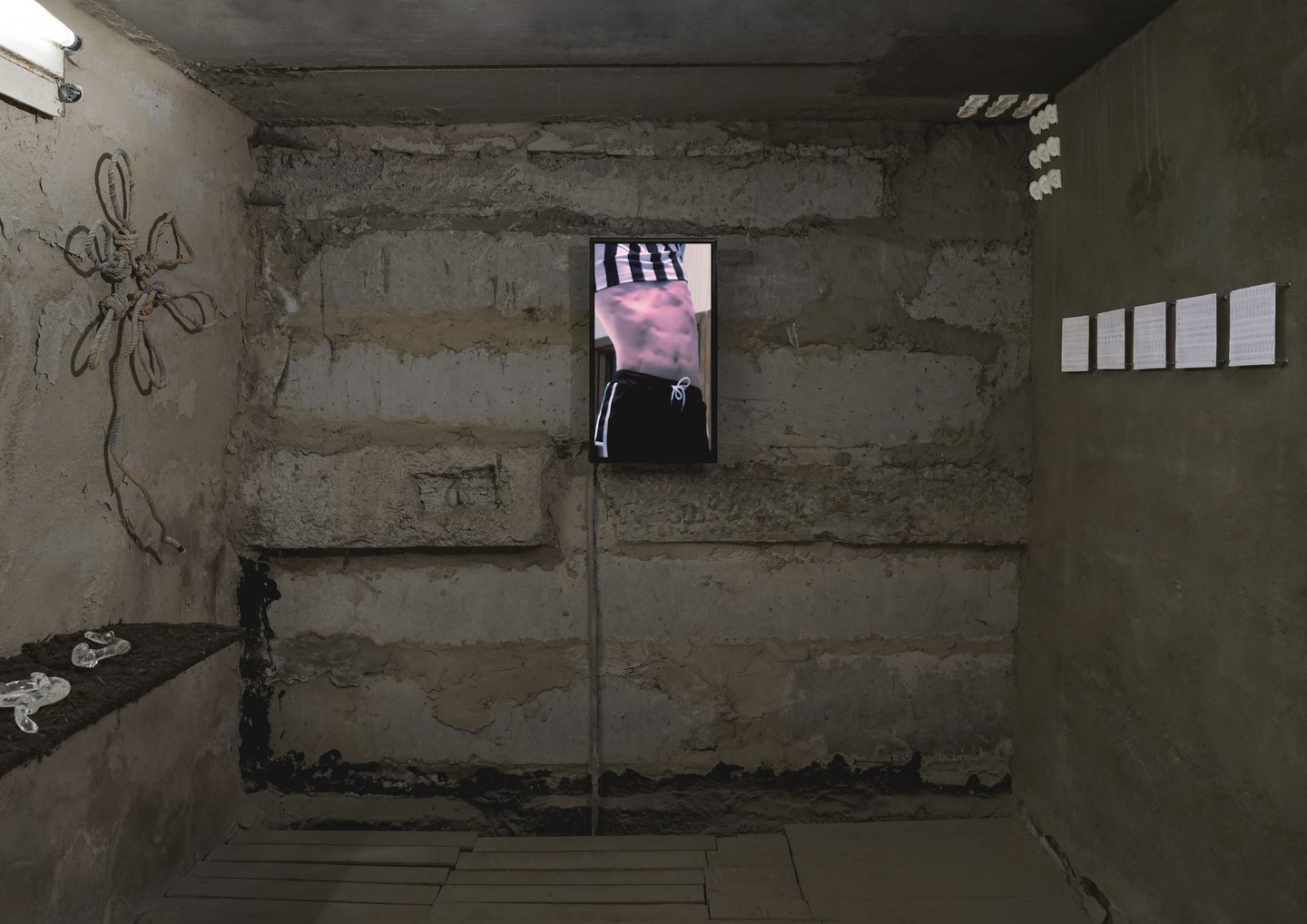
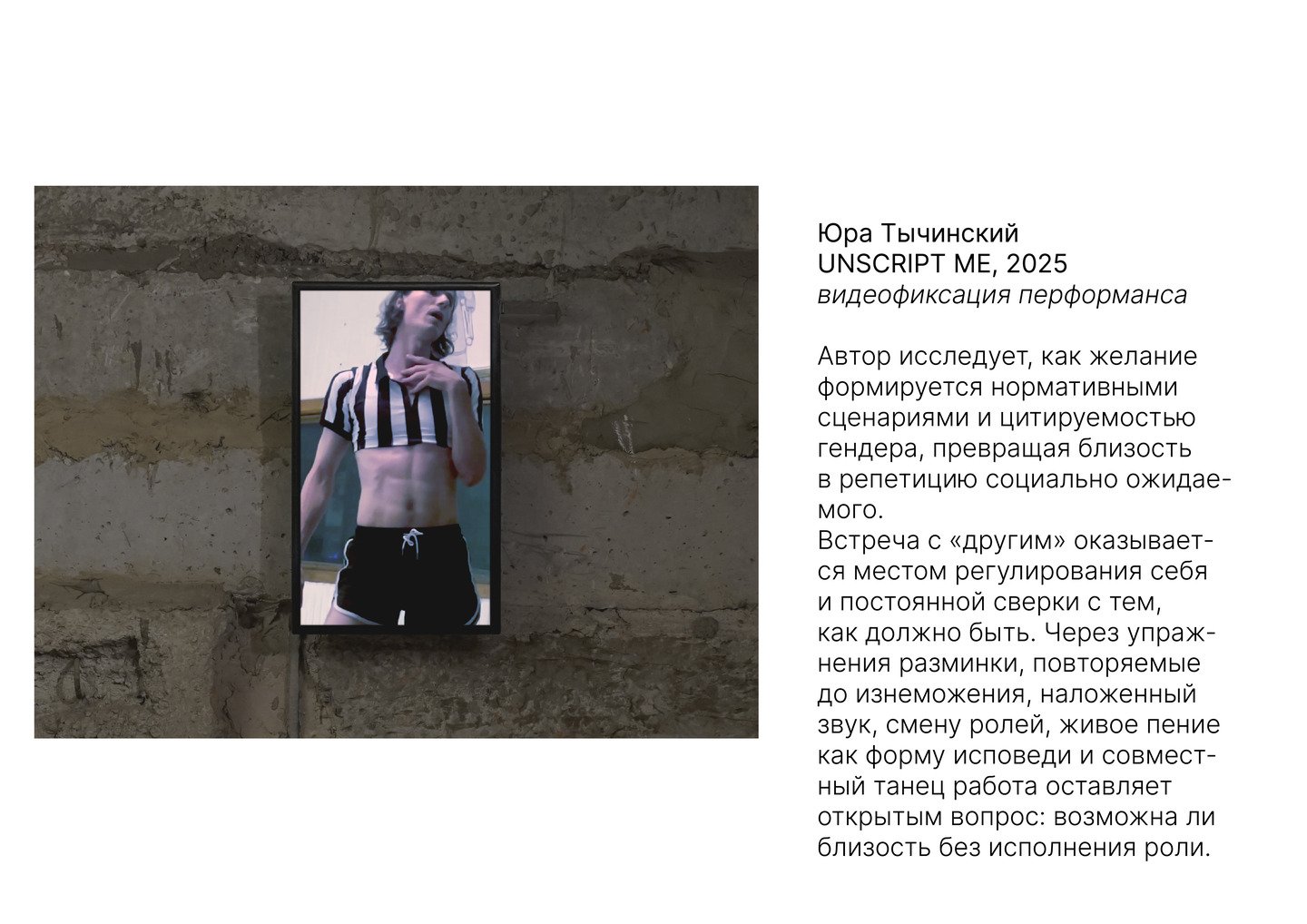
The existence of the «Zone of the Acceptable and Formative» results in the «Zone of the Hidden and Excluded, ” which gathers works that fall outside the scope of what is considered „acceptable“: pieces created „in storage, ” removed by artists from their public portfolios, or those that did not pass institutional approval processes. This exhibition section was located in the basement.
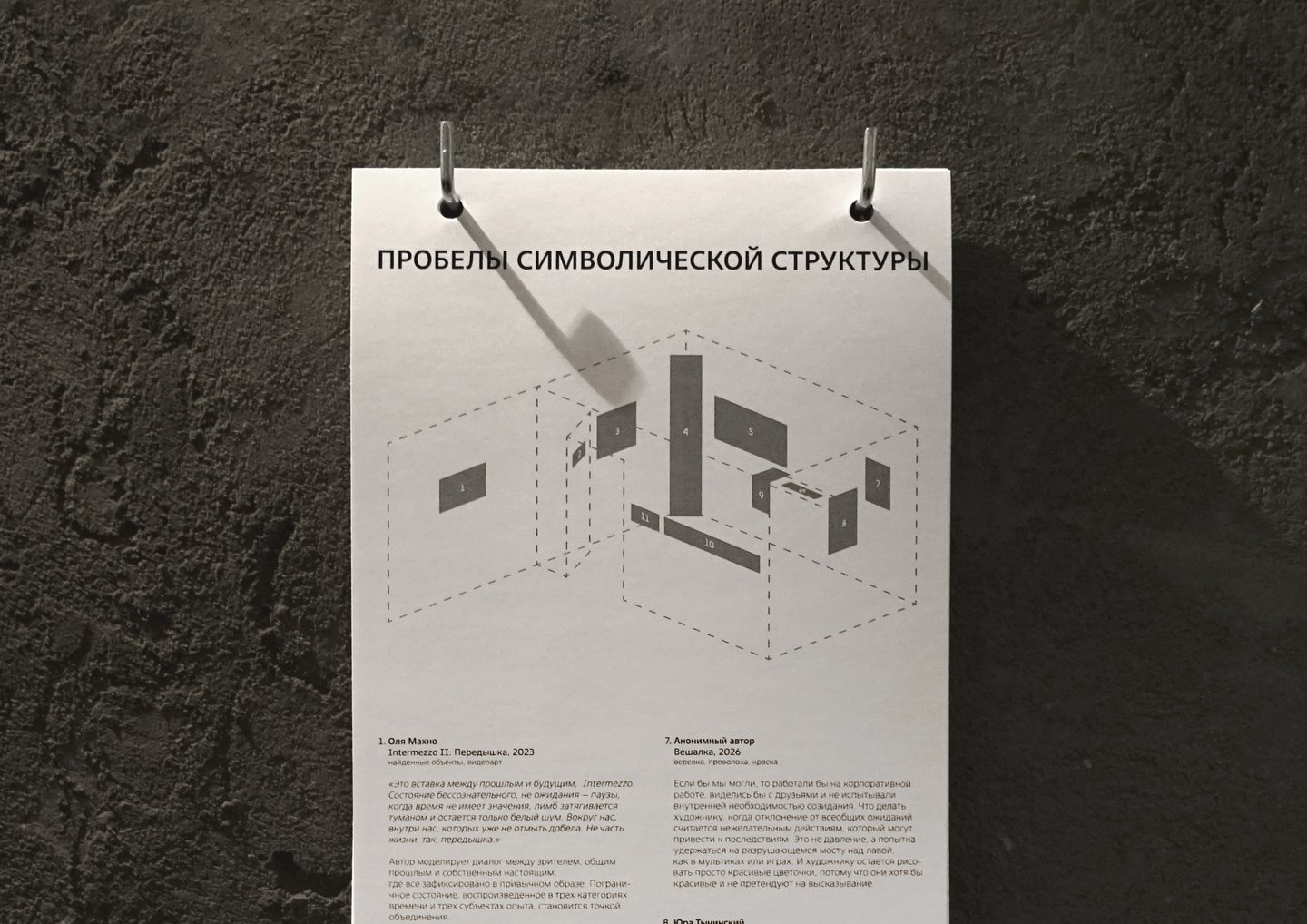
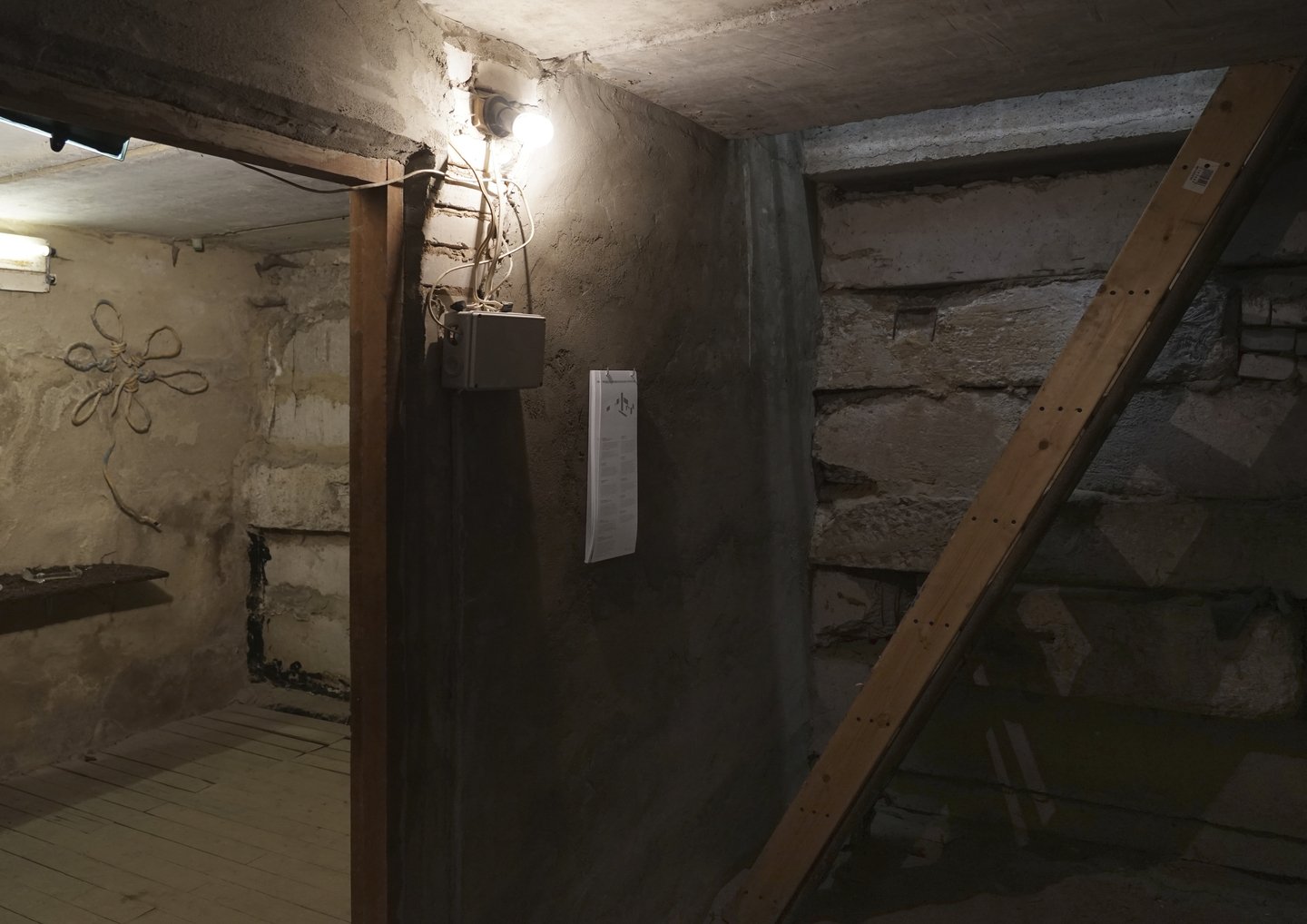
The decision of whether an artist’s work can enter the institutional sphere increasingly depends on numerous subjective interpretations and associative projections made by the assessor. Attention tends to focus more on formal attributes than on the actual content of the piece. The absence of clear criteria and principles prevents the formulation of distinct «rules of compliance.» Differences in understanding and interpretation accumulate, and what might initially not have been perceived as forbidden becomes so through successive shifts. Thus, these restrictions assume a chaotic nature of influence, and their substance becomes absurd. Furthermore, self-censorship arises not only as a reaction to prohibition but also as an anticipation of it. The artist correlates the statement with presumed boundaries in advance, so some works are not excluded after presentation, but initially do not strive to enter the institutional sphere; the artist resorts to indirect discourse. This combination of processes affects the content of the public context—the field of the «permissible"—which remains incomplete.
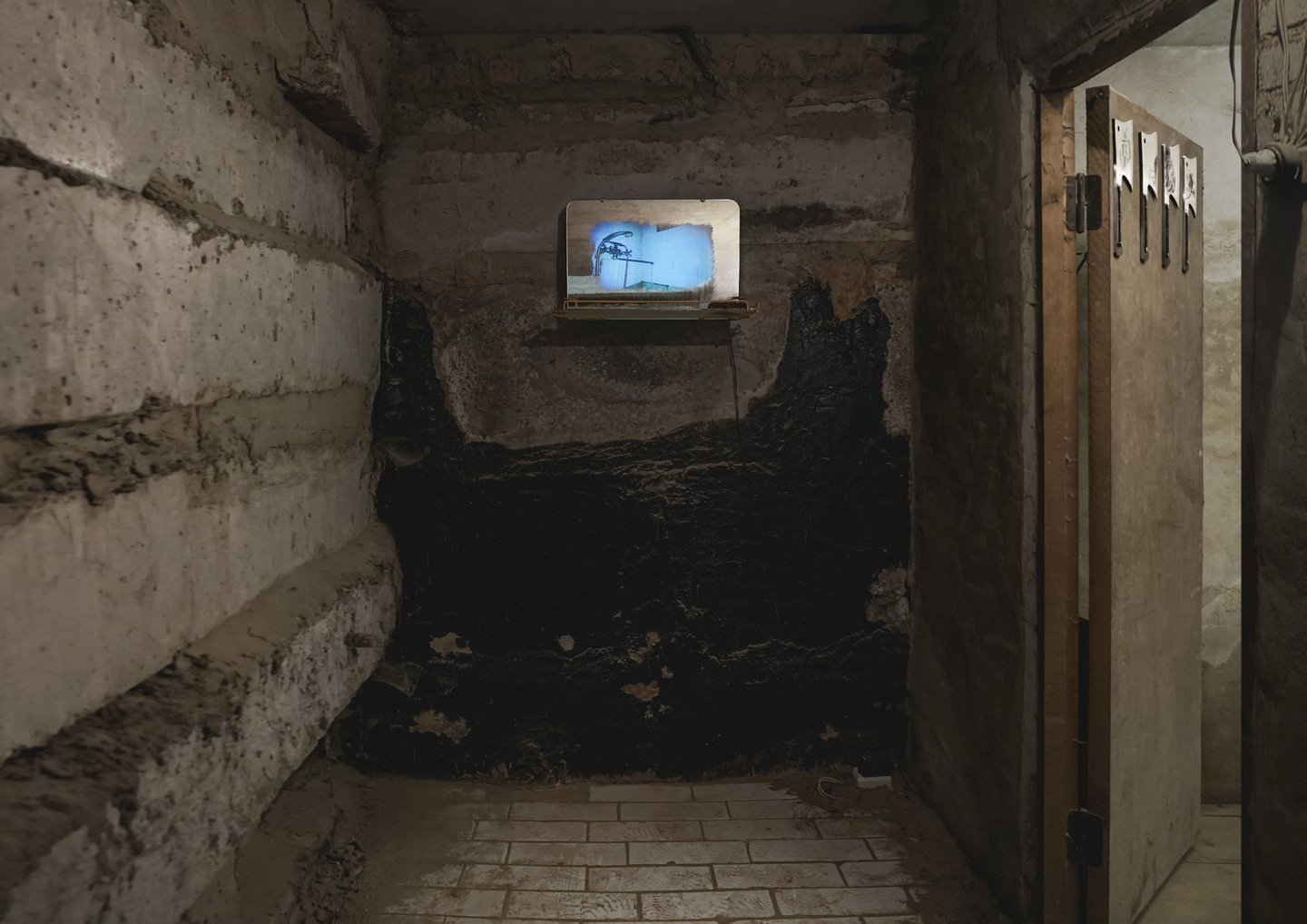
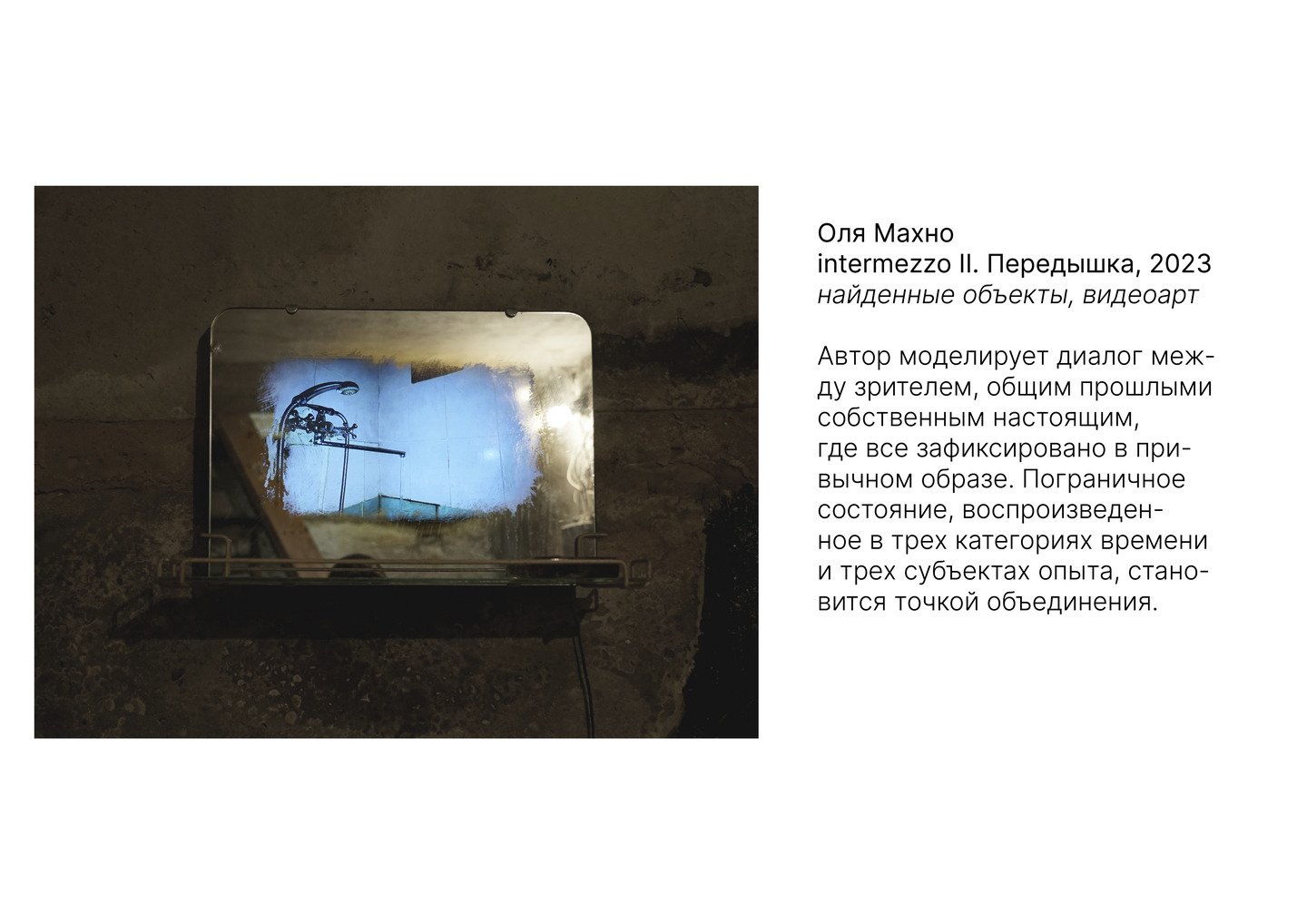
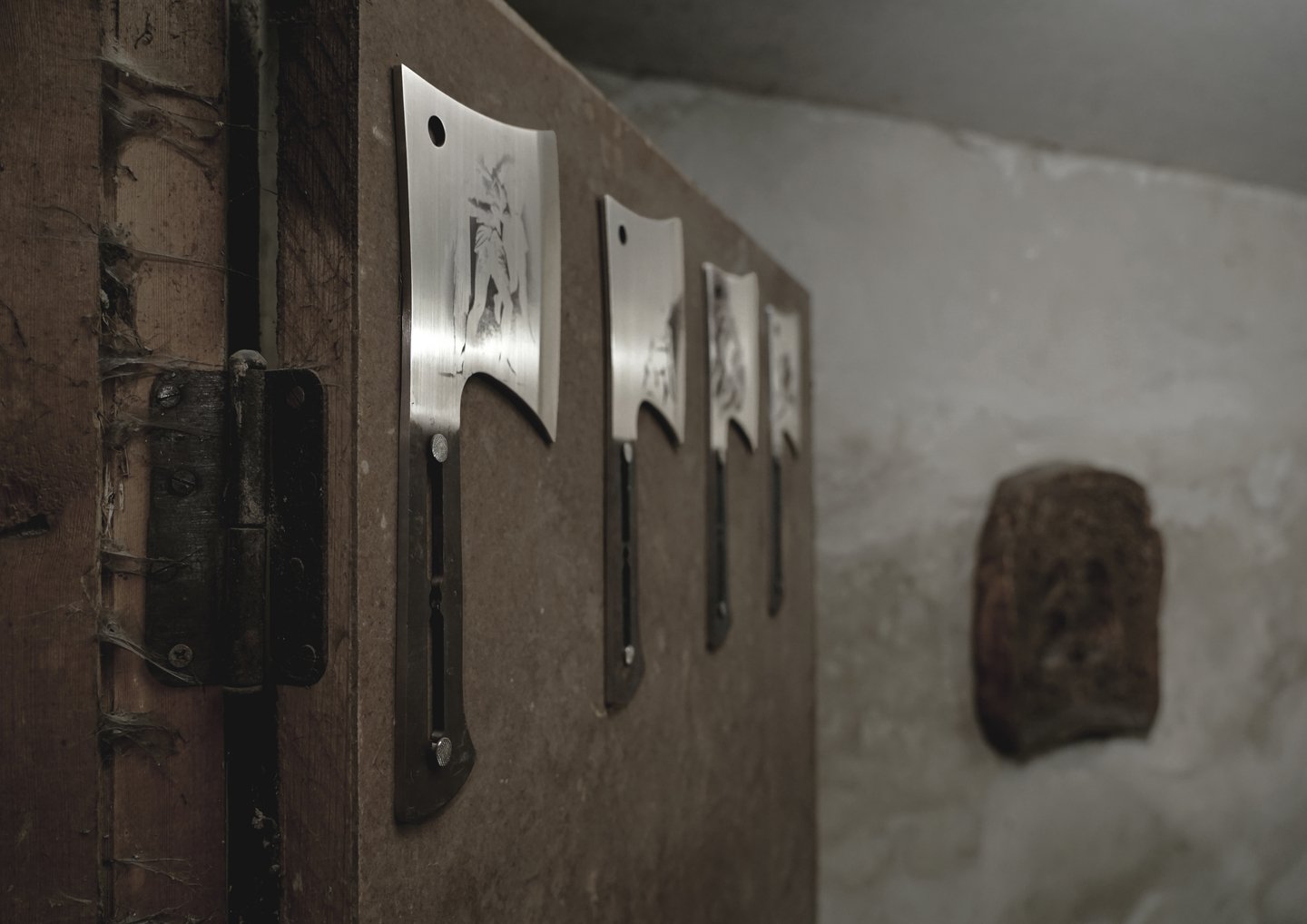
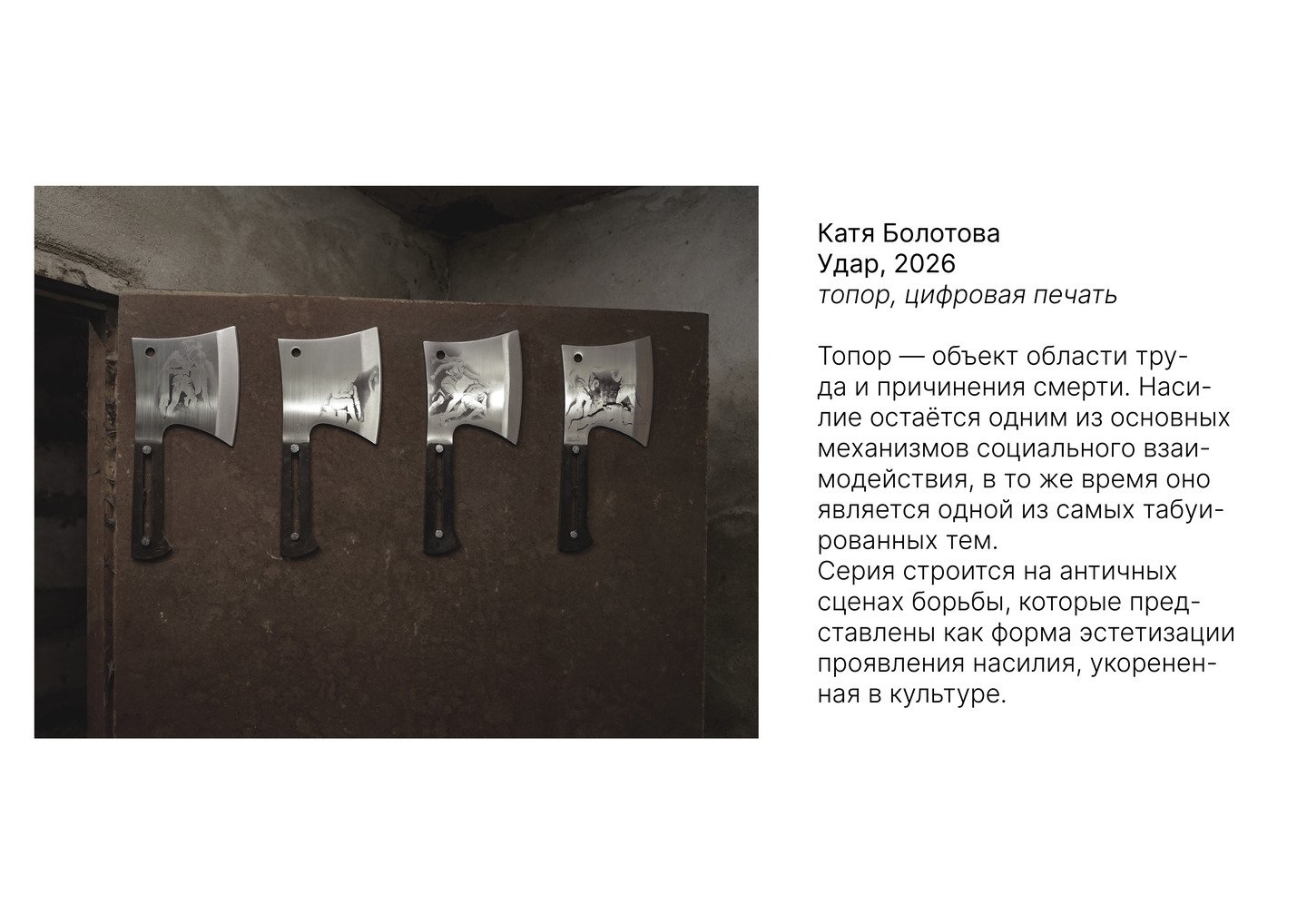
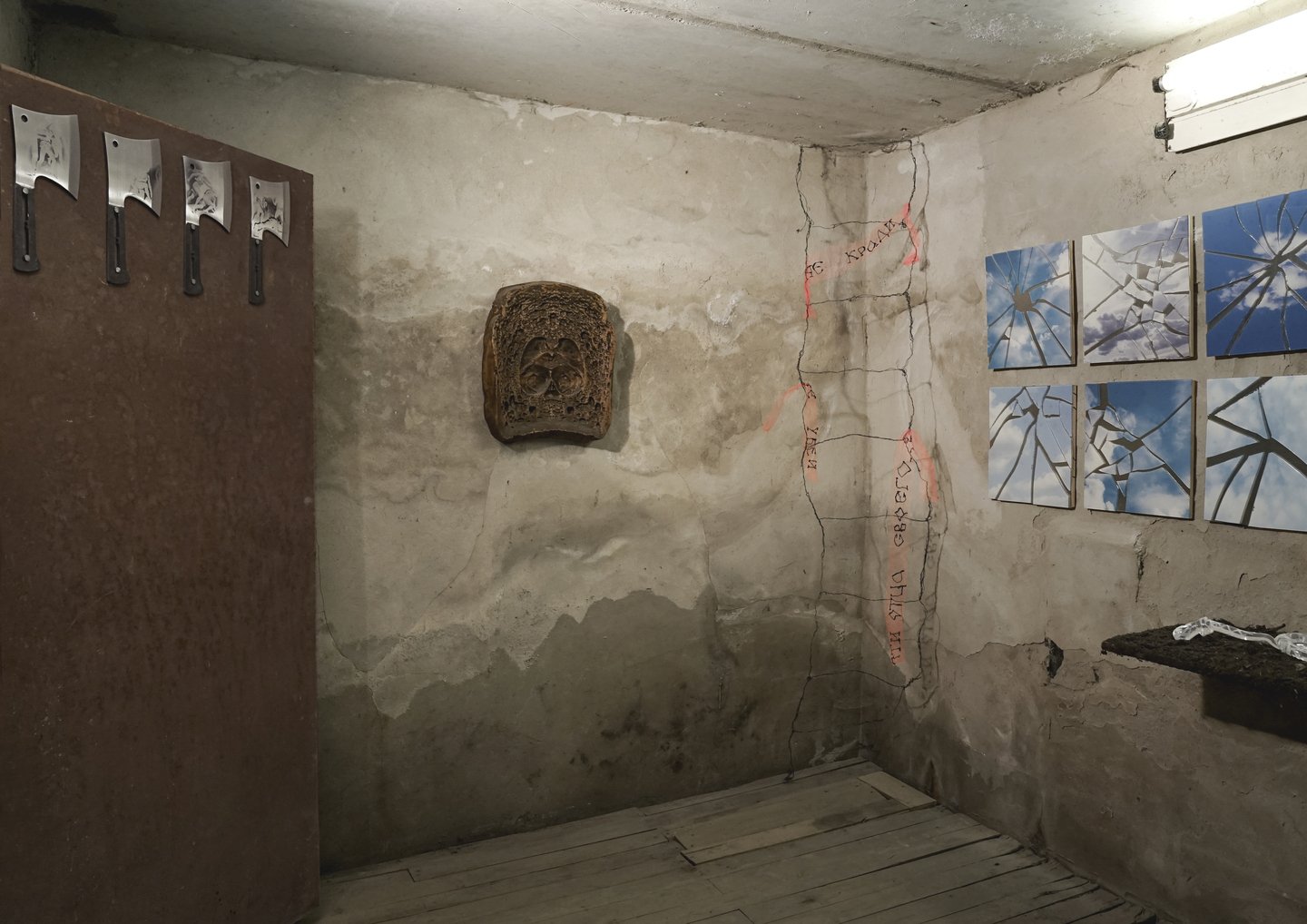
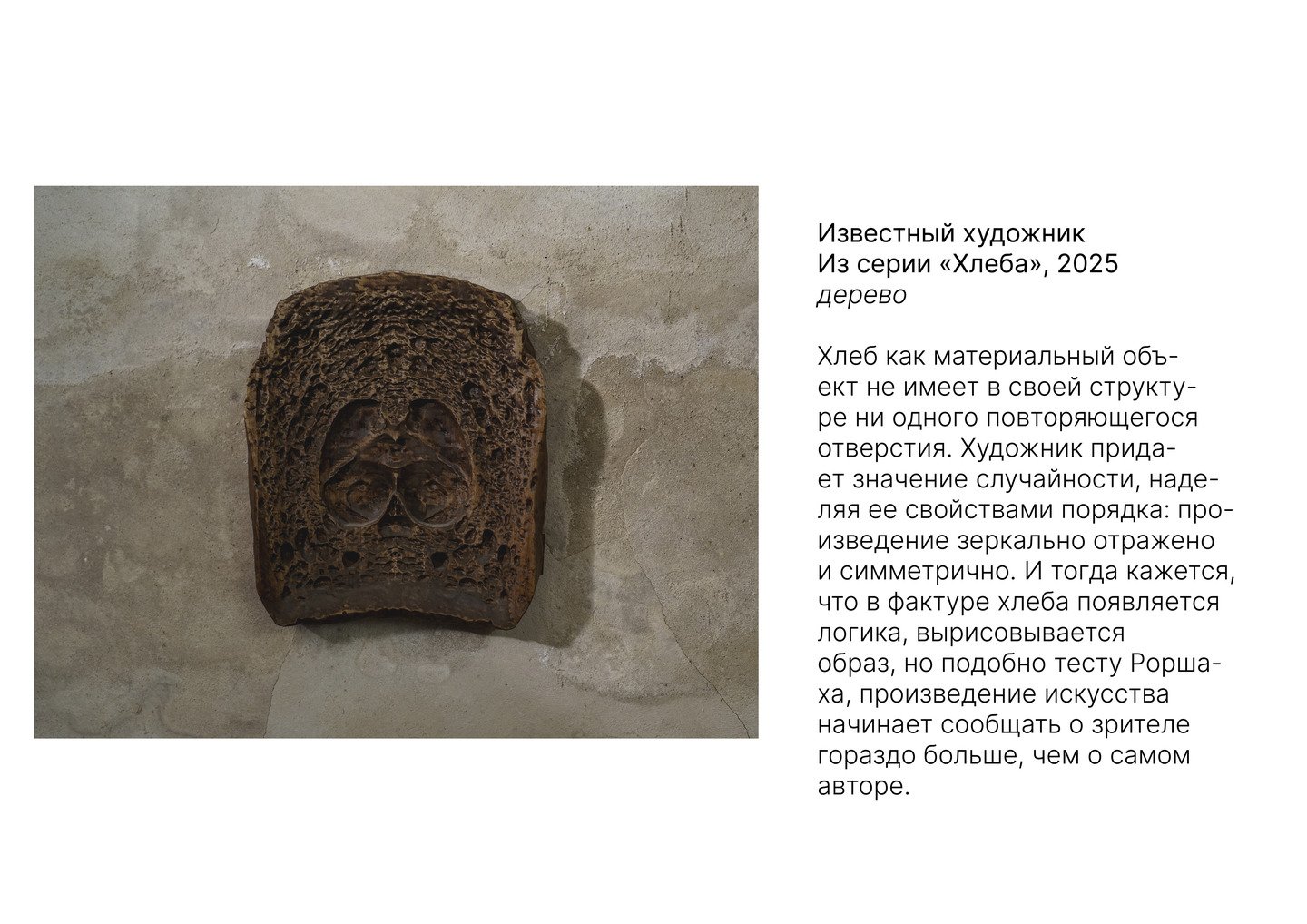
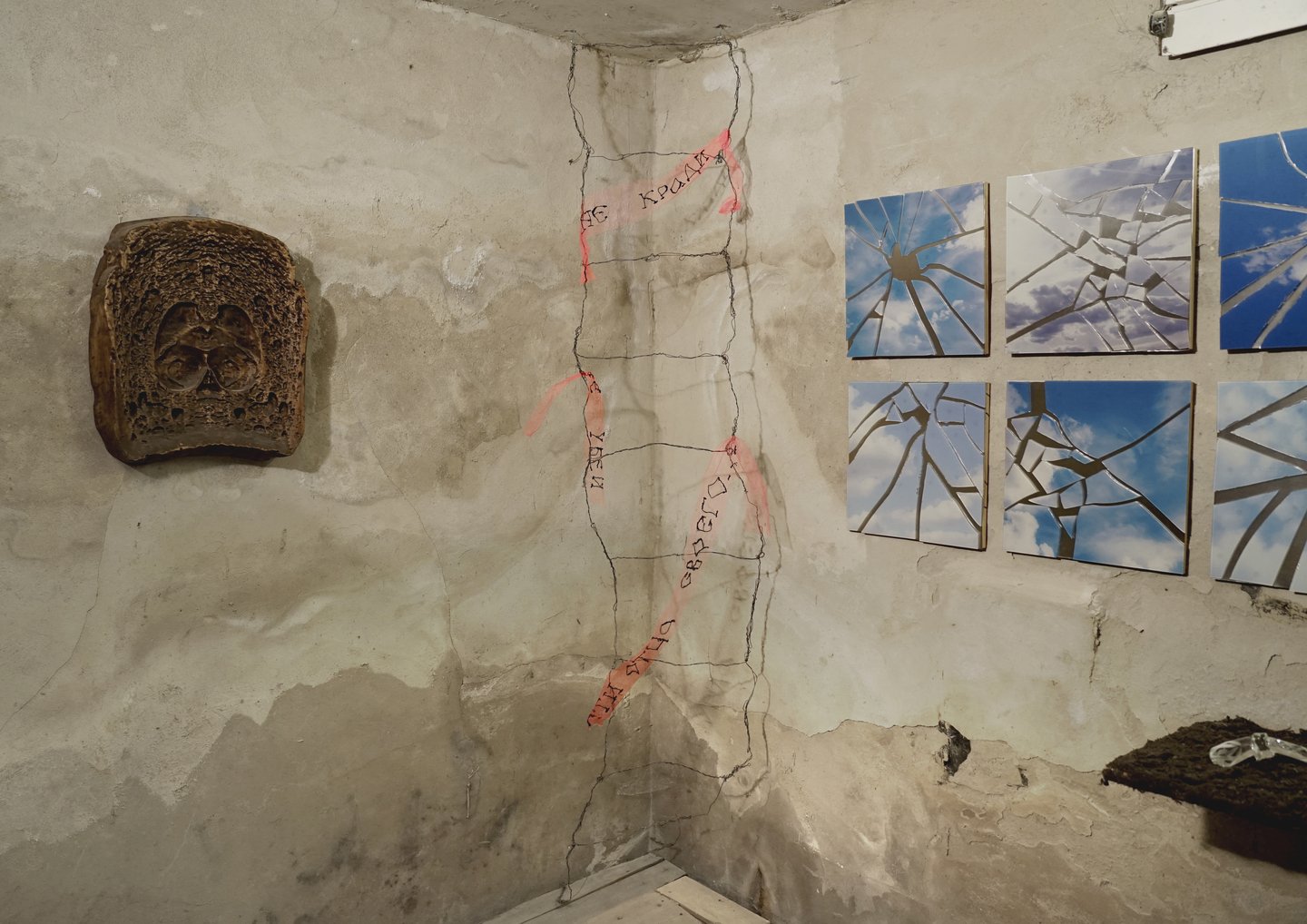
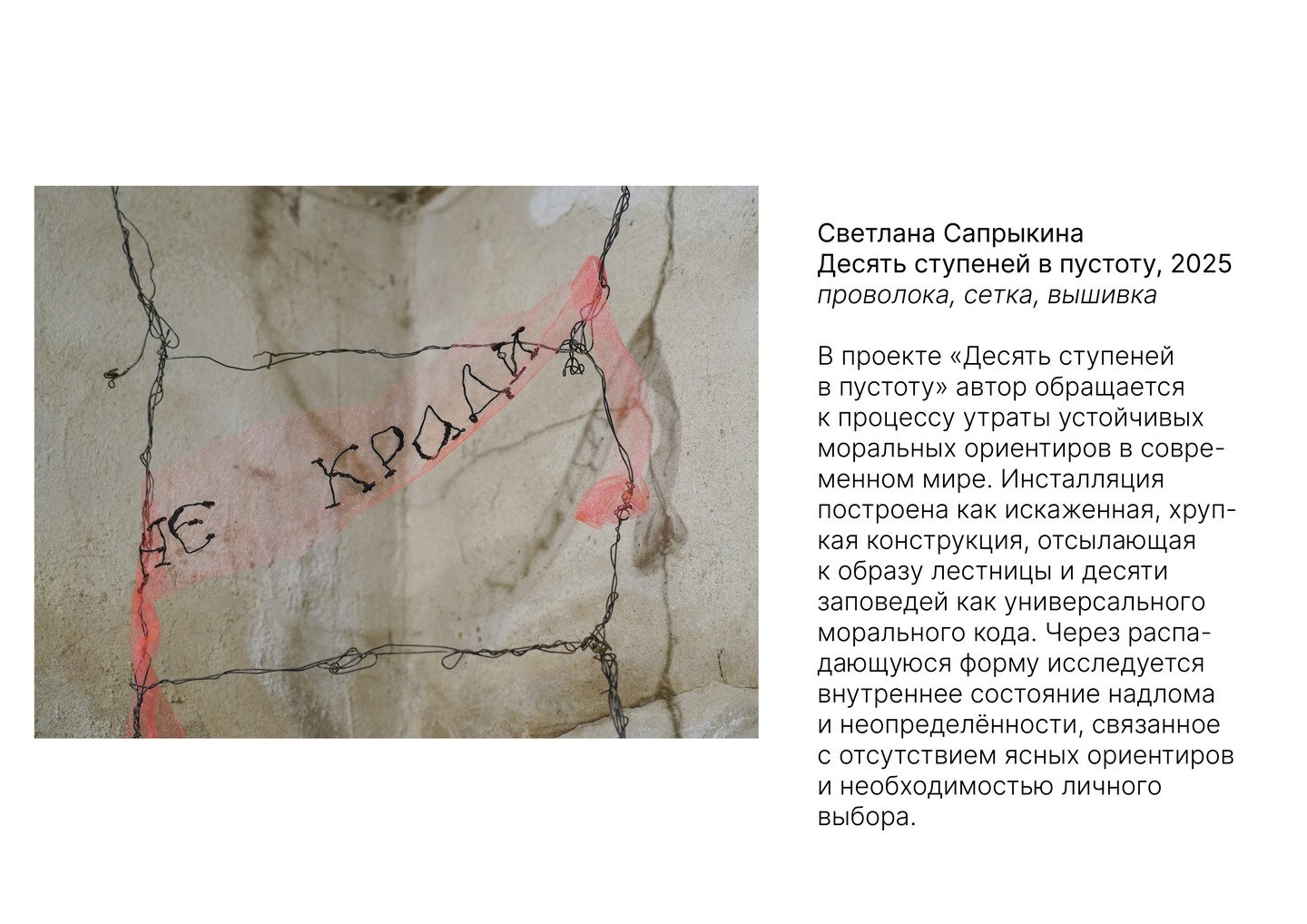
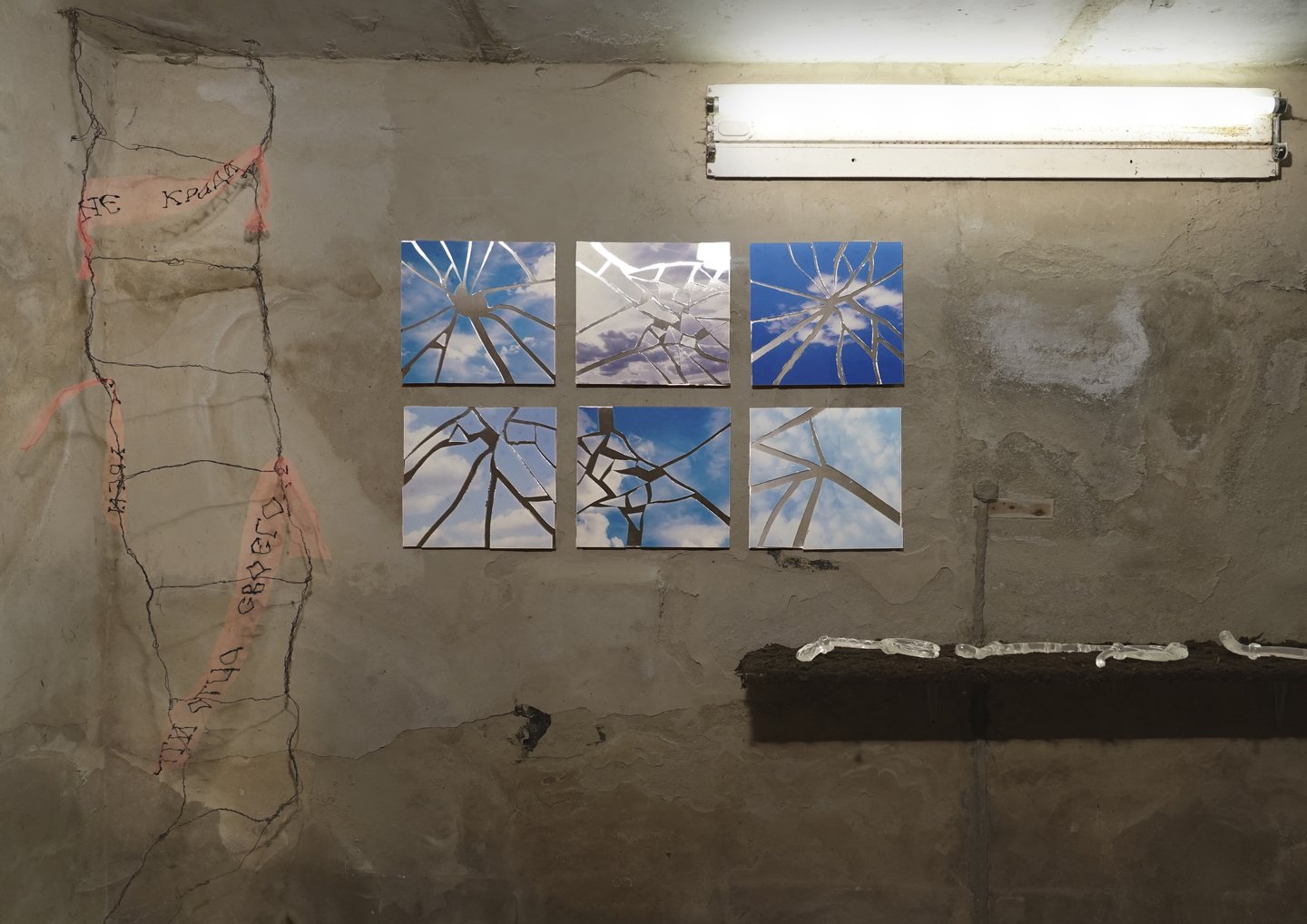
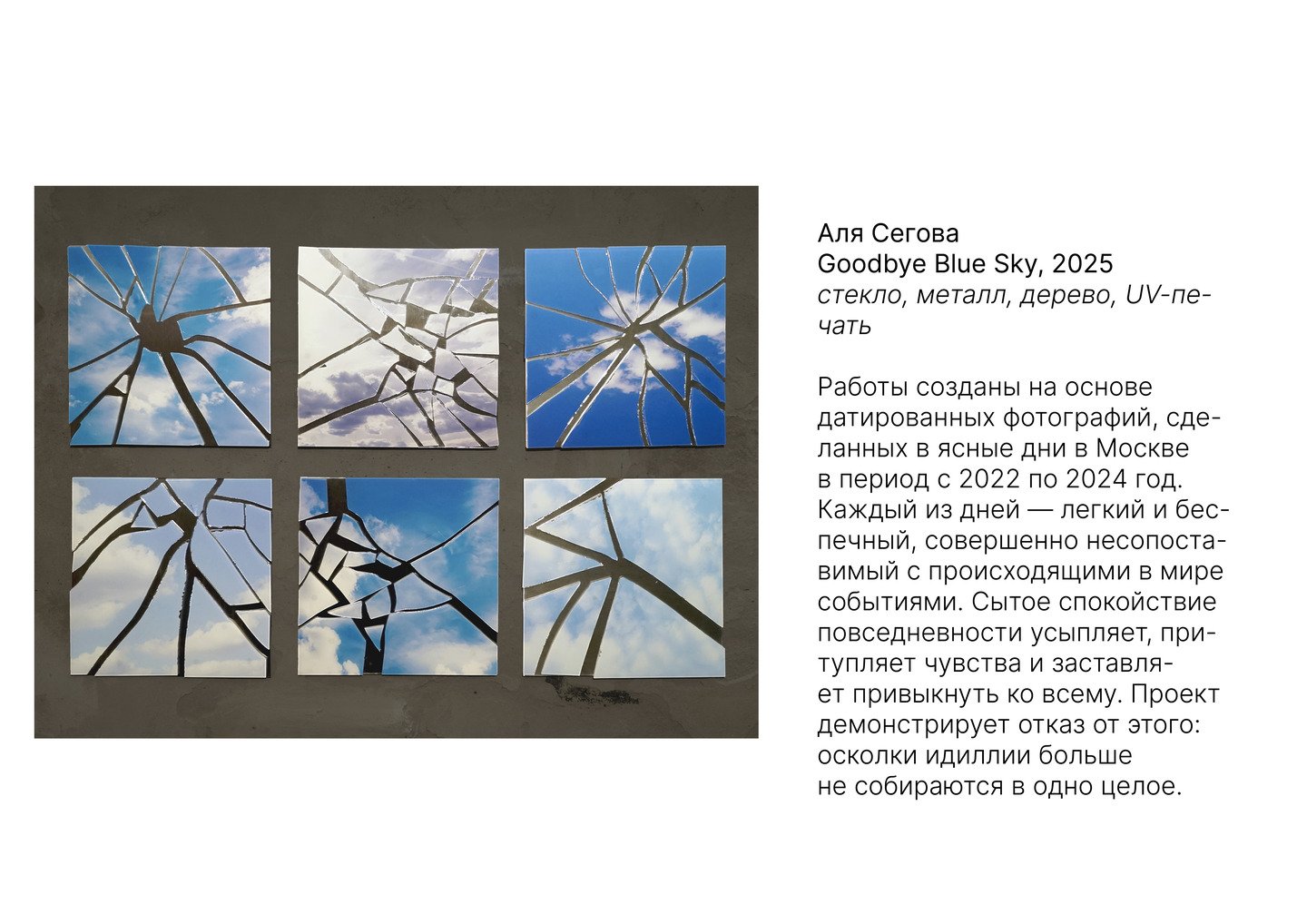
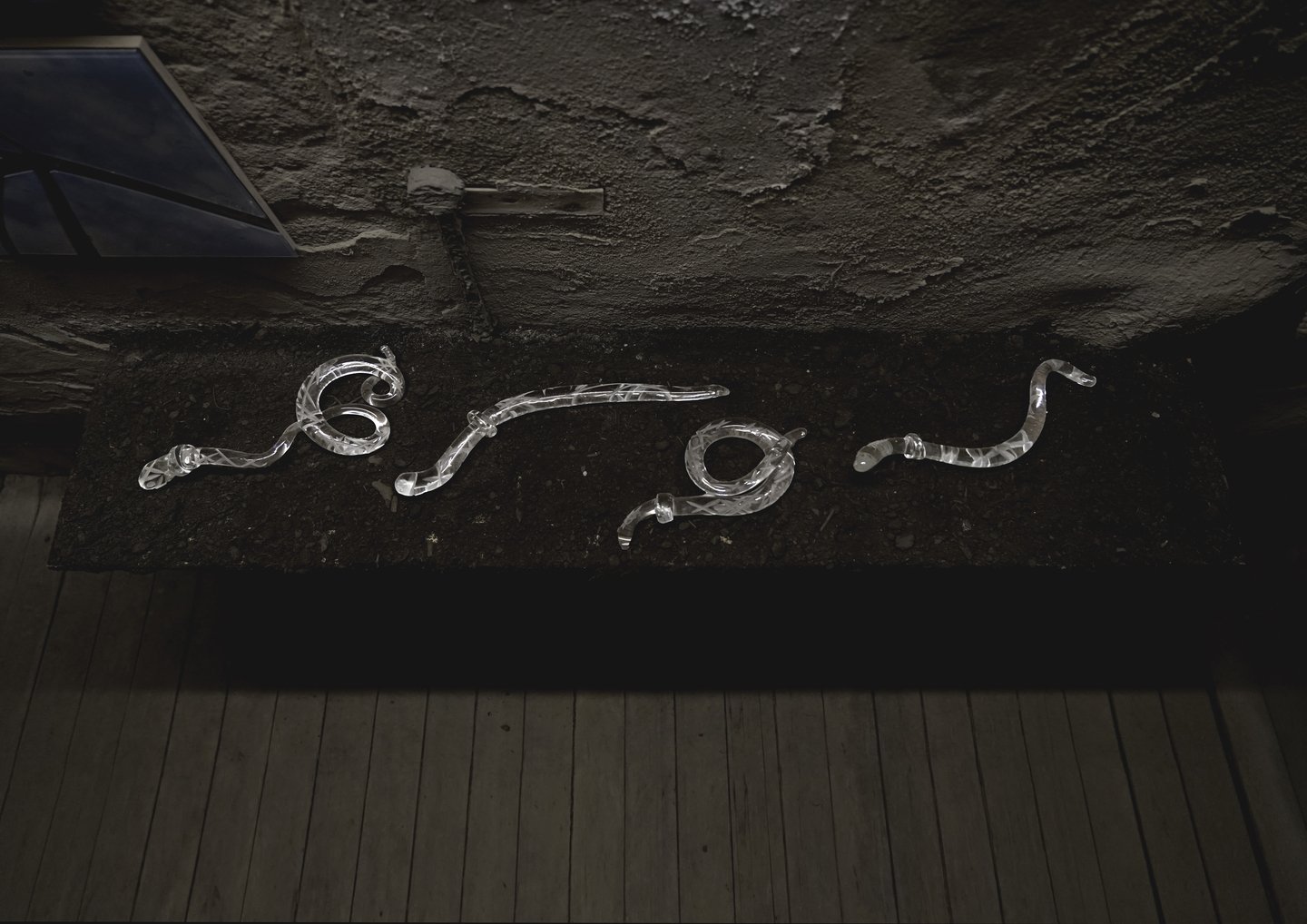
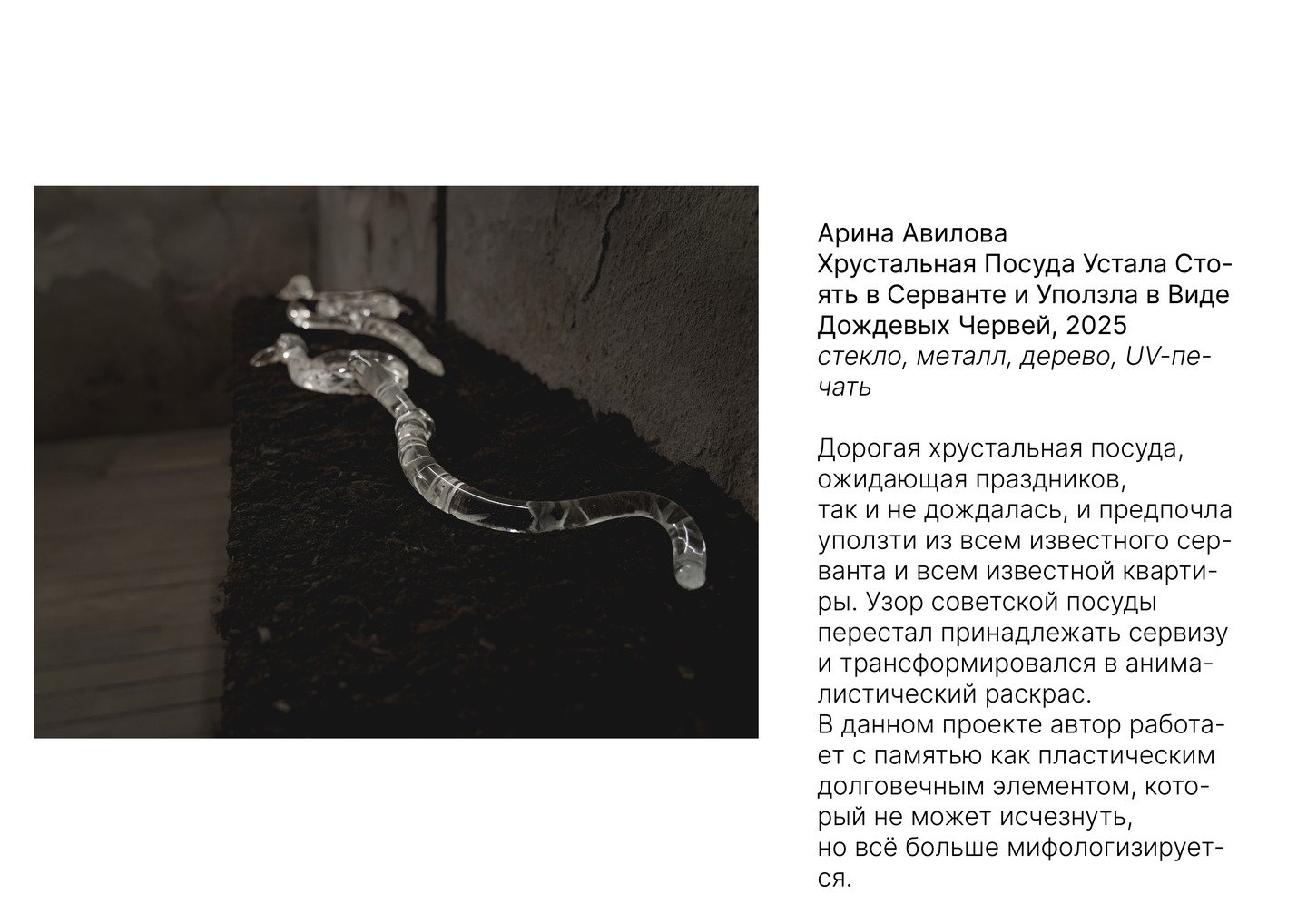
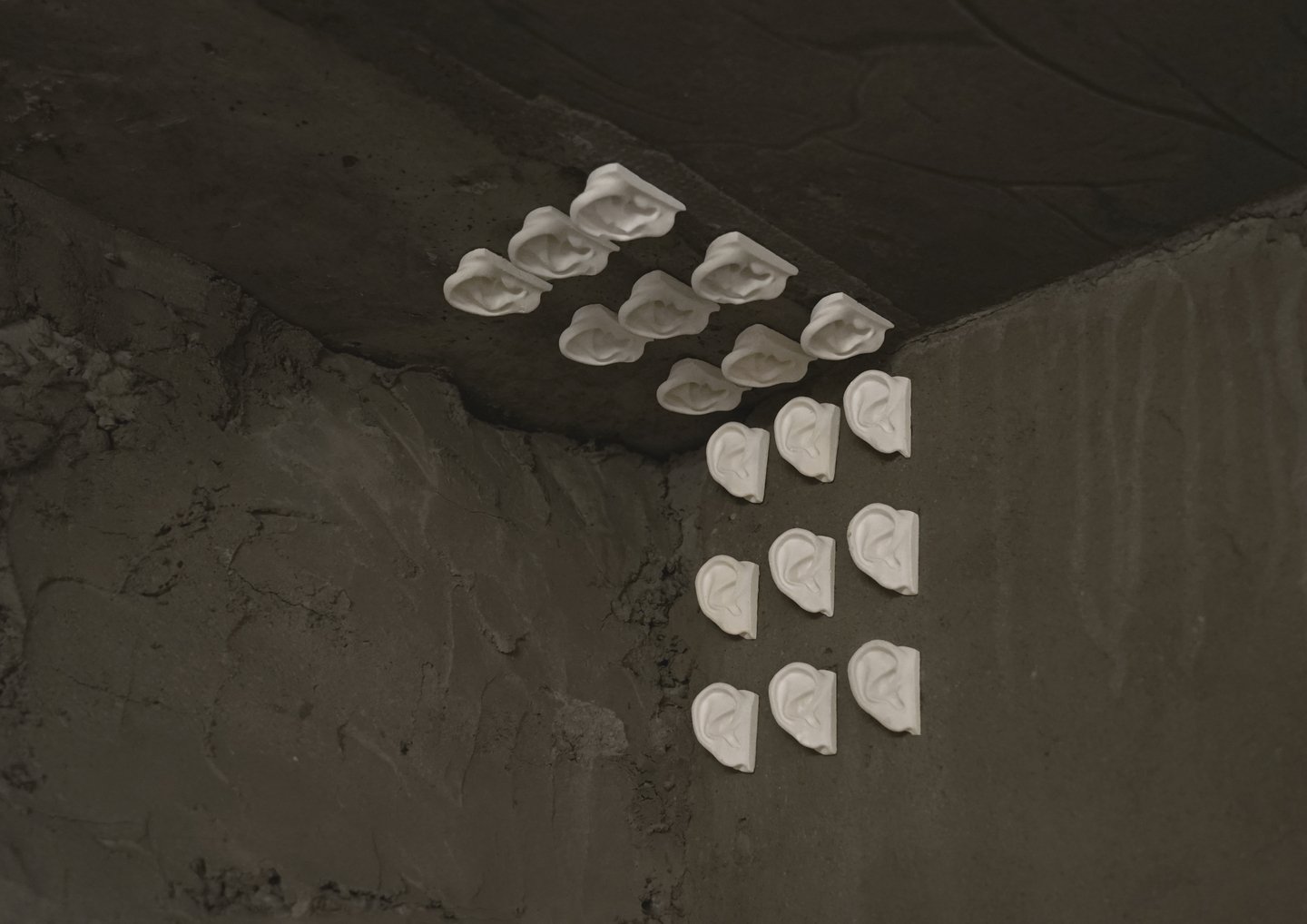
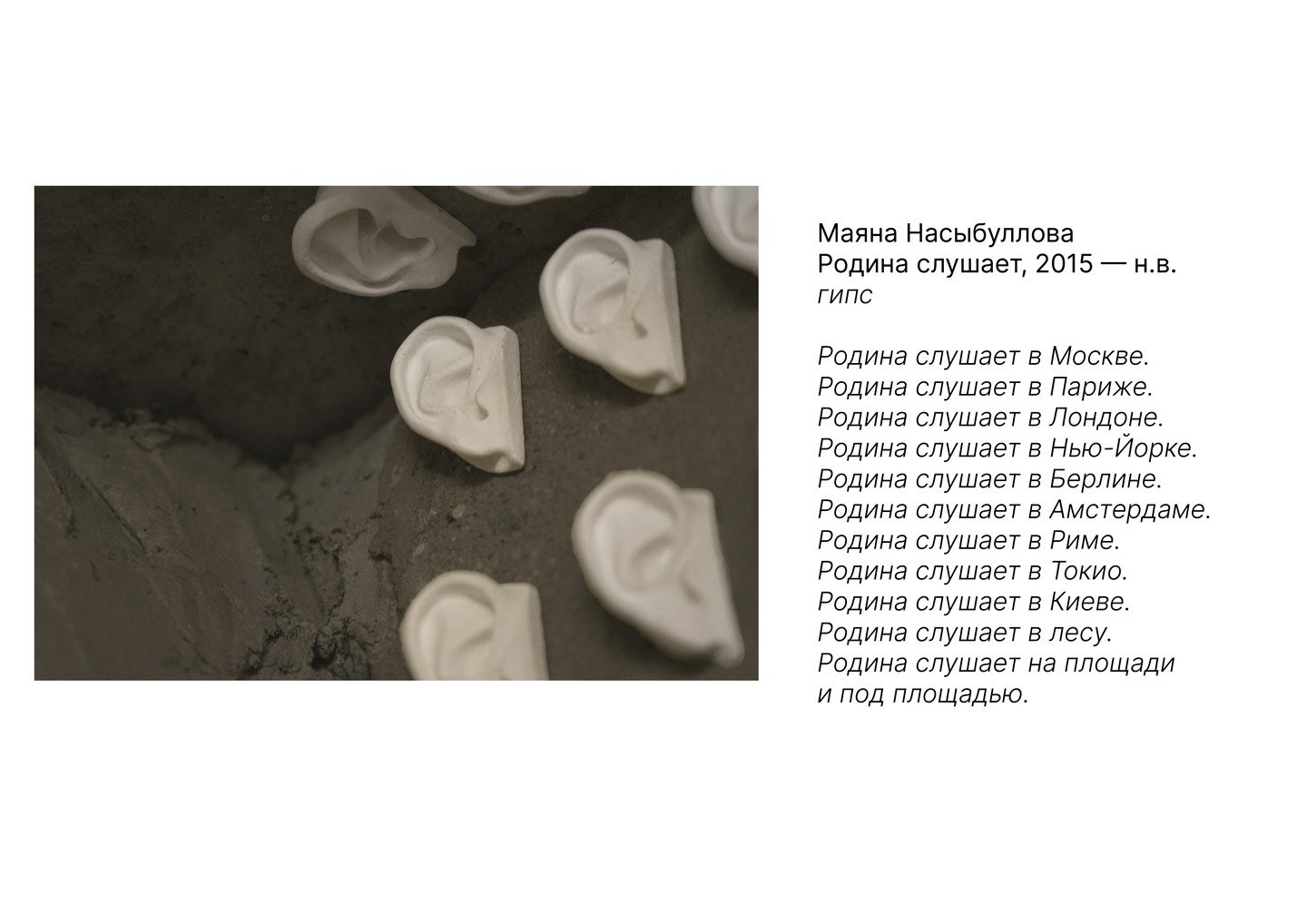
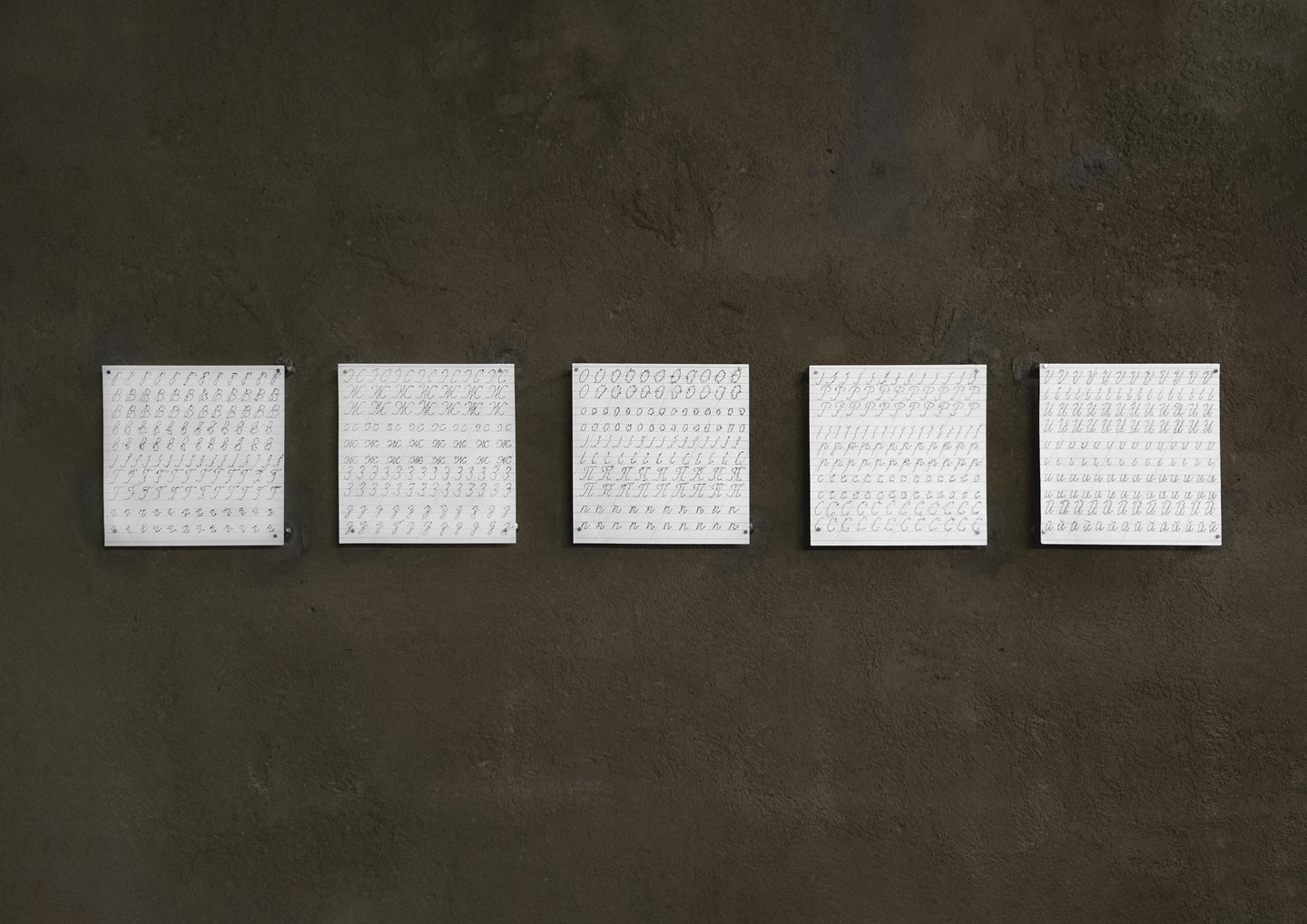
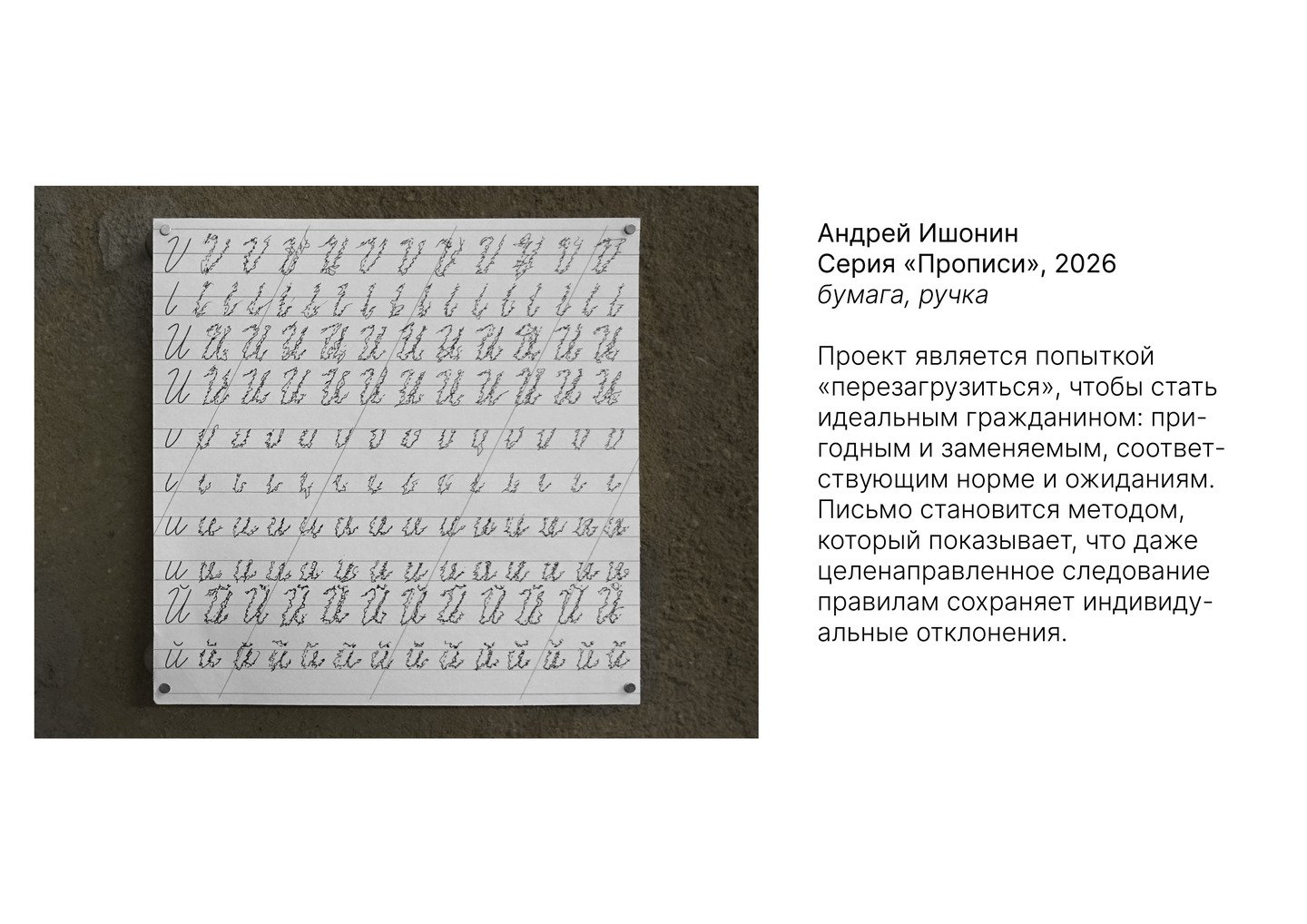
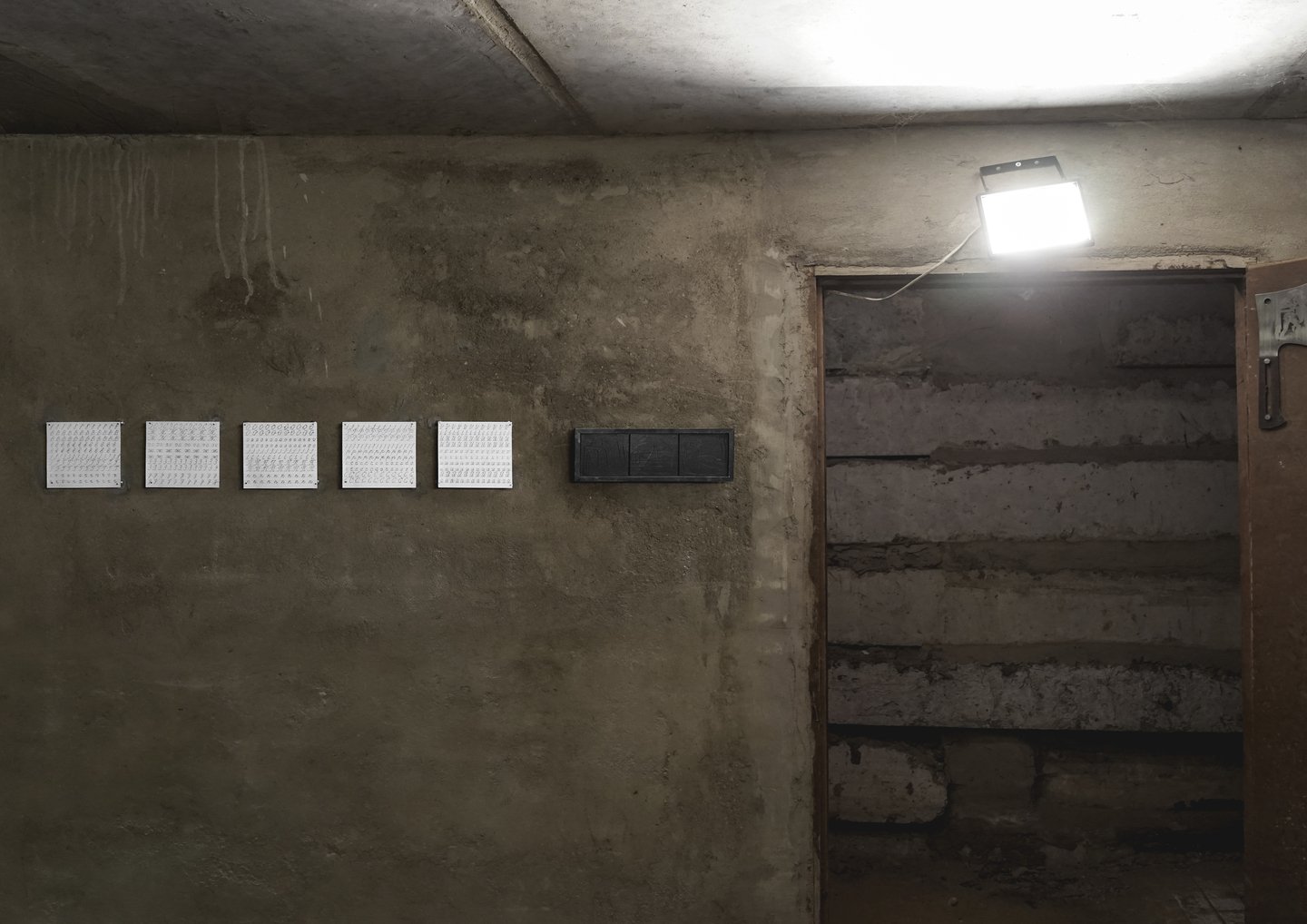
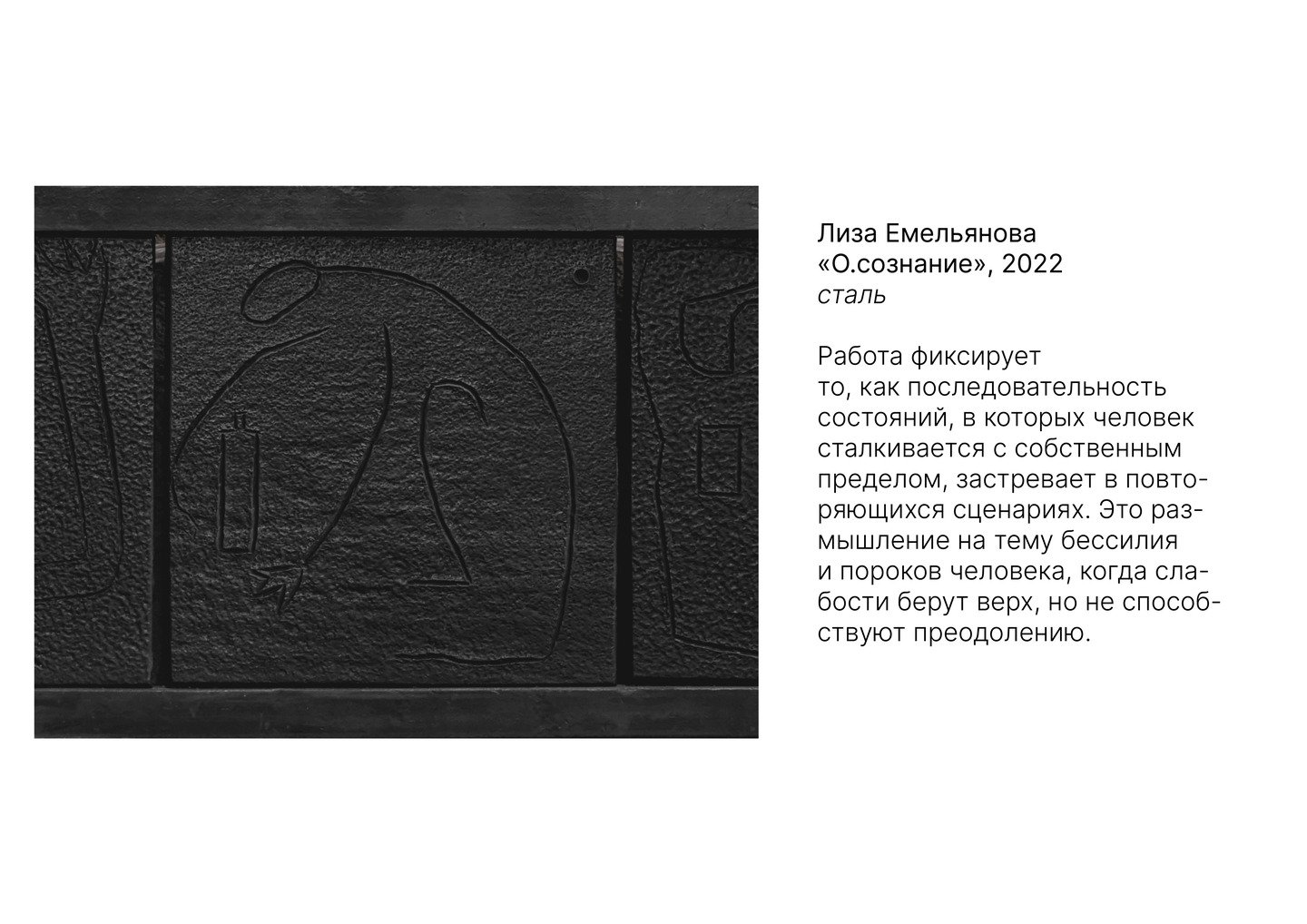
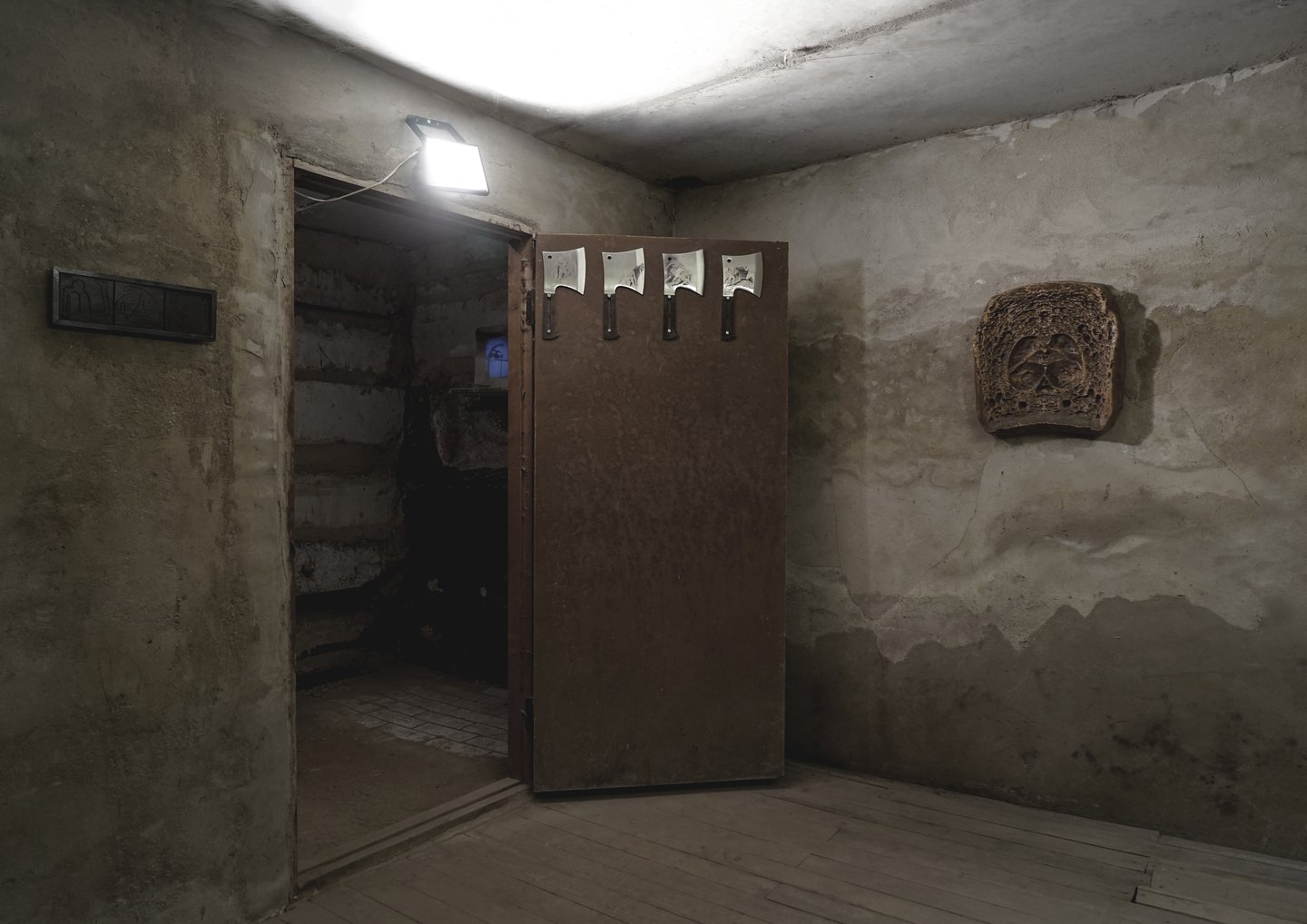
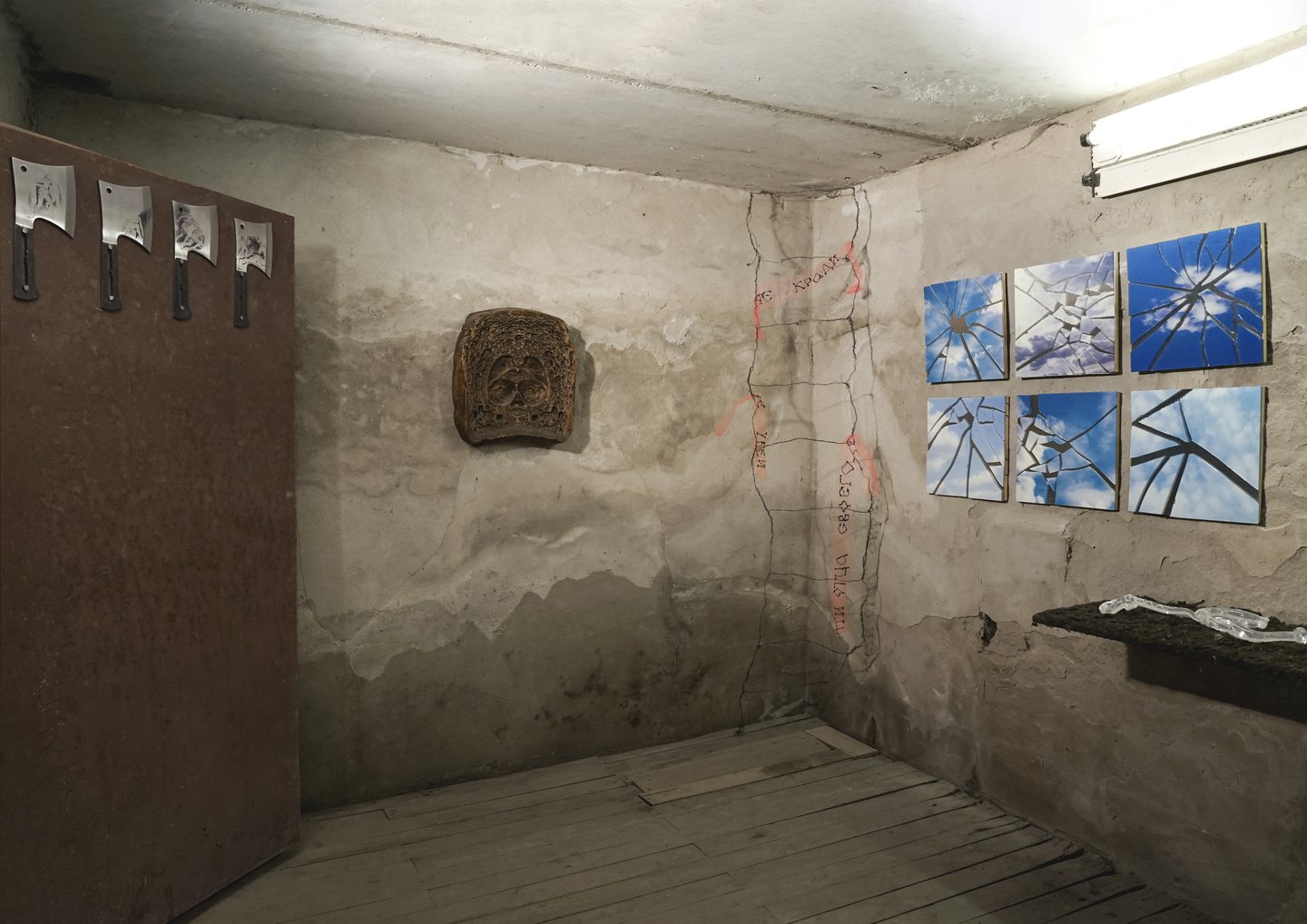
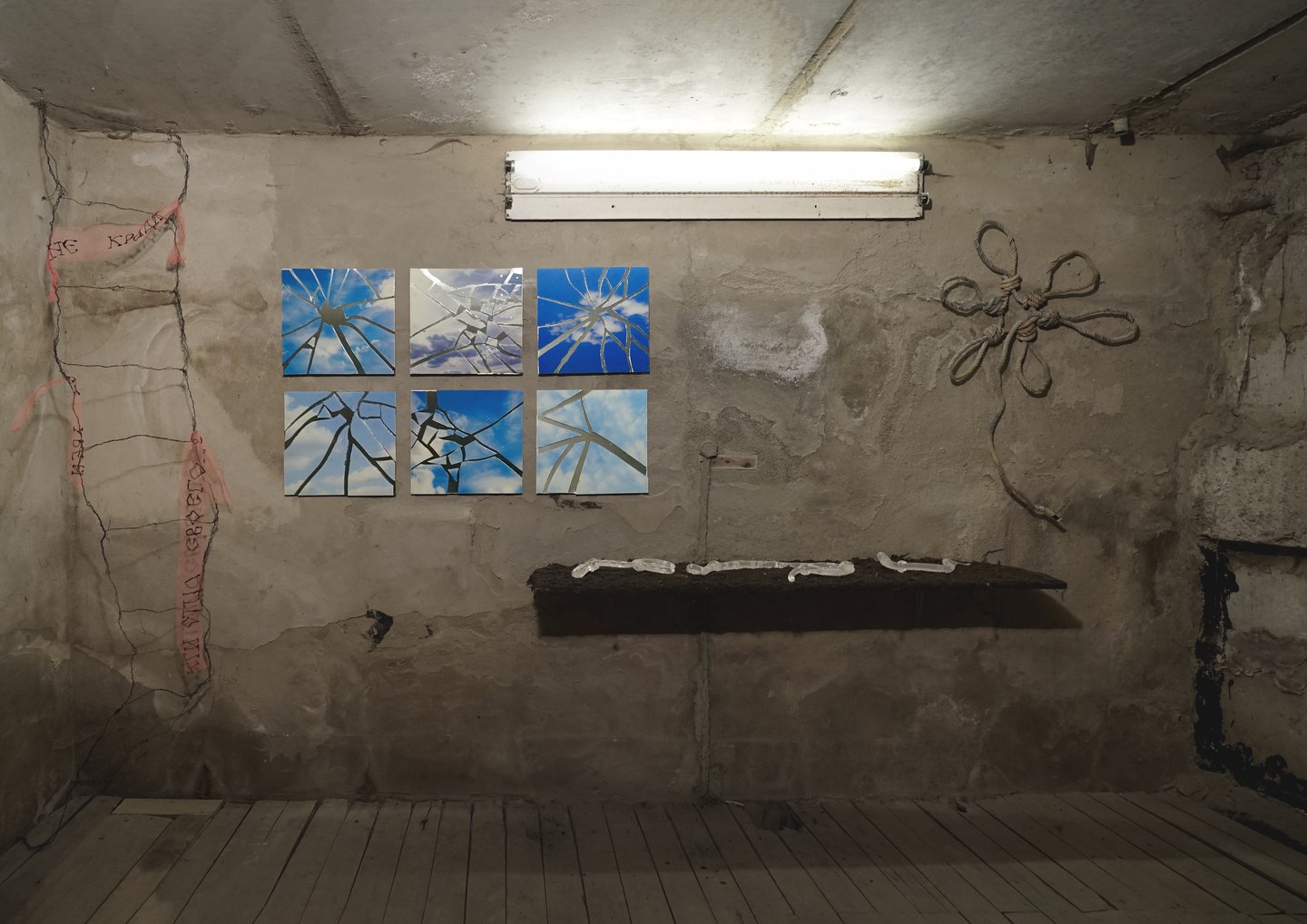
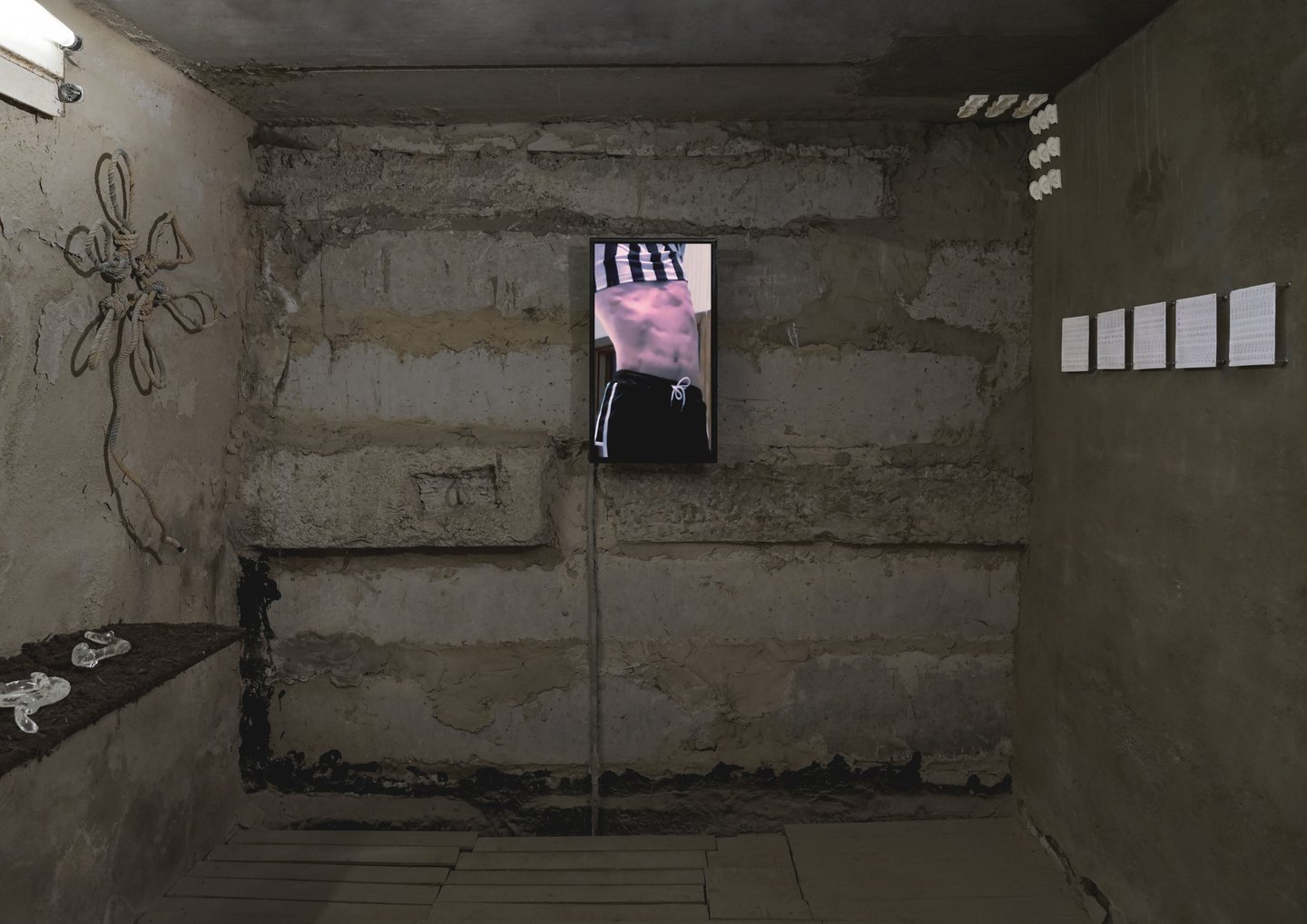
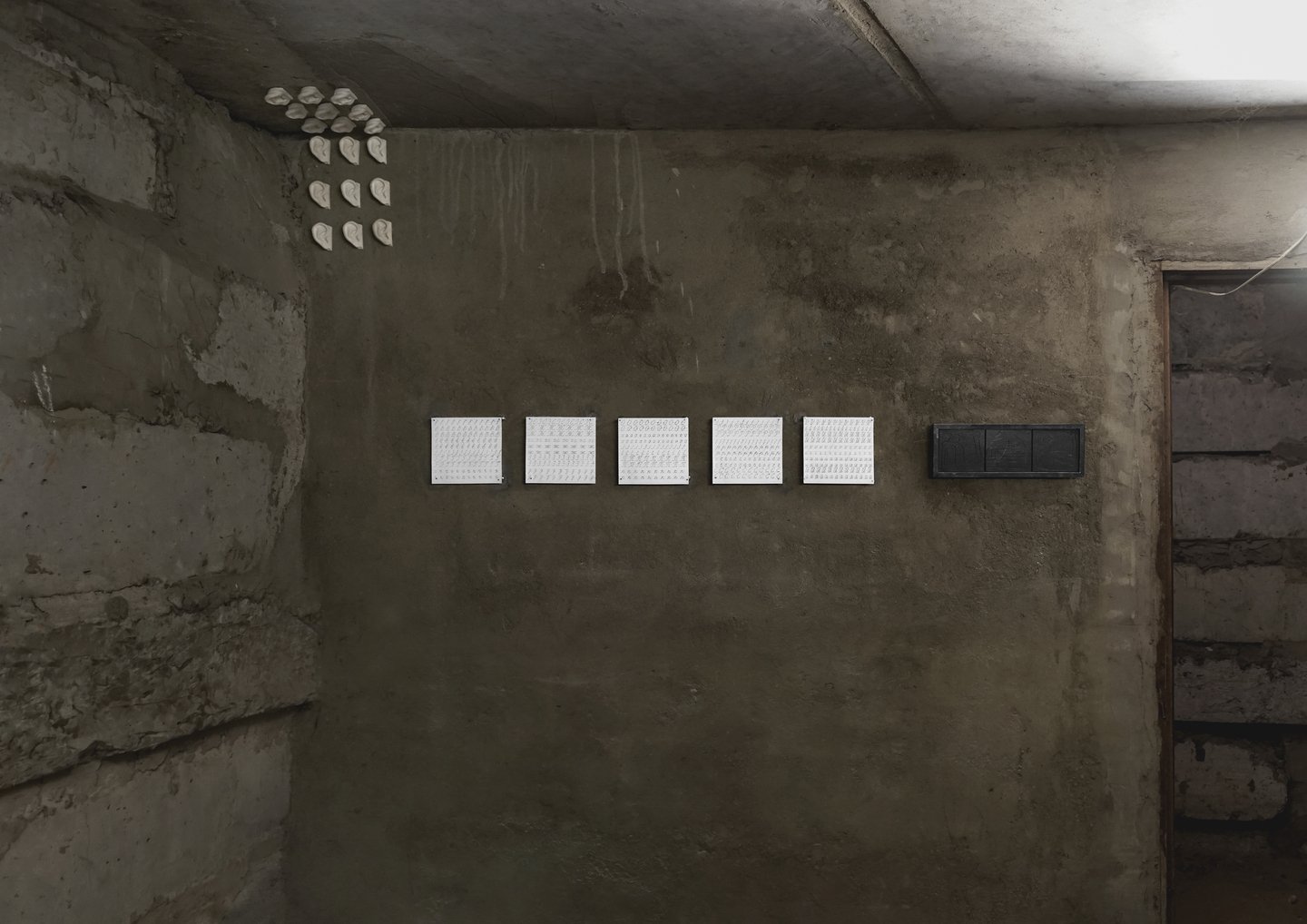
exhibition. Hidden and excluded zone
«The zone of the hidden and excluded» is shaped not only by institutions but also by internal regulation, which inevitably continues the logic of existing constraints. This is how the process of internalization occurs—the rooting of external restrictions into internal regulation.
Parallel Program
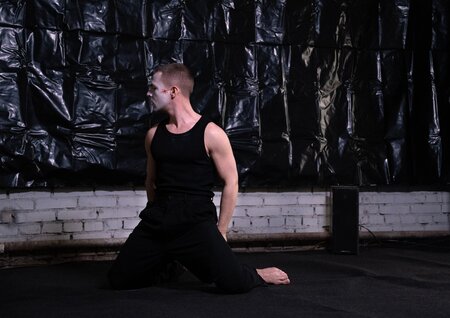
As part of the exhibition, the performance «Darya Falko smert avtora» took place. The plot of the performance revolves around the character of the «author, ” who gradually loses control over their creative work, cannot hold on, and in the end „dissolves“ and metaphorically dies within their own piece, thereby ceding the role of meaning-maker to the audience.