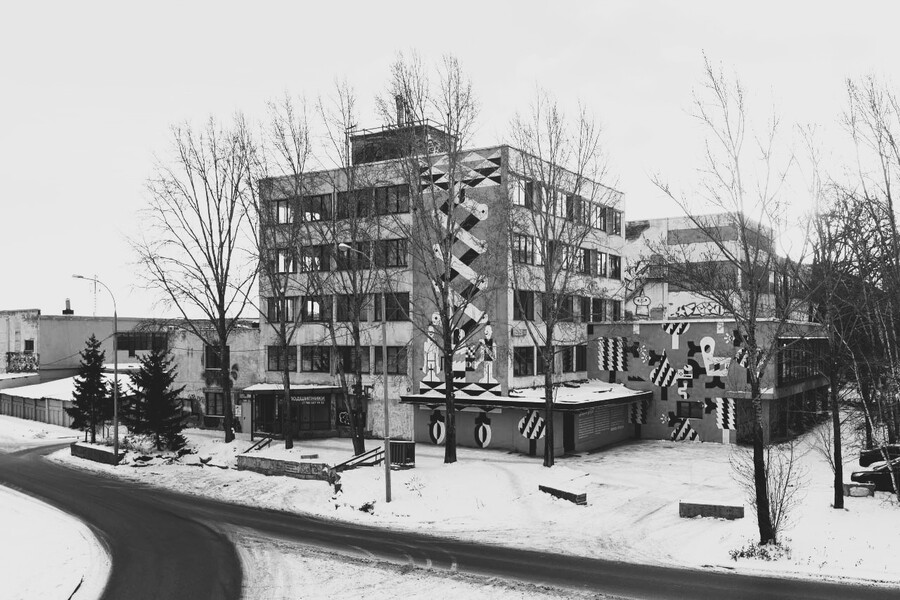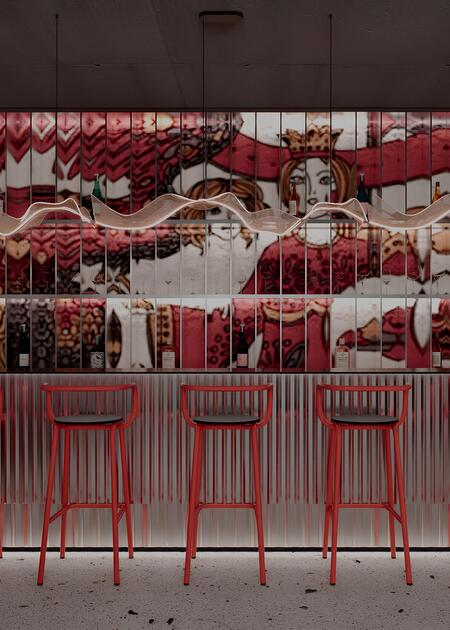
The project is based on reimagining the historical function of the bakery building as part of the city’s gastronomic culture. The combination of historical architecture and the theme of Ural cuisine will create a space that not only restores the building’s value but also becomes a place where residents can rediscover regional traditions, socialize, and engage with the local culture.
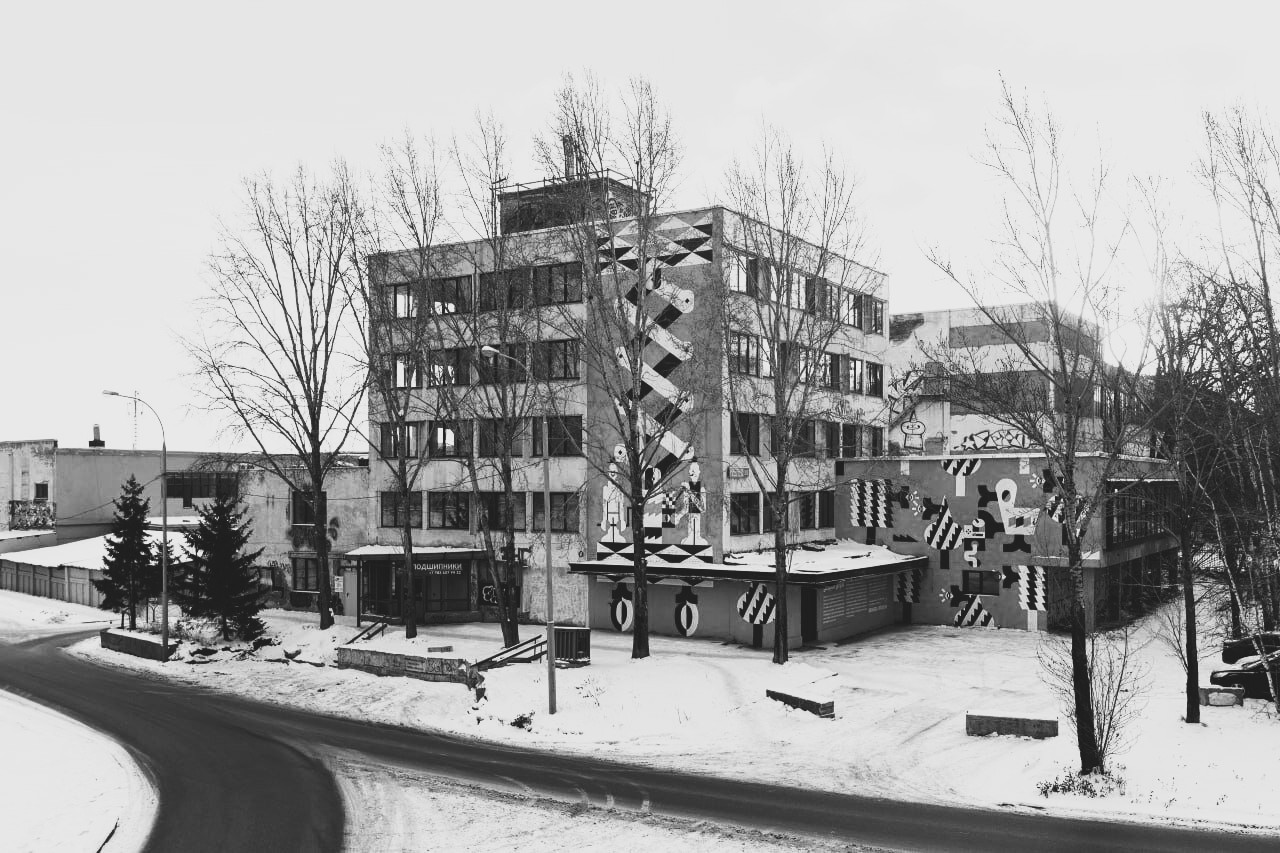
The building of the former Bread Factory No. 6 in Yekaterinburg
[*] GOALS AND OBJECTIVES
The building’s original purpose—baking bread—naturally creates a bridge to a new function. Reimagining the space through gastronomy allows the object’s history not to be broken, but to gently evolve within a new context. The factory gains the opportunity to continue participating in the city’s gastronomic culture, but now as a venue introducing the traditions, local products, and cuisines of the Urals region. This transformation preserves the historical connection to the building’s past while holding functional potential in the present, reinforcing the place’s identity.
Goals:
The objective of the project is to create a culinary center that will serve as a magnet for tourists and local residents, showcasing the distinct characteristics of Ural cuisine. The center should promote local producers and the region’s gastronomic traditions, while also fostering culinary tourism and building a positive image of Yekaterinburg as a hub for Ural gastronomy.
Objectives:
— design a contemporary gastronomic center that integrates dining, cultural exchange, and an introduction to Ural cuisine.
— develop functional zoning that seamlessly combines culinary and public areas.
— articulate the identity of the Urals through architectural and interior solutions, establishing a visual and stylistic concept that reflects the local cultures.
— create a comfortable and multi-functional public space for both city residents and tourists.
[*] LOCATION OF THE FACILITY
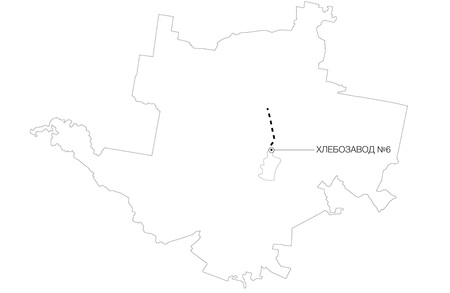
Object location in the country
Ural Region Map
Location:
Russia, Yekaterinburg, 8 Marta St., 203 56.790018, 60.607194
[*] PHOTOGRAPHIC RECORD
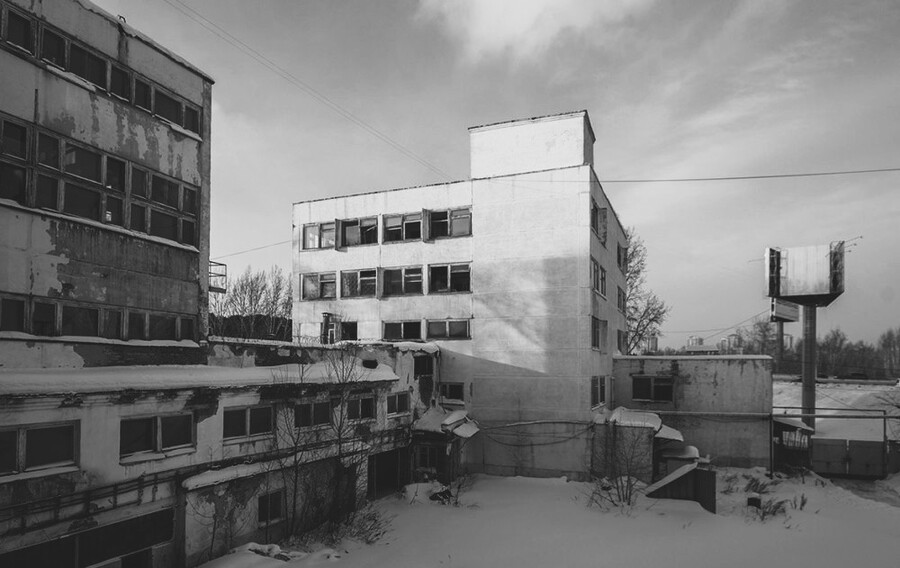
Photos of the former Bread Factory No. 5. Present day
[*] SITUATIONAL ANALYSIS
The former bread factory building, No. 6, is located in Yekaterinburg on a major city thoroughfare and boasts excellent transportation access. The site is near the railway station and has convenient connections to Koltsovo Airport. Thanks to its location and the developed local infrastructure, the area is attractive to both city residents and tourists.
The Bakery building is also conveniently located for tourists. From Koltsovo International Airport, you can get there in just 14 minutes by car or in 50 by public transport.
The Train Station is a 17-minute drive or 40 minutes by city transit.
Tourists from nearby cities can reach the location in 8 minutes (by car) or 17 minutes (by tram) from the Southern Bus Station, and in 17 minutes (by car) or 36 minutes (by public transport) from the Northern Bus Station.
The area boasts a developed transportation infrastructure, which was shaped during periods of industrial growth. Several access roads lead to the site, providing access for both private and freight vehicles. The main thoroughfare is within walking distance and connects the area to the city center and neighboring industrial zones.
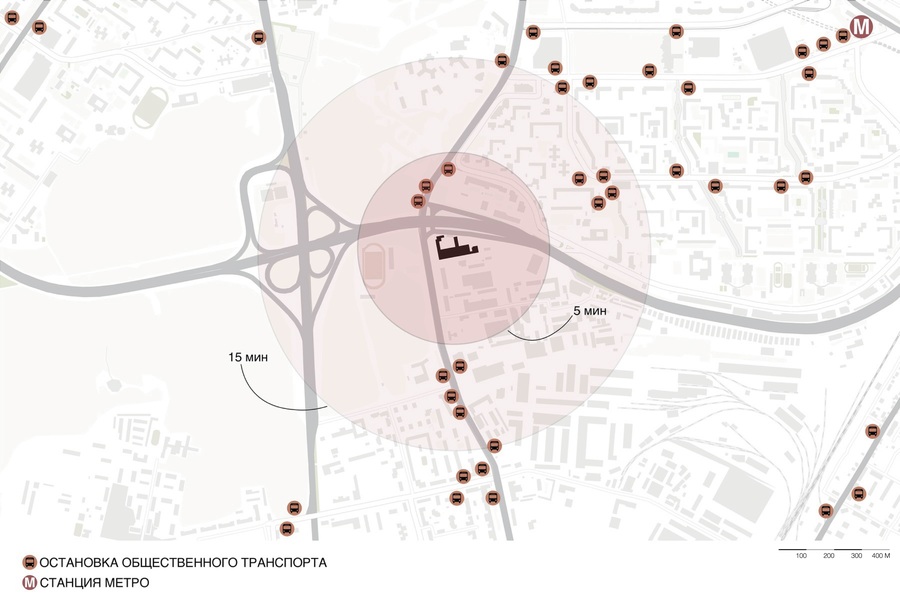
Within a 5–15 minute walk from the Bakery Plant, city public transport routes pass—there are both bus and tram stops.
At a 25-minute walk is the final Botanicheskaya metro station, which facilitates quick movement throughout the city.
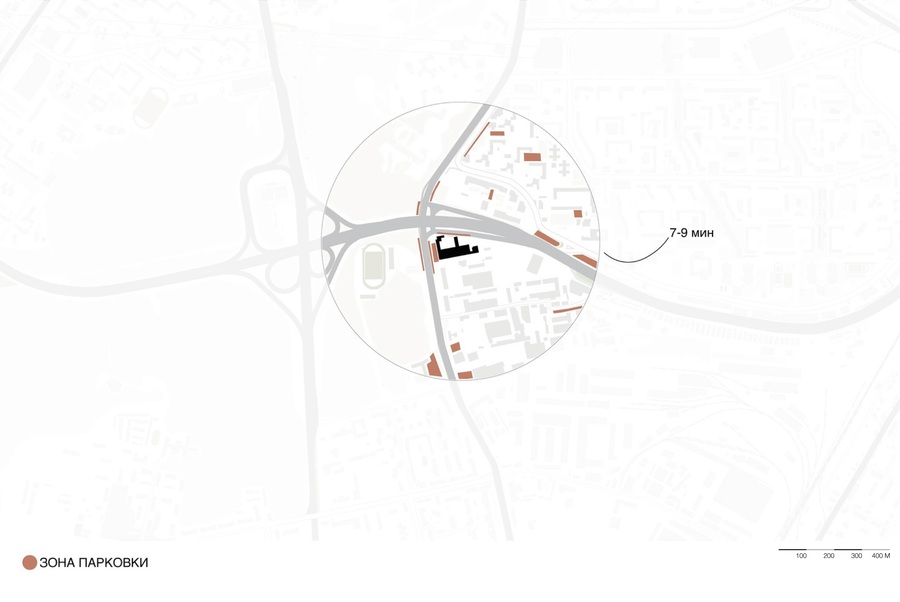
The area surrounding the Bakery Plant is quite equipped with parking zones. Several parking lots are located near the building, some of which operate 24/7 while others follow a fixed schedule. This creates convenient conditions for both future visitors to the gastronomic center and for employees, as there is an option to choose a suitable parking spot depending on the time of day and the visit’s duration (long-term or short-term).
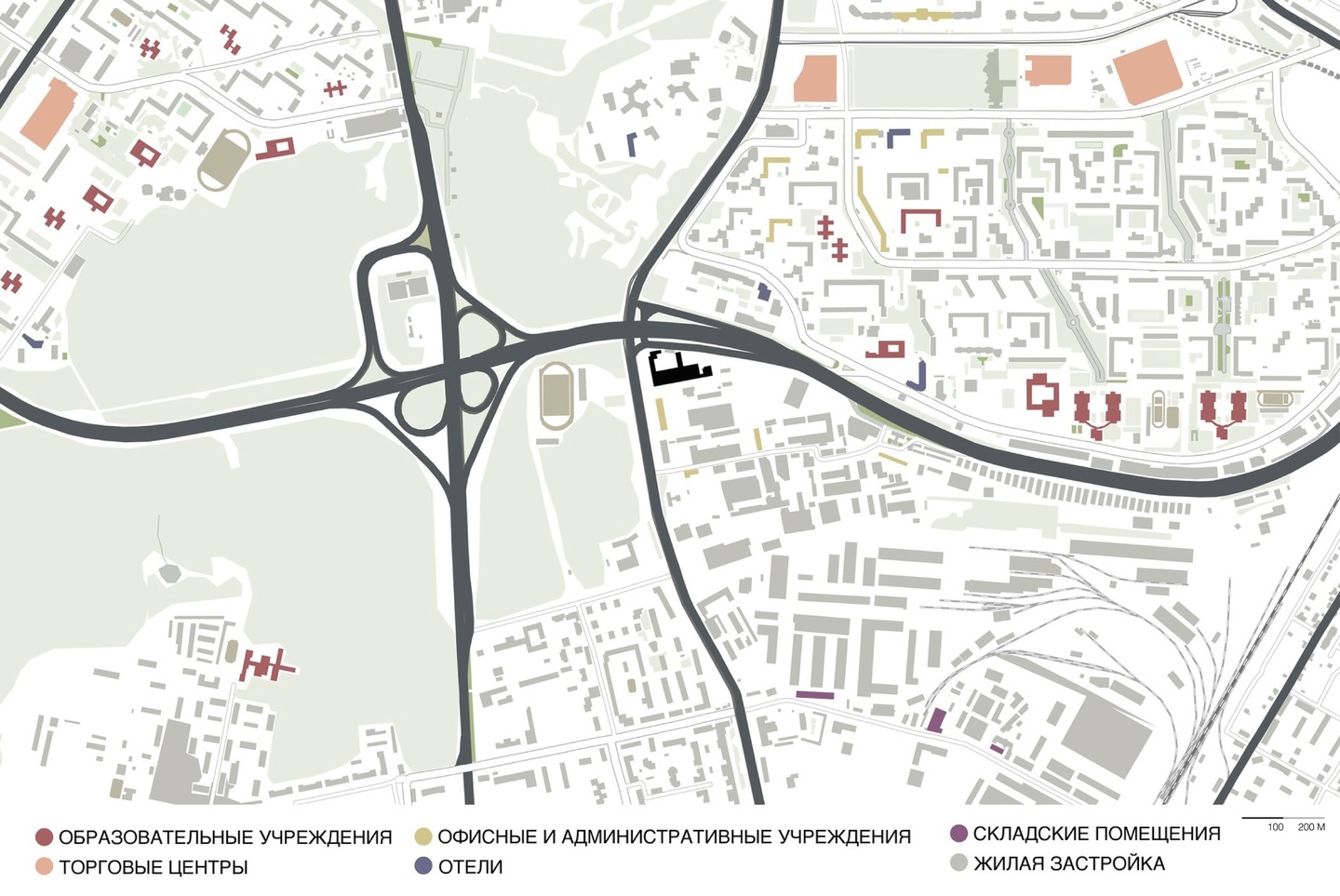
The district near the Bakery has developed gradually and now constitutes a mixed urban environment with a high density of diverse functions.
The foundation of the development consists of residential buildings of various ages—ranging from Soviet-era quarters to modern high-rise complexes. These provide a constant flow of residents, which is vital for any public space, especially a gastronomic hub.
In addition to apartment buildings, the area features small-to-medium-scale administrative buildings. These house municipal services, small business centers, and service structures. Their presence generates an additional daytime flow of people who may visit the center during lunch breaks or after work.
Industrial and warehouse spaces have also been preserved. In most cases, these are former production halls that have been partially repurposed for contemporary needs—such as workshops, small firms, storage facilities, and service companies.
There are few educational institutions in the immediate vicinity; there are several schools and kindergartens.
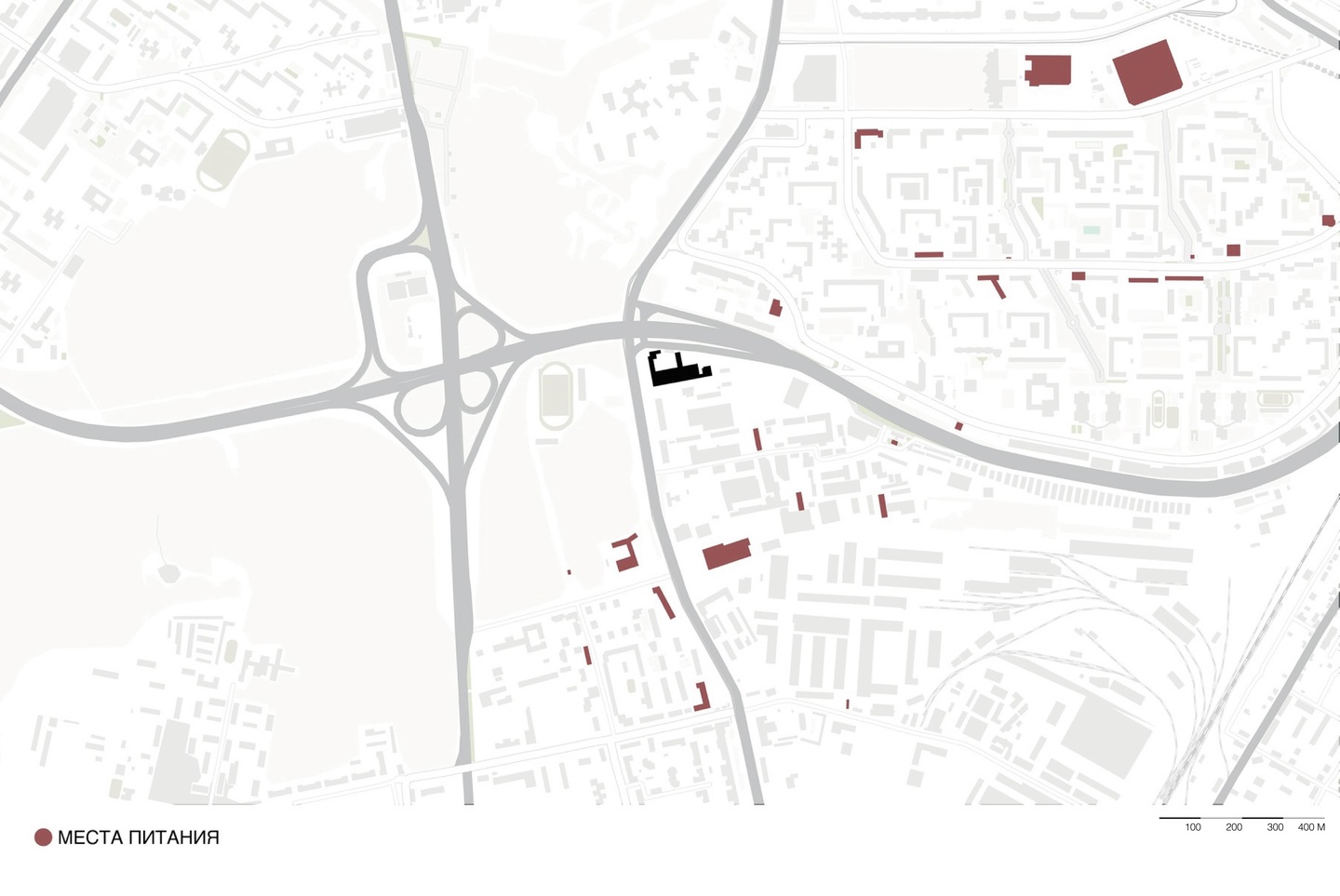
The most crucial aspect to consider is the dining options, as they directly compete with a gastronomic center.
The area features cafés, small canteens, bakeries, and coffee shops, which are primarily oriented toward local residents and workers in nearby offices. These are establishments with relatively simple kitchens that mostly operate in a quick-lunch format.
There are several mid-level restaurants, but the overall picture reveals an absence of large, specialized gastronomic venues. Most establishments are generic and do not offer unique regional cuisine.
This creates favorable conditions for the emergence of a gastronomic center dedicated to Ural cuisine—such a unique offering is currently missing in the immediate vicinity.
[*] EXISTING ARCHITECTURE
The bakery building is a typical Soviet-era industrial structure</b class="typographic">, built primarily for practical utility. Its architecture is quite restrained and does not strive for decorative extravagance. The composition is based on an elongated, rectangular volume with simple geometry, which is characteristic of industrial buildings from that period.