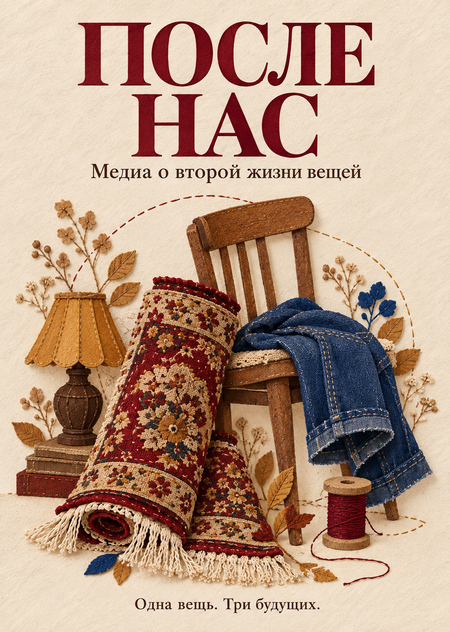
Media about the second life of familiar objects
One Thing. Three Futures.
«After Us”—a media platform dedicated to objects that have ceased to be necessary but can still become part of our lives. We find new possibilities for old furniture, home textiles, clothing, and everyday items. A grandmother’s rug, a worn chair, or a tiresome lamp becomes the starting point for visual experiments, narratives, and practical analyses. The title suggests that an object’s life continues after its first owner and its first intended use. The main question of every issue is: „What else can be made from this item?“
Media Objectives
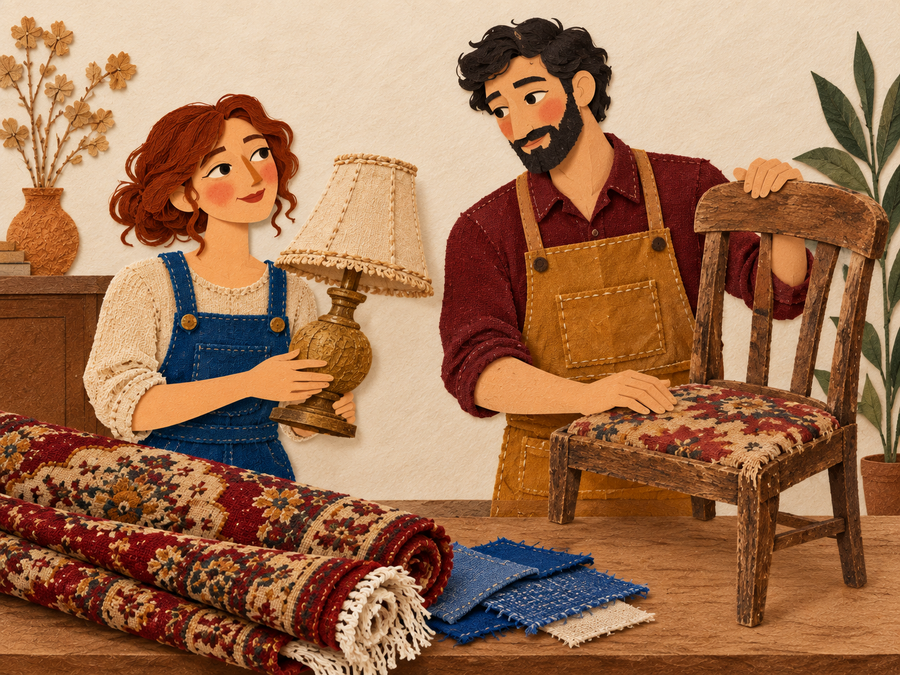
Mission. To help people see potential in everyday objects and preserve items connected to personal histories. To demonstrate how old things can gain a new function, appearance, or owner. Media Goal. To create a recognizable Russian-language media platform focused on the second life of objects. This will unite visual ideas, owner stories, and clear explanations in a regular series format: «One Thing—Three Futures.» Business Goal. To build a community of readers and develop partnership projects with workshops, local designers, and material manufacturers for upcycling. Potential revenue streams include advertising integrations, joint workshops, and curated thematic collections. Phase One Plan. Within three months, produce 12 installments of «Three Lives, ” collect 20 object stories from readers, and pilot one collaborative piece with a craftsperson. These metrics serve as initial project benchmarks and will be refined following launch.
Future Media Themes
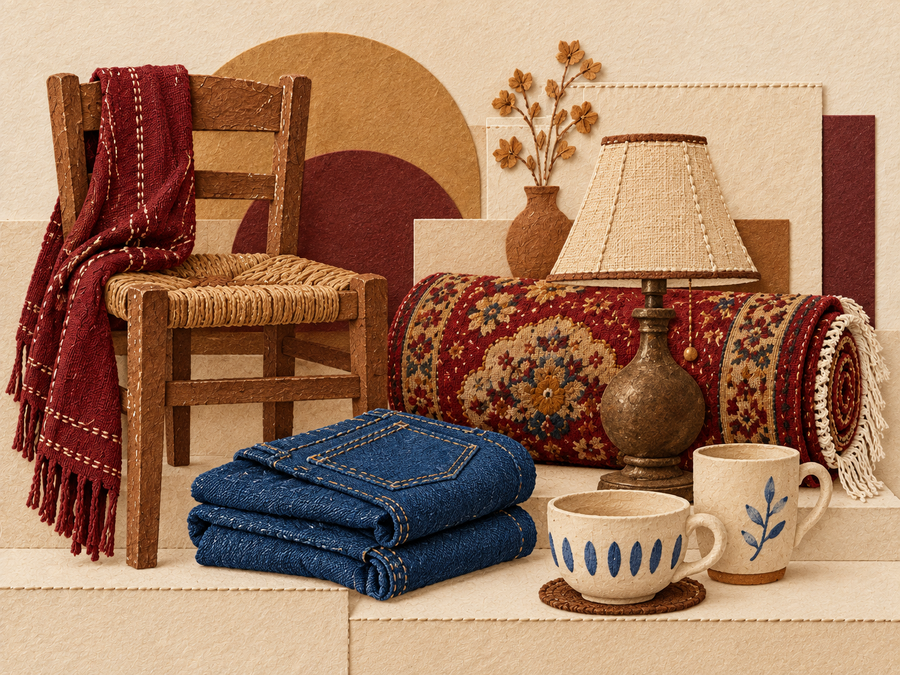
Segment. Lifestyle media at the intersection of design, DIY, and upcycling. Niche Topic. New scenarios for using old everyday items: furniture, rugs, other home textiles, clothing, lighting, and dishware. At the heart of every piece is a specific item and the solution its owner can adopt. Editorial Principle. We first consider keeping the item whole. If it is damaged or its original function is no longer needed, we explore options for redesign. An item that can still be useful to someone else without changes can be passed on to a new owner. Tone. Friendly, inquisitive, and lightly ironic. We talk about discoveries and possibilities without judging the reader’s habits. We explain terms in simple language: upcycling is transforming an old object or material into an item with a new function and value.
Navigation and Formats.
Competitors and their analysis
Groups are defined by the intersection of topic, audience attention, and reader objectives. The comparison of formats below is an editorial assessment, not a market share study.
Conclusion. The theme of upcycling is already present in other media. What sets «After Us» apart is its regular format: an original object, three possible futures, a comparison of complexity, and the next step. Grandma’s rug, an old chair, favorite jeans. We show what they can become next. Upcycling ideas, artisan tips, and object histories.
Basis for Comparison:
— INMYROOM, «Upcycling Old Furniture: A Step-by-Step Guide + Photos»: https://www.inmyroom.ru/posts/31147-peredelka-staroj-mebeli-poshagovaya-instrukciya-foto
— INMYROOM, «Modern Renovation Meets Vintage Furniture: 6 Awesome Designer Interiors»: https://www.inmyroom.ru/posts/34594-novyj-remont-staraya-mebel-6-krutyh-dizajnerskih-intererov
— T-J, «How to Add Personality to Furniture and Diversify Your Interior: 5 Ideas Under ₽10,000»: https://t-j.ru/list/peredelka-mebeli/
— Livemaster Official App Description: https://play.google.com/store/apps/details?id=ru.livemaster
Distribution Channels
Primary Platform — Telegram. This is where issues of «Three Lives, ” brief analyses, and object histories are published. Readers vote on options and suggest items for future episodes. The collection of photos and stories is organized through a separate form.
Secondary Platform — VK. This features visual compilations, short videos, and materials detailing the upcycling process. The community helps archive posts by topic and discuss the outcomes.
Project Archive — Website. In the next phase, the website will host detailed instructions, object cards, and completed projects. Materials can be searched by subject, material, and complexity level.
Adaptation. One episode about a rug is transformed into a poll with three options in Telegram, a visual story in VK, and a detailed breakdown of the chosen scenario on the website. Separate presentation materials are prepared for each platform.
How the Editorial Team Works
Gathering Stories. Readers submit photos, dimensions, condition descriptions, and the history of an item. The editor selects items for upcoming issues.Selecting Options. For each item, the editorial team considers three scenarios with varying degrees of alteration: preserve, update, or reimagine a new use.Material Preparation. Each issue combines the item’s history, visual examples, and a comparison of the potential options. For every scenario, we explain what changes need to be made and what questions must be addressed.Master Review. A subject matter expert evaluates the viability of the material and the construction. For practical instructions, the work stages, necessary tools, and complexity are detailed.Publication and Discussion. The material is released on media platforms. Readers vote on the options, share their experiences, and suggest the next featured items.
The media publishes redesign ideas and completed projects. The ideas showcase the potential future of the subject, while completed projects are accompanied by photos of the process and the final outcome.
Target Audience
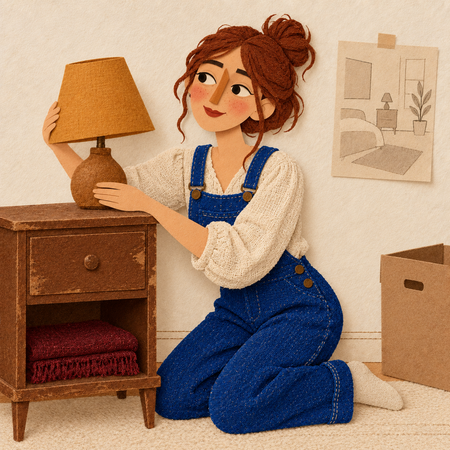
Anya, 24 years old — setting up her first apartment.Context: She is renting an apartment, and some of the furniture came from relatives. She wants to make the space feel like her own and is looking for solutions with a clearly defined scope of work.Need: To understand how old pieces will look next to modern furniture and what can be changed without a complex overhaul.Reading: «Three Lives, ” „Dismissed Too Soon, ” interior design examples.Job Story: „When I’m furnishing an apartment with inherited items, I want to see ways to incorporate them so I can choose what fits my home and capabilities.“
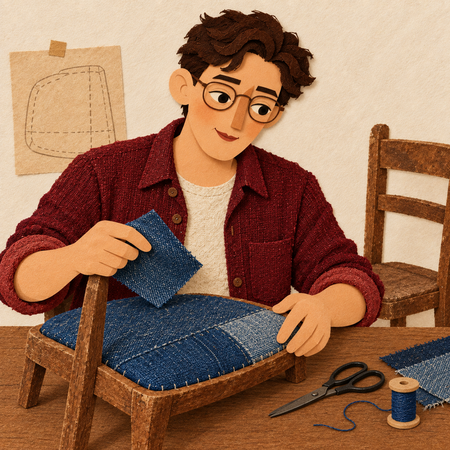
Misha, 29 years old — loves working with his hands.Context:
He occasionally repairs furniture and sews small items. He keeps ideas but wants to understand the construction and sequence of actions.
Need. To select achievable projects, estimate materials in advance, and see the actual stages of work.What he reads: «This Week’s Upcycle, ” breakdowns with craftsmen, and complexity comparisons.Job story: „When I come across an interesting upcycle project, I want to understand the materials and steps so I can decide if I can do it myself.“
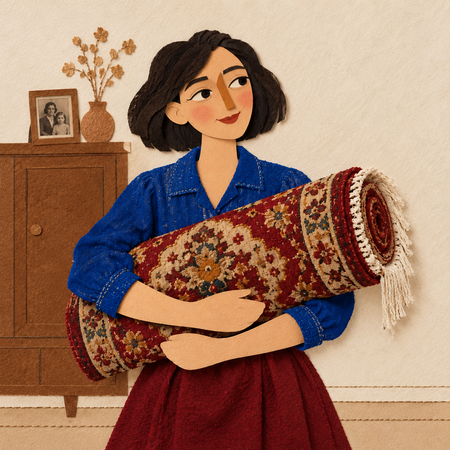
Lena, 35 years old — preserves family heirlooms.Context: She received a rug from her grandmother and several pieces of furniture. They are precious to her as memories, but she doesn’t yet know how to incorporate them into her home.
Need. To preserve the history of the item and find a place for it in contemporary life.What she reads: «With Character, ” examples of preserving items in their entirety, and stories from other owners.Job story: „When I have a family heirloom, I want to find a meaningful use for it so I can keep the memory alive and enjoy it every day.“
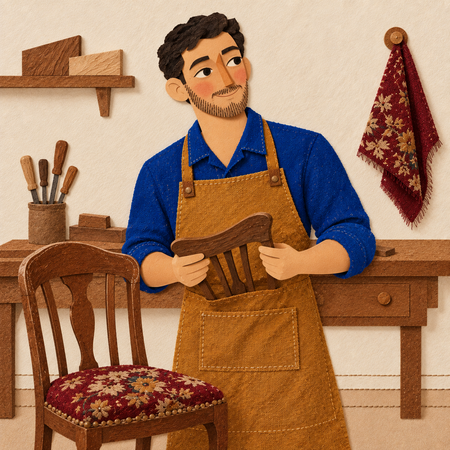
Ilya, 32 years old—owner of a small workshop.
Context: He works with furniture and textiles and wants to showcase his process and introduce people to the possibilities of his workshop.Need: To explain the value of the work using specific examples and find an engaged audience.What he gains from media: The opportunity to act as an expert and participate in designated partnership projects.Job story: «When I finish an unusual restoration, I want to share its story and the process so that a future client understands what can be done with their item.»
UPM
«After Us» is a media project where readers' possessions become the stars of the episodes. A reader sends in an item they don’t know what to do with, and the editorial team offers three different scenarios for its future. Each episode is framed as a choice: preserve the item with minimal changes, update it, or transform it into something new. These options are compared based on complexity, necessary materials, and how many original details can be retained.
First Issue: «Grandma’s Rug: Three Futures»
Introduction. This rug once covered an entire wall. Now, it is rolled up in the corner, awaiting a decision. We have presented three possible futures for it: preserve it whole, transform a fragment into a bag, or give it a new life as a bench covering.