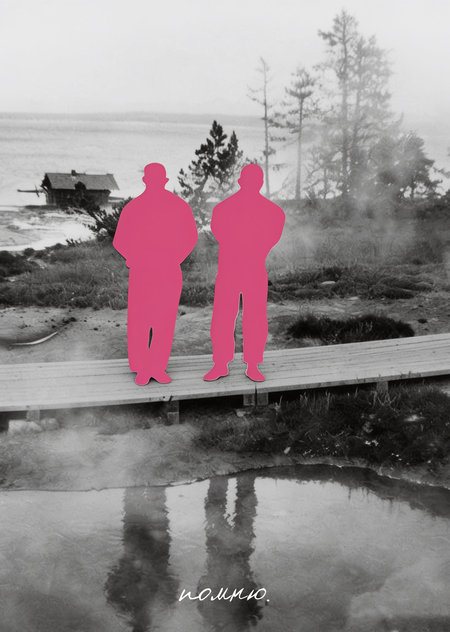
I remember it. — A City Memory Map. The user saves not just a location, but a memory associated with it: an audio clip, a photo, a short story, a song, an emotion. For example: «This is where I first met my best friend.» The problem is that standard maps store points, but not the emotional context of life.
The digital product will later be a mobile application.
The idea for the long-form piece is: «How to find a memory?»
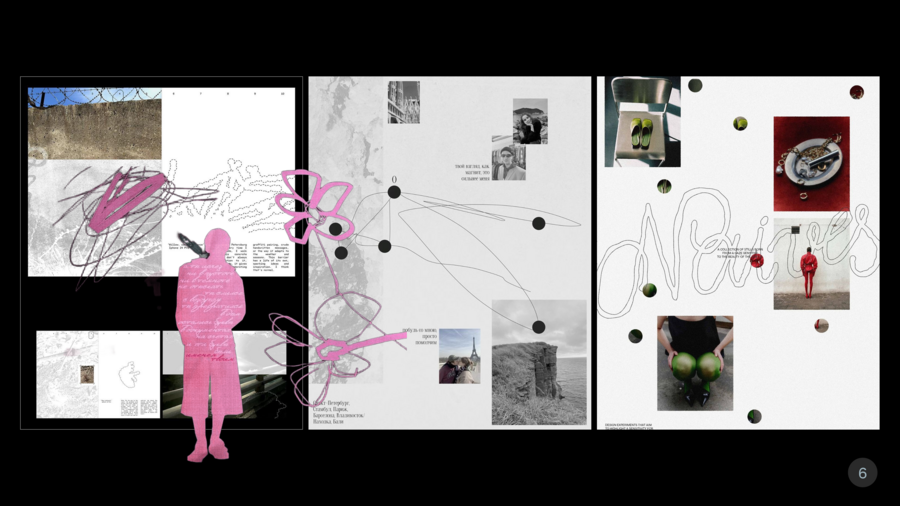
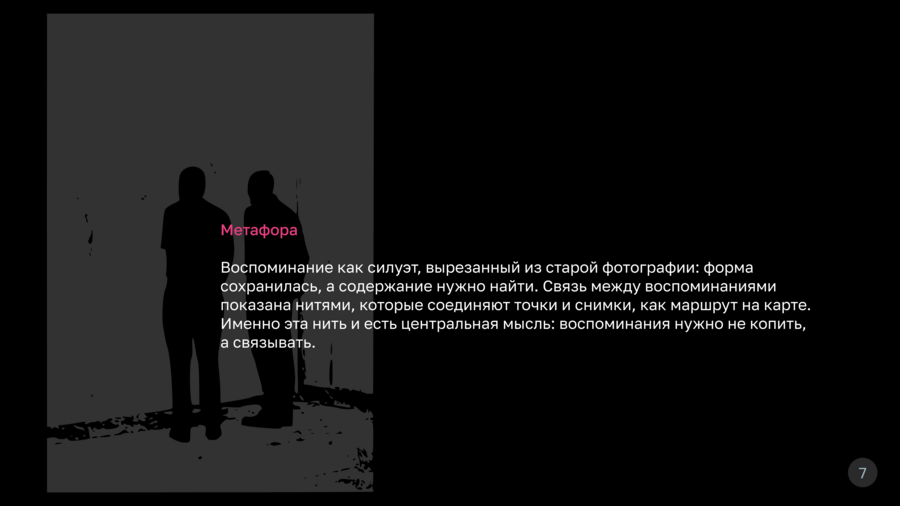
The long-form article is built on an observation familiar to almost everyone: we have memories, but finding the right one is difficult. They aren’t lost; they are scattered across galleries, chats, correspondence, audio messages, and maps. Each memory has its own «habitat, ” and there is no connection between these locations. Therefore, searching turns into archaeology: you remember what happened, but you don’t remember where it is kept.
Thus, the map gradually evolves from being a navigation service to becoming a visual biography of the person.