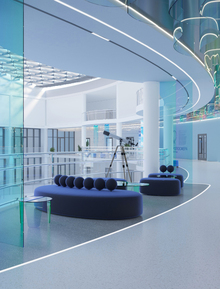
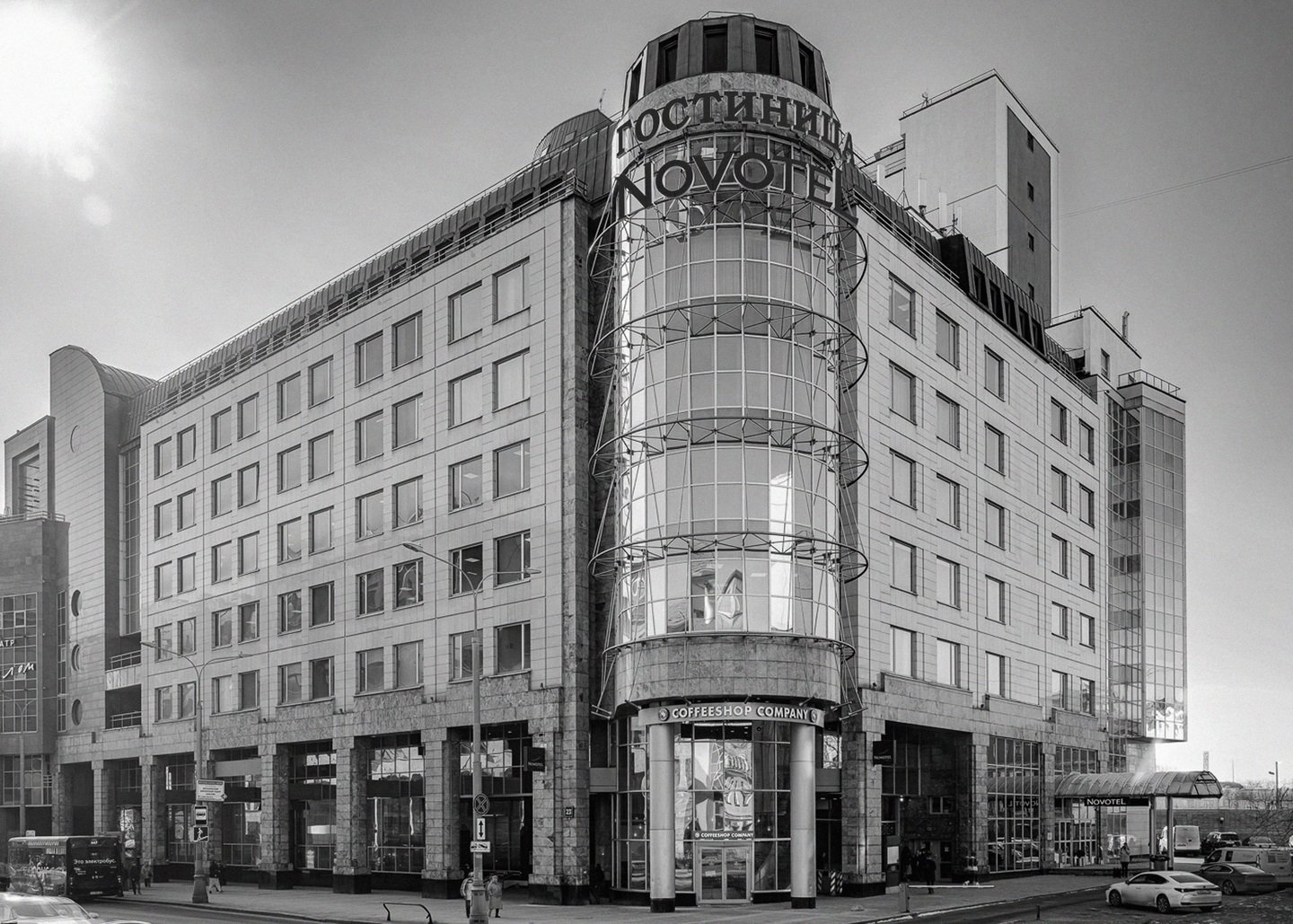
Novotel Moscow Center—a hotel by the international brand «Novotel» located on Novoslobodskaya Street in the heart of Moscow. It offers facilities for relaxation, business meetings, and cultural events. The building itself integrates hotel infrastructure with a cultural space.
— Opened in 2002
— 4 Stars
— Room inventory — 255 rooms (4 categories)
— 7 conference rooms
— Restaurant and bar
— Observation deck
— Fitness center
— Free parking
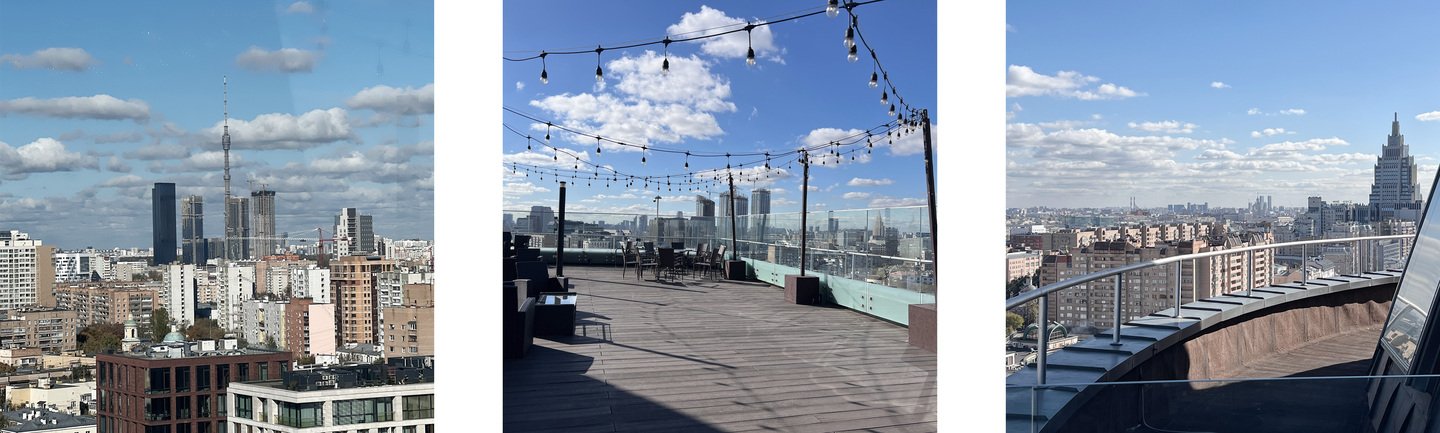
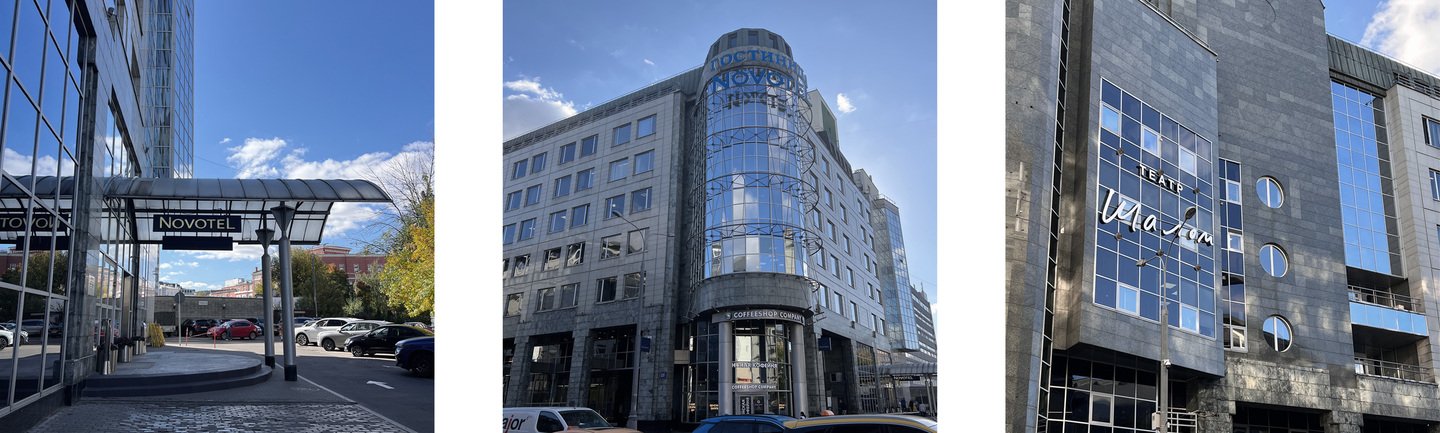
Photo Documentation
Architects: Yuri Gnedovsky, Vladilen Krasilnikov, Galina Savchenko
[Target Audience]
[1] Topic Selection
«Interior Renovation of the Novotel Moscow Center Hotel.»
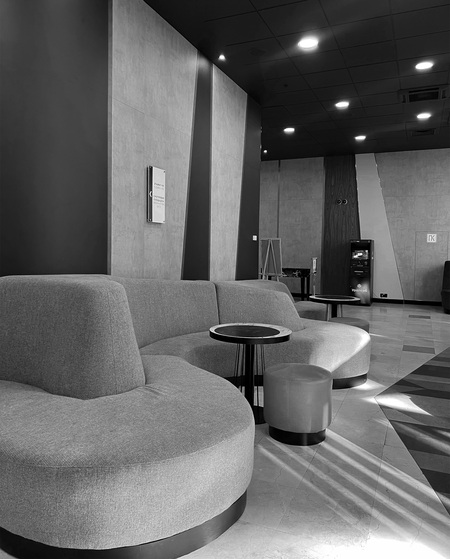
The choice of topic is driven by the timely need to renovate the Novotel Moscow Center hotel, which has been operating for over 20 years. The interiors require rethinking to align with modern trends, current comfort standards, and guest expectations. The project involves not only updating the visual appearance of the spaces but also enhancing functional areas, including the usable roof zone. Therefore, the renovation aims to adapt the existing hotel to contemporary conditions without altering its core function.
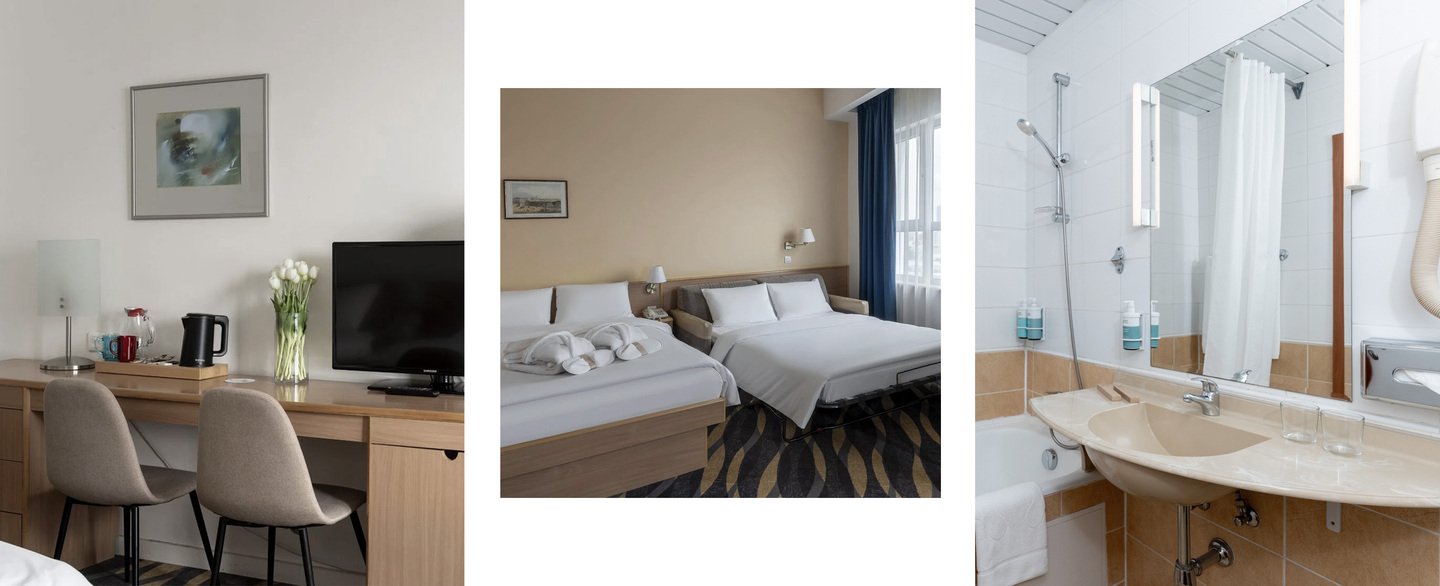
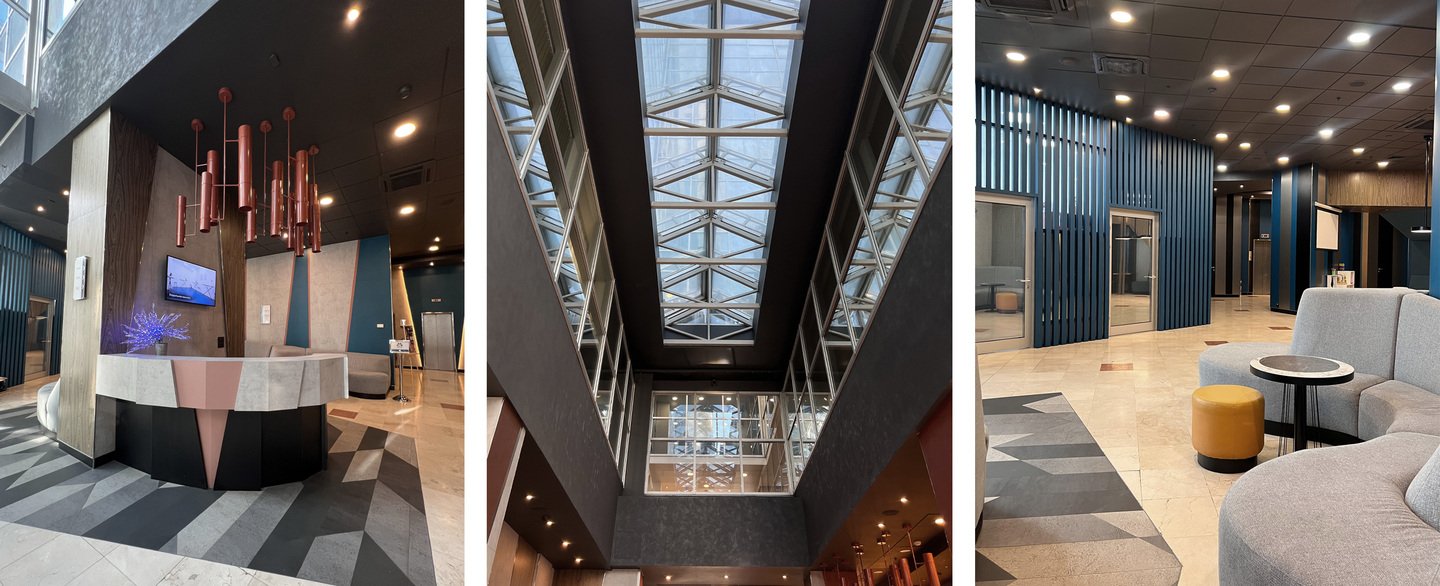
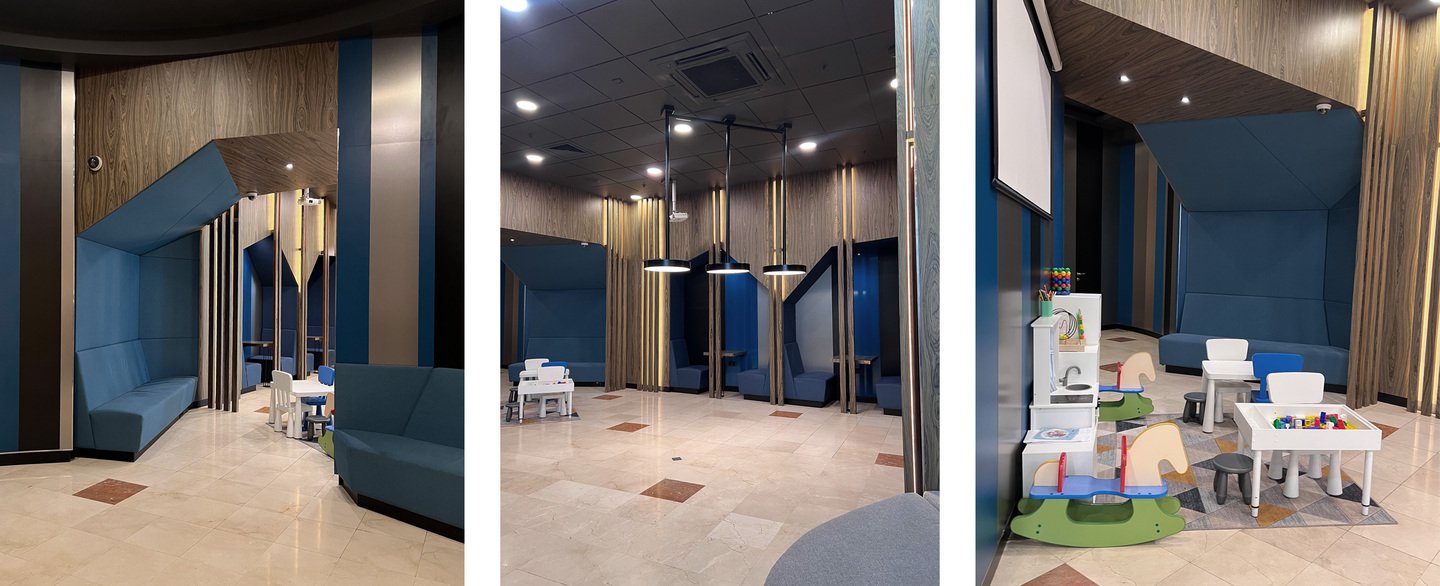
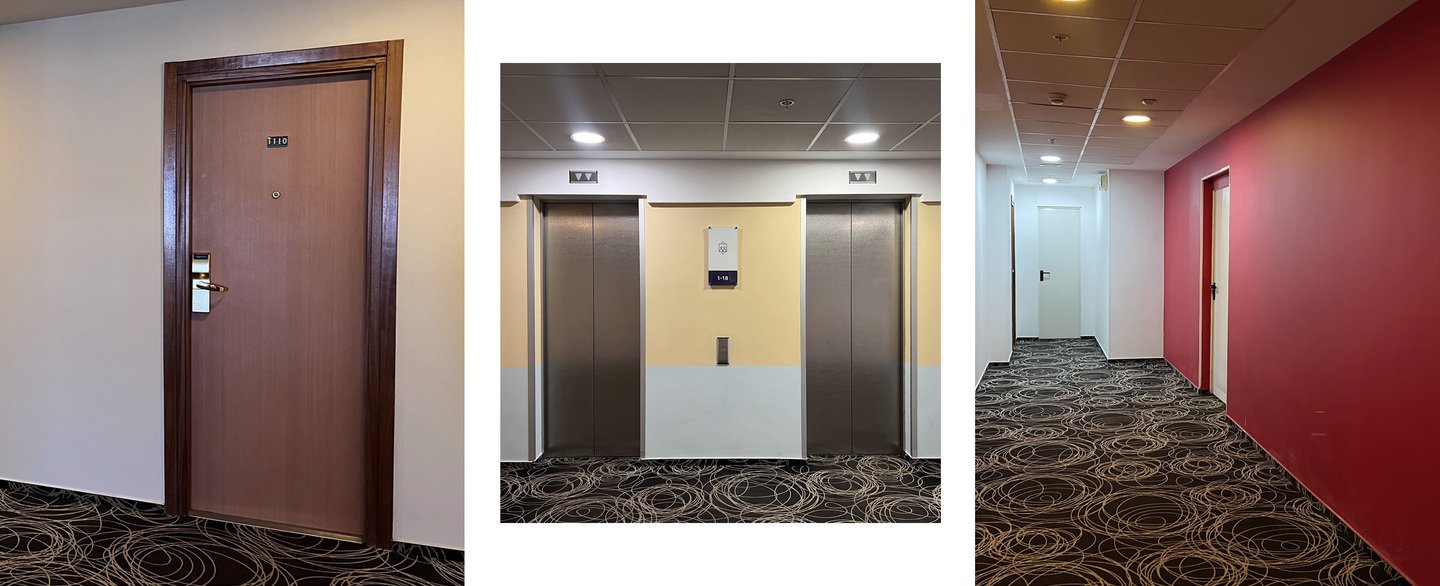
Photography of hotel interiors
[2] Location
Moscow, Russia, Novoslobodskaya St., 23
Spirit of Place
Transportation accessibility is one of the hotel’s advantages. Two metro stations are within walking distance: «Mendeleevskaya» (2 minutes) and «Novoslobodskaya» (5 minutes). Stops for surface public transportation are also nearby.
[2.1] Competitive Landscape
An analysis of nearby 4- and 5-star hotels revealed that their interiors frequently utilize classic design elements, though in some cases, the decor appears «dated and not the freshest.» Against this backdrop, the renovation of Novotel Moscow Center presents an opportunity to create a modern and expressive interior that will allow the hotel to stand out among competitors and better meet guest expectations.
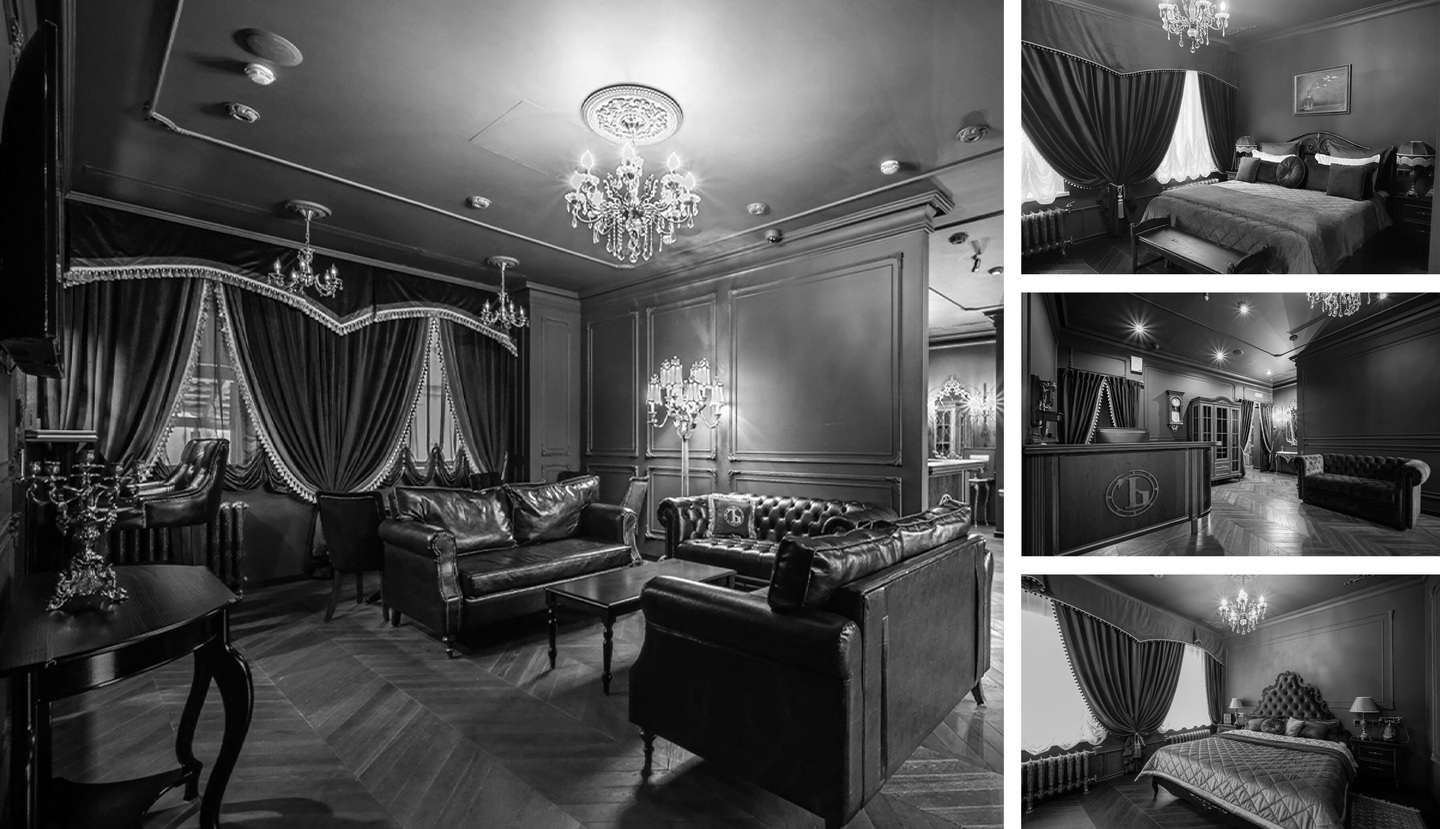
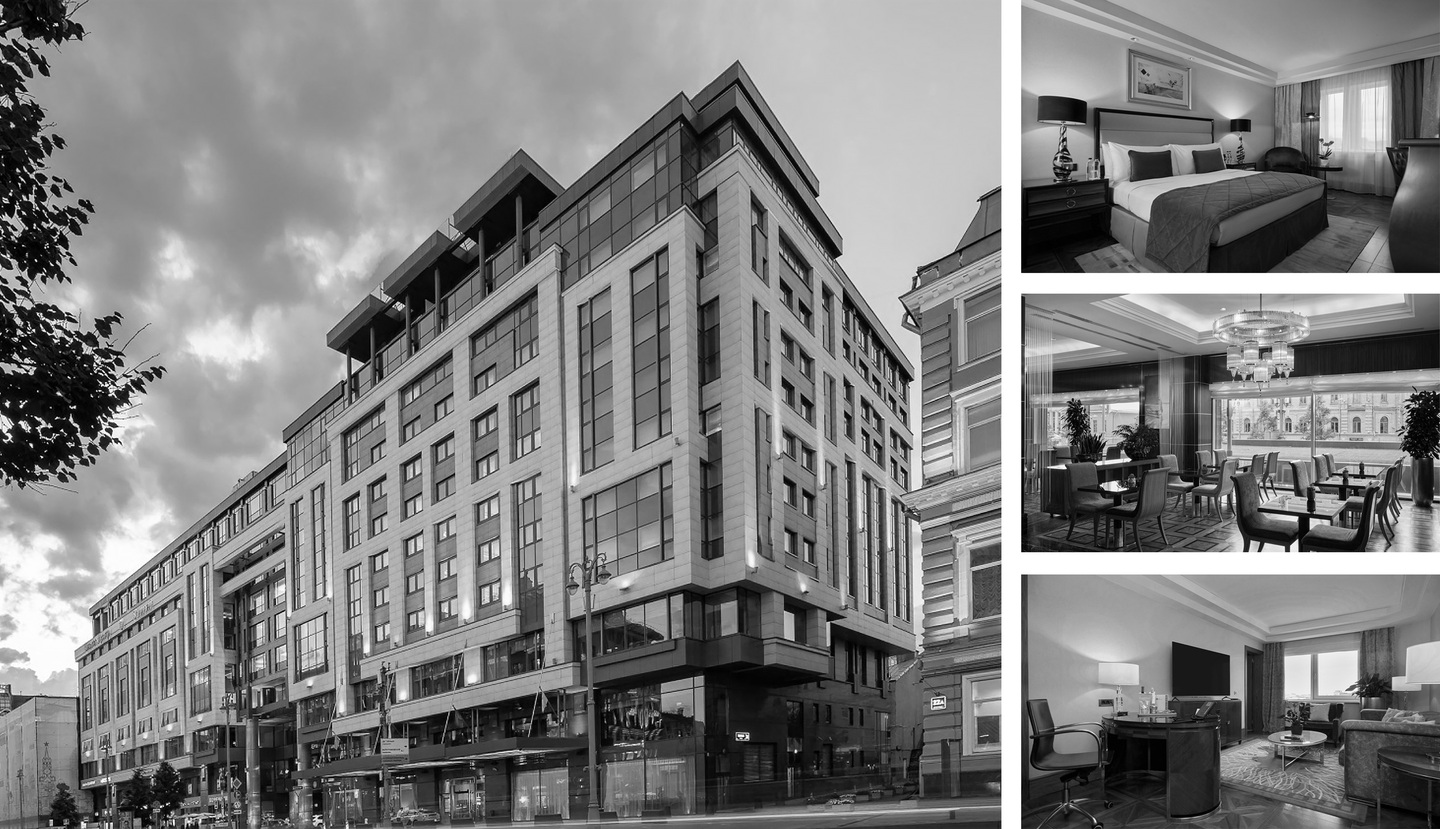
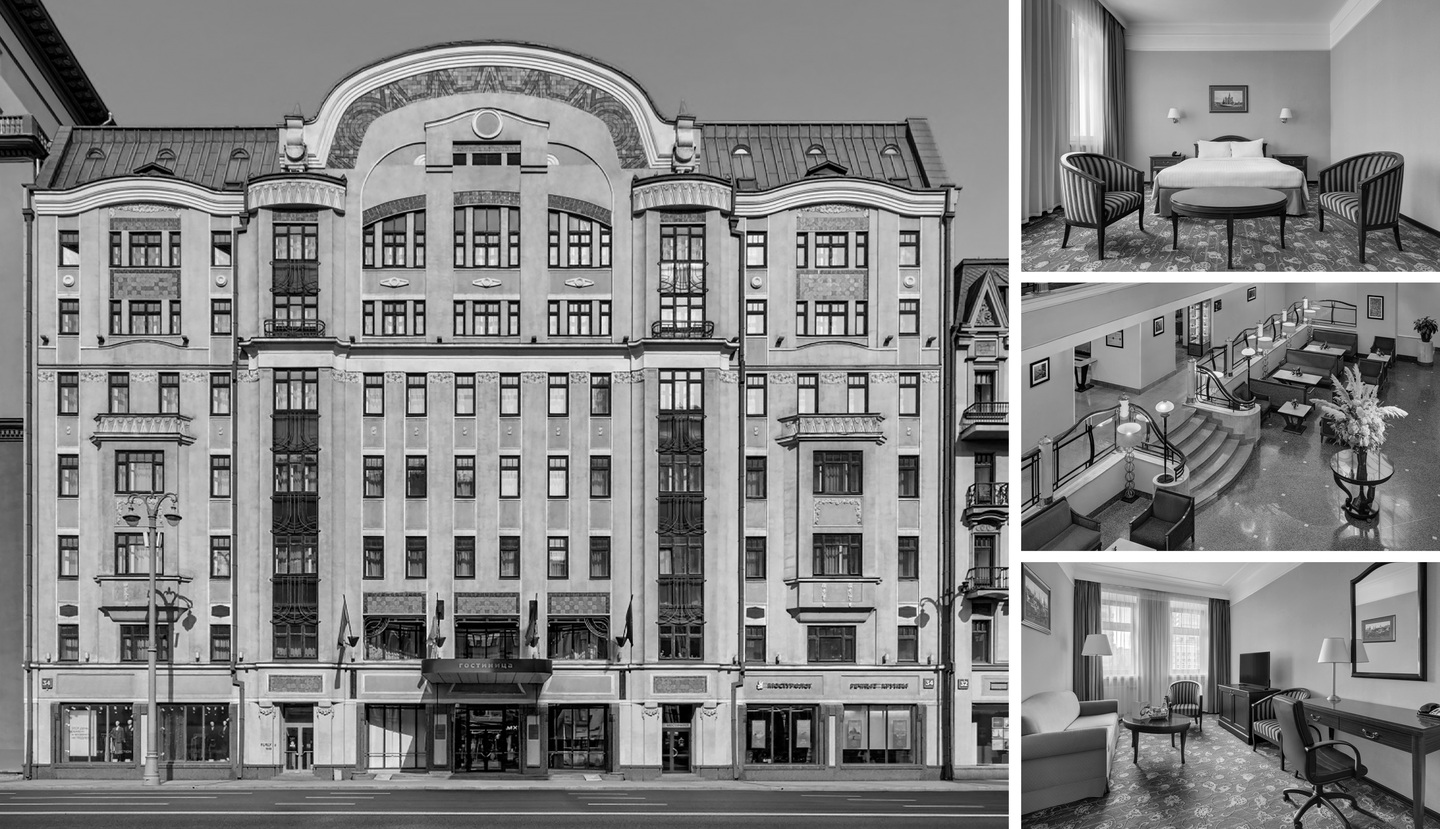
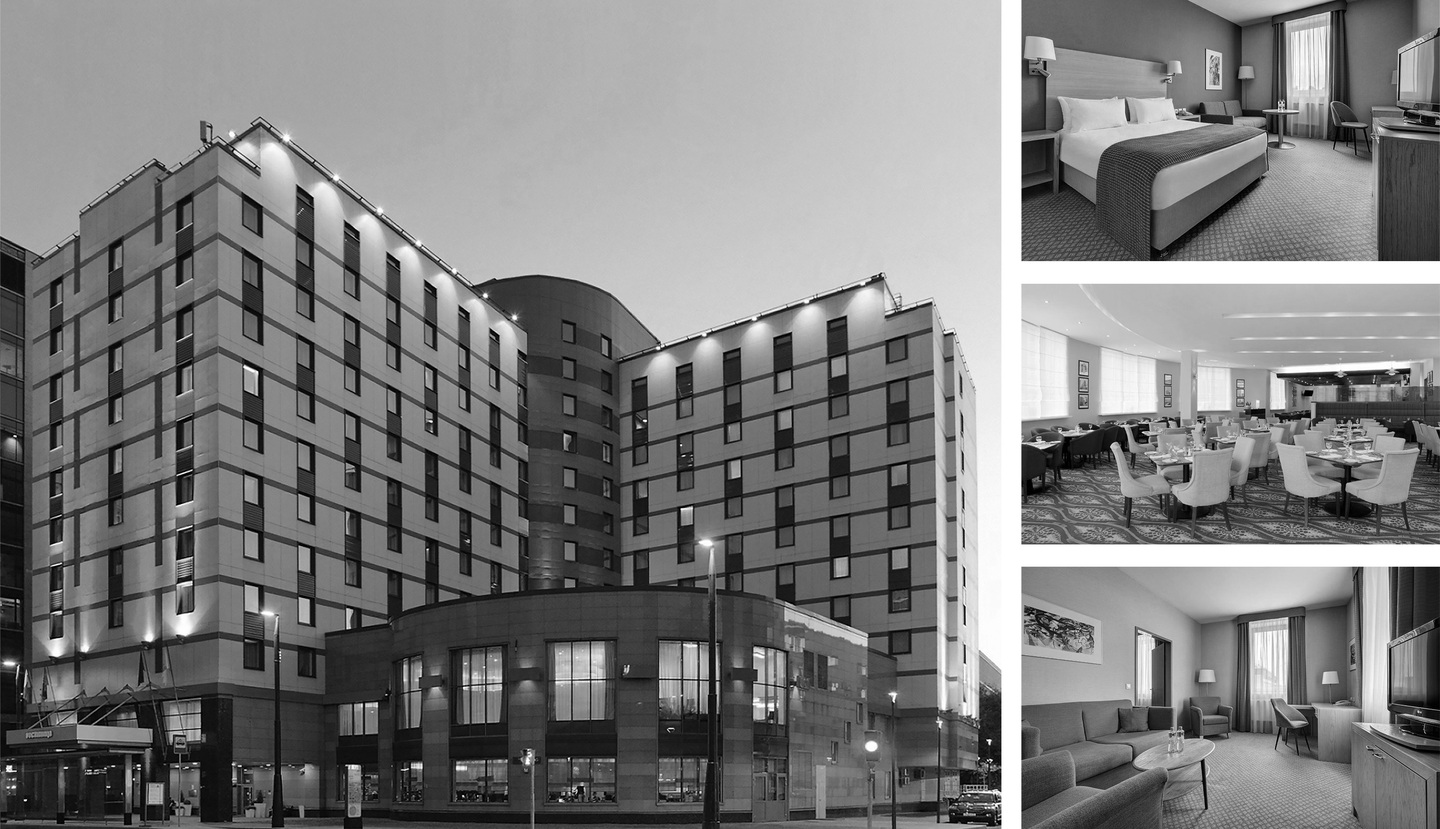
1. Continental Hotel 2. Safmar Tverskaya 3. Lesnaya Safmar 4. «Ъ»
[2.2] Theatrical Environment
The hotel building houses the Jewish theater «Shalom,» adding a cultural dimension to the facility’s functional environment. Other significant theater venues are also located near the hotel. One of these is the Theater of the Russian Army, whose building dates back to 1934–1940. The area’s theatrical landscape, alongside its museums and other cultural institutions, creates a distinctive context where the hotel function coexists with the city’s rich cultural life.
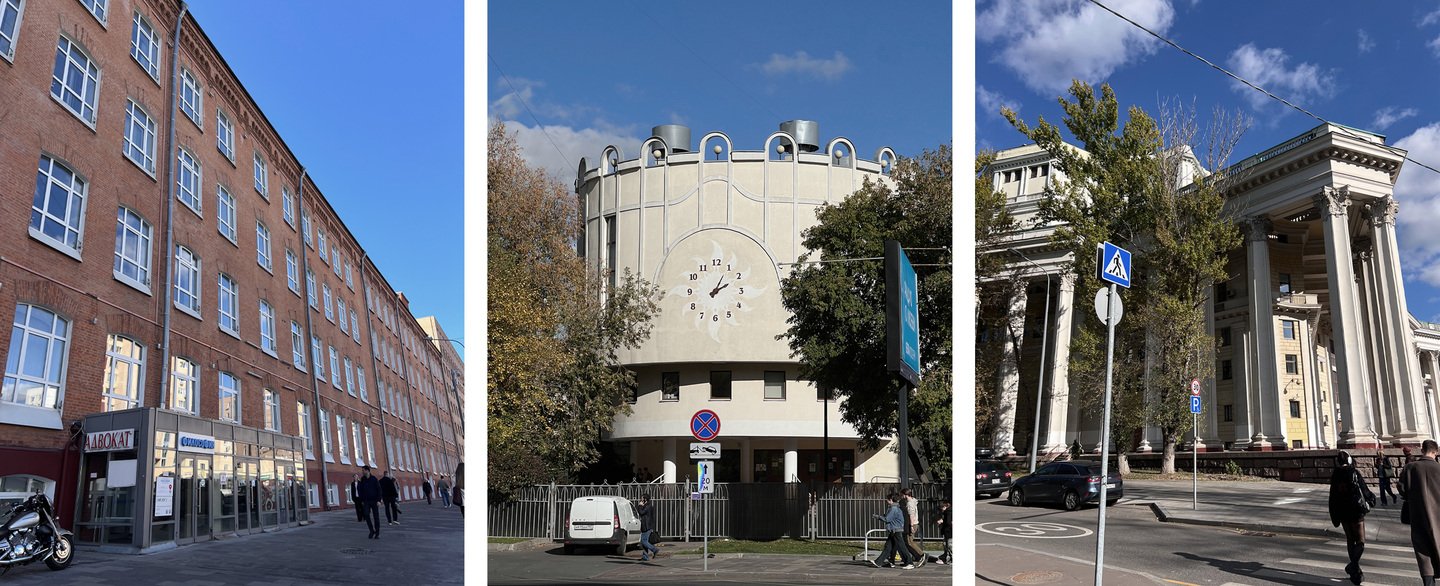
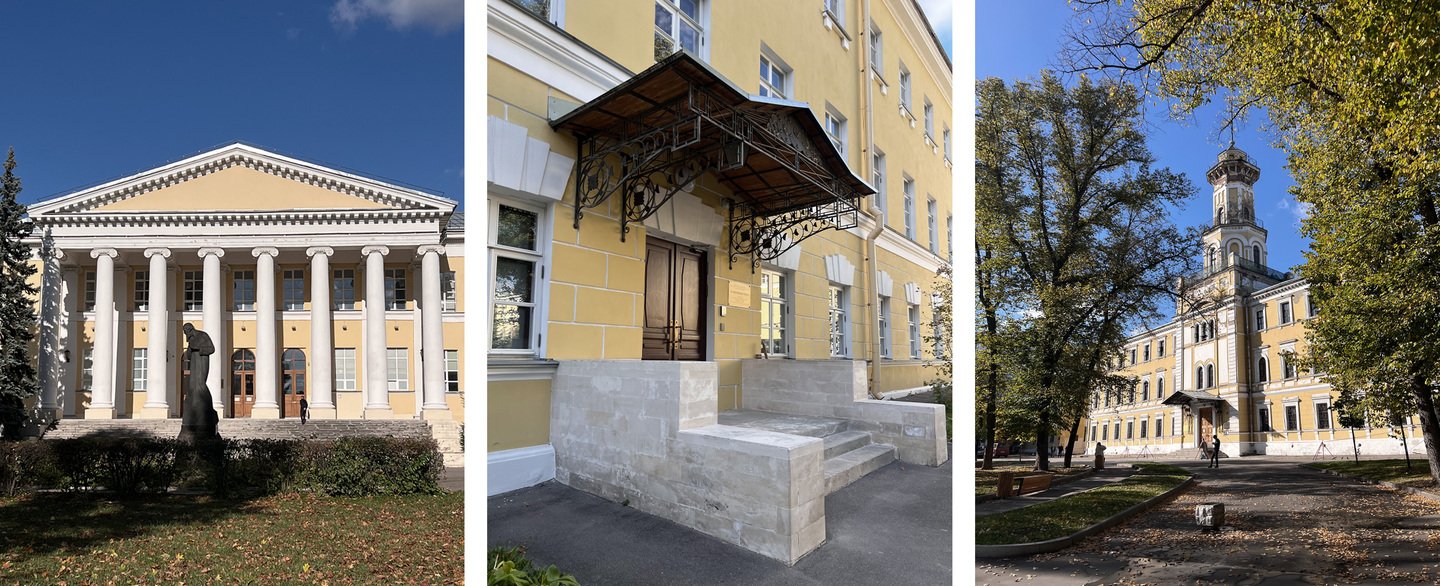
District Photo Documentation
[3] Historical Overview
Spirit of the Times
The history of Novoslobodskaya Street is connected to an ancient road leading from Moscow to Dmitrov. In the 15th–17th centuries, the route passed through the territories of present-day Bolshaya and Malaya Dmitrovka, before continuing toward the current Novoslobodskaya area. Dmitrov was an important trading post in the northern direction, so the road was used to transport goods, merchants, and travelers.The village of Sushchovo, first mentioned in written sources in 1433, was located in the vicinity of the future street. As Moscow developed, the area was built up along the Dmitrovka Road. In the 17th century, the Novaya Dmitrovskaya Sloboda formed here.
Sloboda — a type of settlement or city district in Russian history, whose residents engaged in a specific activity necessary for sustaining the state. The name of the sloboda was often linked to the residents' occupation.
This term is also linked to the concept of «freedom,» as in medieval Rus', this was the name given to settlements that were granted temporary exemptions from taxes or duties. Such arrangements were used to attract necessary specialists and workers to the state.