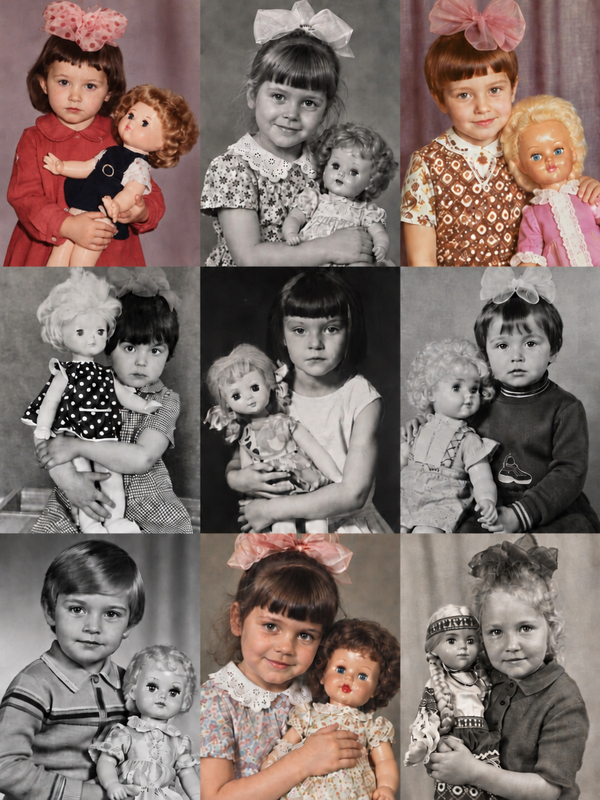
We photograph iconic moments for posterity. Because of this, many of us can find similar images in our family archives. Recurring themes transform individual stories into recognizable visual templates across generations: childhood photos with a toy, pictures by the Christmas tree for New Year’s, and photos at school on the first day of classes.
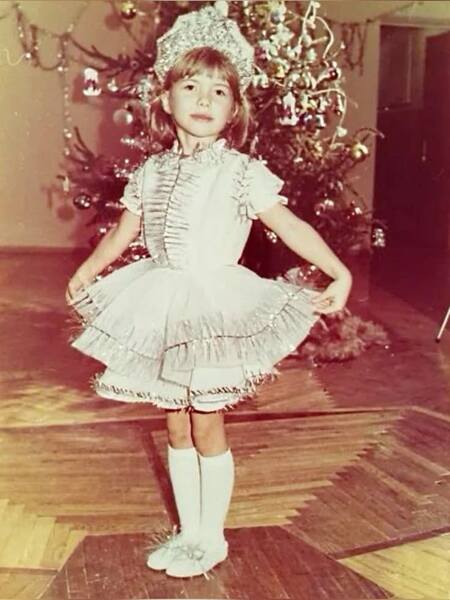
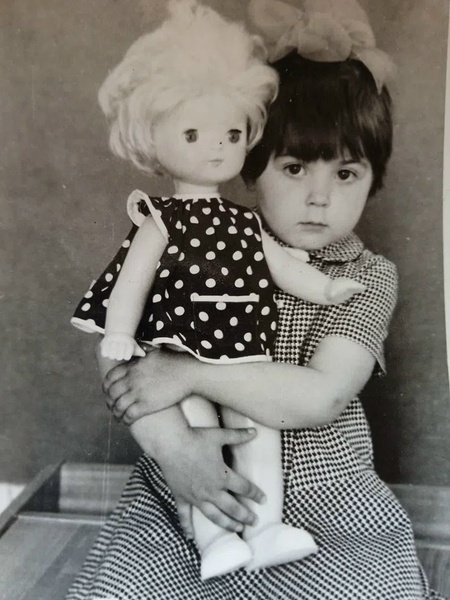
In my childhood, without smartphones, wireless internet, or social media, photographs were taken much less frequently and only on significant occasions. Therefore, this period offers a clearer look at common memory motifs. These motifs were shaped not only by circumstances—limited clothing choices, similar props in photo studios—but also by social norms: collective ideas about which life milestones needed to be recorded and how they should be presented, and how an affluent family and a well-behaved child ought to look.
Artificial intelligence learns from online archives: what repeats more often becomes material for new generations. What if we offered it curated selections of these common motifs, captured across numerous photos in personal archives? Would these common motifs become an even greater generalization? My project sharpens the visibility of this phenomenon: AI doesn’t preserve memory; it interprets, moderates, and effectively creates something new. When the witnesses of that era depart, future generations may be left with this «blurred, ” highly generalized version of the past.
My project zeroes in on this phenomenon: AI does not retain memory—it interprets, moderates, and effectively creates something new. When the witnesses of this era are gone, future generations may be left with this «blurred, ” highly approximate version of the past.
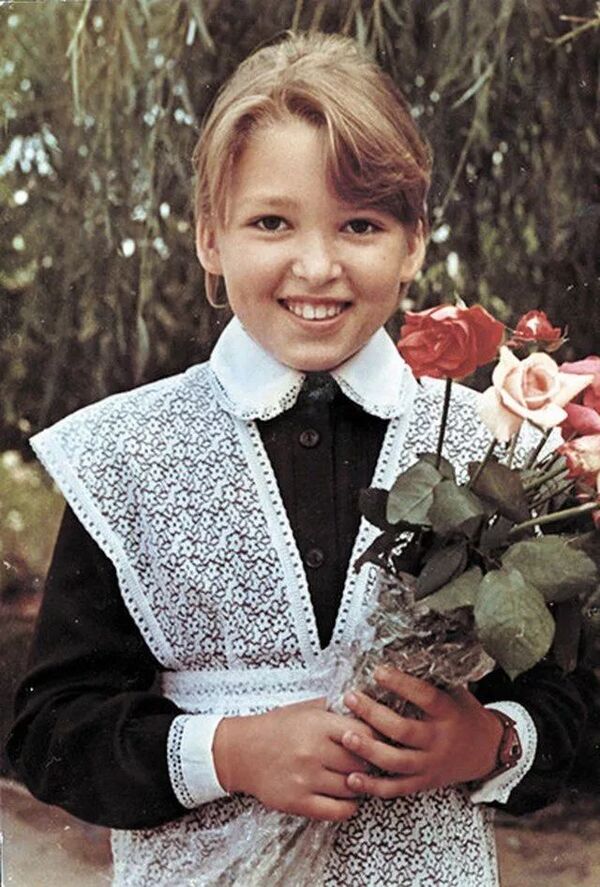
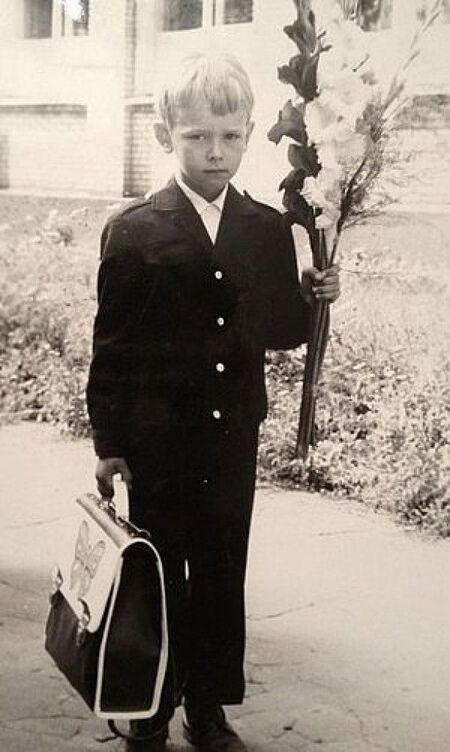
Photo series: «Common Spaces»
Every generation possesses its own set of visual clichés through which it remembers and subsequently represents its life. I found these tropes in my family albums, among friends, and on the social media of my peers. These include childhood photos with a doll, in a snowflake costume, or holding a bouquet on the first day of school in September.
By compiling photographs featuring similar themes, I created a kind of archive of «commonplaces.» Then, after «feeding» this archive to various neural networks, I generated averaged photographs—the typical toddler from the eighties, the average student from the early nineties. This is how popular algorithms represent them today, having ingested not only our national archives but also international ones. Consequently, alongside familiar carpets and sofas, there are foreign metadata (JUL), strange hairstyles, and something in a familiar scene that allows one to notice a «fake.»
The series is exhibited as paper prints. I blend real photographs and AI-generated images so that the viewer either detects or misses the difference. In doing so, I am studying the ability of today’s audience to discern content and asking myself: will this ability to distinguish be possible in the future, and what can we do, beyond simply digitizing archives, to preserve the living memory of our past?
Video featuring the performers of «This Is How It Was»
If I speak of common places and the ability to distinguish between a living and a generated image in a series of photographs, the video will address what is missing from the archive. I am referring to the events that made up ordinary family life—the things that were never deemed necessary (and simply never crossed the mind) to document. Renovating an apartment by hand, endless attempts to match a pattern on wallpaper. Doing homework with parents. Picking hated currants. Memories of family trips to the seaside are in the albums, but photos of picking berries in abandoned groves are not. Even though we went there often, and despite the gnats and the heat, it was sometimes fun.
Can the absence of a habit of documenting such a life doom it to gradual oblivion? Or does what is unrecorded actually last longer in our memory? In the video essay, I discuss attempts to digitize one of my personal memories and the similarities found between how our memory functions and generative models.