От дизайнера к арт-директору: создание визуальной концепции
This course focuses on the fundamentals of art direction: analyzing project objectives, developing visual concepts, presenting them, and organizing the work of a creative team.
What is this course about?
Art Direction is the process of developing and managing a project’s visual concept, integrating research, strategic thinking, imagery development, and the formation of a cohesive visual language. Unlike solving discrete graphic problems, art direction involves working with the project at the level of the overarching idea—defining the visual direction and overseeing its consistent execution across various mediums.
This course introduces students to the fundamental principles of art direction and the methods for developing visual concepts for brands, cultural projects, advertising campaigns, events, and other areas of visual communication.
The course also covers the dynamics of collaborating with designers, photographers, illustrators, and other creative team members, as well as the principles of defining a visual brief and ensuring the coherence of the final output.
The course aims to develop conceptual thinking and instill a design approach where visual solutions are not viewed in isolation, but rather as integral parts of a unified idea and communication strategy.
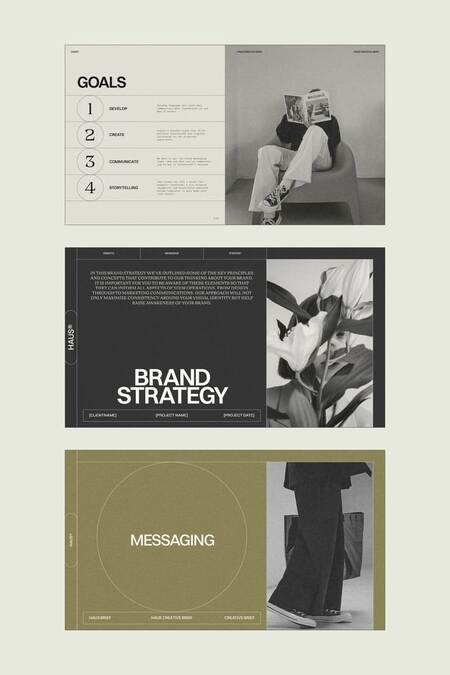
Upon completion, students will produce an original visual concept for a chosen project, presented in the format of an art direction presentation and substantiated by a system of visual solutions and implementation recommendations.
Who is this course for?
This course is designed for professionals who already possess a foundational background in graphic design or related creative fields and wish to transition from executing individual tasks to developing comprehensive visual concepts.
It will be particularly valuable for: — Graphic designers looking to develop conceptual thinking and master approaches to art direction; — Visual specialists who aim to learn how to formulate and defend creative solutions; — Designers interested in advancing their professional role and preparing for more complex projects; — Photographers, illustrators, and other specialists in visual industries who want to develop skills in creating and managing visual concepts; — Emerging art directors who need to systematize their approach to research, concept development, and collaboration with a creative team.
The course duration is 16 weeks.
Total contact hours:
64 academic hours.
Classes are held online.
Course Prerequisites
For effective completion of this course, students should have:
— basic knowledge of the principles of graphic design, composition, typography, and color theory;
— experience working with at least one graphic editor;
— an understanding of the main stages of creating visual materials;
— an interest in research-based approaches, conceptual thinking, and developing creative solutions.
Experience as an art director is not required. The course is designed for the gradual mastery of methods for developing and presenting visual concepts.
A computer and software for graphic design and presentation creation will be needed to complete the practical assignments.
What will students learn in this course?

1. Analyze the responsibilities of an art director and their role in developing visual projects.2. Distinguish between a visual concept and an individual graphic solution or stylistic technique.3. Analyze a creative brief, define the project goals, and formulate the core principles of the future visual solution.4. Conduct visual research, studying the cultural and professional context of the project.5. Create mood boards, visual selections, and conceptual presentations.6. Develop multiple directions for the visual concept and evaluate their alignment with the stated objective.7. Justify creative decisions and present the concept to the client or the team.8. Compose visual assignments for designers, photographers, illustrators, and other project contributors.
What practical assignments will students complete for the course?
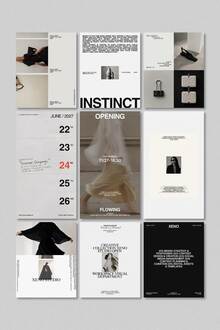
1. Analyzing the Art Director’s Role. Analyze a case study of a visual project development, define the art director’s responsibilities at each stage of the work, their scope of responsibility, and their interaction with other team members.2. Analyzing Visual Solutions. Examine several examples of graphic design and determine which represent a cohesive visual concept versus those that are standalone graphic solutions or stylistic techniques. Justify your choice.3. Working with a Creative Brief. Analyze the creative brief for a student project, formulate its main objective, define the target audience, the core idea, and the principles for the future visual solution.4. Visual Research. Conduct research on the theme of the selected project: collect and analyze references, study the cultural and professional context, identify visual trends, and formulate conclusions for further concept development.5. Developing a Moodboard and Conceptual Presentation. Create a moodboard for the chosen project, select references, define the color palette, typography, image characteristics, and other visual guidelines. Present the results in the form of a conceptual presentation.6. Developing Visual Concept Directions. Propose two or three variations of a visual concept for a single project, describe the features of each direction, compare them, and justify which one most fully addresses the posed task.7. Concept Presentation and Defense. Prepare a presentation of the developed visual concept, argue for the choice of visual solutions, explain their connection to the project objectives, and present the concept in a defense format before the student group or a hypothetical client.8. Creating a Visual Brief for the Team. Develop a visual brief, based on the approved concept, for one or more project participants—a designer, photographer, or illustrator. Describe the task, the expected outcome, stylistic guidelines, requirements for visual materials, and criteria for evaluating the result.
Thematic Syllabus
The Role of the Art Director in Developing Visual Projects
Content: The functions and responsibilities of an art director, the stages of project development, and collaboration with designers, clients, and other team members.
Practical Assignment: Analyze a visual project case study, define the art director’s tasks at each stage, and delineate responsibility zones among team members.Visual Concept: From Idea to System of Solutions
Content: The concept of a visual concept, its structure, and how it differs from a singular graphic solution, a stylistic device, or a decorative element.
Practical Assignment: Analyze several visual projects to determine which elements contribute to a cohesive concept, and explain how they relate to the overarching idea.Brief Analysis and Task Definition
Content: The structure of a creative brief, project goals and objectives, target audience, positioning, key message, and criteria for a successful visual outcome.
Practical Assignment: Deconstruct a sample project brief, identify the core requirements, define the underlying problem, and formulate the key idea and guiding principles for the future visual concept.Visual Research and Working with References
Content: Methods of visual research, analysis of parallels and cultural context, sourcing professional references, and interpreting visual trends.
Practical Assignment: Conduct research on the project topic, gather references from diverse sources, categorize them by meaning and visual characteristics, and formulate findings to inform concept development.Moodboard and Conceptual Presentation
Content: Principles of creating a moodboard, selecting and systematizing visual materials, and working with color, typography, composition, imagery, and overall visual tone.
Practical Assignment: Develop a moodboard based on the research conducted, define the project’s visual direction, and prepare a presentation that articulates its core idea.
Visual Concept Development and Evaluation
Content: methods for generating conceptual directions, searching for alternative solutions, and assessing the concept’s alignment with the brief and target audience.
Practical Assignment: Develop two or three visual concept directions for a single project, define the unique characteristics of each, and compare them based on given criteria.Argumentation and Presentation of the Visual Concept
Content: structure of a conceptual presentation, articulating creative decisions, visual storytelling, presenting ideas to the client, and managing feedback.
Practical Assignment: Prepare and conduct a presentation of the chosen concept, explain its connection to the project objectives, answer questions, and formulate potential adjustments following the discussion.Defining Visual Tasks and Final Project
Content: principles for creating visual assignments, conveying the concept to implementers, formulating requirements for the outcome, and establishing evaluation criteria.
Practical Assignment: Create a visual brief for a designer, photographer, or illustrator based on the developed concept. Present the final project, which must include a brief analysis, research, mood board, concept variations, and argumentation for the chosen solution.Course Final Project
As the final project, students develop a visual concept for a chosen or assigned academic brief. The work includes:
Analysis of the task and target audience.
Visual research and reference selection.Mood board creation.Development of several conceptual directions.Justification and presentation of the selected concept.Preparation of a visual brief for team members.
Project Example