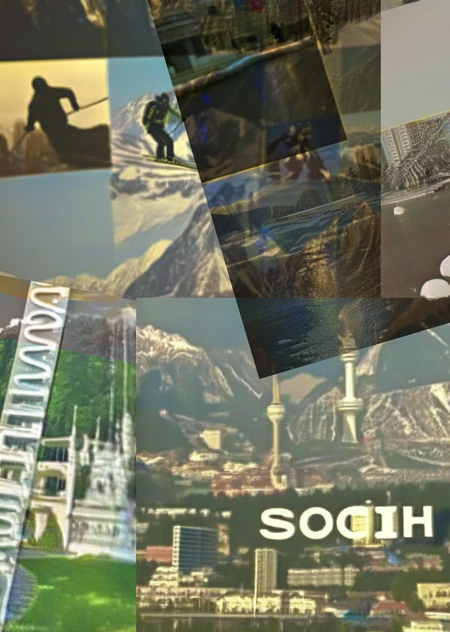
Concept
This project is dedicated to researching how a generative neural network can translate the visual characteristics of a personal home space into an image of the urban environment of Sochi.
This project explores the capabilities of the generative model Stable Diffusion for transferring textures, materials, and visual characteristics of a home environment into an urban landscape.
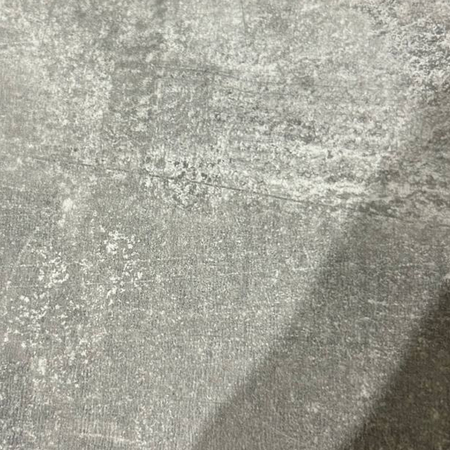
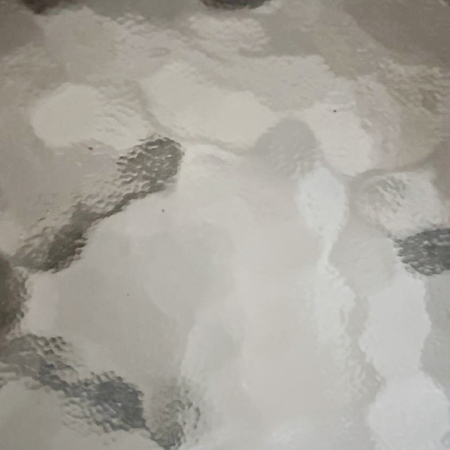
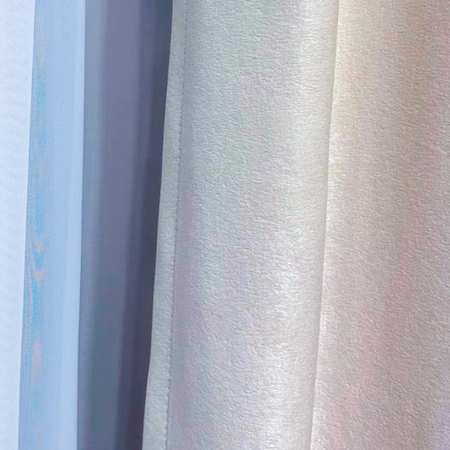
The training material consists of a dataset of photos of my home textures: surfaces, fabrics, interior objects, and other details that form my familiar visual environment.
After training, the model is applied to generate images of Sochi—the city where I live.
Here, the home textures do not function as separate decorative elements but become the basis of the city’s visual language, altering the architecture, surfaces, and overall perception of the space.
Sochi was chosen for a reason, as it is a city central to my daily experience. The project connects two spaces—the private space of home and the external space of the city. Thus, by creating its subjective, visually reinterpreted version,
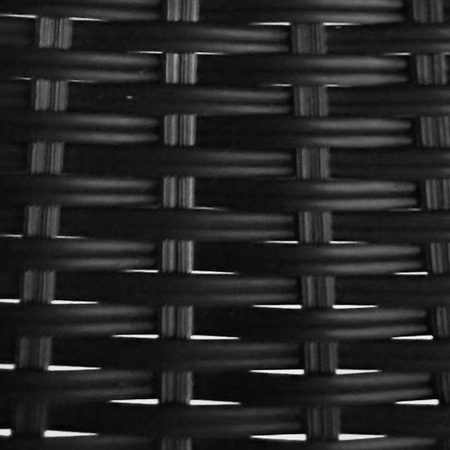
The Learning Process
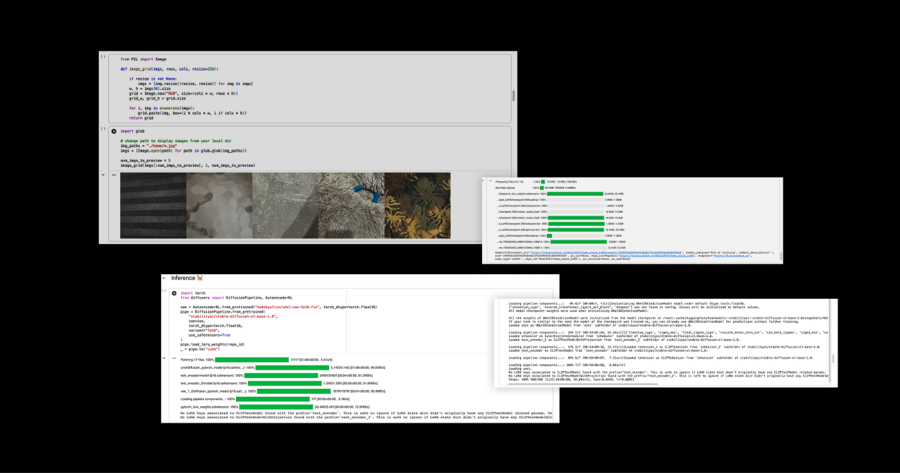
All photographs were taken in my home. When selecting the photos, I aimed to maintain a variety of materials, colors, textures, and recurring visual elements within the space.
Ultimately, the dataset used to train the neural network consisted of 25 photos, each sized at 1080×1080 px.
The entire training process for the neural network took approximately 3 hours.
No significant complications arose during the generation process. Images were generated using short, simple prompts that specified a particular scene or object in Sochi and the trained style.For instance,«prompt = „photo collage in HOME style, park in the city of Adler“ # @paramimage = pipe (prompt=prompt, num_inference_steps=25).images[0]
image»The model consistently transferred the characteristics of the original dataset to the urban environment, so it was unnecessary to overly complicate the prompts or use supplementary correction methods. The main effort involved selecting the most successful generations and comparing how the trained style manifested differently across various city scenes.
Final Images
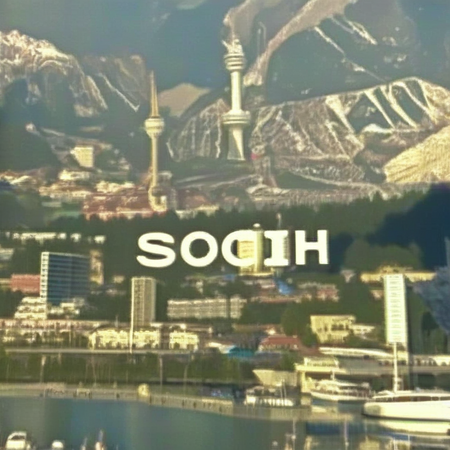
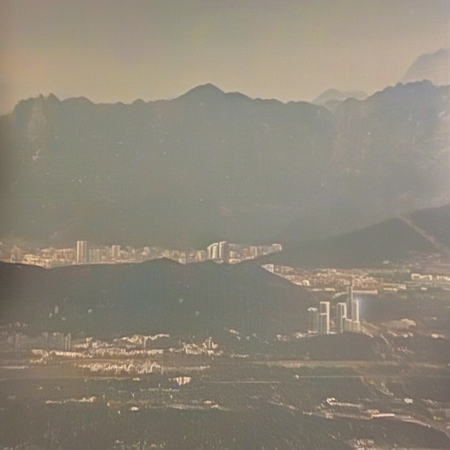
The final series presents an alternative vision of Sochi, shaped by the visual characteristics of my home environment.
During generation, I deliberately varied the type of urban scenes: ranging from panoramic city views to individual architectural elements and environmental details. This allowed me to test how consistently the trained neural network transfers the specific features of the dataset across different subjects.
The images retain the characteristic signs of Sochi—its southern vegetation, city architecture, streets, the sea, and the overall atmosphere of a resort town. Furthermore, the surfaces and individual elements have adopted textures found within the training set.
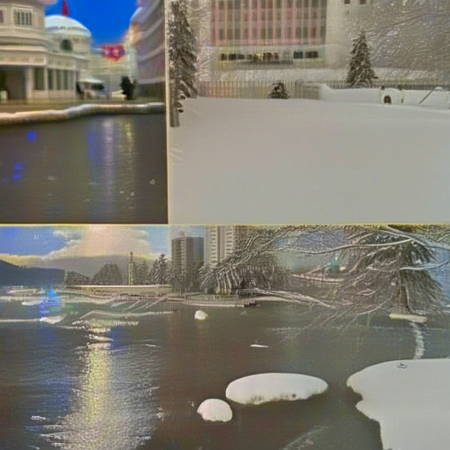
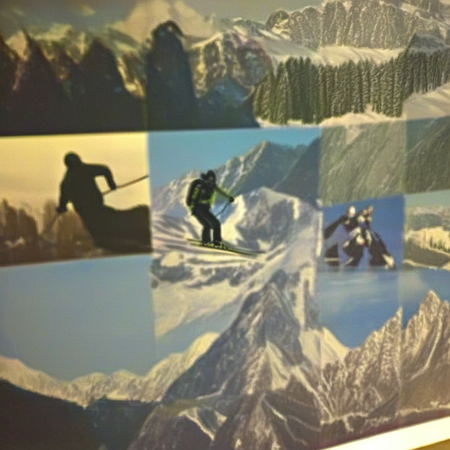
A neural network does not process source photographs literally. Instead, it interprets recurring patterns within the dataset—color combinations, surface characteristics, material textures, forms, and visual rhythm.
Therefore, in some generations, the influence of the source images is evident, while in others, it becomes less literal and is primarily felt in the overall stylistic coherence of the image.
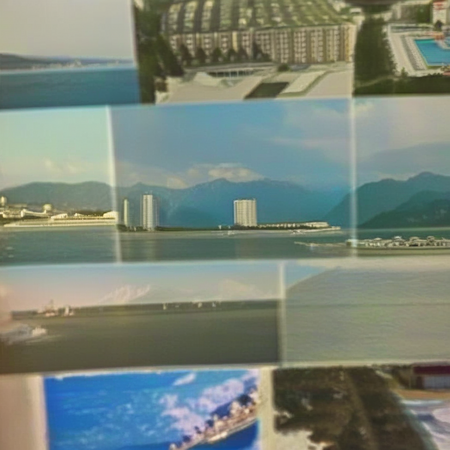
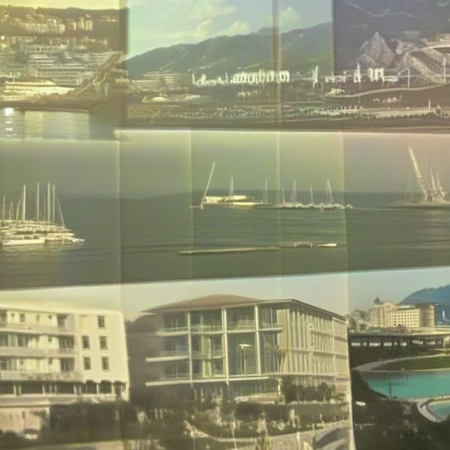
Conclusion
The final series presents Sochi as a subjective image of the city, shaped through the visual language of my home.
The project demonstrated that the visual characteristics of private space can be transposed onto an entirely different environment—the urban landscape. The trained neural network does not literally copy the original textures; rather, it reinterprets them, integrating them into the architecture, surfaces, and overall mood of the images.Thus, the project became an exploration of how a generative model can connect personal and external space to create a new visual environment based on them.
Generative Neural Networks
Link to CodeStable Diffusion XL — Image Generation and Generative Model TrainingChatGPT (OpenAI) — Assistance with writing higher-quality prompts and debugging code