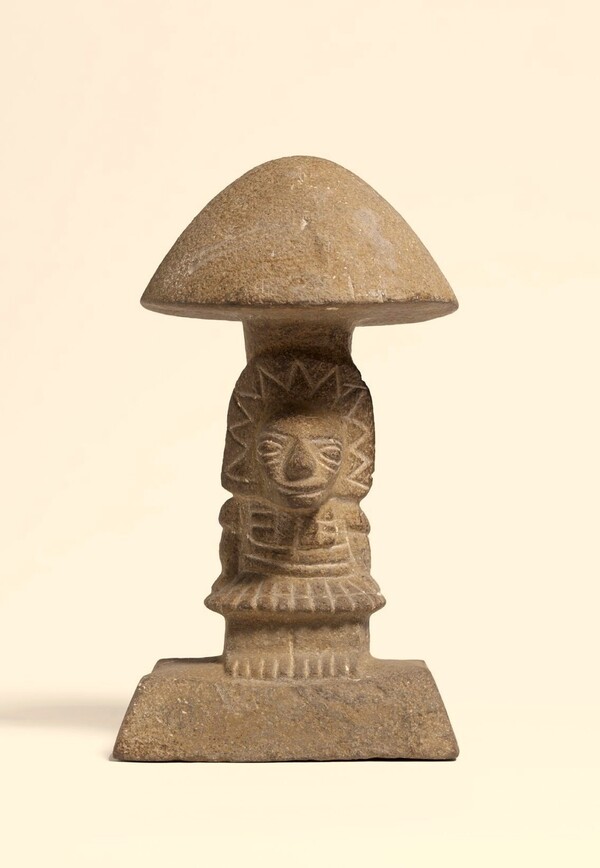
Categorization
1. Subterranean
1.1. Surface Form
1.2. Application of Form
2. Underground
2.1. Mycelium
2.2. Invisible Connections
In landscape art, the fungus sequentially moves from form to structure. First, it is copied (its silhouette), then its growth logic is deciphered (surface structures), then it is used as material (mycelium), and finally, space is conceptualized as a network (invisible connections).
Area of Study Art objects related to mushrooms.
Subject of Study The mushroom as a symbol of an interconnected world and the organization of space.
Relevance In this project, I am exploring the influence of fungi on landscape art.
Main Question How does a mushroom, from an object within a landscape, transform into a principle for structuring space?
Structure It is organized typologically. I have divided it into chapters—based on key points in the development of the arts.
Ground-level
1.1. Surface Form
1.2. Application of Form
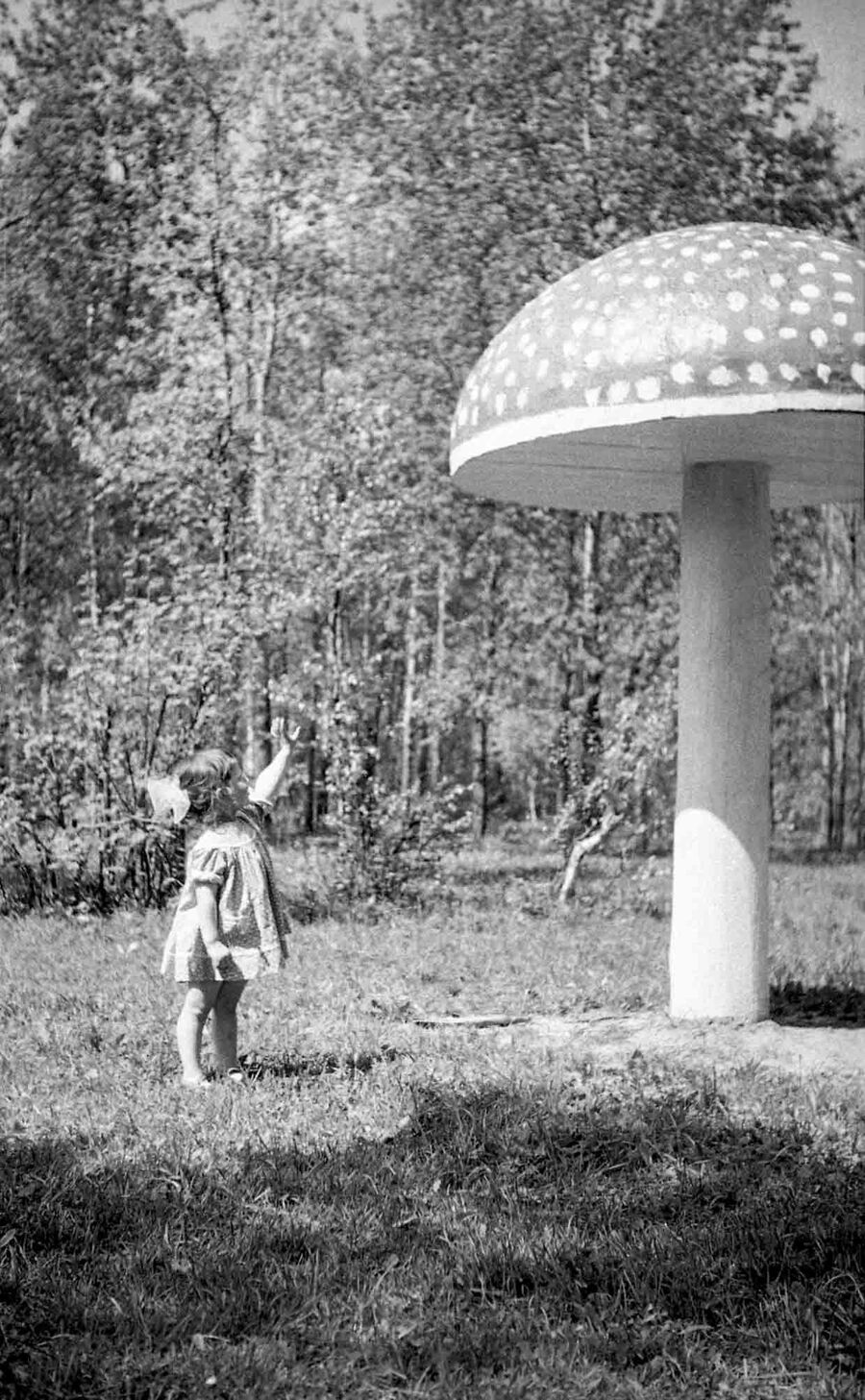
Park gazebo/canopy shaped like a giant fly agaric, located in the Czech city of Mšeno, 1960s
Mushroom, like a muffin.
J. Mayer H., Metropol Parasol, Seville, 2011
The Mushroom as an Umbrella Over the Urban Landscape.
Underground
3. Mycelium
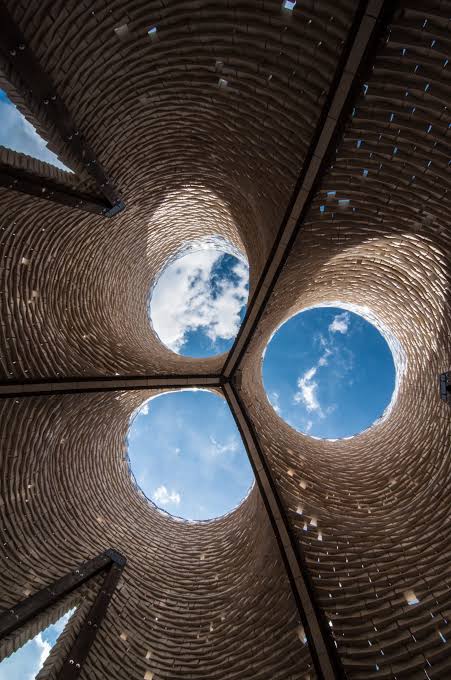
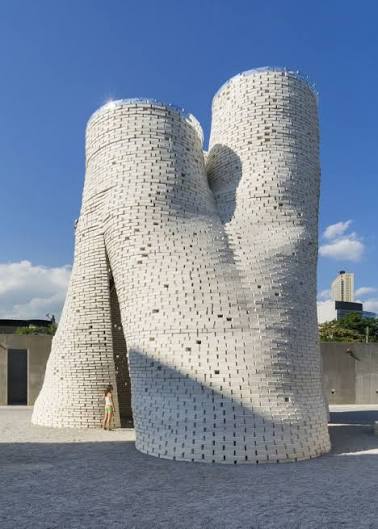
Mycelium as a building block.
4. Invisible Connections