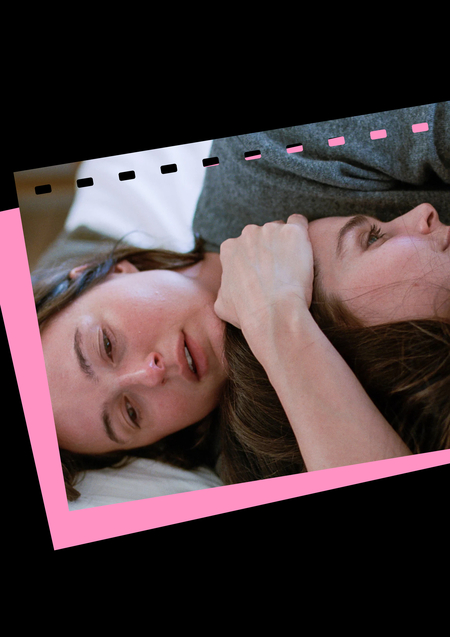
«I find it very interesting to convey a character’s thought process on screen. To focus not only on the external action but also on the internal one. There is a notion that this approach doesn’t work in film—that it’s a property of literature. I disagree. I believe that film can be highly subjective, ” said Joachim Trier.
Navigation
- Concept (includes sections: «Relevance, ” „Material Selection Principle, ” „Structuring Principle, ” „Key Question and Hypothesis“)
- Cast
- Reprise (2006)
- Oslo, August 31, 2011
- Louder Than Bombs (2015)
- The Worst Person in the World (2021)
- Sentimental Value (2025)
- Conclusion
- Bibliography
- Image Sources
Relevance
Joachim Trier’s creativity stands as one of the most consistent and conceptually unified examples of contemporary European cinema, one that reinterprets the nature of subjectivity, memory, and emotional experience. Particular interest is drawn to the concept formulated by the director himself—“tenderness as a new punk”—which suggests a departure from traditional forms of rebellion based on aggression, favoring instead vulnerability, empathy, and attention to the inner life of the individual.
The relevance of this study stems from the shift occurring within contemporary European cinema: a movement from external conflict to internal conflict, from social protest to existential experience. In this sense, Trier’s films continue and transform the traditions of auteur cinema from the second half of the 20th century, particularly the works of Ingmar Bergman, yet they offer a new form of sensibility focused on fragility and emotional openness.
Material Selection Principle
For the research material, five feature films by the director were selected: — Reprise (2006) — Oslo, August 31 (2011) — Louder Than Bombs (2015) — The Worst Person in the World (2021) — Sentimental Value (2025)
The selection is based on several principles: — Chronological Completeness — The films cover almost the entire scope of the director’s career, allowing for a trace of the evolution of his visual and thematic language.
— Thematic Coherence — All chosen works explore the themes of memory, creativity, identity, love, and time.
— Representativeness of the Authorial Method — Each film showcases key stylistic techniques of Trier.
— The climactic nature of the final film, «Sentimental Value, ” is viewed as a kind of director’s manifesto, in which the idea of sensuality is most fully expressed.
Structuring Principle
The research is structured on a filmography principle: each film is analyzed as a distinct unit, which allows for: — tracking the evolution of the director’s visual language — identifying recurring motifs and themes — documenting potential changes in narrative handling
This approach allows, on one hand, to maintain structural clarity, and on the other, to demonstrate the gradual formation of an authorial method, which reaches its maximum concentration in the film Sentimental Value.
Key Question and Hypothesis
How is the aesthetic of «tenderness» formed in Joachim Trier’s films, and how does this manifest in the director’s visual language?
In the films of Joachim Trier, «tenderness» functions as a new form of cinematic «punk,» redefining rebellion not as an external act of destruction, but as an internal engagement with vulnerability, memory, and empathy. This concept is realized through the director’s specific visual language: an associative organization of time that models the logic of memory, scenes that capture the characters' intense emotional states through close-ups and subjective optics—thereby shifting the drama from the realm of action to the realm of experience—as well as through the use of a recurring cast.
Cast
Renate Reinsve and Joachim Trier, filming process for the film «The Worst Person in the World,» 2020
Upon encountering Joachim Trier’s films, one immediately notices the recurring cast—chiefly Anders Danielsen Lie and Renate Reinse. While this practice is not uncommon in the film industry, I believe that for Trier, the repetition of actors evolves beyond mere directorial preference into a component of his artistic methodology.
From one film to the next, the actors seem to inhabit different variations of a shared emotional experience: loneliness, anxiety, the fear of time, the attempt to understand oneself, and the effort to build closeness with others. Because of this, Trier’s filmography begins to be perceived as a unified emotional universe, where memory exists not only within the narratives but also between the films themselves. For example, Renate Reinse first appears in a minor role in Oslo, August 31st, and later becomes a central figure in his later films, such as The Worst Person in the World and The Sentimental Value. The director himself has mentioned writing the role of Julia in The Worst Person in the World specifically for her.
This approach draws parallels between Trier and Ingmar Bergman, who also utilized a consistent ensemble cast, including Liv Ullmann, Bibi Andersson, and Max von Sydow. However, whereas Bergman’s repetition of actors often intensified a sense of psychological enclosure, in Trier’s work, it conversely fosters a feeling of emotional intimacy.
Joachim Trier and the actors from the film «The Worst Person in the World»
«Reprise» (2006)
A frame from Joachim Trier’s film «Replay» (2006)
«Reprise» is Joachim Trier’s debut feature film, marking not only the beginning of his filmography but also the narrative origin of Oslo, which becomes a full-fledged character in his cinematic universe. Through this city—its architecture, streets, apartments, and the intrinsic memory of its spaces—Trier will continue to explore the most personal and poignant stories in his subsequent films. Themes that would become central to his entire body of work emerge here: nostalgia, memory, the fleeting nature of time, and the attempt to hold onto a disappearing moment. In a recent interview, the director admitted that these themes have fascinated him since childhood.
The film’s narrative structure is unconventional. It tells the story of two friends—young writers, Philip and Erik—who dream of publishing their books, yet the work lacks linearity. Trier constantly shifts between temporal layers: showing the characters’ possible futures, returning to the past, weaving in flashbacks, literary fantasies, and internal projections of the characters. The film’s opening resembles a dream or a thought experiment—the director seems to present the audience with several possible destinies for the protagonists immediately, introducing us to them before the story truly begins.
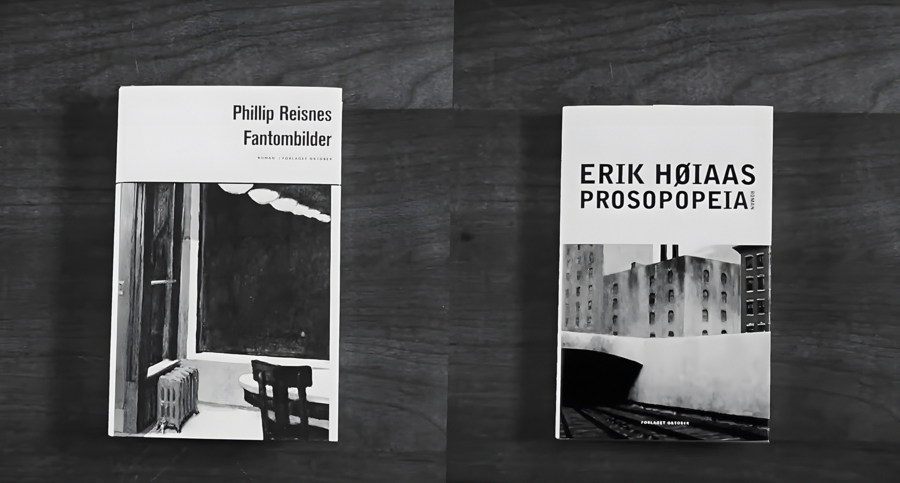
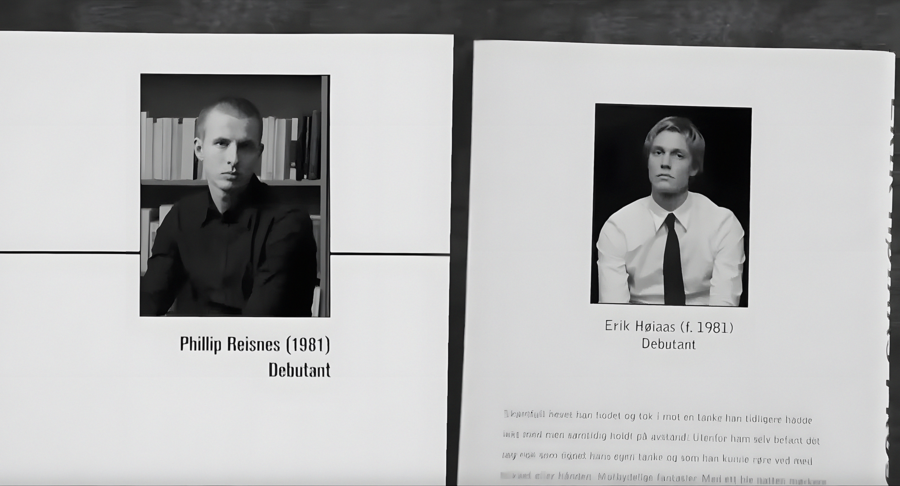
Stills from Joachim Trier’s film «Replay» (2006)
The reception of memory projection through the material world is evident in this film. The shot displays an undeveloped photograph that was supposed to feature Philip alongside his beloved writer. Joachim Trier illustrates that the value of objects to a person often resides not in their material completion, but in the feelings and experiences they continue to hold within them.
A still from Joachim Trier’s film «Replay» (2006)
It is particularly interesting to observe how the director’s future visual techniques manifest in the debut work. For instance, scenes where the protagonist looks at the space around them and suddenly plunges into memories or a parallel, possible reality. This technique is especially noticeable in the episodes with Phillip after his return from the clinic: a walk with friends, a look at the streets of Oslo—and reality suddenly blurs into memories. Here, the influence of one of Trier’s favorite films, Hiroshima Mon Amour (1959), is felt; the protagonist’s memories of her beloved emerge in an equally associative manner.
A fragment from Joachim Trier’s film «Replay» (2006)
In the interview, the director also discussed the influence of Andrei Tarkovsky—particularly the films «Nostalgia,» «Mirror,» and «Stalker"—as well as the work of David Lynch, which, according to the director, are capable of creating their own independent worlds. These influences are also felt in Trier’s drive to work not so much with plot, but with the inner state of the person.
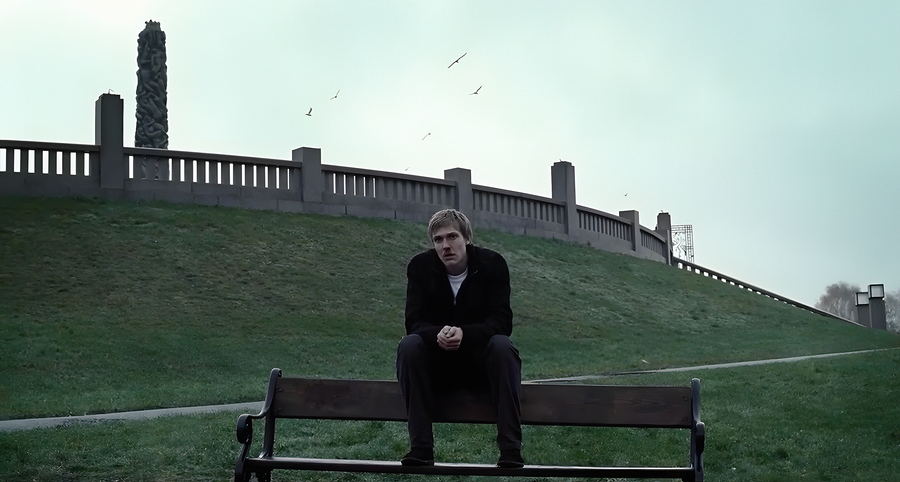
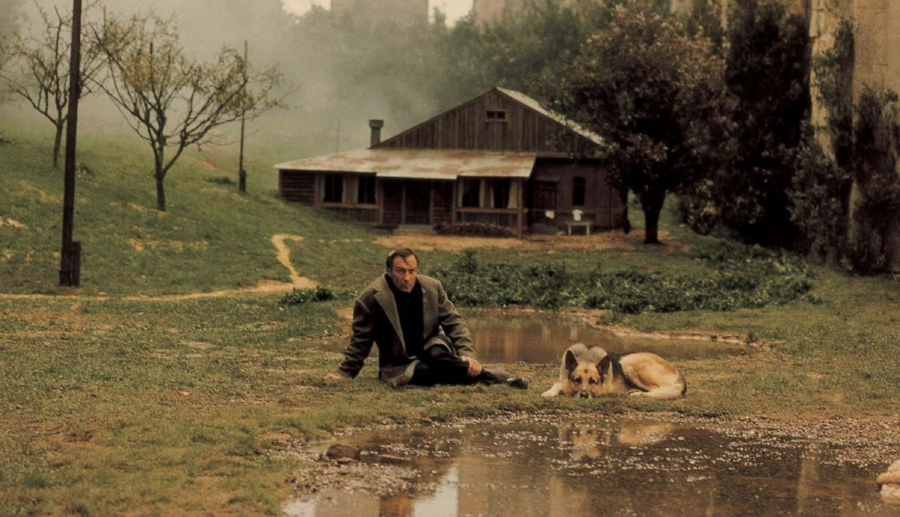
Still from Joachim Trier’s film «Replay» (2006) / Still from Andrei Tarkovsky’s film «Nostalghia» (1983)
In terms of overall tone, Reprise struck me as Trier’s coldest film, a feeling evident in both the color grading and the general visual atmosphere. At first glance, this coldness seems unexpected for a story about young people who still know how to dream, love life, and believe in their future, yet it is precisely what makes the film so poignant. The cool palette gradually begins to reflect the inner state of Phillip—a protagonist whose psyche cannot sustain the success that followed the publication of his book.
The scenes of the characters' internal solitude and disorientation are particularly powerful in the film. Trier is unafraid of space, silence, and pauses—he allows his characters simply to exist: to be silent, to reflect, to be alone with their thoughts, or even to drown in them. This cultivates a rare sense of intimacy: the characters begin to be perceived as real people.
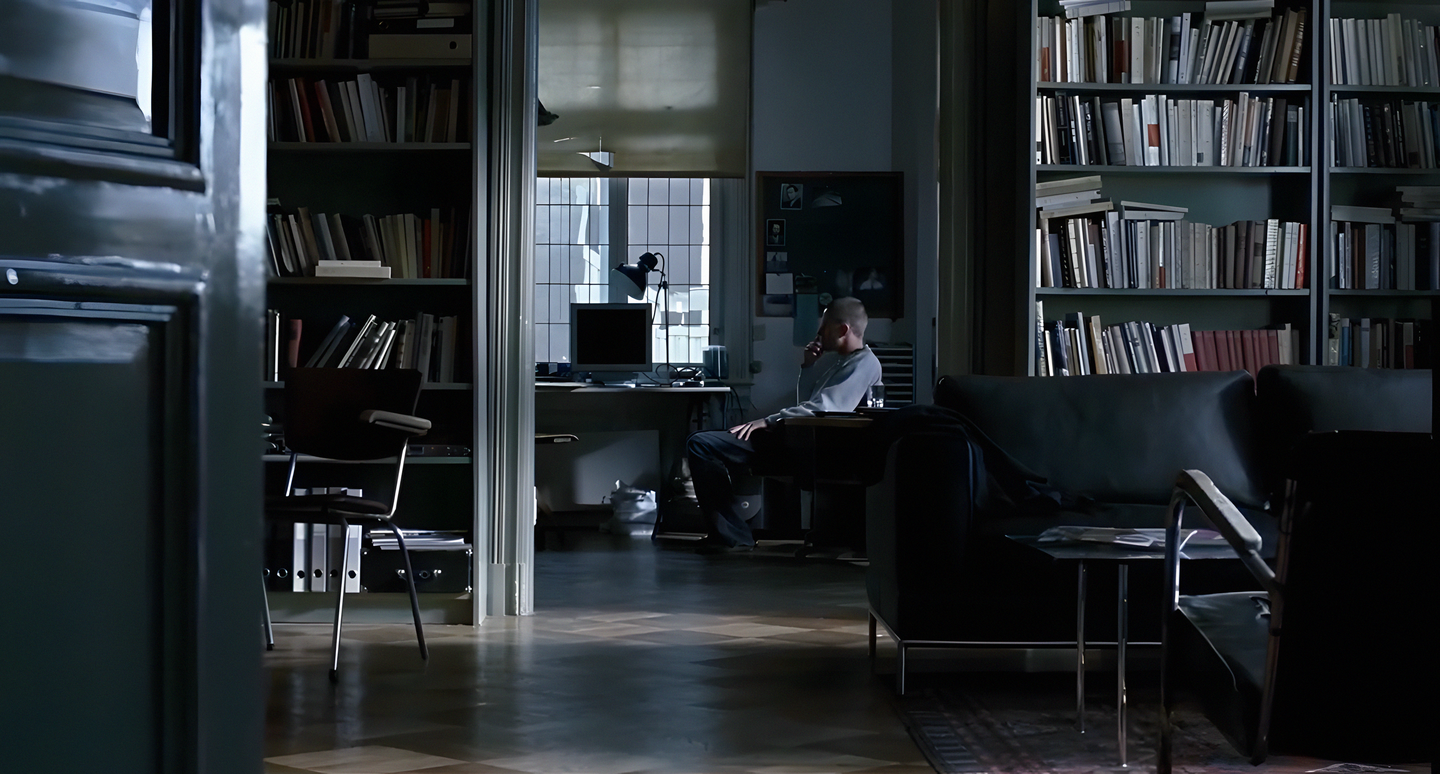
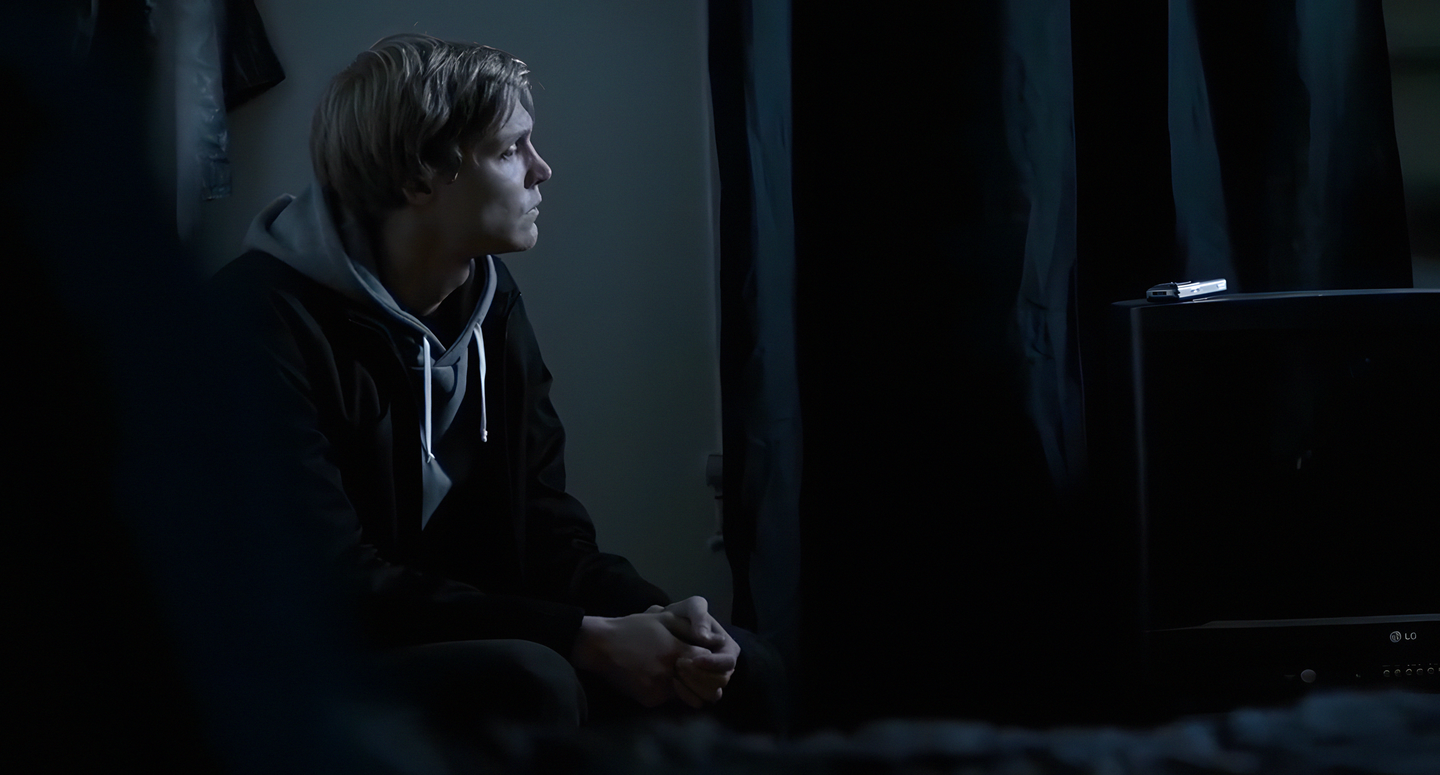
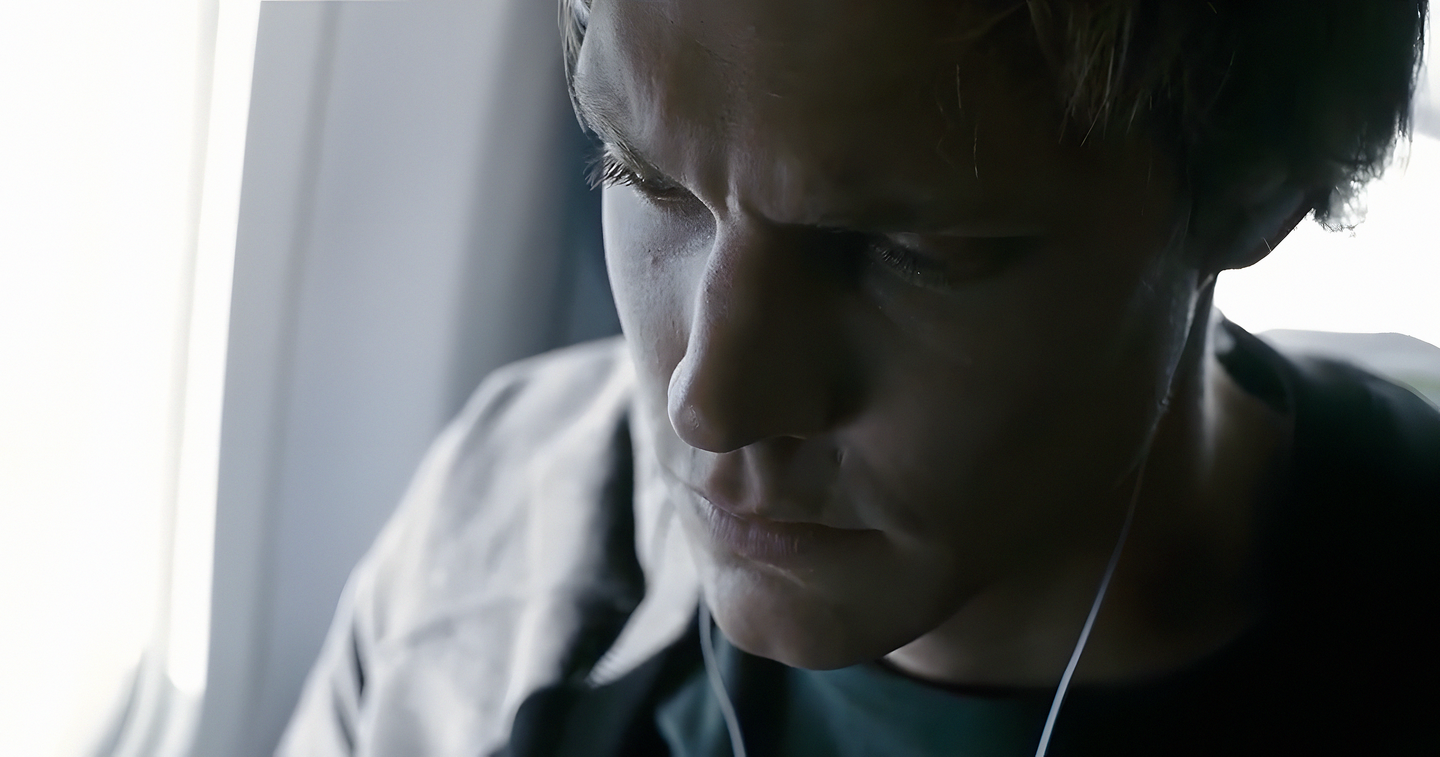
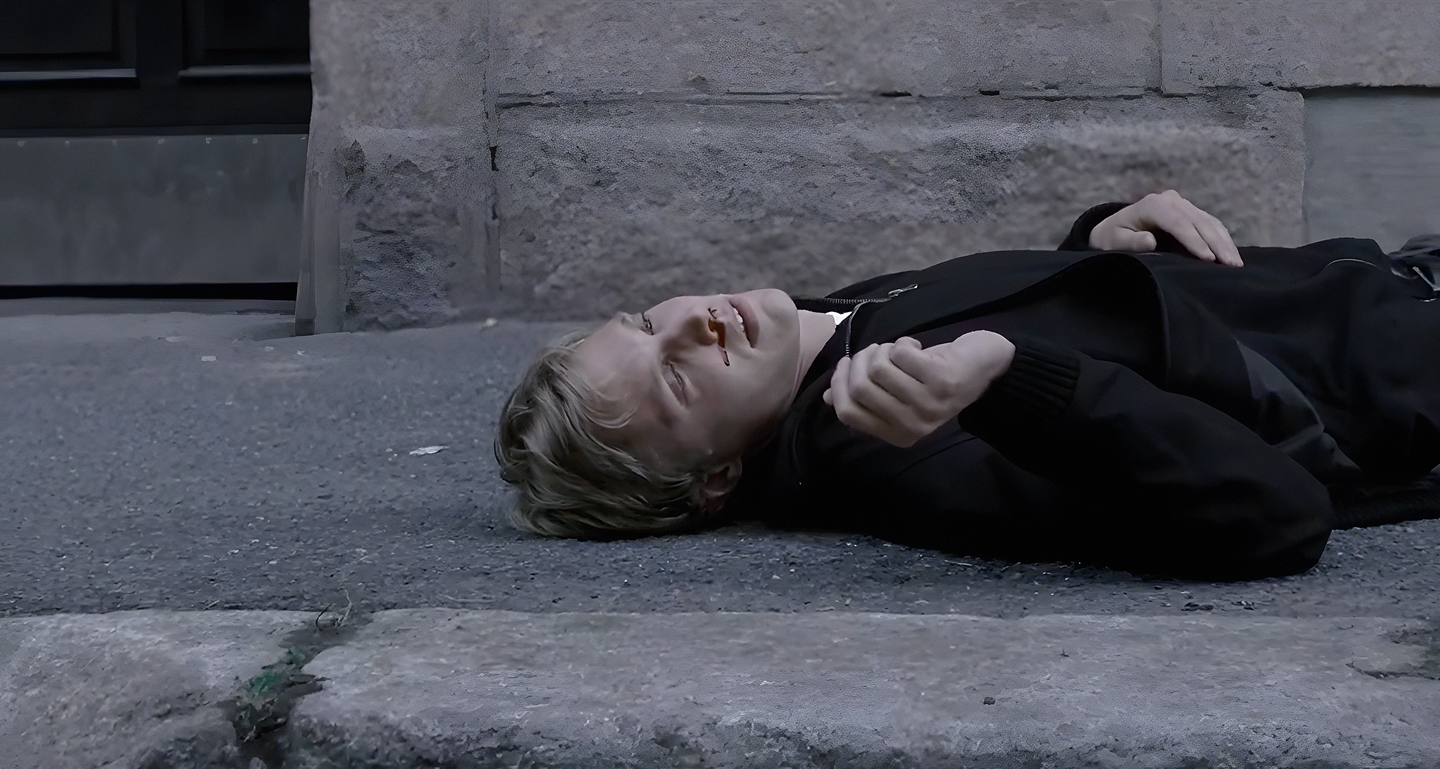
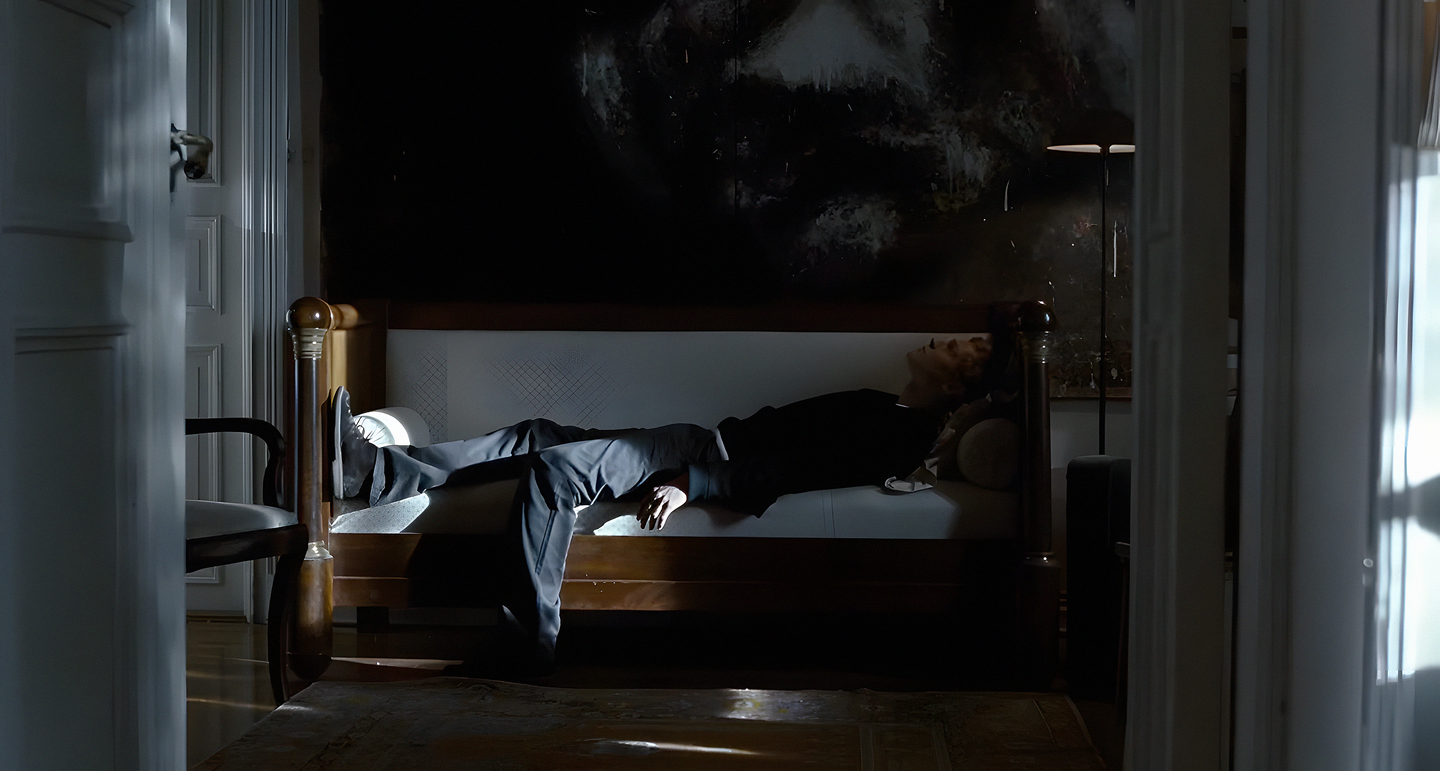
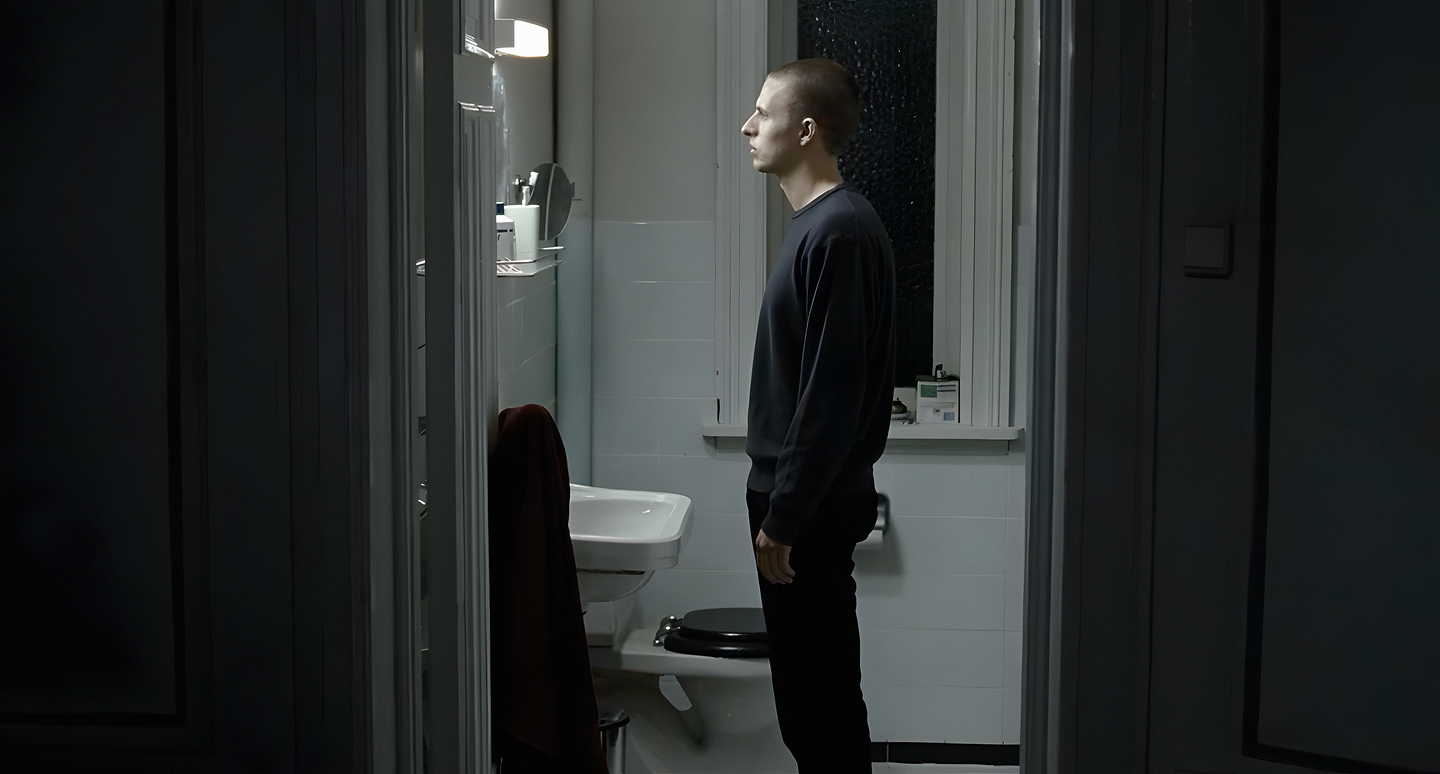
Stills from Joachim Trier’s film «Reprise» (2006)
The open ending is particularly interesting. Trier explained it using a musical melody that cuts off but continues to exist in the listener’s mind. In the same way, the film doesn’t offer a definitive answer, leaving the characters and the audience to move forward. According to the director, such an ending is especially important for young characters—their lives are just beginning, they can still change, and therefore, the story shouldn’t conclude definitively.
«Oslo, August 31, 2011»
A frame from Joachim Trier’s film «Oslo, August 31st» (2011)