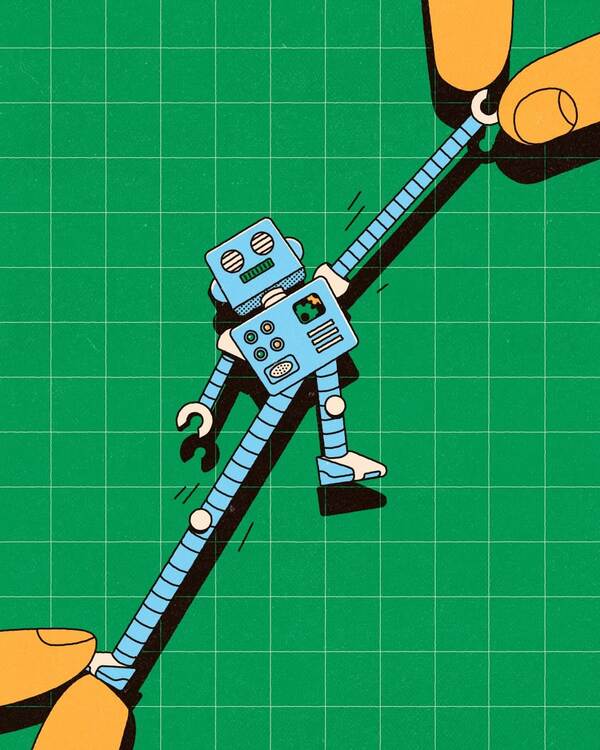
Concept
Contemporary visual communication is developing amid the rapid proliferation of digital technologies and artificial intelligence. Generative neural networks allow graphic solutions to be created almost instantly, often without requiring artistic skills or complex technical training. The production of visual content is becoming more accessible and widespread, and the standards for a «beautiful» image are becoming more universal.
Against this backdrop of visual perfection becoming readily available, the opposing trend has become particularly noticeable. More and more brands are intentionally incorporating signs of imperfection into their identities and advertising materials: uneven lines, naive illustrations, handwritten typography, asymmetry, and a sense of carelessness. These solutions may appear as if they were created without strict rules or professional refinement, but often there is conscious design control behind this aesthetic.
In an era where a neural network can generate a flawless image in seconds, meticulous neatness ceases to be a rare marker of skill and becomes part of the «machine background.» It is in this situation that the human touch can be perceived as a valuable marker of human involvement. This visual emphasis helps a brand stand out against standardized AI content, creating a feeling of immediacy and closeness.
Thus arises the phenomenon of artificial imperfection: visual imperfection becomes not a random «error, ” but a designed communication tool. By deviating from conventional expectations of correct graphics, a brand can forge its own character and evoke associations important to its audience. The effect of spontaneity or incompletion in such visuals typically stems from strategy—and often demands as much awareness from the designer as the classic pursuit of perfection.
Why do brands intentionally incorporate visual cues of error in an era of technologically perfect visual communication, and how do these cues transform into a tool for shaping brand identity?
This research analyzes artificial imperfection as a visual communication technique within the context of mass digital production and widespread AI adoption. I pose the question: why do brands utilize signs of visual error in an era of technologically perfected visual communication, and how do these signs transform into a tool for image construction?
I hypothesize that as visual standardization becomes increasingly accessible thanks to AI, deliberate imperfection helps brands stand out amid homogenous digital content. By employing signs of visual error—such as uneven lines, asymmetry, naivety, and a handmade aesthetic—brands strive to evoke a sense of humanity, individuality, and emotional connection with the audience. For these brands, imperfection ceases to be a defect and instead becomes a conscious tool for shaping a visual identity and building trust.
What does it mean to be human?
AI challenges traditional notions about the boundaries of humanity in creative work. Errors, spontaneity, the ability to surprise, or to break a pattern were once considered purely human traits. Today, as automation infiltrates design, the value lies not just in the manual process, but also in the ability to leave an individual, unpredictable mark—to embrace imperfection as a means of personal expression. Being human in design now means not only possessing technical skill but also perceiving the nuances that can make a visual gesture expressive.
Context and Evolution
The year 2022 marked a turning point for visual design when generative neural networks, such as DALL·E 2, Midjourney, and Stable Diffusion, evolved from laboratory experiments into a mainstream tool. Design creation became a streamlined and seemingly «perfect» process—production was conveyor-belt like: input a prompt, and receive a finished result. This gave rise to fast but impersonal creativity, where the primary challenge shifted from quality to standardization.
AI services are trained on millions of works, emphasizing averaging and repeatability over ingenuity. Their training is based on massive open databases that contain masterpieces of professional design alongside random, low-quality images, replications, and anonymous submissions from forums and stock sites. To the algorithm, all visual decisions are equivalent—it analyzes the frequency of shapes, colors, and compositions, but it does not distinguish context, originality, or meaning. Therefore, the neural network strives for the average: it reproduces and amplifies the most common patterns, preserving a recognizable style that occurs most frequently. As a result, AI-generated design quickly becomes standardized and predictable—and it is precisely this predictability that now makes any deviation from the norm a special asset.
This situation has sparked a dual reaction. For some, AI is an essential tool for acceleration. For others, it is a source of depersonalization and the loss of expressive gesture. Against this backdrop, the «human touch"—craftsmanship, imperfection, spontaneity—is becoming a vital resource for designers and brands. Imperfection is returning as a challenge to the dominant machine aesthetic.
The First Wave of Visual Communications
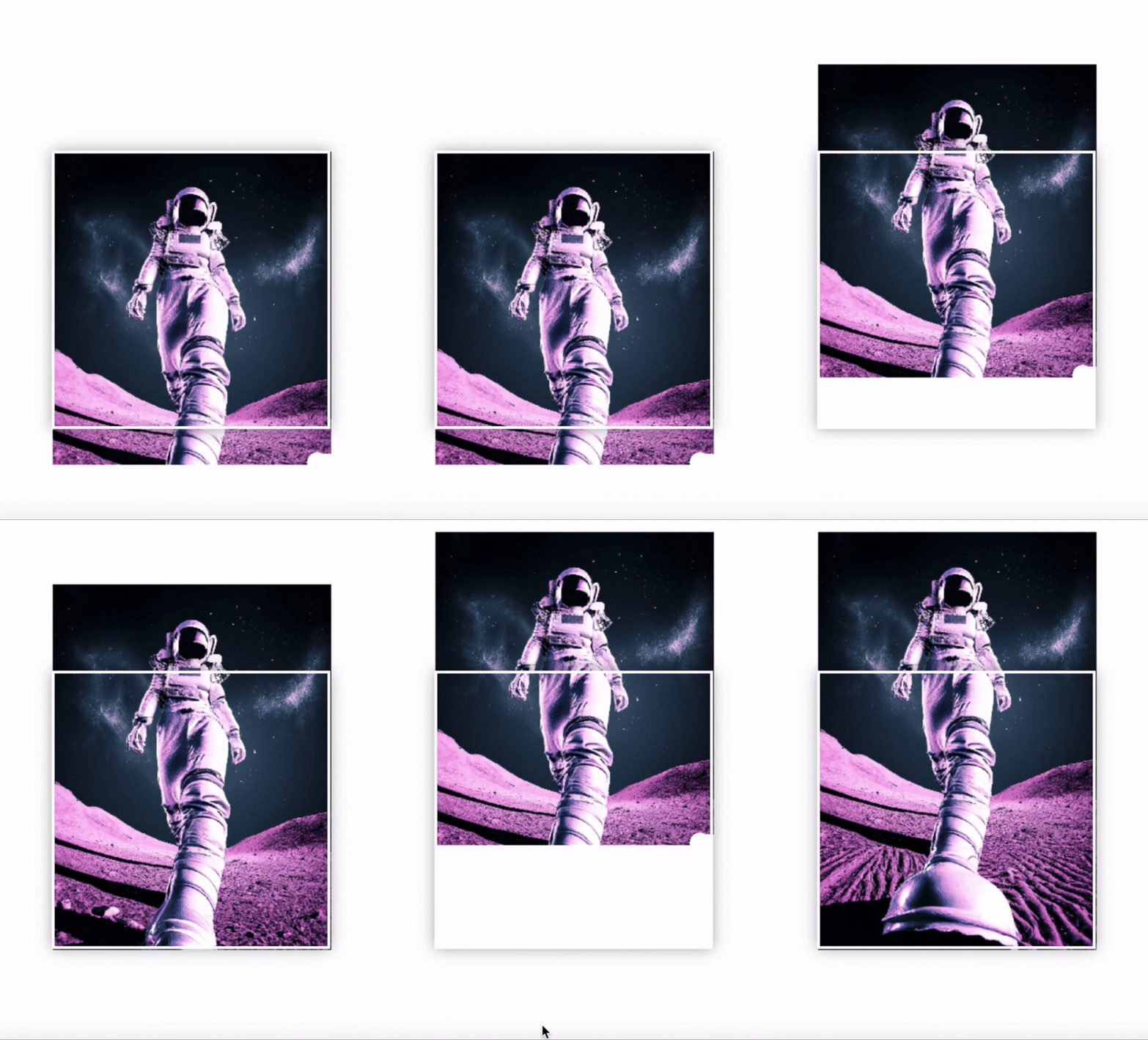
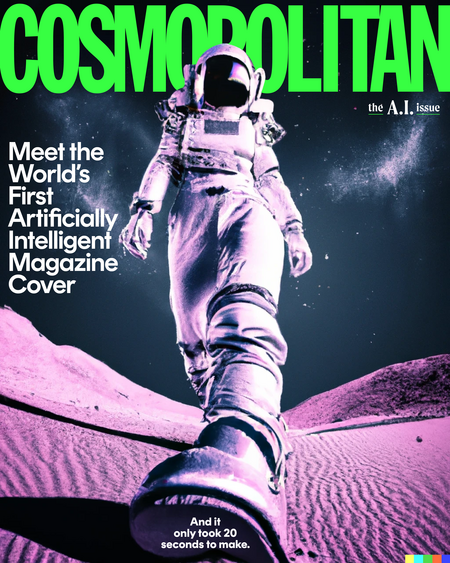
A telling example of how AI rapidly transitioned from a sensation to a design routine is the Cosmopolitan cover generated using DALL·E 2 in the summer of 2022. At the time, the mere fact that artificial intelligence was used to create the magazine’s imagery became newsworthy—the editorial team publicly detailed the choice of prompts, the generation process, and positioned the result as a symbol of a revolution in visual culture and storytelling approaches.For the professional community, this case appeared to be a step into the «future»: for the first time, a major media outlet could receive an illustration from a few lines of text in mere seconds, without the involvement of an artist. The experiment felt fresh, was discussed as a technological breakthrough, and the cover featuring the astronaut became a genuine media event.
As part of the experiment, the creators also attempted to generate a cover featuring Darth Vader: The AI successfully created a recognizable image, but failed to reproduce the Cosmopolitan logo—the algorithm could not position the letters correctly, and the lettering had to be added manually.
In just a couple of years, such experiments have become an industry standard: AI generation has transformed into an everyday tool, and numerous «AI generated» covers and campaigns have lost their novelty. In professional circles, the term «neurolop» has emerged—a uniform, impersonal stream of graphics from generators.
The Cosmopolitan case became a symbol of this transitional phase: shifting from the «wow» effect and astonishment at new possibilities to a swift weariness with standardized AI visuals and a new quest for an individual, human touch in design.
Limits of Understanding: Why AI Makes Mistakes
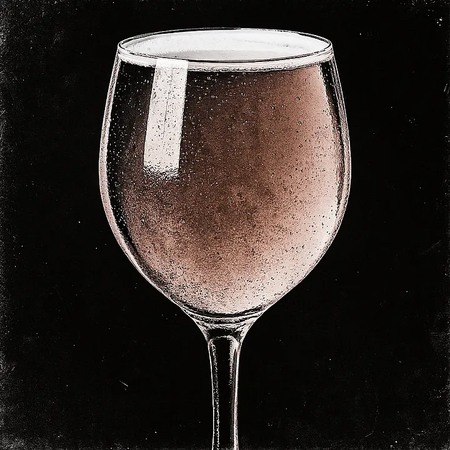
A telling example is the history of the «wine glass full to the brim, ” which has been actively discussed since 2022. Even modern image generators occasionally fail at seemingly simple prompts: not because they lack computing power, but because they analyze the frequency of an image in vast visual databases rather than the actual meaning of the request. If most pictures feature half-filled glasses, the AI is most likely to suggest that option, ignoring the rare (or no longer present) condition explicitly set by the user. Ultimately, the error becomes not a bug in a specific system, but a vivid illustration of how algorithms tend to reproduce the most probable, averaged solutions, rather than invent something fundamentally new.Even as neural networks advance, these imperfections do not entirely disappear—they simply shift to more subtle nuances. Now, AI is more prone to errors in more complex scenarios: failing to recognize the conditional logic of a scene, losing detail in object interactions, violating compositional relationships, or substituting a natural gesture with a cliché one. Such inaccuracies may seem minor at first glance, but they are precisely what reveal a lack of authorial control, individual perspective, or genuine visual intuition.
Why the Industry Embraced Imperfection
The widespread adoption of artificial intelligence has visibly shifted the visual language of advertising and branding. Initially, automation and generative algorithms were perceived as a long-awaited technological breakthrough. However, it soon became apparent that the pursuit of perfection leads to a paradoxical effect.
Brands and designers sensed the danger of dissolving into thousands of impersonal images. The anticipation of novelty gave way to frustration with a universal digital standard. Against this backdrop, the industry began seeking new ways to differentiate itself and establish an emotional connection with the audience. The return to deliberate imperfection proved to be a meaningful response to technological standardization. These visual choices are now perceived as a sign of authenticity and individuality: every flawed, slightly unconventional decision underscores that a living person, not an automated algorithm, stands behind the brand.
In a landscape where nearly any visual idea can be generated and reproduced in seconds, complexity, texture, unevenness, and artistic «error» have gained new value. Imperfection is no longer merely a stylistic device, but a conscious communication tool that allows a brand to stand out in the digital stream, build an honest and recognizable image, and elicit the desired emotional response.
Apple «A Critter Carol» (2025)
At the end of 2025, Apple released the holiday film «A Critter Carol,» created in collaboration with TBWA\Media Arts Lab. The main characters in the advertisement are touching, handcrafted animals who discover the iPhone 17 Pro and use it to film their musical video about friendship. The setting is a detailed forest scene, where each character is sewn or cut by hand from felt, fabric, wood, and paper. The camera captures the texture: stitches are visible on the animals' faces, the fur is carelessly arranged in places, and the objects are slightly askew.
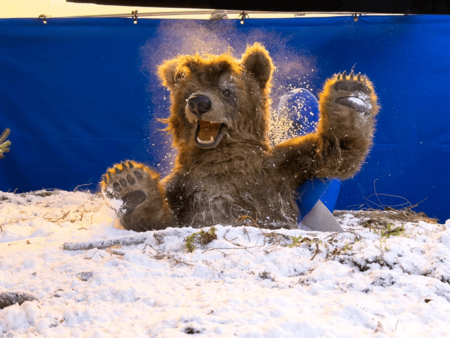
This aesthetic is deliberately far removed from sterile digital gloss. In every frame, you can feel the handcrafted quality and materiality: soft light, noticeable traces of mechanical intervention, slightly imperfect lines and figure details, and handmade typography. Instead of flawless, perfect animation—it is a puppet show with visible handwork and minimal post-production. This approach brings the viewer back to the visual language of cozy children’s fairy tales, where imperfection is perceived not as a flaw, but as an encounter with something real and alive.
Interestingly, despite the technology being the central theme (the entire video was shot on an iPhone 17 Pro), the smartphone itself does not become an object of fetishization. It isn’t idealized—it simply becomes the tool that helps the characters realize and share an idea. This approach demonstrates that Apple’s identity supports not only technological prowess but also the value of human gesture, authentic creativity, and careful attention to detail.
«A Critter Carol» stands out amidst a multitude of digital holiday campaigns. Apple deliberately leans into an aesthetic of intentional imperfection—making it its strategic language of trust and emotional intimacy. In an era of mass AI content, where perfection equates to anonymity, this handcrafted visual allows people to believe again: there are people, not algorithms, behind the brand’s story.
Intermarché «Unloved» (Le Mal-Aimé, 2025)
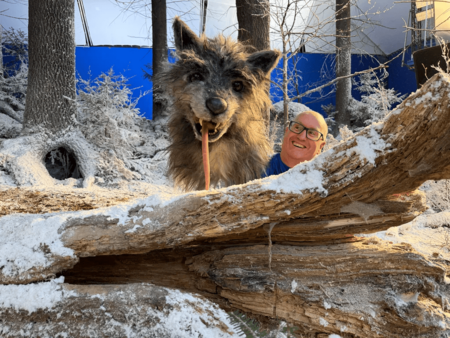
In December 2025, the French retail chain Intermarché released the Christmas short film, «Le Mal-Aimé» («Unloved»). It tells the story of a solitary wolf, shunned for his habits, until he begins cooking vegetables and finds his place at the holiday table. The campaign became a genuine cultural phenomenon—viral, deeply human, and most importantly, completely free of artificial intelligence.