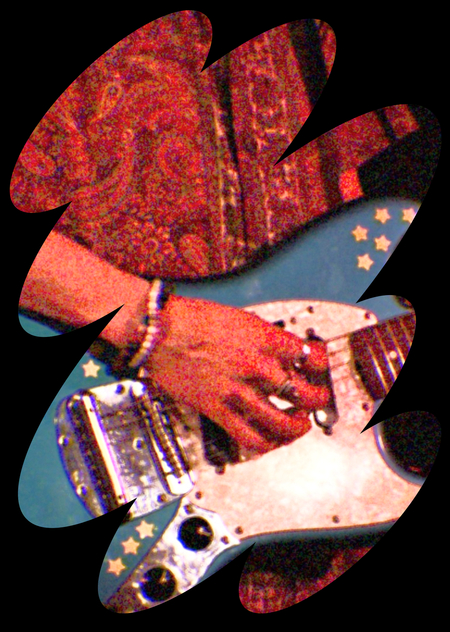
A visual study of indie music in Russia and the instruments used involves analyzing the influence of this genre on culture and the perception of music as an internal experience for the musician, examining the instruments used to create this music, and exploring the impact of indie rock on contemporary art.
The focus of this research is an analysis of indie music as a genre: how it sounds and what musical instruments musicians employ in composing. It is also important to study the current themes within this musical movement and interesting facts about the musical instruments.
Navigation
- Concept
- The Origin of the Genre in Russia
- Unheard Tales
- Indie Scene Gold
- Conclusion
Concept
When in the 1970s and 1980s, it was impossible to release a film or record a song without the involvement of massive corporations, independent studios emerged—indie—which gave rise to the abbreviation «indie.» Thanks to these independent studios, many musicians experimented with sound, offered new variations of musical styles, and were able to release albums. They championed creative individuality, were nonconformists, and primarily represented the underground scene.
Thus, the concept of «indie» in music initially referred not to genres, but to the studios—the labels. It was only later that it began to be applied to the products of these companies. Many indie musicians still record albums without outside assistance today. Their music is considered freer and more original, less mainstream. Initially, it was believed that independent musicians created music for themselves and their friends, not for profit or popularity.
In the mid-1990s, strong interest in indie music sparked among corporations. This happened after Nirvana recorded their debut album Bleach, which became a massive hit.
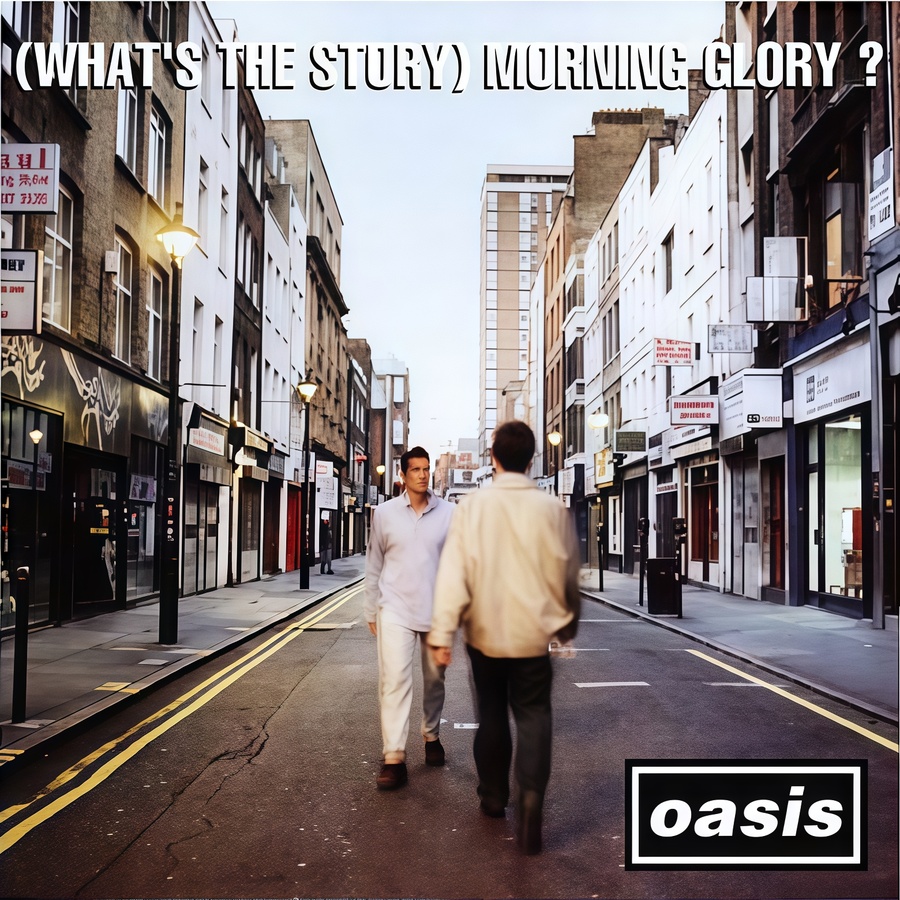
Since many musicians imitated successful and independent bands—such as Oasis and Blur—the «indie» tag became attached to anyone whose sound resembled these familiar melodies. Furthermore, because the entire movement associated with independent music originated and consolidated in Britain, experimental music connected to alternative rock and released in England was mainly tagged with the «indie» marker.


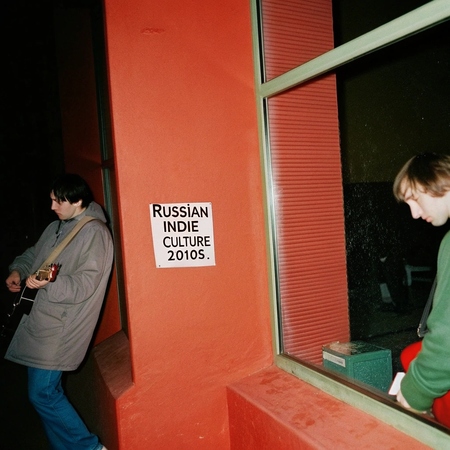
The development of the indie culture in Russia began significantly later—around the 2000s—when the internet and digital technologies became accessible to a wider range of musicians. However, the true formation of the Russian indie scene occurred in the 2010s. It was during this period that indie rock ceased being merely an imitation of Western models and acquired a distinctive identity. Musicians began writing in Russian, speaking about their personal experiences and urban reality, thereby shaping a unique language for the generation. The sound diversified: guitar indie merged with post-punk, dream pop, synth pop, and lo-fi. The focus became atmosphere—intimate, slightly hazy, with notes of melancholy and self-irony. Instead of loud slogans and protests, the focus shifted to personal emotions, everyday observations, and inner honesty.
It is difficult to precisely define which musicians belong to this genre because many artists evolve their sound and experiment within their established styles. However, it is generally understood that indie music must be rock—soft and unconventional. It breaks down into four main styles: indie rock, indie pop, indie folk, and indie electronic.
Indie Rock. This is soft rock mixed with Britpop, and it is perhaps the most conventional sound for indie bands. Independent rock incorporates elements of shoegaze, blues-rock, and garage rock. Furthermore, this style has absorbed many other genres, making it unpredictable—you cannot purchase an indie album and know exactly what it will sound like. It might feature punk and post-punk, retro rock, or lo-fi.
Usually, indie rock refers to a mellow rock style—especially in professional circles. Because of this, not all musicians enjoy being labeled as indie. For instance, if they play neo-rock and roll, they have obviously created music outside the general rules, yet it can be catchy and expressive, while «indie» in the broader sense means something else entirely.
Indie Pop. This style incorporates elements of Britpop and rock, but it is much more melodic and softer in sound than indie rock. This style features a lot of music similar to punk and new wave, and you can also hear everything from complex orchestral pop to melodies reminiscent of popular songs.
Indie Electronic. This is rock blended with elements of electronic dance music, techno, and synth-pop. Indie electronic often features acoustic effects. Sometimes it sounds rough and aggressive, which sets it apart from indie pop.
Indie Folk. This is light rock infused with acoustic folk motifs.
The Genesis of the Genre in Russia
Russian indie music of the 2000s didn’t sound very Russian—nothing gave away that it was written and performed in Russia.
The songs of those years were performed in English, and their titles were also in English. The music was produced somewhere in London and released on Western labels. Overall, the entire indie culture was built upon the English sound that musicians adopted from their Western peers.
The groups in Russia that pioneered this genre became cult figures within certain circles. Of course, they are not known to the general public, but they certainly left their mark—Tesla Boy, On-The-Go, Xuman, and others.
Tesla Boy—a Russian electropop group that performs songs predominantly in English. It was created in August 2008 by sound producer and musician Anton Sevidov.
At the «Andropov» album presentations in Moscow and St. Petersburg, one can examine what equipment the band used during those years. By conducting a deeper analysis and reviewing various interviews, it can be determined that this is likely the exact equipment they used when recording songs in their own recording studio.
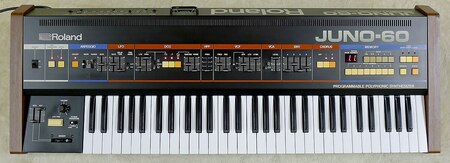
Juno-60 — an analog polyphonic subtractive synthesizer released by Roland from 1982 to 1984. It followed the Juno-6, a nearly identical synthesizer released several months earlier. The Juno series synthesizers featured Roland digital-controlled generators, which allowed for significantly improved tuning stability compared to competitors.
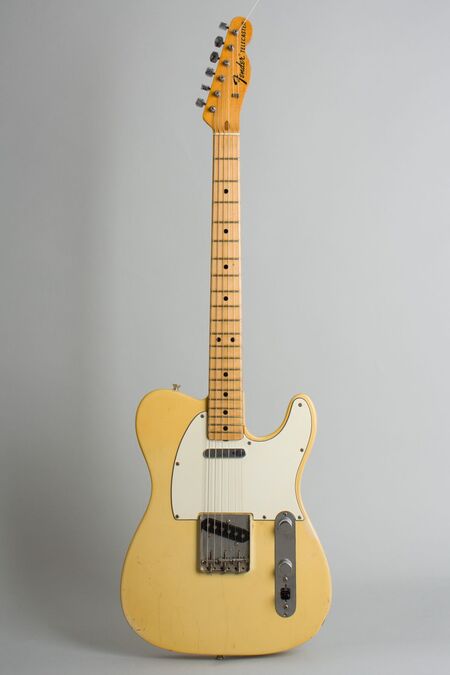
Fender Telecaster — a solid-body electric guitar featuring two pickups, manufactured by Fender. Its simple yet effective design and revolutionary sound established new directions in electric guitar making and popular music. Introduced for distribution as the Broadcaster in the fall of 1949, it was the first guitar of this type to be mass-produced. The start of its commercial production can be traced back to the spring of 1950, when the Fender Esquire models became available for sale. To this day, the production of the Telecaster continues in some form, making it one of the foundational solid-body electric guitars globally.
The group’s sound is heavily dependent on their selection of synthesizers and drum machines. Their signature vintage sound originates primarily from the Roland Juno-60. They also feature a Yamaha DX-7, which adds bright FM tones, and Korg instruments: the MS-10 (monophonic) and Poly-800 (polyphonic).
For rich analog textures, they utilize the Prophet-8, while the rhythms are created on the Sequential Circuits «Tom» drum machine. This allows the group to blend retro synthesizer sounds with a contemporary electronic aesthetic.
Tesla Boy Group. Premiere of the first song from the album, September 6, 2018
On-The-Go — a Russian indie-pop band that formed in Tolyatti in 2007. Initially, On-The-Go’s music was in the dance-rock genre, but in 2010, the musicians sharply changed their sound and began playing indie-pop.
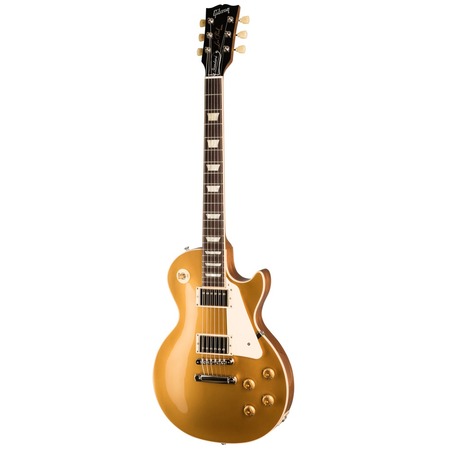
Gibson Les Paul — the first solid-body electric guitar from Gibson. It is one of the symbols of rock music and one of the most enduring and popular musical instrument models globally. The model was developed in the early 1950s by guitarist Les Paul. The first Gibson Les Paul was sold in 1952. Les Paul is one of the most famous and frequently copied electric guitars by various manufacturers worldwide, alongside the Stratocaster and Telecaster.
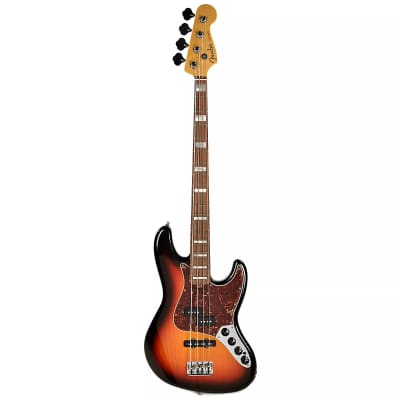
Fender Jazz Bass — the second official bass guitar model presented by Fender. Introduced in 1960 as a kind of extended version of the Precision Bass, the model got its name because it was presented as the «bass» version of the Fender Jazzmaster, which, in turn, belonged to the upper tier of the Fender catalog aimed at advanced jazz musicians.
The band played electric guitars (typically Fender Stratocaster or Telecaster) and a Fender Precision/Jazz Bass. They utilized many keyboards and synthesizers—Korg, Roland, and Nord were often visible at concerts, and in the studio, they also incorporated sounds from virtual synths and plugins. A standard drum kit provided the rhythm, but they occasionally added electronic drums, drum machines, and computer-generated percussion. This is how they merged live music with electronic elements.
On-The-Go Group
The inception of indie rock in Russia was largely experimental: bands referenced the British movement, and it was unclear whether this stemmed from a fear of developing an original sound or from a genuine desire to play that specific type of rock. However, this does not mean the music of those years was weaker. On the contrary, it represented a new understanding of sound: the combination of electronic synthesizers with guitars sounded fresh and, at the very least, intriguing. Many bands from that period emphasized synthesizers, and their music notably differed from what emerged later.
This hasn’t been heard before
Towards the late 2000s, defying this wave of Anglophone culture, individual musicians began emerging who sang exclusively in Russian and recorded songs in home studios to achieve a rawness.
Padla Bear Outfit — album «n i c h e g o, ” 2009.
This is the album «n i c h e g o.» It was recorded in 2009 by St. Petersburg native Arseniy Morozov, who released his music under the pseudonym Padla Bear Outfit.
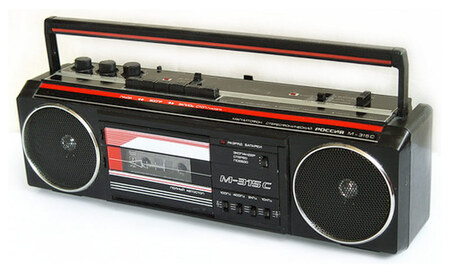
The significance here isn’t so much the instruments he used to create this album, but rather how it was recorded. It was recorded on a cassette tape recorder, with noise from train journeys inserted between songs. Ultimately, it became clear: these people didn’t care about the recording quality, the microphone background noise, or the magnetic tape hiss—whether stands fell during the songs or if the vocalist caught a cold—they valued something else entirely.