This work is dedicated to memory—to childhood and its whimsical perception, to one’s small hometown, and to adult sorrow.
Not long ago, I had to return to my hometown for a very tragic reason. The streets were swallowed by fog, and what was once a source of pride—the coal mines—had been reduced to slag heaps. The nickname my uncle had coined immediately came to mind… Diggerburg. And here, those who have become half-ghosts await me. Inspired by the protagonist’s paranoid state in the well-known game by Team Silent, I decided to establish a strained relationship with an AI—to become a polite yet slippery psychotherapist for an anxious patient. The patient became ChatGPT 5.2. Together, we began to reconstruct distant days and everything that filled them, or what was entirely absent.
Source Files
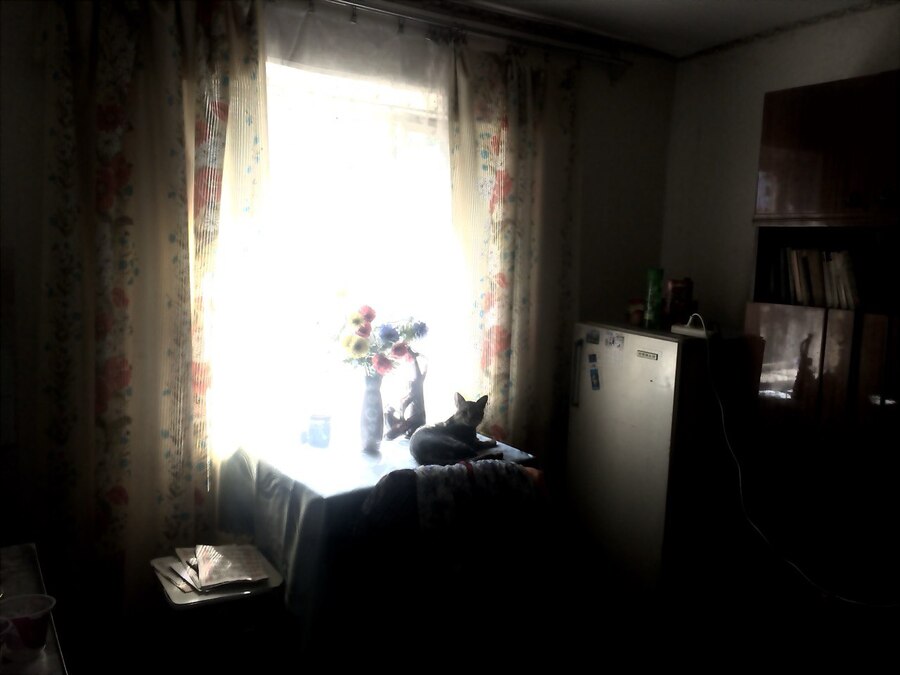
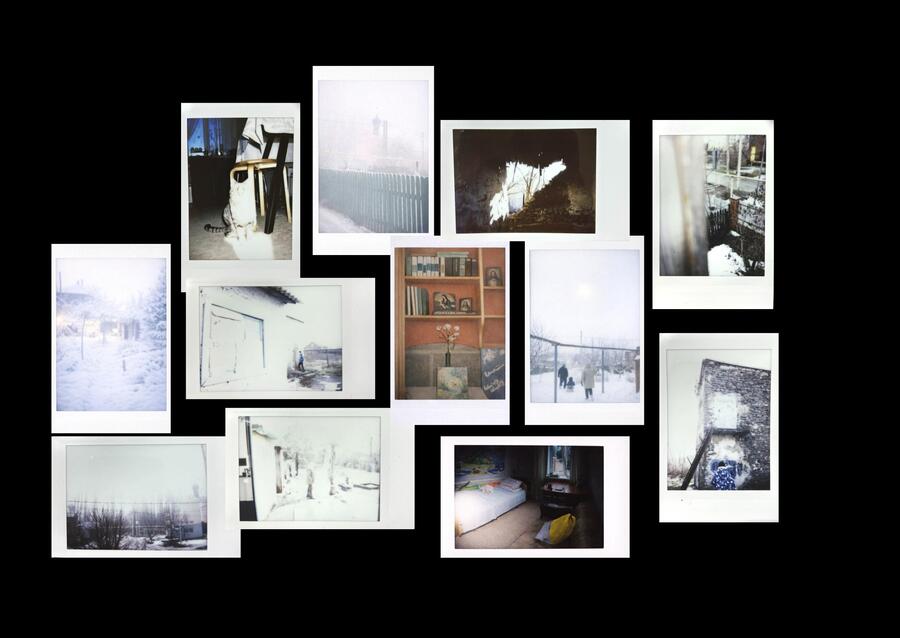
Before starting, I asked the chat to analyze the unique aspects of human memory perception issues and AI hallucinations. Ultimately, the AI chose something in the middle, and the prompts began to resemble the imagined beliefs of a peculiar doctor. The original photos were taken with a recently discovered Fujifilm instax mini 8 near the mining town of Shakhty (Rostov Oblast). All the places captured hold some significance from my childhood and youth—the hospital buildings still evoke associations with sweet white currants. In many shots, you can spot a boy—my cousin played a significant role in the project, bravely executing the author’s compositional tasks.
Photo Card Series
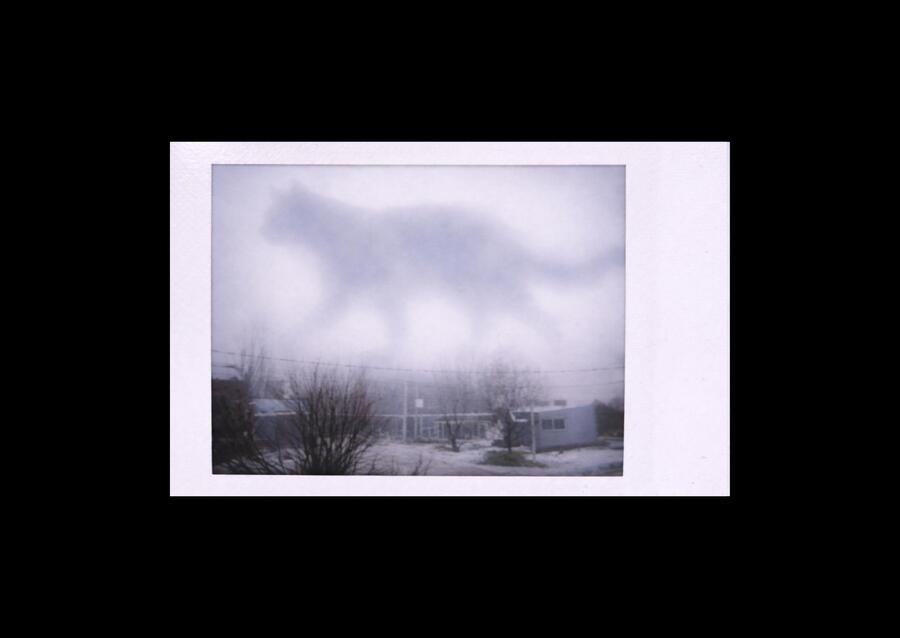
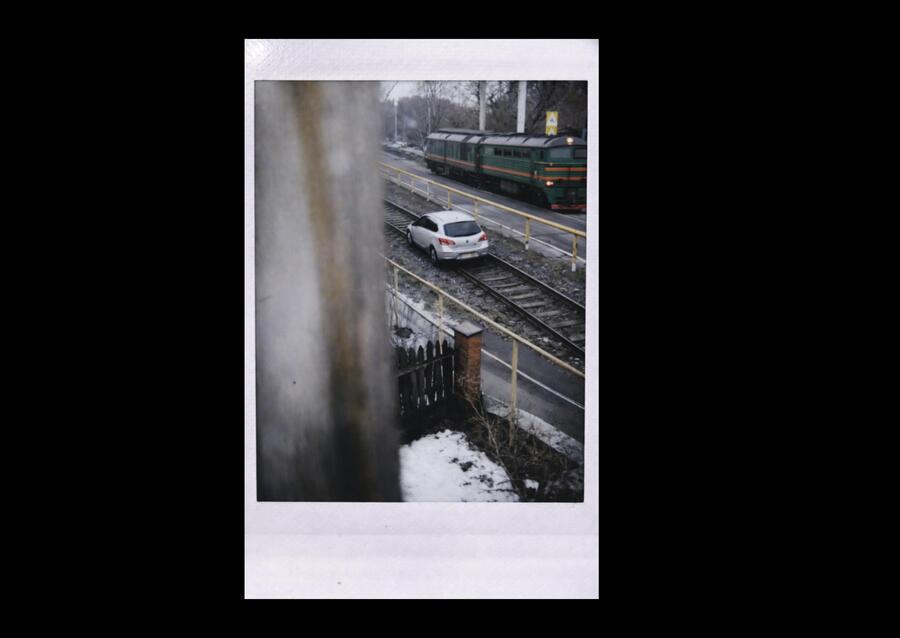
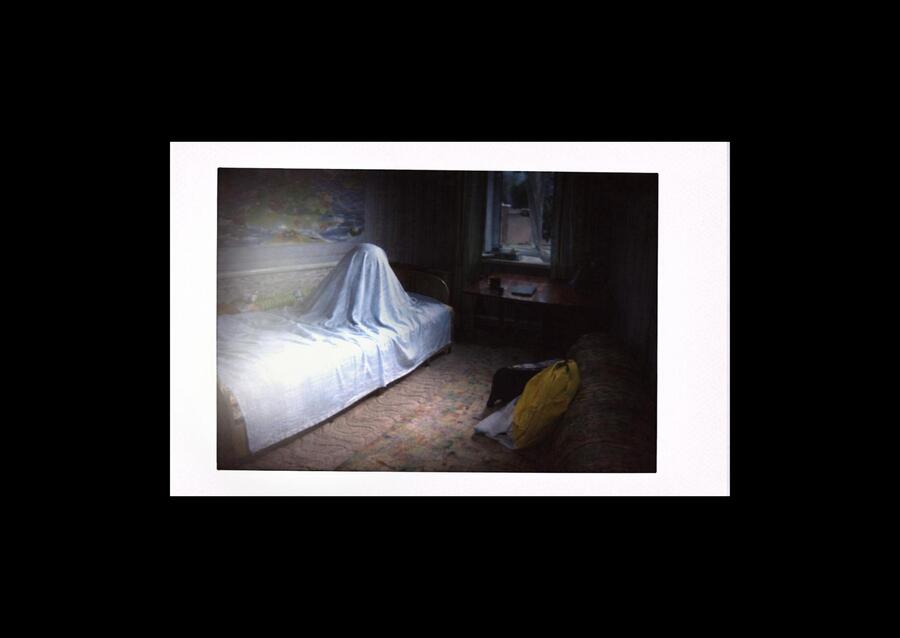
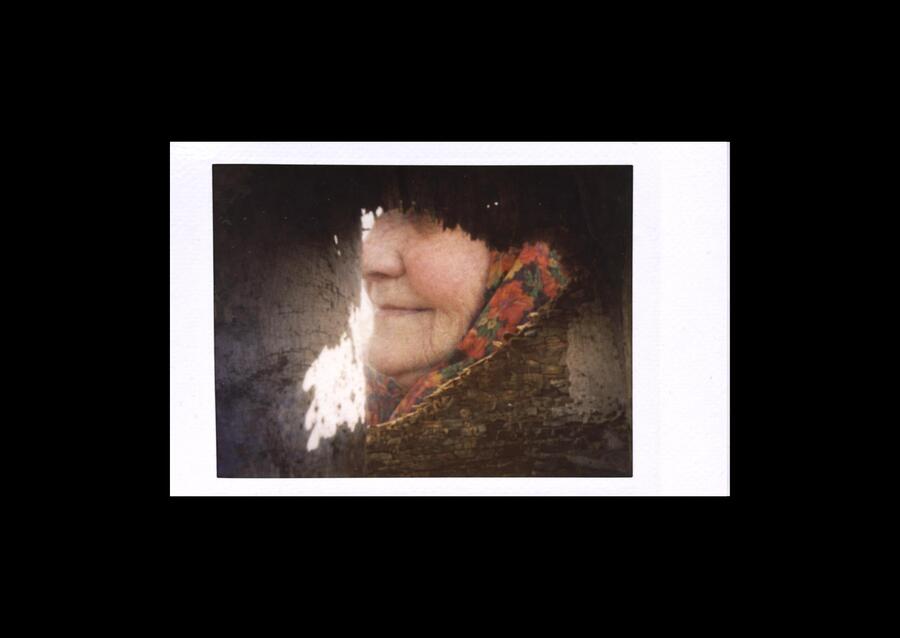
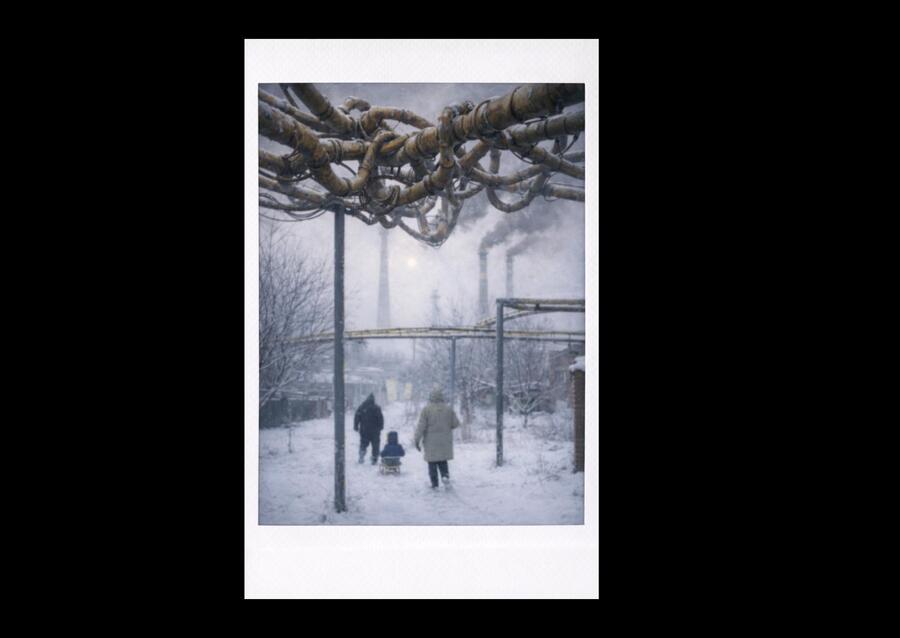
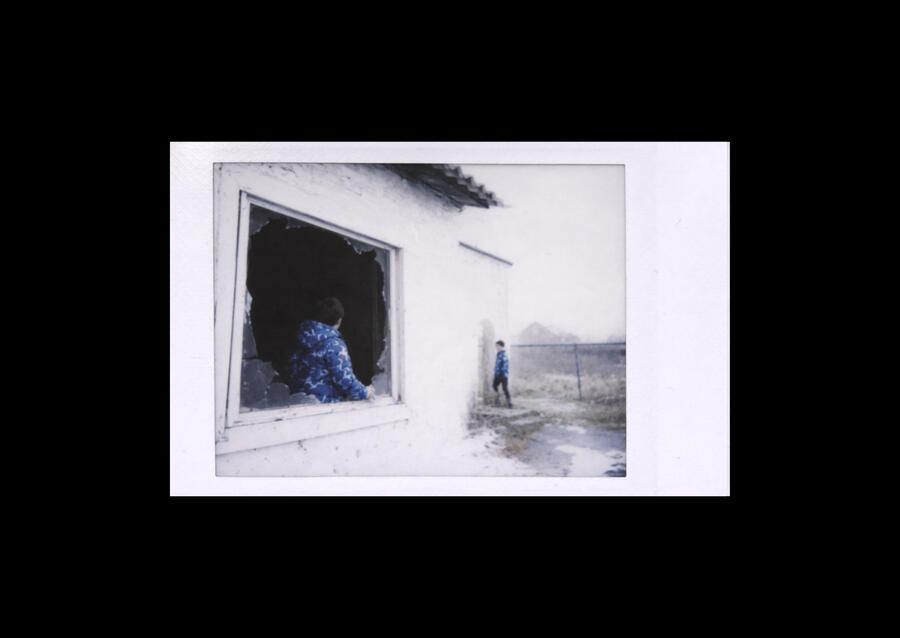
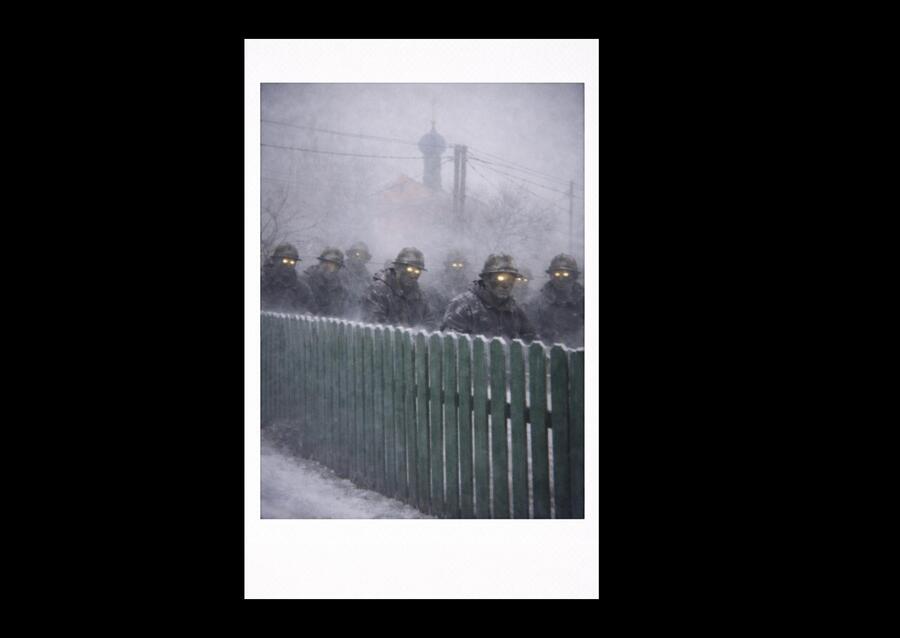
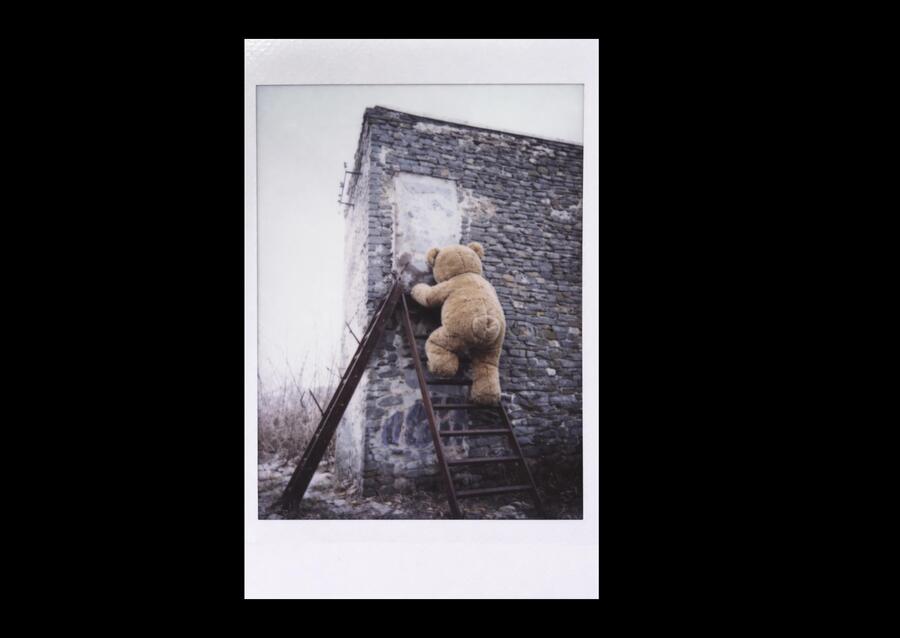
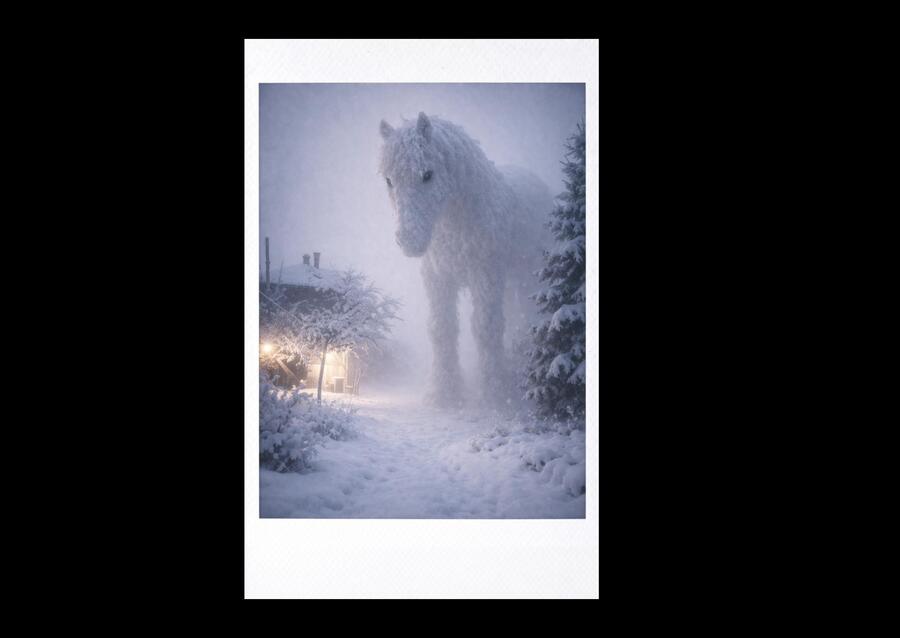
The kind of shots I managed to capture on this trip weren’t always so unsettling or grim—after all, a child’s perception is unique. These images were then transformed using a descriptive prompt via AI. It’s worth noting that we didn’t have many original photos; however, all of them were integrated into the project. To enrich the narrative, we selected additional photographs taken in the same locations but captured on a phone and during different time periods. Furthermore, with the help of ChatGPT 5.2, the pictures were adjusted to fit the format of Instax Mini 8 cartridges.
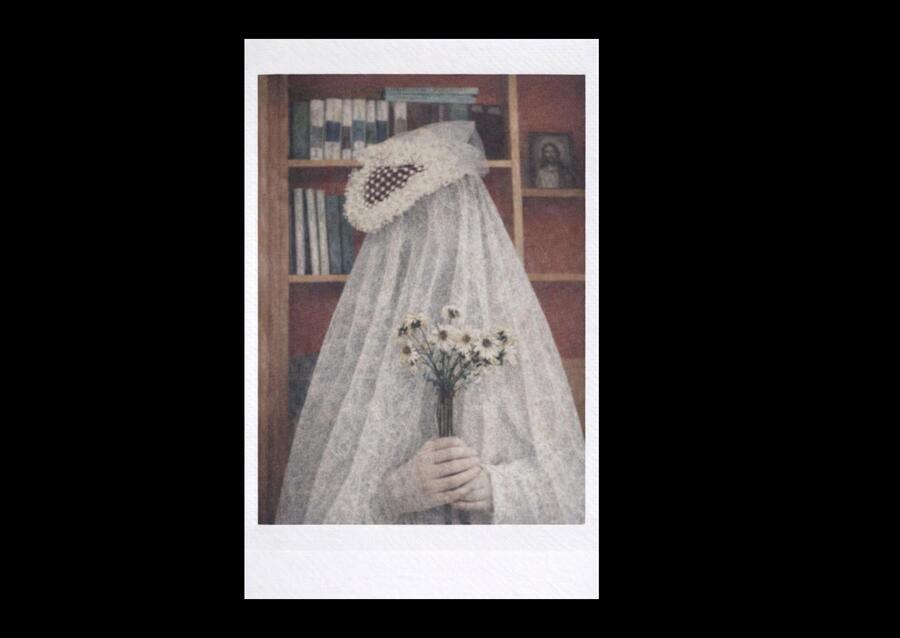
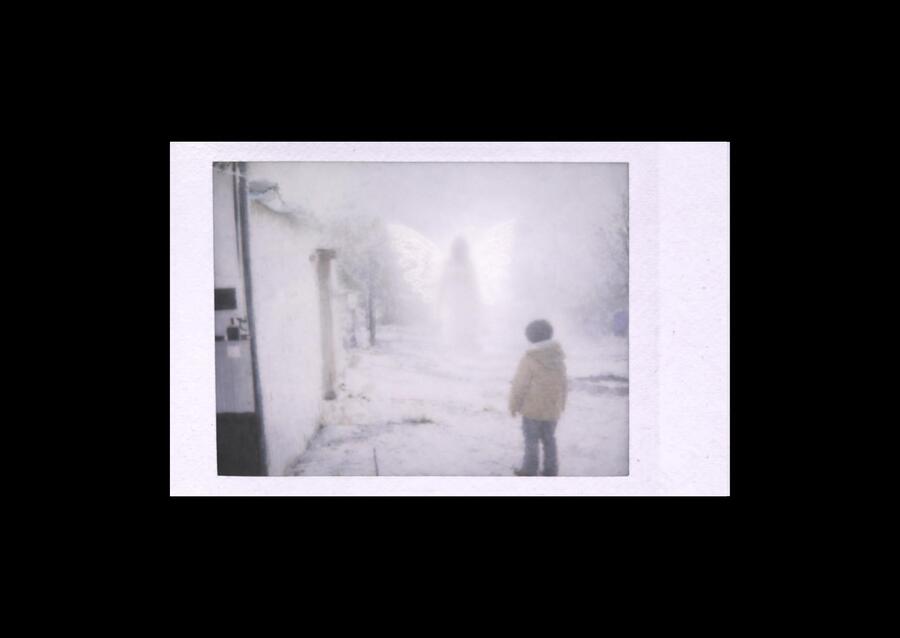
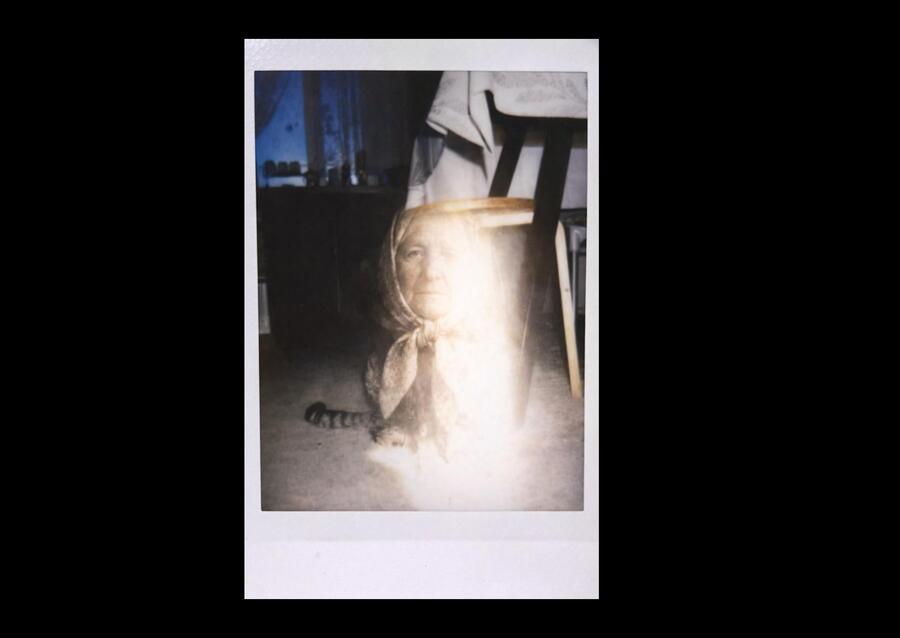
The AI responses formed the basis for the protagonist’s journal entries.
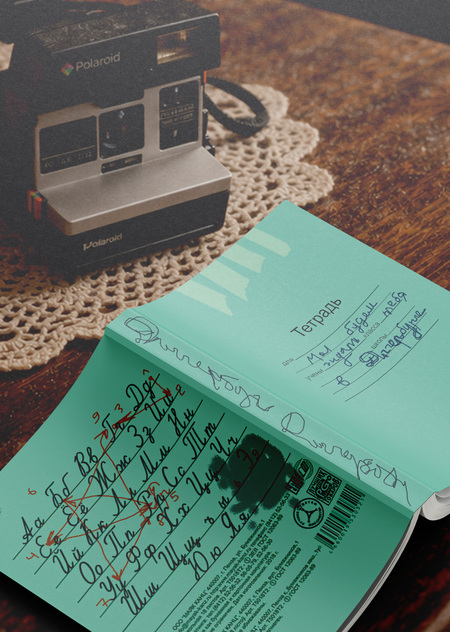
The narrative, presented as an improvised diary taken from a notebook, is written in the first person. The lyrical protagonist recounts a non-linear story about returning to his hometown for the memorial service of his beloved grandmother. At first glance, the fragmented and brief notes do not seem alarming, but the note about needing to see a psychotherapist should set the reader on edge. On the next spread, following extensive childhood memories, a note with aggressive text appears abruptly. Gradually, the narrative begins to resemble the ramblings of an unwell person. This is why the text deliberately includes so many spelling errors.
In addition to the printed text, there are handwritten signatures in a disagreeable script—from these, the painful nature of the protagonist’s perception becomes clearer—he was always ill; isolation, his hometown with its oppressive climate, and the heavy economic situation only exacerbated the child’s condition. If anything frightened the sensitive protagonist, it was to the point of pleading with his guardian angel. Indifferent toys came to life, and among his peers, he found only a silent double. The alley cat wandered not only through the streets but also through the sky. And the grandmother’s kind face seemed to appear everywhere.
For a time, illness was tamed by leaving the city, but it flared up again, sensing the familiar soot in the air. All the fears, previously locked behind the doors of reason, burst forth, leaving the hero no chance to resist. Attached to the last page of the diary is a photograph of a young grandmother from a wedding—her face is hidden behind lace, she holds a wilting bouquet, and scrawled underneath is «Grandma"—the hero is already closer to her than he realizes.
Diary
«I had to come back. The reason was miserable—I still haven’t fixed the porch for my grandmother. The train was long-distance, and the weather was awful—constantly making me sleepy. When I got home, I went straight to sleep; I felt like I was still shaking in the compartment.
I’m going to keep taking notes—I need something to distract myself from the gray days ahead. Plus, I can show them to the psychotherapist when I get back. All day there was awful fog and I had to struggle to breathe again because of the soot.»
«I found a film camera, or something similar to a Polaroid. It seems there is film, and I started finding pictures at home; I started remembering.
I was a sensitive and rather withdrawn child. Any event could throw me off balance. I was scared of the bulky television, but the lace doily on it seemed kind and good to me. My grandmother once mentioned a guardian angel—that everyone has one—and I imagined my wings were like that doily.
I feel melancholy after funerals. Such nonsense. Hypocrites. They see nothing. I drank a lot and consequently didn’t take my medication.
I’ll call the psychotherapist.»
«The hospital had a somber appearance. Most of the buildings were completely ruined. Although…
And in childhood, this place did more harm than it healed. Once, a faintly familiar boy bandaged my cut arm with a scarf.»
«I returned from a walk. As I was walking through the yard, I remembered seeing a line of miners over the fence once. I thanked them for the light in our home. That very evening, I heard on the news about a mine collapse.
Mind-brain attempts to converse politely with me. thinks that I don’t hear the scorn in her voice, but perhaps therapists don’t handle such touching cartoons.»
«It’s hard for me to breathe because of the soot in the air. I can’t see the sky.
The city’s pipes are visible—I feel ashamed to gaze at them. I need to call my grandmother; maybe I should pick her up from the market.»