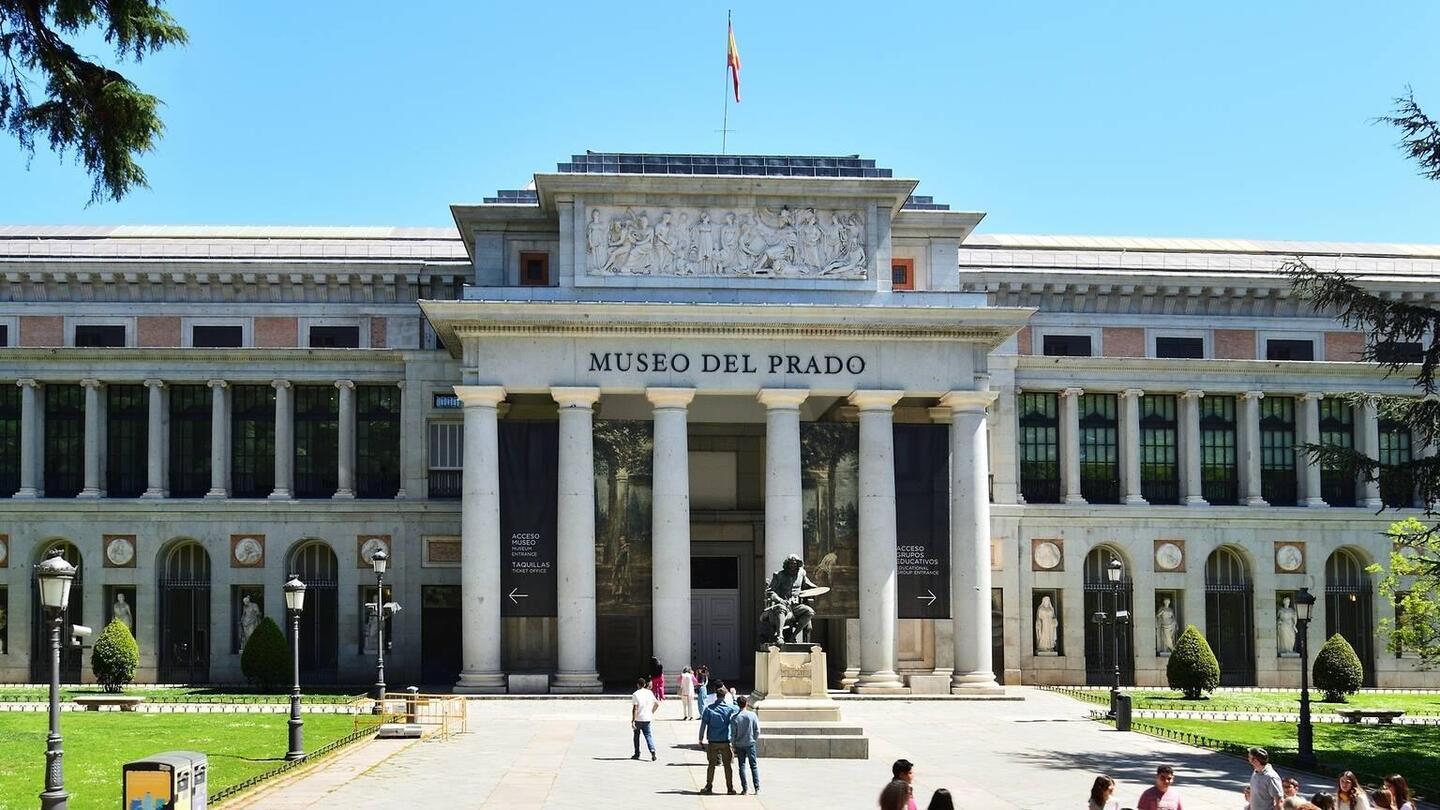
Imagine that several centuries ago, the most powerful people in Europe acquired paintings not for museums, but for personal enjoyment. They debated which artists were more talented, commissioned portraits from their favorite masters, and transported canvases from Italy and Flanders to Madrid—all without suspecting that their private collections would eventually become public treasures. It was from these royal collections that the Prado Museum’s collection later grew—one of Europe’s foremost art museums.
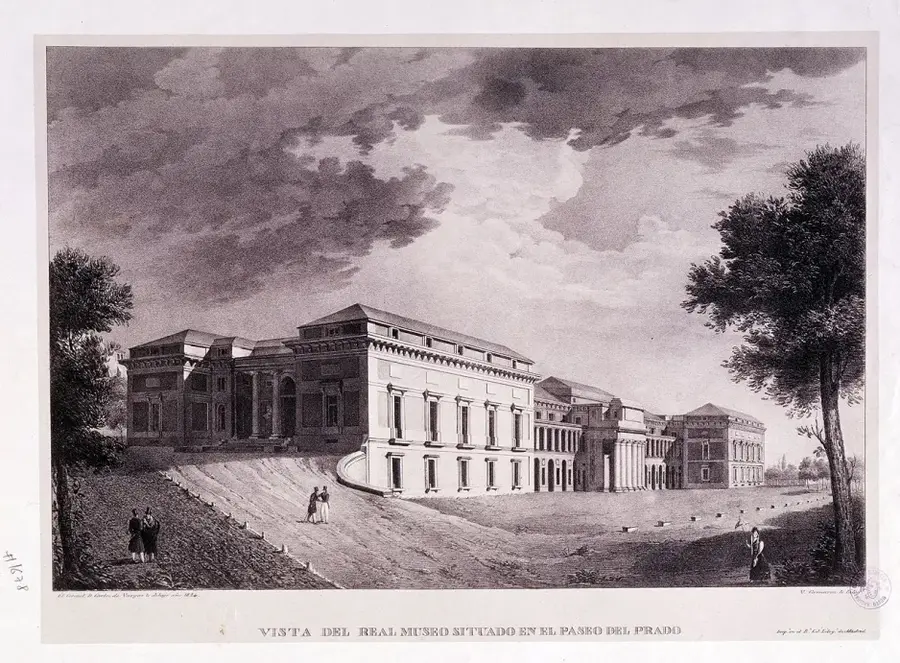
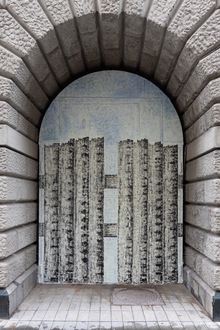
The museum building designed by Juan de Villanueva
Prado was open to the public only in the 19th century, though its history began much earlier. In 1785, King Charles III commissioned the architect Juan de Villanueva to build a structure for the Cabinet of Natural History. The Napoleonic Wars halted construction, and several decades later, Queen Maria Isabella of Braganza proposed transforming the nearly complete building into a public art museum. It opened in 1819 under the name Royal Museum of Painting and Sculpture. The first exhibition featured only 311 paintings, almost all from the royal collection.
Each generation of Spanish monarchs left its mark on the collection. Charles V admired Titian and made him his chief painter. Philip II passionately collected Hieronymus Bosch and assembled the largest collection of his work. Later, the Spanish court patronized Velázquez, and then Goya. Following the opening, the collection continued to grow. Works were transferred to it from royal palaces, monasteries, and closed church institutions, and later the collection was supplemented through state purchases, donations, and private bequests. Today, the museum’s holdings contain over 35,000 works of art, although visitors can only see a small portion of them at one time.
The museum’s name originates from the Spanish word prado, meaning «meadow”—and there was indeed a meadow called San Jerónimo on this site once. The museum’s most famous painting, Velázquez’s Las Meninas, remains one of the most studied works in art history. Furthermore, the Prado is often called the artists' museum because many contemporary painters come here to study the techniques of the old masters for hours. It is no accident that Picasso, Dalí, and Francis Bacon have repeatedly admitted that it was Velázquez from the Prado collection who influenced them the most profoundly.