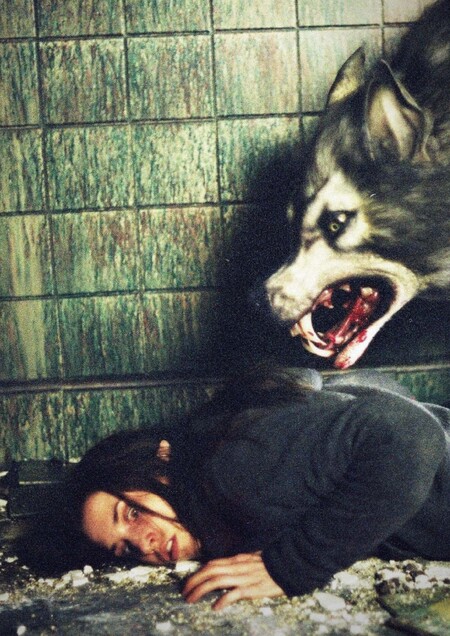
Many films focus on women as victims. They are pursued, tormented, and then killed. All their lives, to remain desirable, women must fit perfectly into the narrow roles society assigns them. But what happens when, due to circumstance, she is no longer perceived as the ideal wife, mother, homemaker, or victim? What does the constant pursuit of perfection lead to?
In this study, I want to examine how and why women become monsters—or embodiments of modern societal fears. This phenomenon will be analyzed through horror films from the late 20th and early 21st centuries.
The heroine is most often perceived as a monster during a transitional phase of her life when a global transformation occurs, particularly in her own body. This transformation can be puberty, pregnancy, or aging. During such periods, the woman’s body acquires qualities that people are accustomed to viewing as repulsive and grotesque: body hair, menstruation, wrinkles, acne, and excess weight.This monster woman combines both aspects of the typical horror film: the masculine role of the aggressor and the feminine role of the victim. She tries to fight against her new state and suffers through the transformation herself, but ultimately loses and must accept her situation. However, her new condition grants her new possibilities—invulnerability; she becomes stronger and more terrifying. In this way, she reclaims her autonomy.
Blood and menstruation are used to humiliate the heroine. As the girl goes through puberty, she develops traits that are repulsive to modern society. Feeling unwanted and powerless (assuming that a woman’s only strength is her appearance), she chooses to embrace her monstrousness and surrender to a new form.
The woman who fails to suppress her coarse and ugly traits is perceived as dangerous.
Everything that might have been despised about her before, she now showcases. The monster finds satisfaction in how far she is from the ideal. Such a transition frees her from societal expectations: homemaking, reproduction, marriage, the loss of youth.
In this regard, a woman in a fit of rage might feel the urge to tear the skin and body (her own or someone else’s) and thus rid herself of this symbol of beauty. This frightens the viewer because it is customary to believe that in horror, the ideal heroine should be an innocent victim, not a ferocious devourer.
As a result of the final transformation into a monster, the woman becomes grotesque and undesirable. Her body is no longer compatible with contemporary standards of beauty. Arriving at this conclusion, the heroine liberates herself from the expectations and demands of patriarchal society. At the same time, the very existence of such a monster poses a threat. Through her actions, the heroine dismantles society’s accustomed expectations, thus necessitating her destruction at the end.
Balance is restored after the monster’s death.