CONCEPT. What It Is and Who It’s For
«Slow and Flavorful”—a media platform about home cooking as a practice of deceleration and self-connection.
Goal: To transform cooking and eating into a daily practice of slowing down and self-connection.
Objectives: Developing the habit of cooking without stress · alleviating anxiety surrounding food · building a community for whom food is a ritual.
Theme: «Slow Food”—situated between culinary media and media about the slow life, yet belonging to neither. It is not about recipes for the sake of recipes, but about food as a practice of self-attention.
Audience: Individuals fatigued by the speed and control surrounding food. It encompasses a state of being—haste, exhaustion, and the desire for a pause.
Topics and Competitors
Categories:
- «One Recipe—One Ritual”—a dish plus the moment it’s made for.
— „What I Eat When I’m Not Rushing”—journal entries.
— „Slow Dinner”—an evening without phones or notifications.
— „Cooking as Therapy”—the connection between food, state of being, and mood.
Competitors and their weaknesses:
— Prescriptive media — abundant and fast, but meaningless.
— Bloggers — reliance on a single personality, a tone of «successful success.»
— Media about slow living — gastronomy, «luxurious and opulent, ” not about everyday food.
— Nutrition media — create anxiety and guilt.
— Delivery and kits — no ritual, assembly following instructions.
Channels and Unique Selling Propositions
Channels (the «visual + text» hook at the start):Telegram — text, topics, a conversational tone. It engages and deepens the connection.Reels / Shorts — hands, process, silence, wordless pause. It shows the slowing down, attracting the audience.Reels drive initial traffic; Telegram retains it. Other formats—later.
USP: a media outlet about food that doesn’t teach you to cook fast or perfectly. It helps you slow down and savor everyday meals.
— Not a diet and not gourmet—just ordinary food, every day.
— Not speed, but pause—food as a moment, not a task.
— Not an achievement, but a ritual—accessible in any apartment.
— Guilt-free—no «right» or «wrong.»
SEMESTER THEMATIC PLAN
Rhythm: Telegram — 4–5 posts per week; Reels — 2–3 per week. Topics rotate to prevent monotony. Each month features one overarching theme that connects the posts and videos.
Month 1. «Starting Without Pressure»
Assignment: To alleviate the fear of «I don’t know how to cook» and demonstrate that starting is simple.
— «One Recipe, One Ritual»: Scrambled eggs in silence (the moment—the first 10 minutes of the morning before checking the phone).
— «What I Eat When I’m Not Rushing»: A journal entry titled «Dinner from What Was Found.»
— «Slow Dinner»: An evening scenario free of notifications (phone in another room).
— «The Kitchen as Therapy»: Why we get angry at ourselves over delivery food.
— Reels: Hands cutting bread, steam rising from a cup, a pause before the first bite.
Month 2. «Guilt-Free Eating»
Assignment: To analyze the «diet — binge — guilt» cycle.
— «The Kitchen as Therapy»: Where does food-related guilt come from?
— «One Recipe, One Ritual»: Pasta that doesn’t need to be «earned.»
— «What I Eat When I’m Not Rushing»: The «Day Without Rules» note.
— «Slow Dinner»: How to eat slowly, without counting calories.
— Reels: A spoon, steam, silence; no text about «healthy.»
Month 3. «The Kitchen as a Sacred Space»
Objective: To present the kitchen not as a space of obligation, but as a sanctuary of calm.
— «The Kitchen as Therapy»: Why chopping vegetables is calming.
— «One Recipe, One Ritual»: A soup that simmers while you relax.
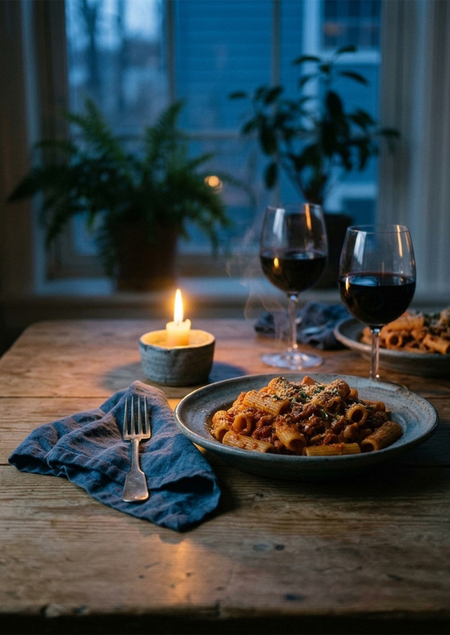
— «Slow Dinner»: Eating dinner by candlelight alone—not sad, but restorative.
— «What I Eat When I Have No Rush»: A note titled «Leisurely Morning on the Weekend.»
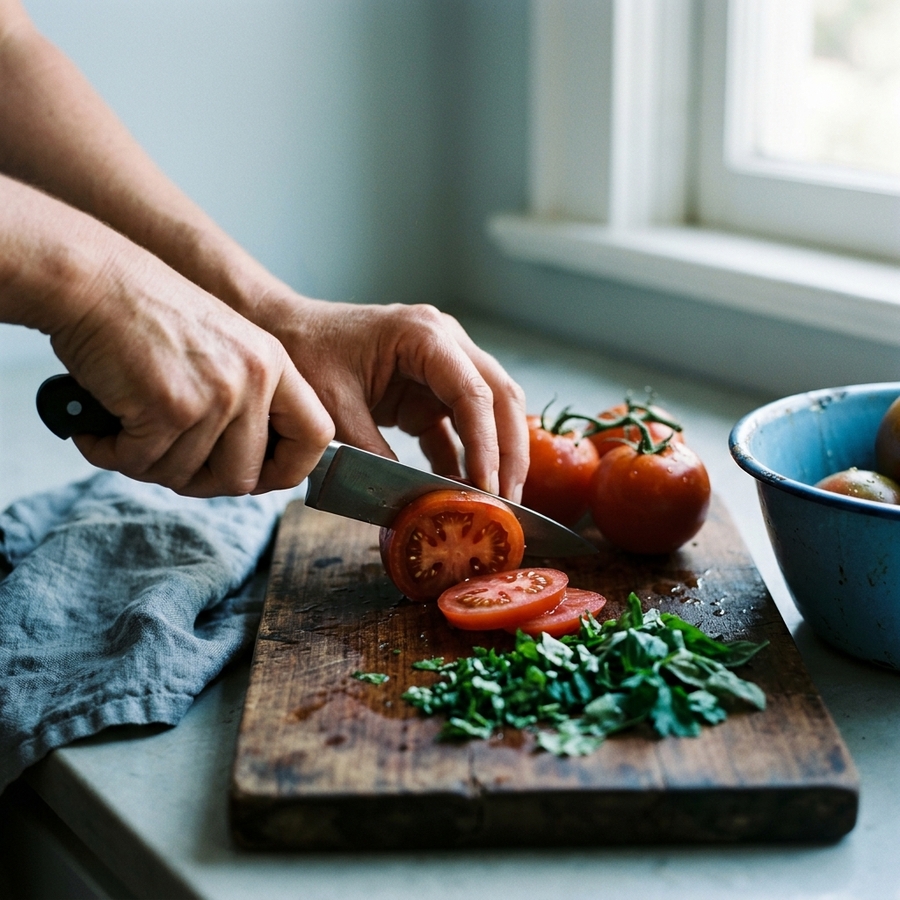
— Reels: Close-up footage of vegetable chopping, the sound of a knife, a slow rhythm.
Month 4. «Food and Connection»
Task: A family ritual, involving loved ones.
— «Slow Dinner»: How to gather the family around the table without gadgets.
— «One Recipe—One Ritual»: A dish that is cooked together with kids.
— «The Kitchen as Therapy»: Why food unites us and how to prevent it from becoming a chore.
— «What I Eat When I’m Not Rushing»: A note titled «Sunday Table.»
— Reels: Kids' hands kneading dough, laughter, a shared table.
Month 5. «Slow Eating on Weekdays»
Goal: to demonstrate that slowing down is possible even during a busy week.
— «One Recipe—One Ritual»: A 15-minute dish, eaten over 30 minutes.
— «The Slow Dinner»: How to create a pause after work when you have no energy.
— «What I Eat When I’m Not Rushing»: A note titled «Lunch Without a Phone.»
— «The Kitchen as Therapy»: The rush at the table and what it says about the day.
— Reels: Cooking time-lapse → still frame of slow eating.
Month 6. «Rituals That Remain»
Goal: Solidify habits, review outcomes, and build community.
— «Slow Dinner»: personal classroom rituals (gathering subscriber stories).
— «One Recipe—One Ritual»: the dish that has become yours.
— «The Kitchen as Therapy»: how food changes your outlook on the day.
— «What I Eat When I’m Not Rushing»: the «Half a Year Without Rush» note.
— Reels: a compilation of the best moments from the last six months—hands, steam, silence.
Recurring formats each month: 1 poll post «What do you eat when you’re not rushing?», 1 curated post «Slow Dinners of the Week», and 1 Reels series «Pause» (30–40 seconds, no dialogue).
10 CONTENT SAMPLES
Telegram Post, «One Recipe—One Ritual» Series
Scrambled Eggs in SilenceTwo eggs, a spoon of butter, a pinch of salt. Ready in four minutes.The ritual isn’t in the recipe. The ritual is not picking up your phone for those four minutes. Standing by the stove. Listening to the butter sizzle. Waiting for the white to set while the yolk remains liquid.Eat it at the table. Not on the go. Not while rushing. Just scrambled eggs and you.If the day starts this way—it’s not entirely about the hustle anymore.
Telegram post, «Kitchen as Therapy» column
Why We Get Angry at Ourselves Over Deliveries
Ordering food isn’t a failure. But the anger still creeps in. Where does it come from?
Often, it’s not about the food. It’s about a day where there wasn’t a single minute left for yourself. The delivery just ends up being the last drop—the first thing you can blame for your fatigue.
Next time, try not to scold yourself, but instead ask: «What took all my energy today?» Sometimes the answer is more important than the dinner you prepared.
And yes—delivery can also be a ritual. If you eat it slowly, from a plate, and not from a container while rushing around.
Telegram Post, «What I Eat When I’m Not Rushing» Column
Like a diary entry:
Saturday, 11:40 AM
Woke up without an alarm. On the kitchen counter—half a loaf of bread, cheese, three tomatoes, and a jar of olives. Nothing special. But I used a proper plate instead of a plastic container lid. I cut the tomatoes into large pieces. I poured water into a glass.
I ate for twenty minutes. I looked out the window. I didn’t read anything.
This is probably what slow eating is. Not a recipe. Just a plate, a window, and twenty minutes.
Reels Script, «Pause» Series (No Dialogue)