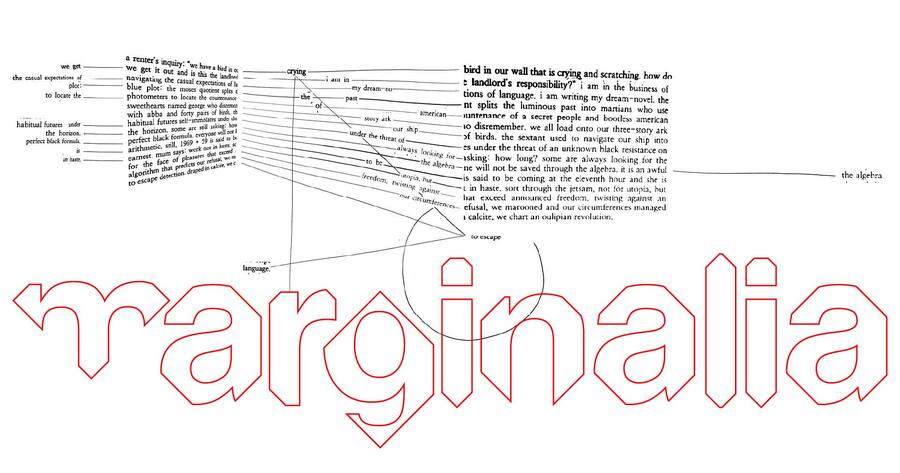
Marginalia — a navigator for current and archived conceptual research at the intersection of anthropology and design, combined with a database of timely events and open calls.
Media Objectives
To legitimize, highlight, and catalyze design practices existing on the intellectual and geographic peripheries of mainstream discourse. The channel’s goal is to function as a curatorial filter and navigator—one that not only documents deep research and conceptual projects but also directly connects authors with the tools needed for their implementation.Marginalia aggregates autonomous, horizontal initiatives, bringing complex interdisciplinary research into the sphere of current cultural production and discourse.
Themes of Future Media
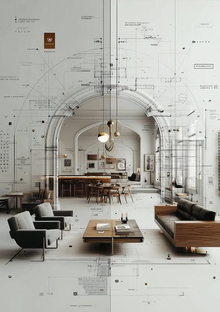
The media focus lies on independent projects intersecting critical design, visual archaeology, speculative design, and field anthropology.The content grid is deconstructed into three interconnected data streams:• Archive and Case Studies: Conceptual analysis of projects exploring the phenomenology of spaces (ruins, «non-places, ” peripheries), the politics of digital archives, and the deconstruction of interfaces of power.
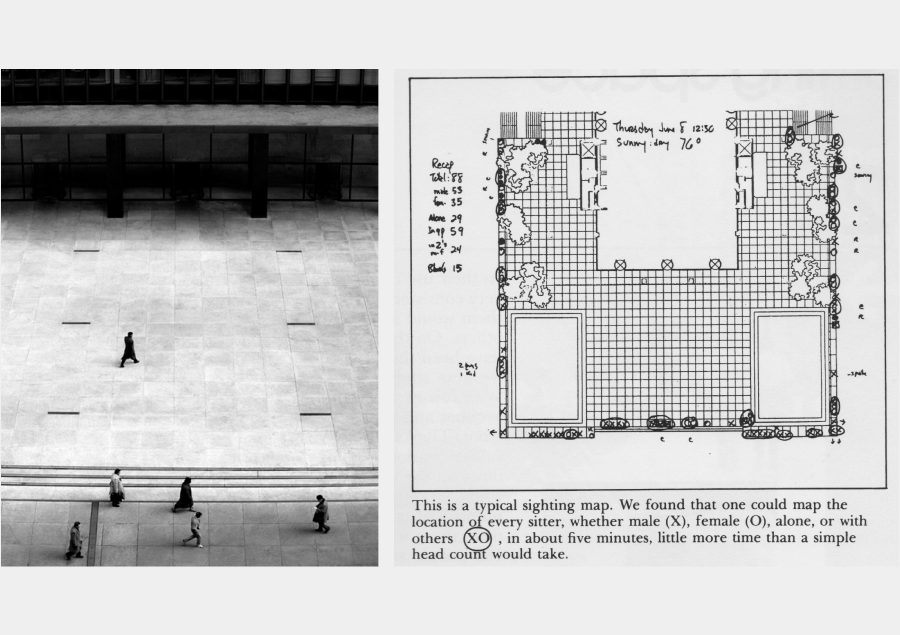
• Field Research: Documentation of the authors' live fieldwork process—from anthropological expeditions to the visual mapping of material folklore.
• Opportunity Radar: Curatorial selection of open calls, independent residencies, research grants, zine festivals, and laboratories that initiate and support such non-mainstream practices.
Concrete Analysis
Direct Competitors
Direct competitors to the project are niche media outlets focusing on design and visual culture, competing for the attention of a professional and creative audience through editorial teams of 1–3 people, primarily Telegram channels and Instagram accounts.During the analysis, I documented the content type, the tools the media utilizes, and the engagement mechanics, as well as the platforms where they are present. These last two evaluation criteria can be found in the complete analysis spreadsheet in the full table of the specific analysis. The items highlighted in bold and displayed in a larger font are what I am incorporating into the design of my own media.* Instagram is a product of Meta Platforms, a company recognized as an extremist organization and banned in the territory of the Russian Federation.
Indirect Competitors
For the indirect competitors block, the key selection criterion was their engagement with complex humanistic theory, critical thinking, and visual research. This group includes independent book publishers, project-based periodical media, and contemporary cultural centers that cultivate that specific investigative perspective in the audience.
Potential Competitors and Substitutes
Potential competitors include emerging local self-organizing groups, independent research labs, micro-institutions, and new media activist channels that could potentially evolve their formats.
The substitutes category encompasses horizontal digital platforms and decentralized network archives that users select for collaboratively seeking meaning, accumulating raw data, and exchanging visual discoveries. Beyond the Are.na platform, these include niche knowledge bases such as Notion communities, media wiki engines, open library channels on Telegram, and specialized visual repositories like Cosmos. These tools address a similar need—they allow creators to delve deep into design methodologies, build non-obvious interdisciplinary connections, and deconstruct conventional interfaces. However, they function purely as personal content repositories or chaotic archives.
Target Audience Description
The core of our audience comprises practicing designers, interdisciplinary curators, independent publishers, and visual culture researchers aged 18 to 35 who have fundamentally outgrown a superficial understanding of the industry in which they operate.These are individuals tired of commercial noise, glossy aestheticization, and hollow categories such as «vibe, ” „beautiful, ” or „functional.“ For them, design is not a service to maintain capital or create utilitarian User Experience (UX); rather, it is an autonomous humanistic methodology for producing knowledge and deconstructing the hidden structures of reality.
They are deeply interested in discovering design methodologies, design theory, visual archaeology, critical design, and field anthropology. Their professional and creative process is built upon investigating boundary-pushing, non-obvious contexts lying on the periphery of the general discourse—from archive politics to the phenomenology of residential neighborhoods and ruins.
USP
Marginalia is a space that merges the fields for searching for meaning with the tools and methods for studying it. Here, what begins as unclear and scattered comes into focus.