
Манифест дипломного проекта «Оттиск 24»
Исследование рынка печатных журналов о культуре, искусстве, моде и образе жизни
The market for print magazines on culture, art, fashion, and lifestyle
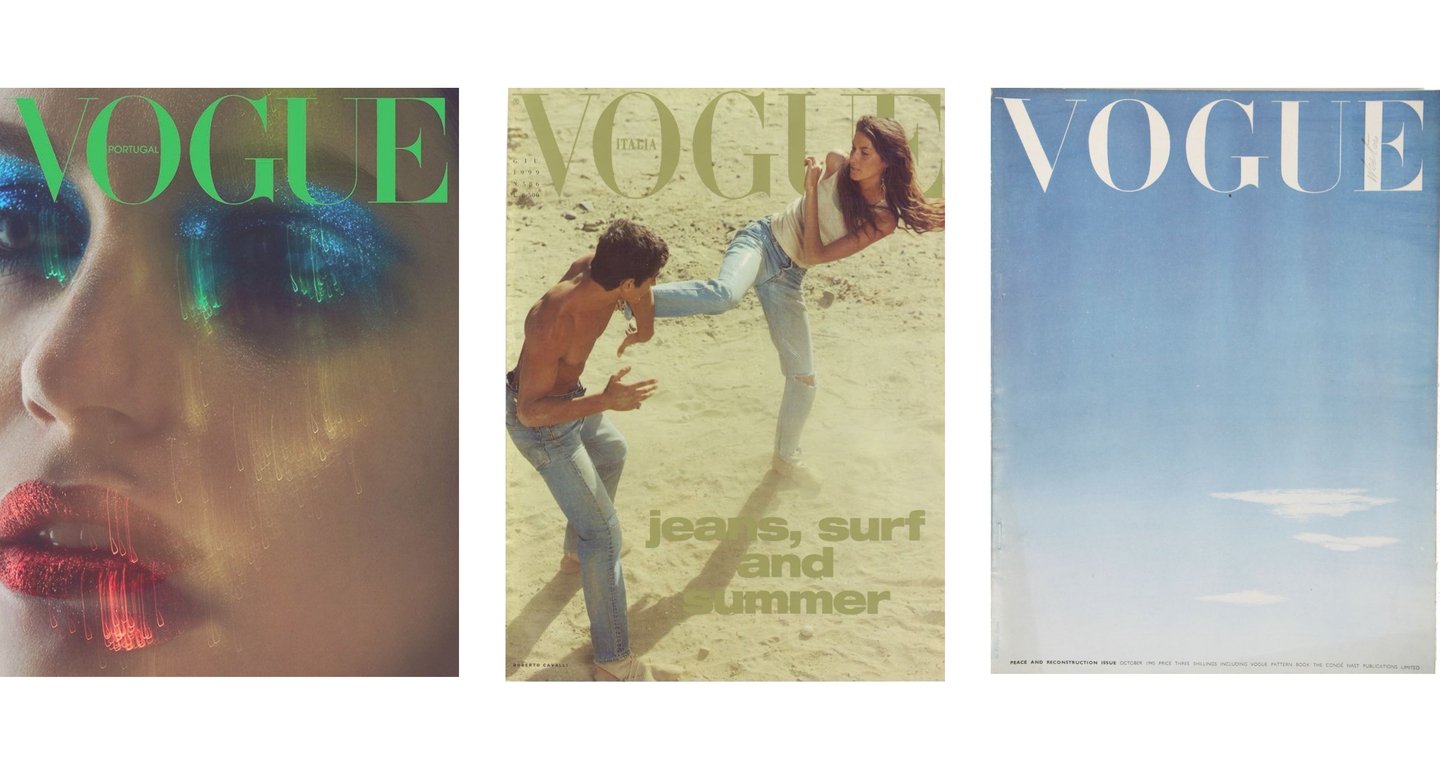
Print magazines have always appealed to me as an aesthetic object and a medium for storytelling about culture. Coming from Krasnoyarsk, I want to explore the creative potential of Siberia and showcase the region’s unique character. This is what inspired me to create my own publication.
To assess the project’s potential, I am researching the print magazine market on a global, national, and local level. I will analyze its dynamics, key trends, drivers, and players, with a special focus on the Siberian market. I will also study the brand media segment and opportunities for collaboration with brands and cultural communities. The results of this analysis will help define the project’s potential and its positioning.
The Global Market
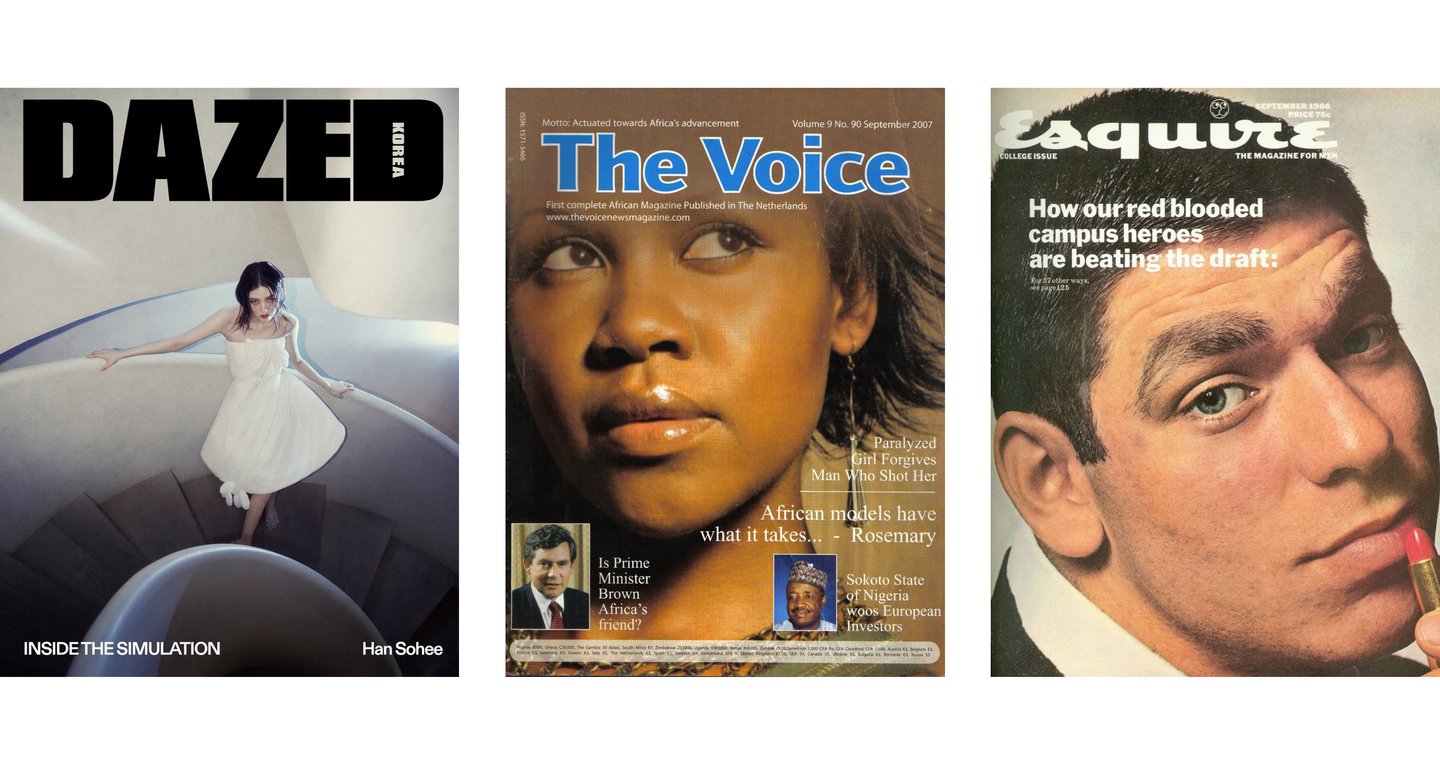
The global market for print publications focusing on culture and lifestyle is estimated at approximately $22.4 billion and is showing zero growth. This calculation is based on Mordor Intelligence data: the total magazine market volume is $89.05 billion, with the «culture and lifestyle» segment accounting for 39,22% and print publications for 64,12%. Projections suggest that the print segment volume will remain stable or decrease to $21.09 billion in a pessimistic scenario by 2031. Conclusion: the market is not growing, but reallocation is occurring within it. Mass-market publications are losing audience share, while niche and collectible titles are retaining it. Based on regional shares, we can conclude that the market is concentrated in North America and Europe, but the future growth point is the Asia-Pacific region.
The niche encompasses two tiers of players. The first tier consists of major, globally-reaching media groups. These groups dominate in volume but focus on the mass market. The second tier comprises independent publishers who define the niche’s identity. This second level is most relevant to our research, as independent publications shape trends and set the standards for niche magazine culture.
The main drivers of market growth are niche publications, direct audience engagement, and collectible editions. Against a backdrop of declining interest in mass-market glossies, specialized magazines are strengthening reader loyalty, while subscriptions, events, and premium formats are increasing their resilience. Among the key trends, I have highlighted the development of print brand media, the strengthening role of specialized retail, and market consolidation. The main prerequisite for success is clear positioning and the formation of a community around the publication.
National Market
The national market for print publications on culture and lifestyle is estimated at 810 million to 1.33 billion rubles, based on data from Alto Consulting Group, the Russian Book Chamber, and the Ministry of Digital Development. The market is undergoing a structural transformation: print runs are shrinking by 11,6% annually, while revenue is growing by 5–8%, primarily due to price increases. Furthermore, 64,2% of publications are concentrated in the Central Federal District, and Siberia is significantly underrepresented, which opens opportunities for the development of local cultural publications.
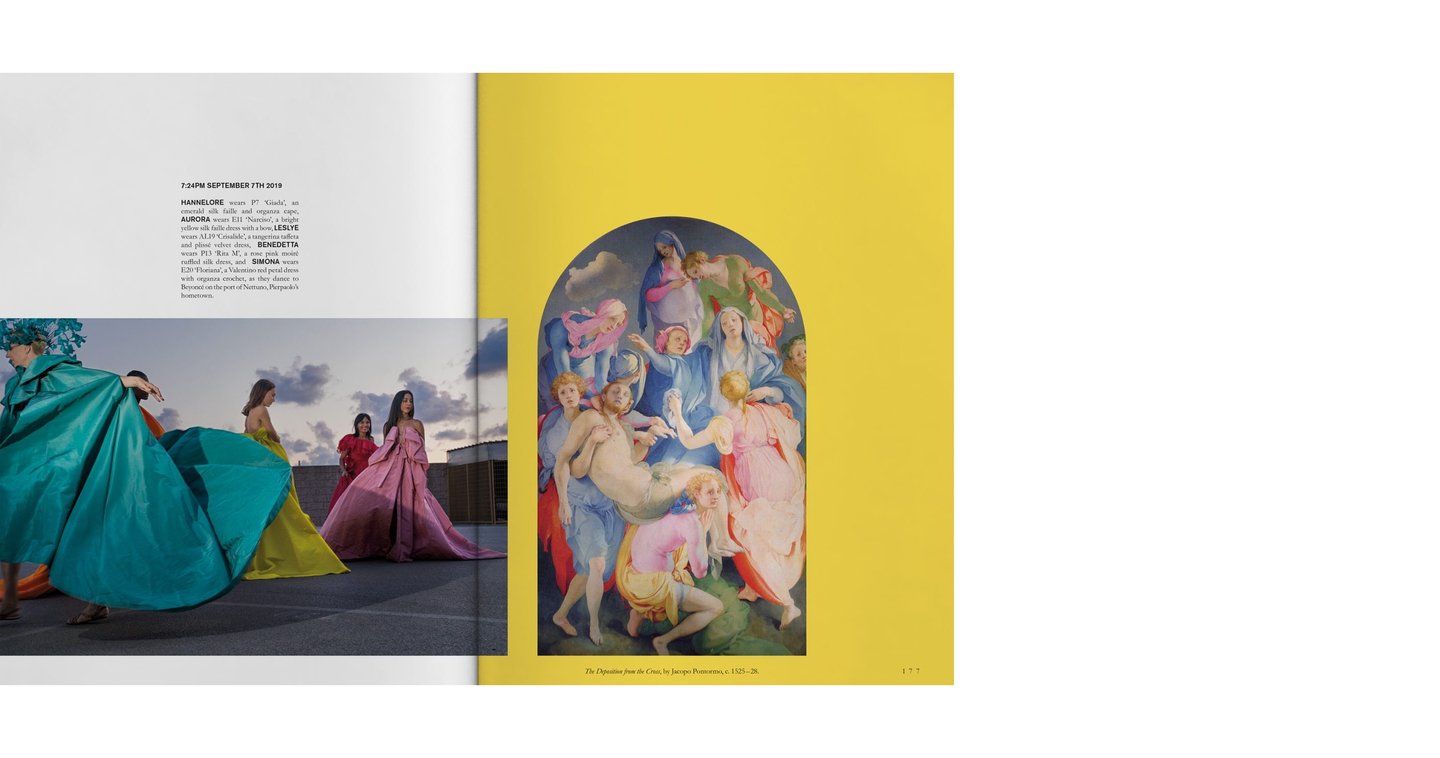
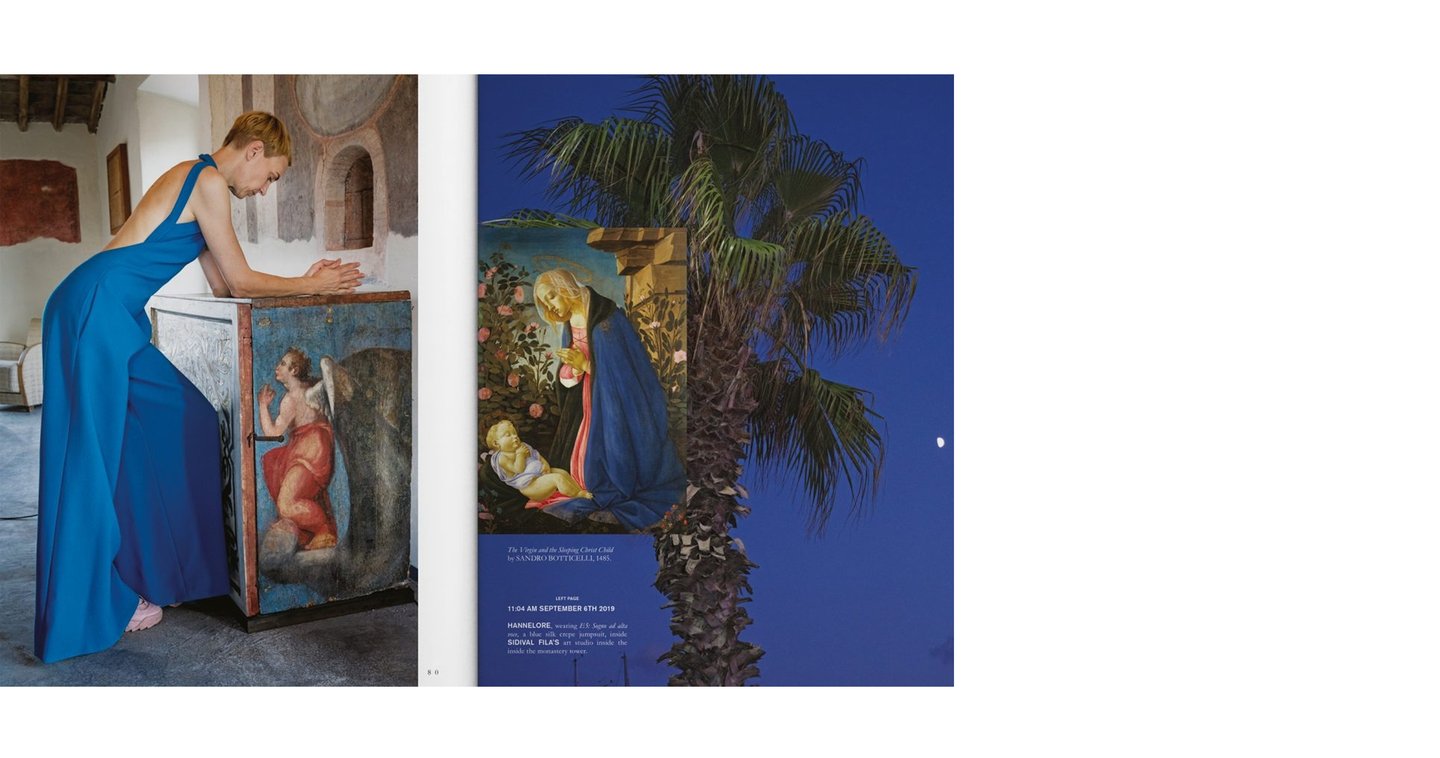
Similar to the global market, the Russian niche encompasses two tiers of players: large publishing houses that target the mass premium segment and relaunch international franchises under new Russian brands, and independent publishers who shape the niche’s identity through collectible print issues and engagement with local audiences. This latter tier is the most relevant to our research.
The main market trends include a 2.5 million-person growth in print media readership, the relaunch of local publications, brands shifting to print for «digital detox, ” collectible print editions, rising printing costs, and format polarization. Mass-market glossy magazines are shrinking, while niche and collectible publications are growing. Key growth drivers are demand for physical experience, premiumization, limited editions, the ecosystem surrounding the publication, local identity, and revenue growth in monetary terms. Readers are paying for tactility and ownership; rising prices increase margins, and scarcity and collectibility stimulate purchases.
Local Market
Due to the lack of open data, the size of the Siberian market for printed publications on culture and fashion is estimated using a method based on CyberLeninka and nationwide indicators, amounting to approximately 12–33 million rubles. This segment accounts for only 15–20% of the region’s magazine market. Despite print runs decreasing by about 8%, revenue is growing by 3–5% annually. In the long term, further reductions in print runs are expected while the monetary volume is maintained through premium positioning and demand for local content.