Манифест дипломного проекта
Анализ рынка одежды для собак и поиск новых возможностей для создания бренда
The Dog Apparel Market
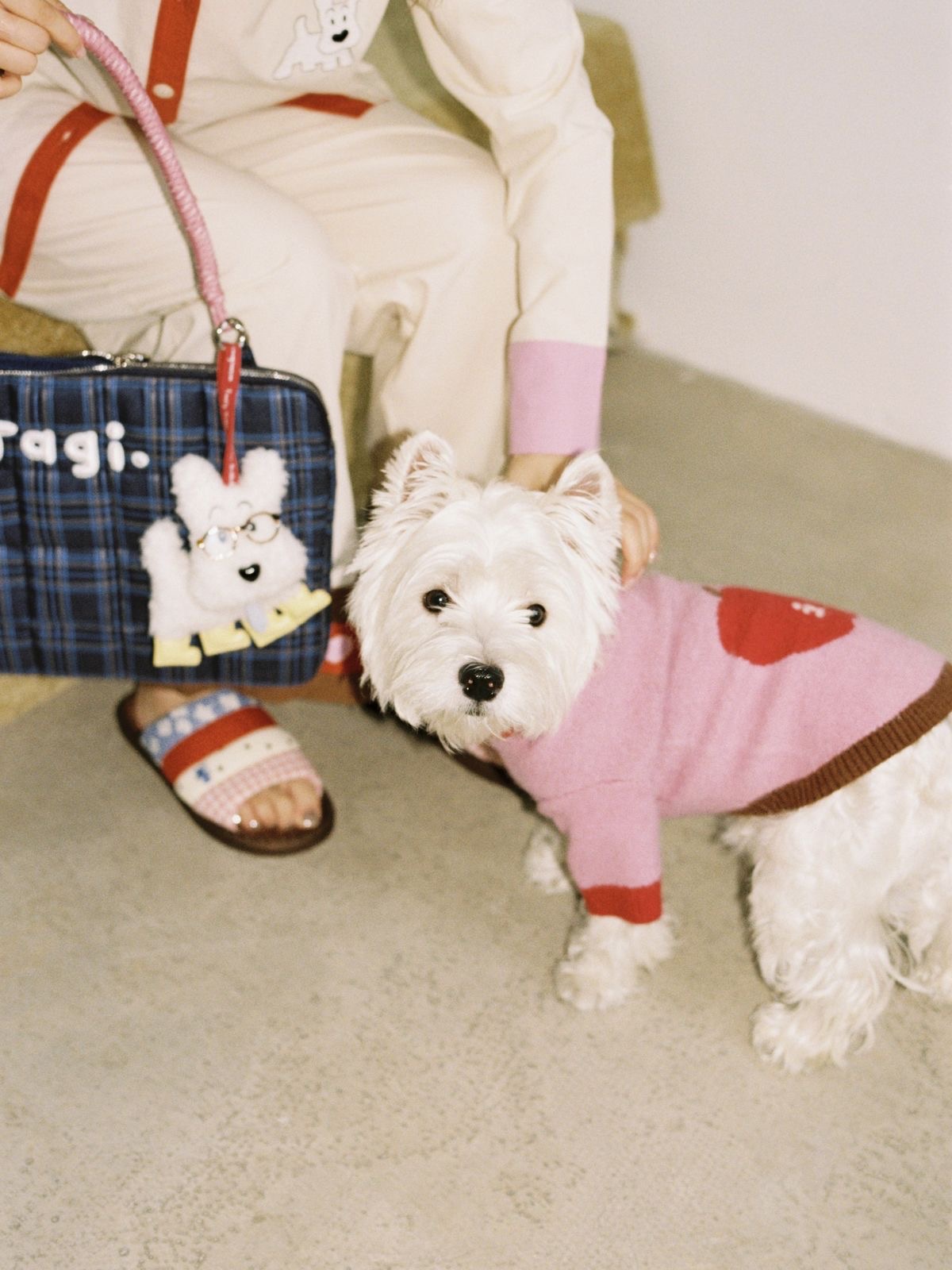
This is a segment of pet fashion that combines functional and decorative clothing for a pet’s daily life.In this project, I will examine the dog apparel market at three levels—global, federal, and local—identifying key trends, audience characteristics, and the dominant business models of the players. The insights gained will form the foundation for developing a new premium dogwear brand that integrates functionality, a vibrant visual language, and the idea of the dog as a full family member.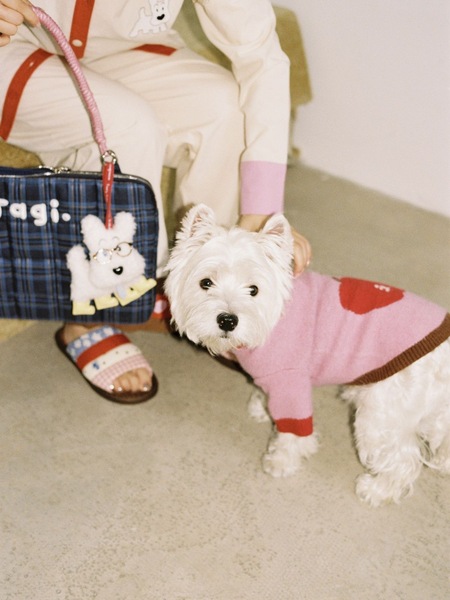
Global Market
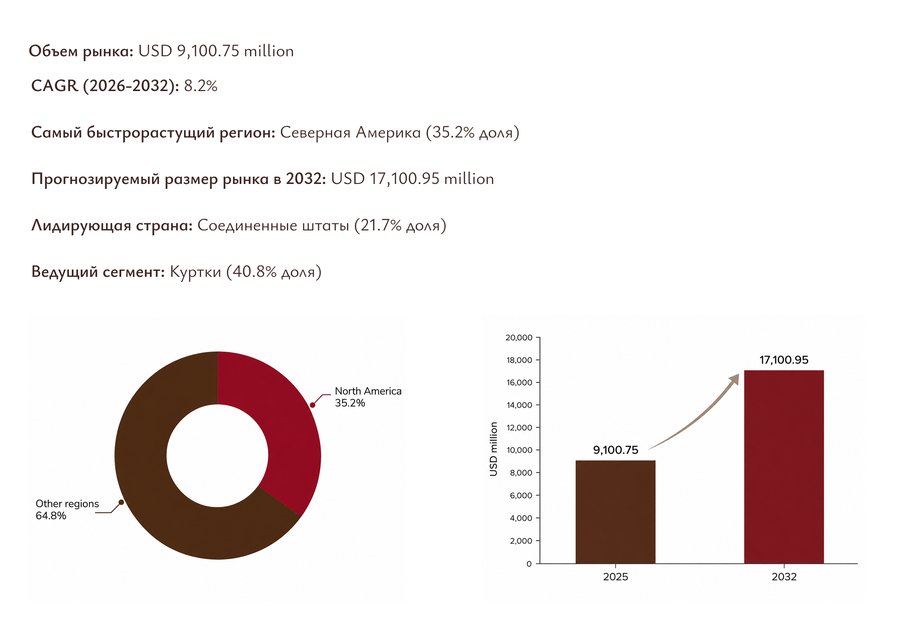
The global dog apparel market is valued at approximately $9.1 billion and continues to grow steadily: the average annual growth rate is around 8,2%, and by 2032, the market size could reach $17.1 billion. This growth is supported by the changing perception of pets—dogs are increasingly viewed as full members of the family, leading owners to spend more not just on basic care, but also on high-quality, functional, and aesthetically pleasing clothing.
The market is developing unevenly across regions. North America holds the largest share—about 35,2%—with the United States accounting for approximately 21,7% of the global market. This is driven by a strong pet ownership culture, a developed premium segment, and high consumer spending.
In terms of product structure, jackets lead with about 40,8% of the market, yet sweaters, knitwear, raincoats, and fashion-forward designs are developing more actively.Key growth drivers include the humanization of pets, premiumization, the rise of pet fashion, growth in online sales, and owners' desire to integrate their pets into their lifestyle. Consequently, dog apparel is gradually moving beyond a purely functional category and becoming part of the lifestyle industry.
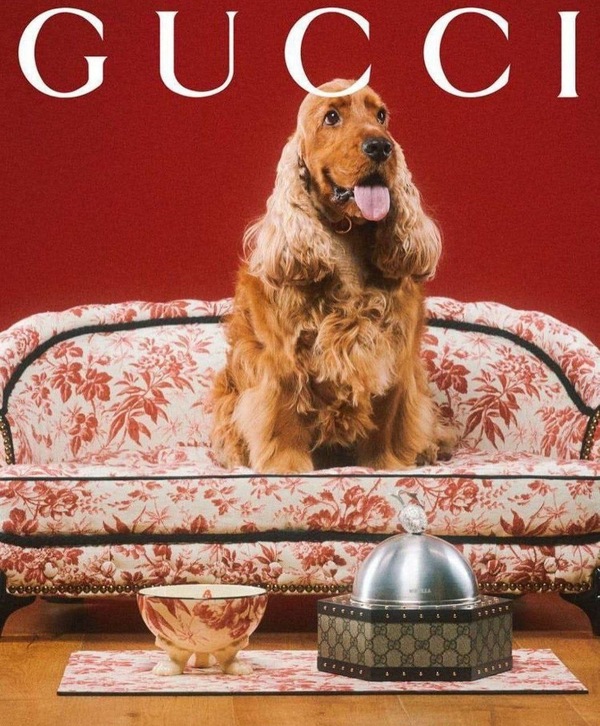
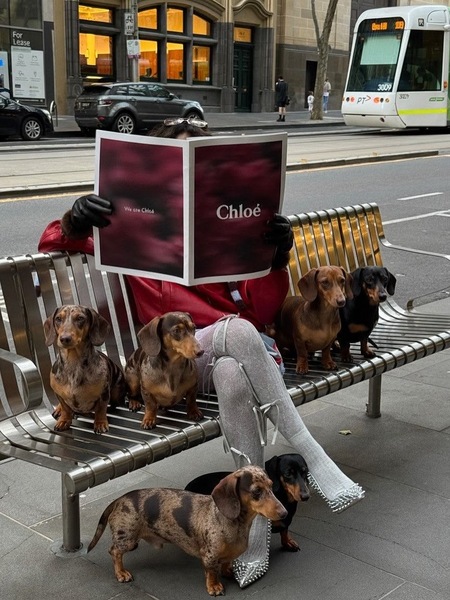
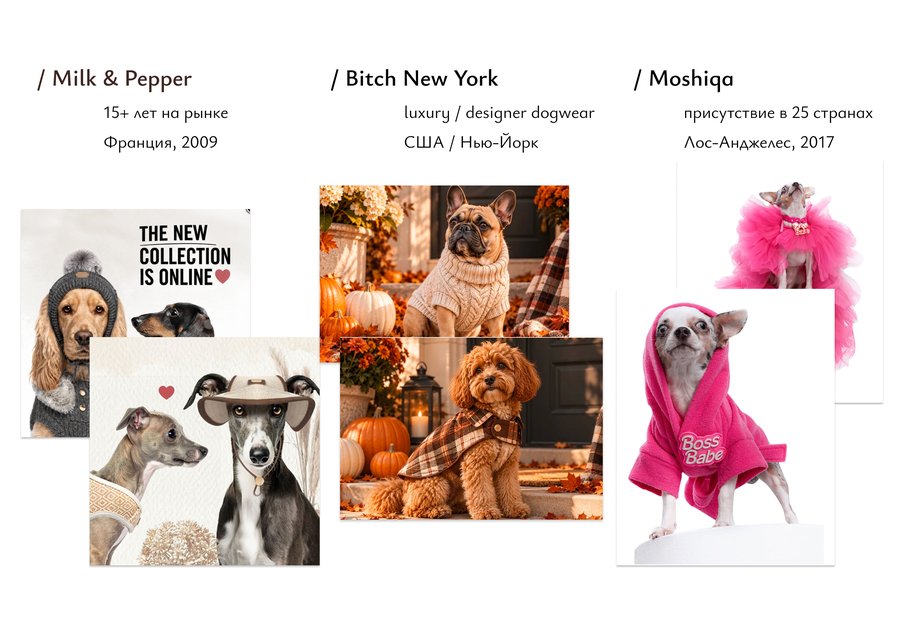
Key players compete not on scale, but on positioning and visual code. Milk & Pepper occupies the niche of European premium dogwear, Bitch New York builds its offering around luxury and fashion aesthetics, and Moshiqa develops the most international model—the brand is represented in 25 countries. The overarching trend is a shift from purely functional clothing toward fashion products, where design, recognizability, and the owner’s emotional connection to their pet become the basis of value.
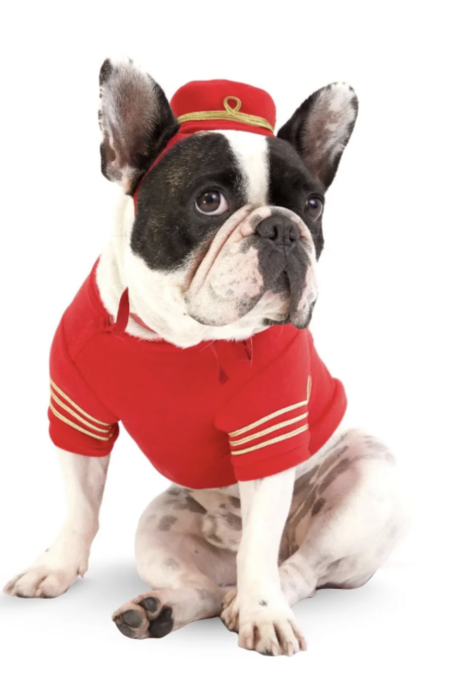
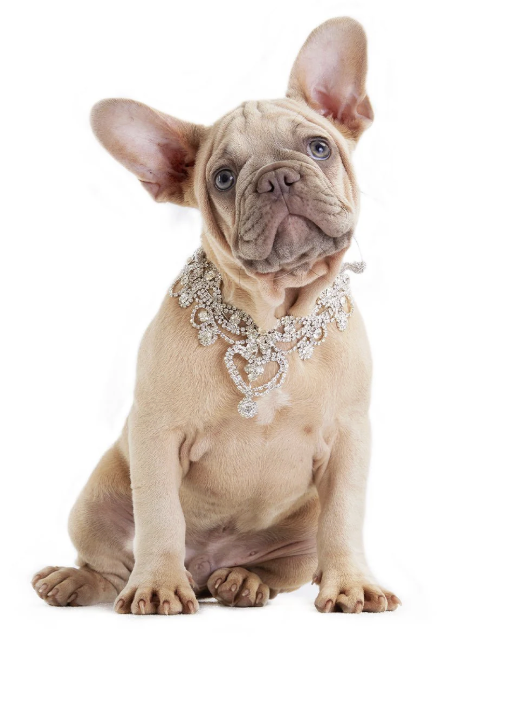
Business Model of Key Players: In the marketplace, key players build their businesses around strong identity, regularly updated collections, and selling dog apparel as a fashion product, not merely a functional one. Key players are selling not just clothing, but a lifestyle and the emotional value surrounding the human-pet relationship. Competitive advantage is established through design, branding, lifestyle communication, and limited, premium distribution.
The Federal Market
The Russian dog apparel market is valued at approximately 2.8 billion rubles and accounts for about 0,5% of the total pet supplies market. Despite its relatively small share within pet care, the category shows steady growth: the average annual growth rate is estimated at about 6,85%, and by 2032, the market volume could approach $54.7 million.
Key demand is for functional, seasonal apparel—winter suits, jackets, raincoats, and sweaters. Market growth is supported by an increase in dog ownership, the humanization of pets, the development of e-commerce and marketplaces, and the gradual shift of consumers from purely practical items toward more aesthetic and premium solutions.
The federal market for dog apparel is primarily shaped by major pet retail chains and domestic manufacturers offering a wide range of products. Currently, the market is mainly focused on functionality and mass-market appeal, which leaves room for a design-oriented, premium dogwear brand with a strong visual identity.
Local Market
The local dog apparel market in Moscow is estimated at approximately ₽220–280 million, accounting for about 8–9% of the federal market. Growth rates here are higher than the Russian average: the CAGR is around 9–10%, and by 2032, the market volume could grow to ₽450–490 million.
The Moscow market is characterized by a higher concentration of design-oriented and premium brands that compete not only on functionality but also on visual language, material quality, fit, and emotional positioning.
The growth of the local market is supported by a high-density audience willing to spend more on pets, the development of pet-friendly infrastructure—cafes and urban spaces—and the perception of the dog as a full member of the family. This creates a particularly favorable environment for a new brand that combines comfort, premium quality, vibrant color, recognizable silhouettes, and the emotional culture of walks together.
Among notable local players, we can highlight scoby&mo and FOSY: the first emphasizes in-house production, quality, and the exclusivity of its designs, while the second focuses on limited-edition collections, vibrant colors, and modern materials. Local players gain an edge through strong aesthetics, smaller collections, and a more personalized approach to the product—this is where the most design-driven segment of Russian dogwear is formed.
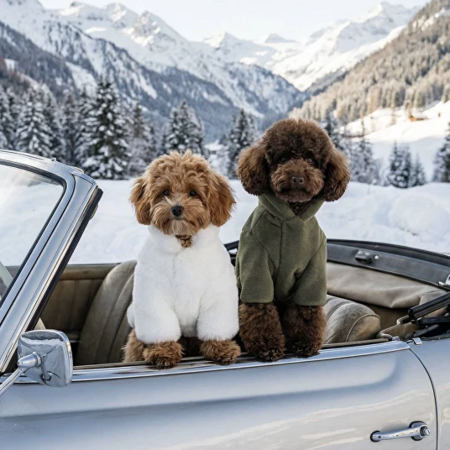
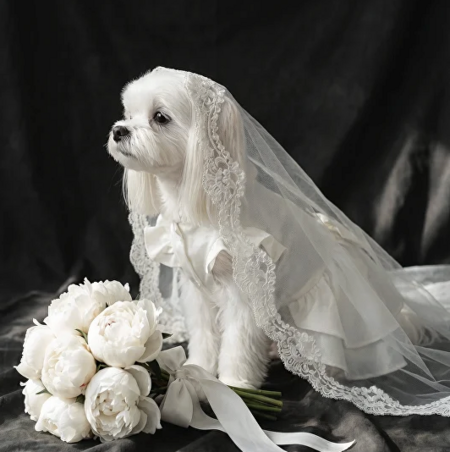
Business model of key players: the local market is built on the «small brand—strong aesthetic—limited collection—direct contact with the audience» model. The main competitive advantage becomes the ability to create a recognizable product and transform dog apparel into a fashion category.
Conclusion
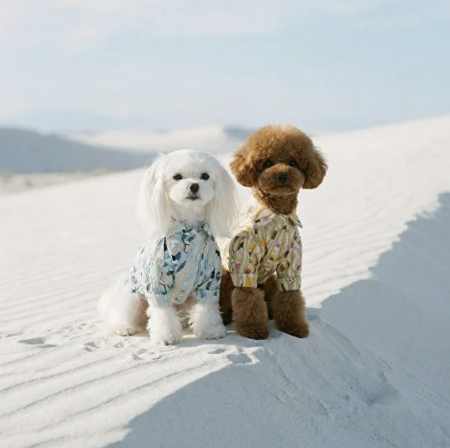
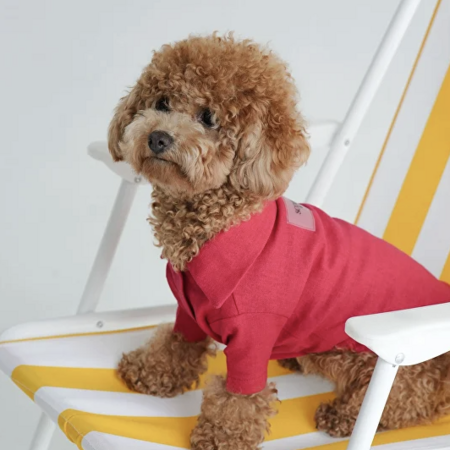
The market for dog apparel is evolving from a predominantly functional category toward the fashion segment, where design, emotional value, and the perception of pets as family members play an increasingly significant role. On the global market, this trend is already being shaped by premium brands with strong aesthetics, seasonal collections, and international distribution. The Russian market, however, is still largely represented by large pet supply chains and manufacturers offering wide assortments, focused on functionality and mass demand. The local Moscow market, conversely, is showing growth among independent design brands that compete through signature products, limited collections, and material quality.
Thesis Project Topic
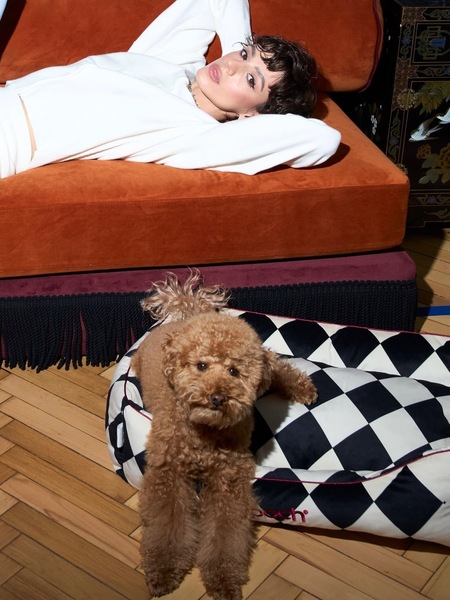
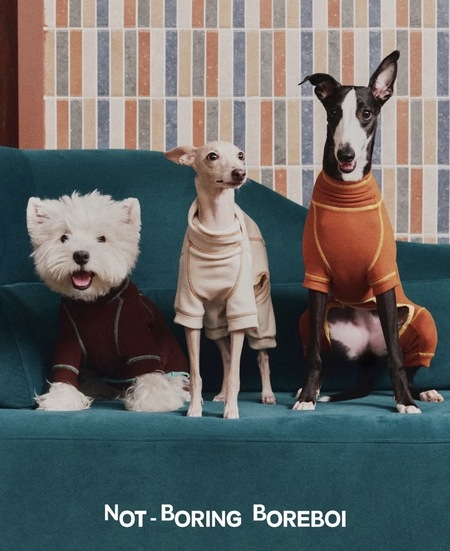
To create clothing that brightens and warms up the shared life of a person and their dog—turning an ordinary walk into a small ritual of joy, tranquility, and intimacy where one can escape the city, slow down, grab a coffee, be present, and notice the simple moments. Through color, form, and detail, we transform the mundane into a small celebration—vibrant, warm, and authentic.