Navigation
- Concept
- Design of female characters, hypersexuality as the norm
- Romanticization of passivity
- Gender roles and the promotion of traditional values
- Woman as an object of desire and a prize
- Voyeurism and fetishization
- Conclusion
Concept
Since its inception, animation has established itself not only as the art of movement and illusion but also as a powerful tool for constructing visual norms and social stereotypes. Long before Laura Mulvey formulated her seminal concept of the male gaze in 1975, animated cinema was already actively incorporating its basic principles, creating and reproducing specific models of female representation. However, the origins of this gaze stretch back deep into centuries, predating not only cinema but also animation itself.
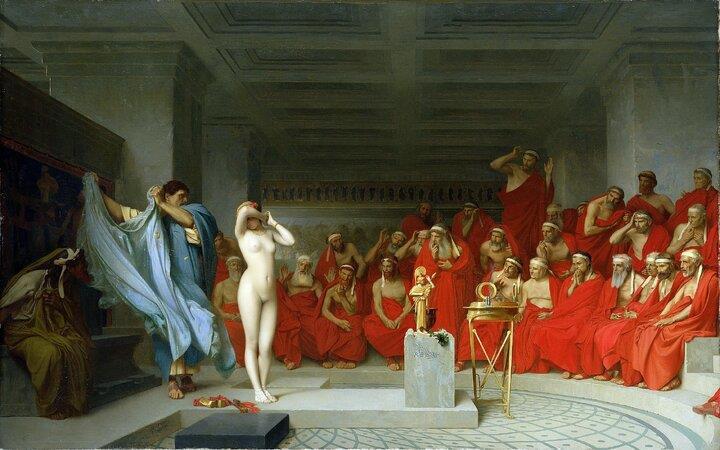
Frina before the Areopagus, artist Jean-Léon Gérôme, 1861
Even before the advent of the first projection equipment, Western visual culture was actively developing a language that can be considered a prototype of the male gaze. This gaze, rooted in a patriarchal culture, presented the viewer—by default, a heterosexual man—with the framework to perceive female figures through the prism of their appearance, desirability, and vulnerability.
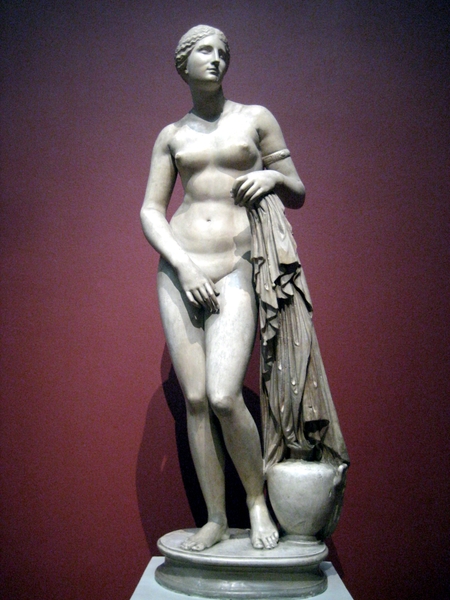
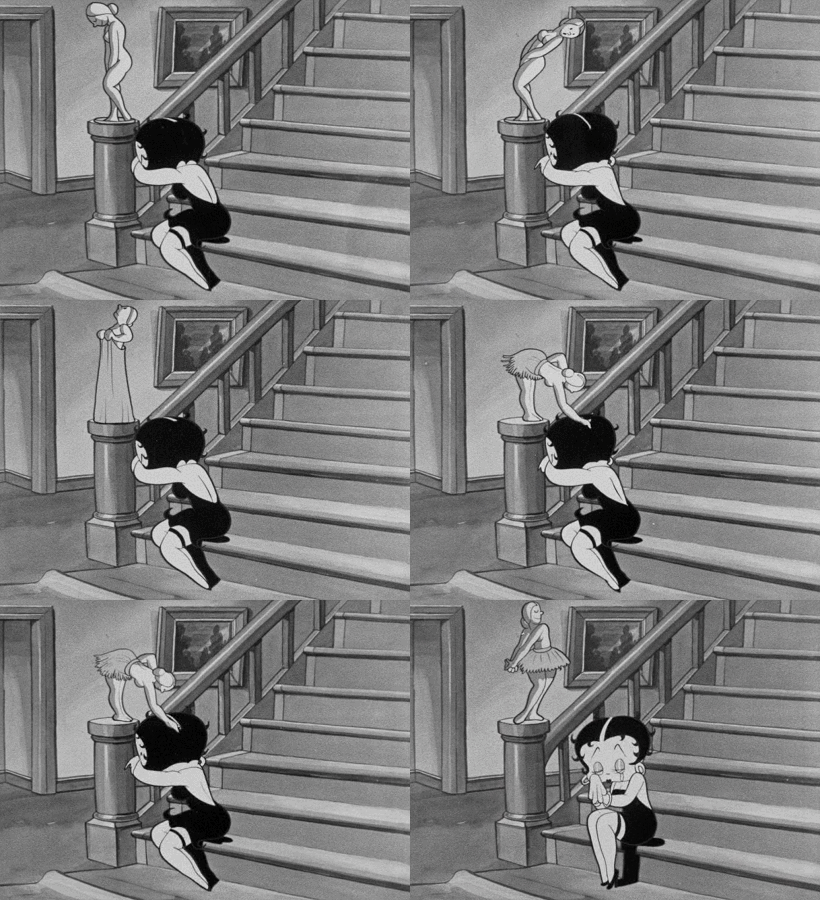
Aphrodite of Knidos, Praxiteles, 350–330 BCE/Minnie The Moocher, Fleischer Studios, 1932
Nude goddesses (Aphrodite of Cnidus) and nymphs in sculpture were often objects of aesthetic and sensual pleasure, created by commission and for the gaze of the male viewer. Myths of Actaeon spying on Diana, or of Paris judging the beauty of the goddesses, serve as a narrative embodiment of the male gaze, where the female body becomes the apple of discord or an object of desire.
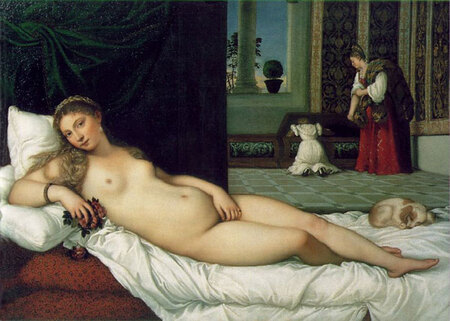
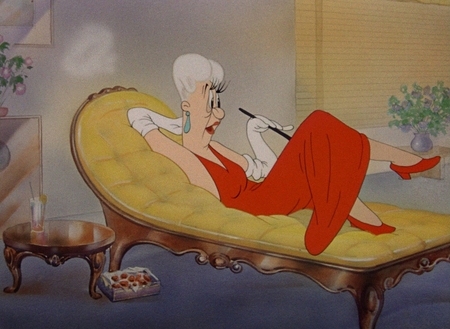
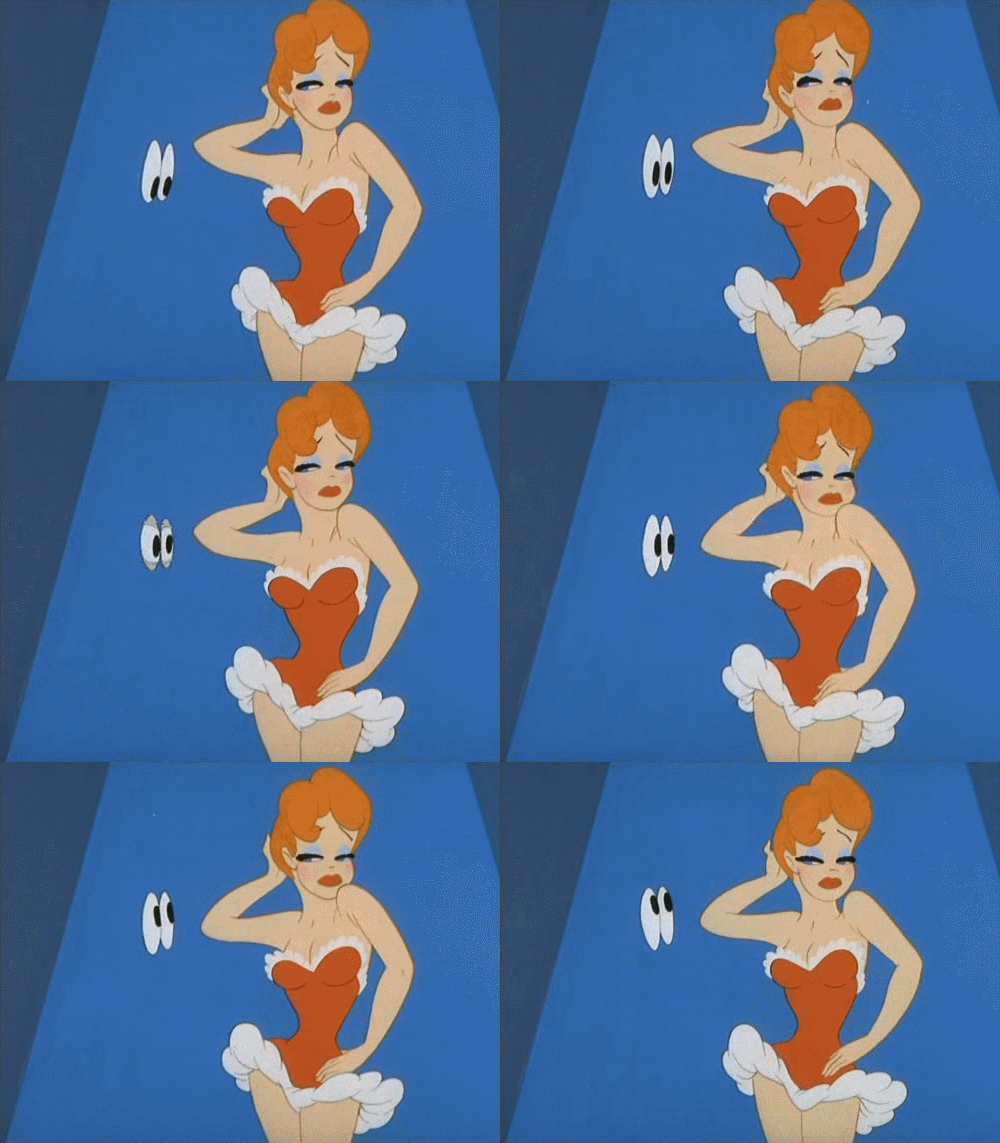
Venus of Urbino by Titian, 1538; Hot Red Hat by Tex Avery, 1943
The era of the Renaissance canonized the female nude as an object of high art, but often within clearly defined conventions. Titian’s «Venus» (1538), with its direct, serene gaze toward the viewer, or Giorgione’s «Sleeping Venus”—these are not merely depictions of goddesses; they are the construction of an idealized object for contemplation. Composition, posture, soft light—everything is orchestrated to allow the viewer to visually possess the woman.
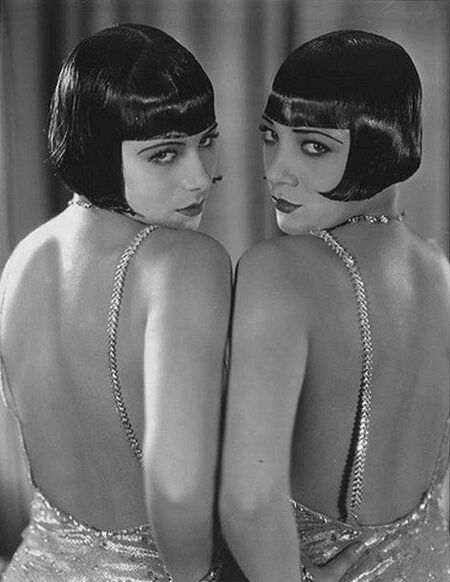
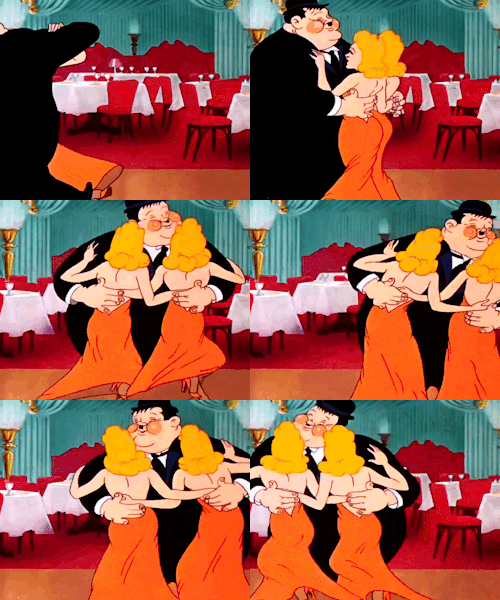
Dolly Sisters, 1928/Hollywood Steps Out, Tex Avery, 1941
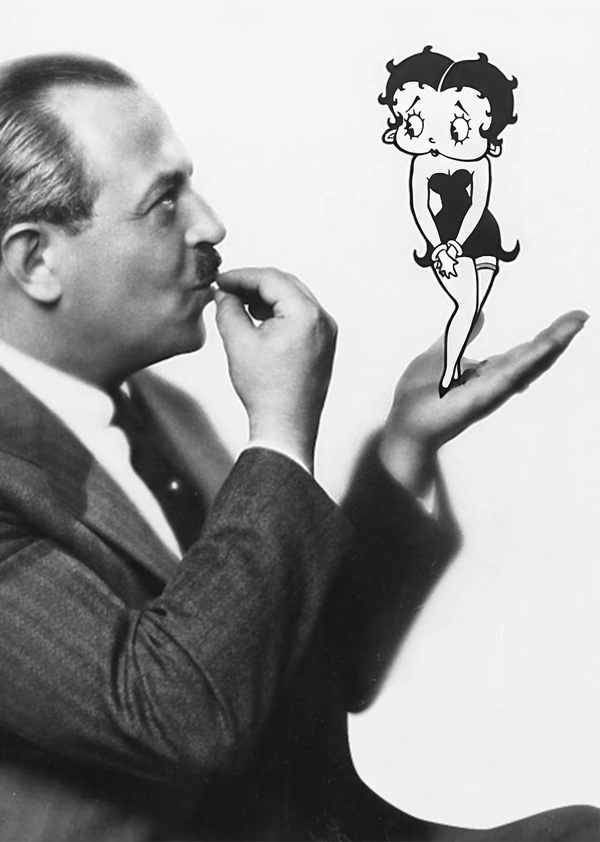
With the rise of mass printing, mail-view images moved out of the salons and into the public sphere. Illustrations by Gill Elgren, advertising posters featuring Zigfeld’s pin-up girls, and finally, photo models became direct predecessors to Betty Boop. These images, reproduced on postcards and in magazines, directly encoded femininity as synonymous with availability, beauty, and readiness to be appraised.
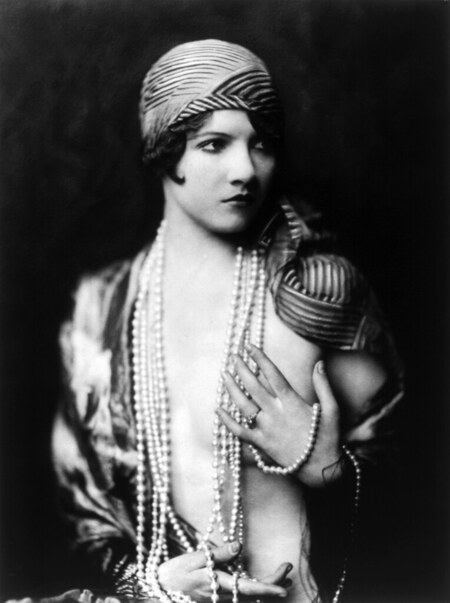
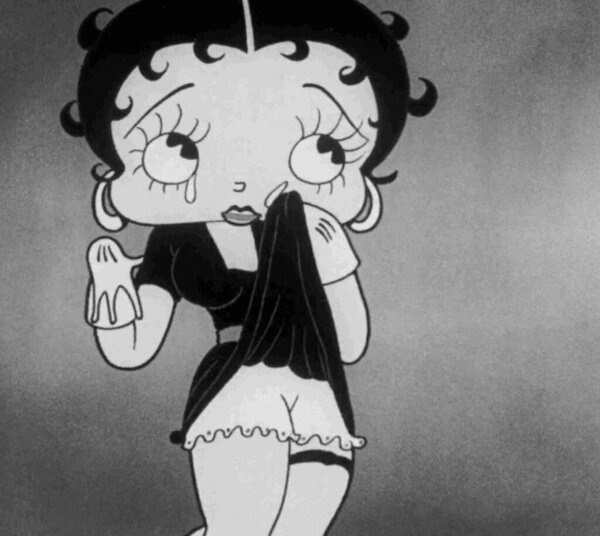
Zigfeld’s Girl, photograph by Alfred Cheney Johnston, 1927/
Thus, by the time animation emerged, the visual codes of mail gaze had already been well-developed and absorbed by society. Animation did not invent this gaze, but rather became its perfect conductor, as it allowed not just to display a static object of desire—unlike painting or photography—but to bring it to life, making submission, vulnerability, and coquetry part of a dynamic narrative.
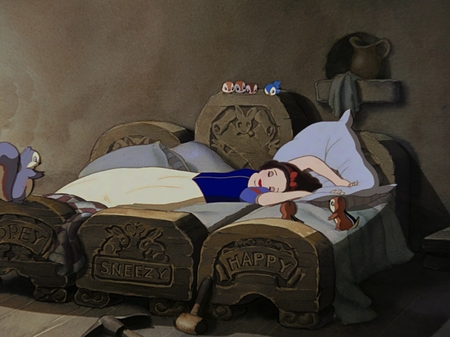
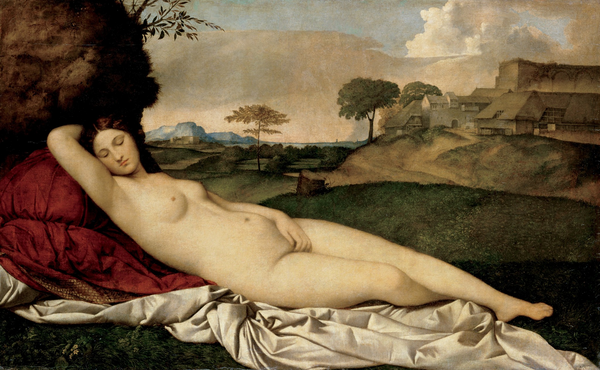
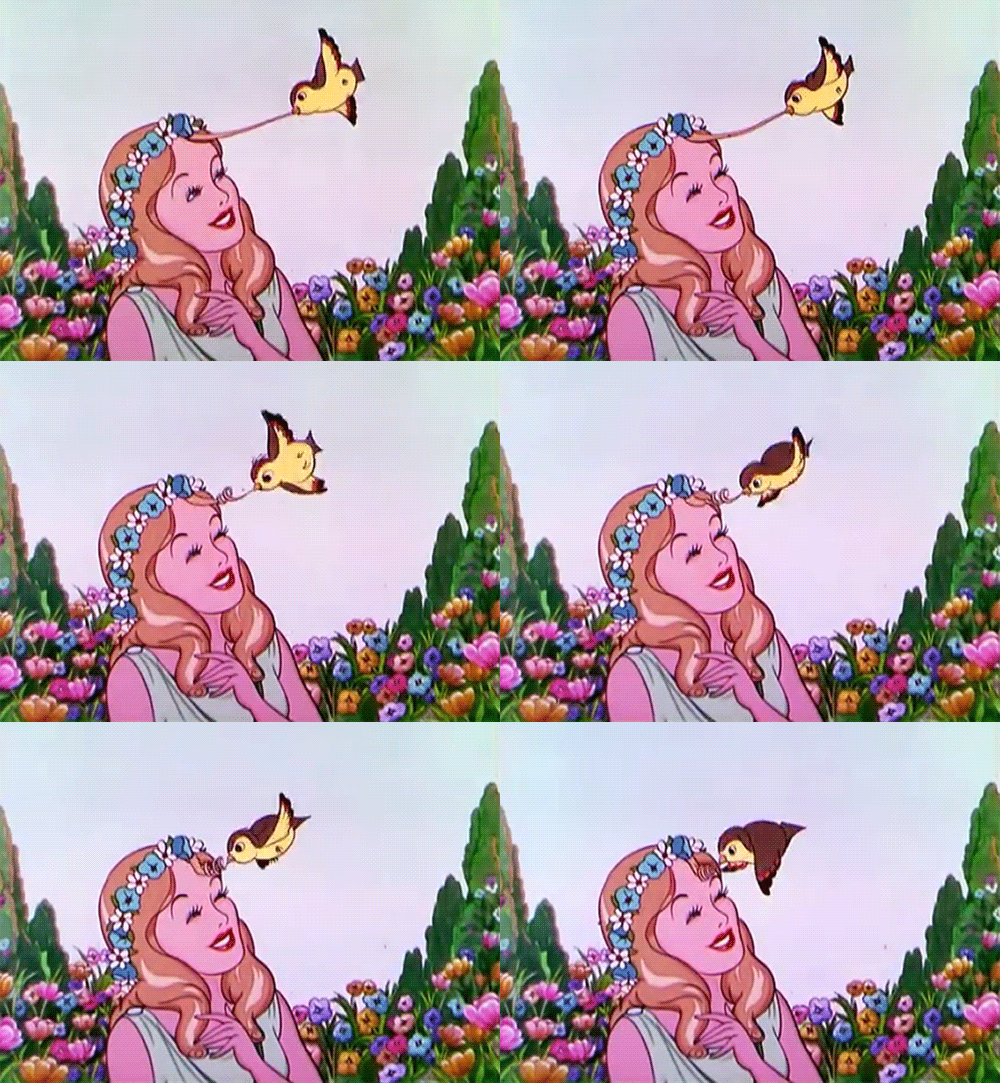
Snow White and the Seven Dwarfs, Walt Disney Studios, 1937/Sleeping Venus, artist Giorgione da Castelfranco, 1510
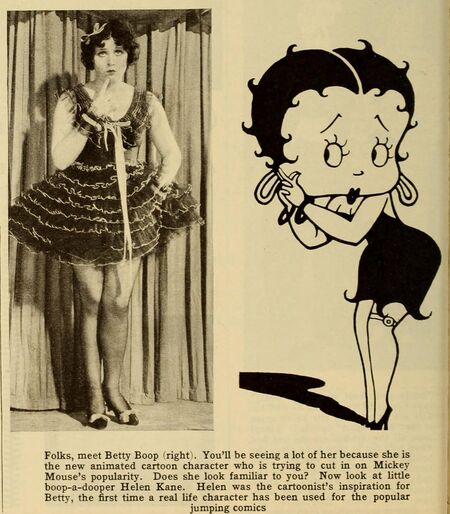
The study of mail-gaze manifestations in animation prior to 1945 offers a key to understanding how these patterns, inherited from classical art, were adapted, replicated, and amplified by the new, technological medium of the first half of the 20th century. During this period—marked by the flourishing of the Hollywood studio system (Walt Disney, Fleischer Studios, Warner Bros., MGM) and the establishment of the language of animation—fundamental clichés and narrative tropes were established. Betty Boop’s overt sexuality, Snow White’s passive virtue, and the hyperbolized reactions of Tex Avery’s male characters to alluring heroines—all these phenomena were not arbitrary aesthetic choices. They became the visual embodiment of dominant social norms, where femininity was associated with objectification and masculinity with active agency and possession, thereby continuing and transforming an age-old tradition of representation.
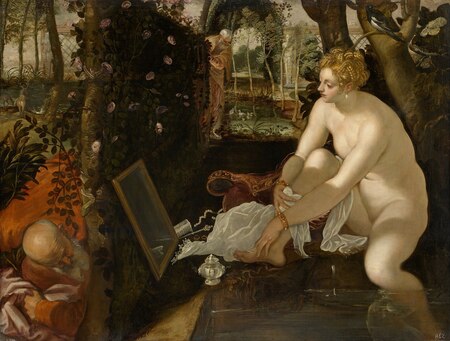
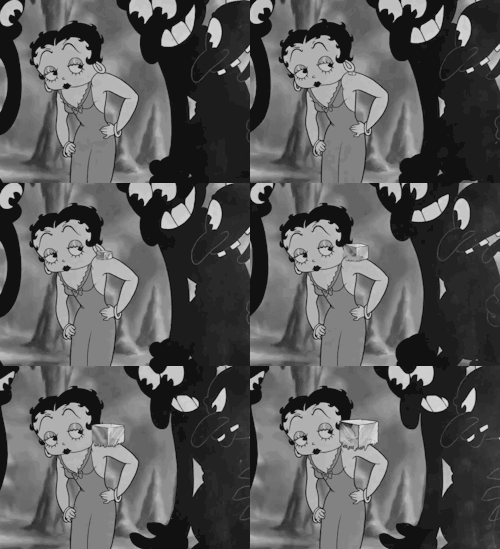
Susanna and the Elders, painter Tintoretto, 1555–1556/Betty Boop — Hell Bells, Fleischer Studios, 1934
The goal of this research is to identify and analyze the specific mechanisms, visual strategies, and narrative models through which the male gaze established itself in global animation prior to the end of World War II. By analyzing key works and the output of leading studios, one can trace how camera work, composition, character design, and plot operated in unison to create and normalize a specific, gendered mode of seeing—one rooted deep in the history of Western art but gaining new power and influence during the era of mass visual culture. The relevance of this topic lies in the connection between the visual culture of animation and contemporary discourses on gender representation.
Designing female characters: hypersexuality as the norm
In 1814, Jean-Auguste-Dominique Ingres painted «La Grande Odalisque, ” to enhance the figure’s effect, he added a full five vertebrae to his model according to modern counts. The design of female characters in animation before 1945 systematically embodied Ingres' tenets through exaggerated physical characteristics. The animators, who were predominantly men, were not merely creating characters—they were constructing visual objects aligned with male fantasies and perceptions of attractiveness.
A Grand Odalisque, painted by Jean-Auguste-Dominique Ingres, 1814
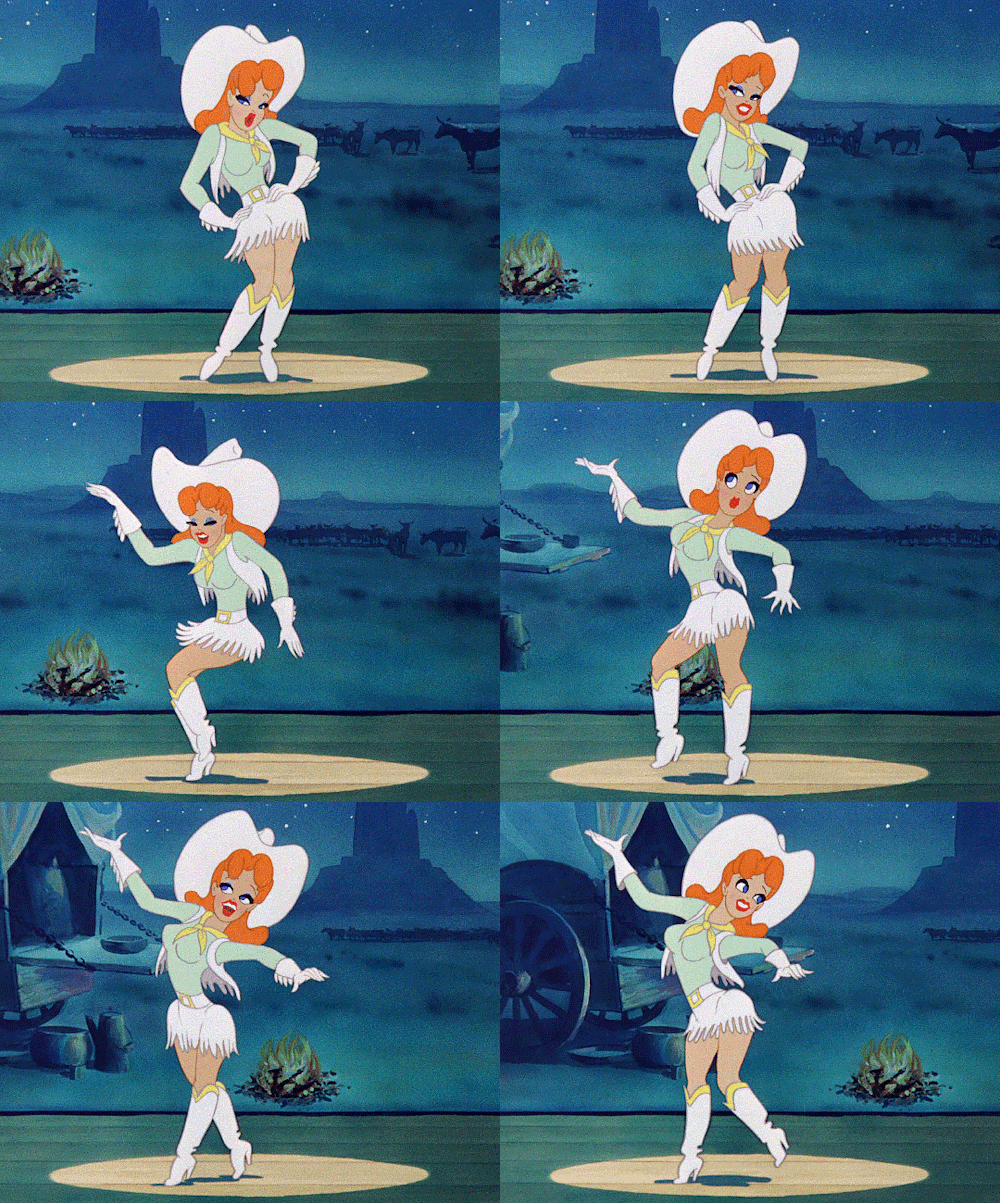
The «hourglass» archetype and its variations in the design of female characters in early animation: • Betty Boop exhibits intentionally exaggerated proportions: a narrow waist, pronounced hips, and bust despite an overall diminutive figure. • The heroines of Tex Avery display an extreme version of this archetype—featuring unnaturally long legs and a hypertrophied hip line. • Disney princesses present a softened iteration, where proportions remain idealized but less grotesque.
Character sketch, Tex Avery, 1943
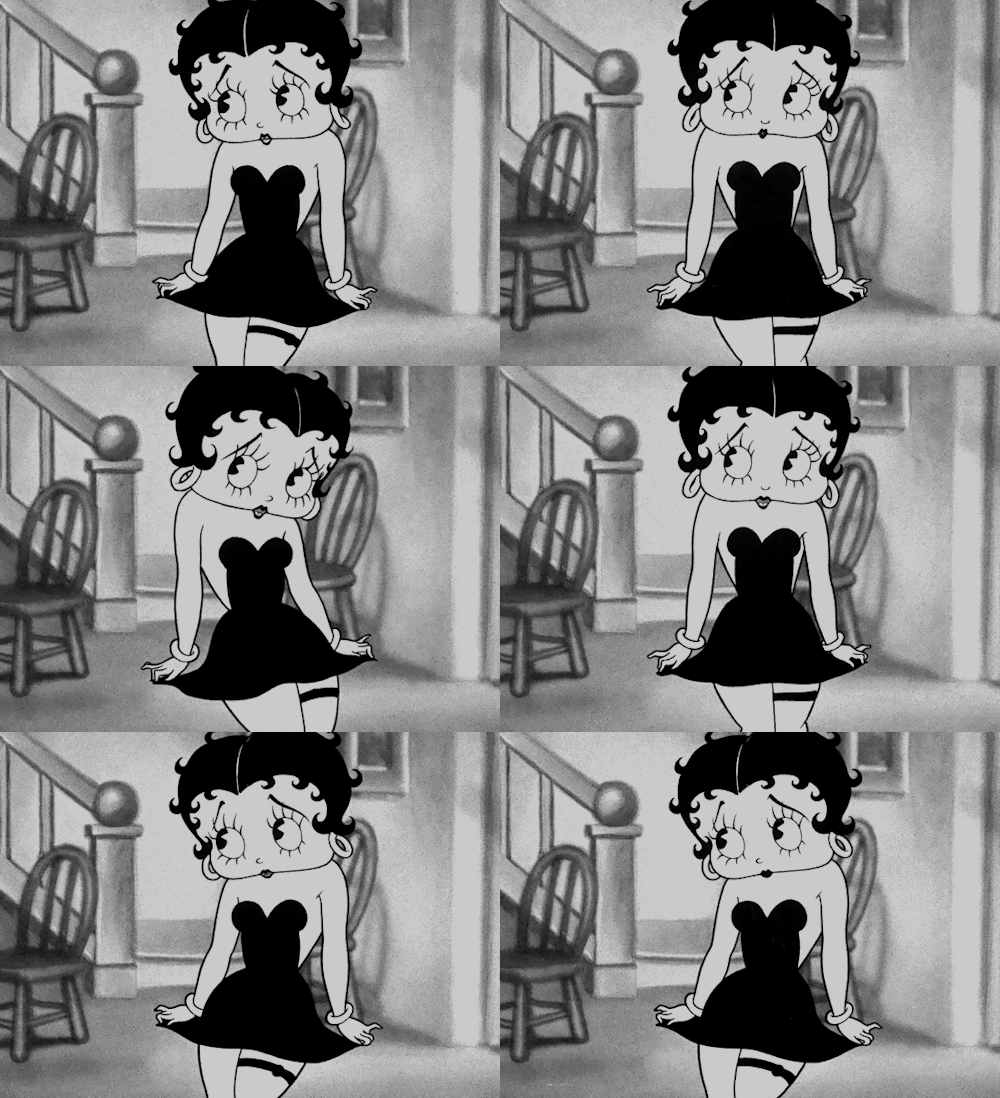
The technique of infantilization is also frequently employed as an element of sexualization. The combination of childlike features with an adult body created a distinct type of appeal tailored to male tastes. Betty Boop, with her large eyes, small nose, and juvenile facial features, contrasted with an adult physique and provocative behavior. This technique, known as the «Kinderschema,» activated protective instincts while simultaneously offering an object of sexual desire.
Dazzling Cinderella, directed by Tex Avery, 1945
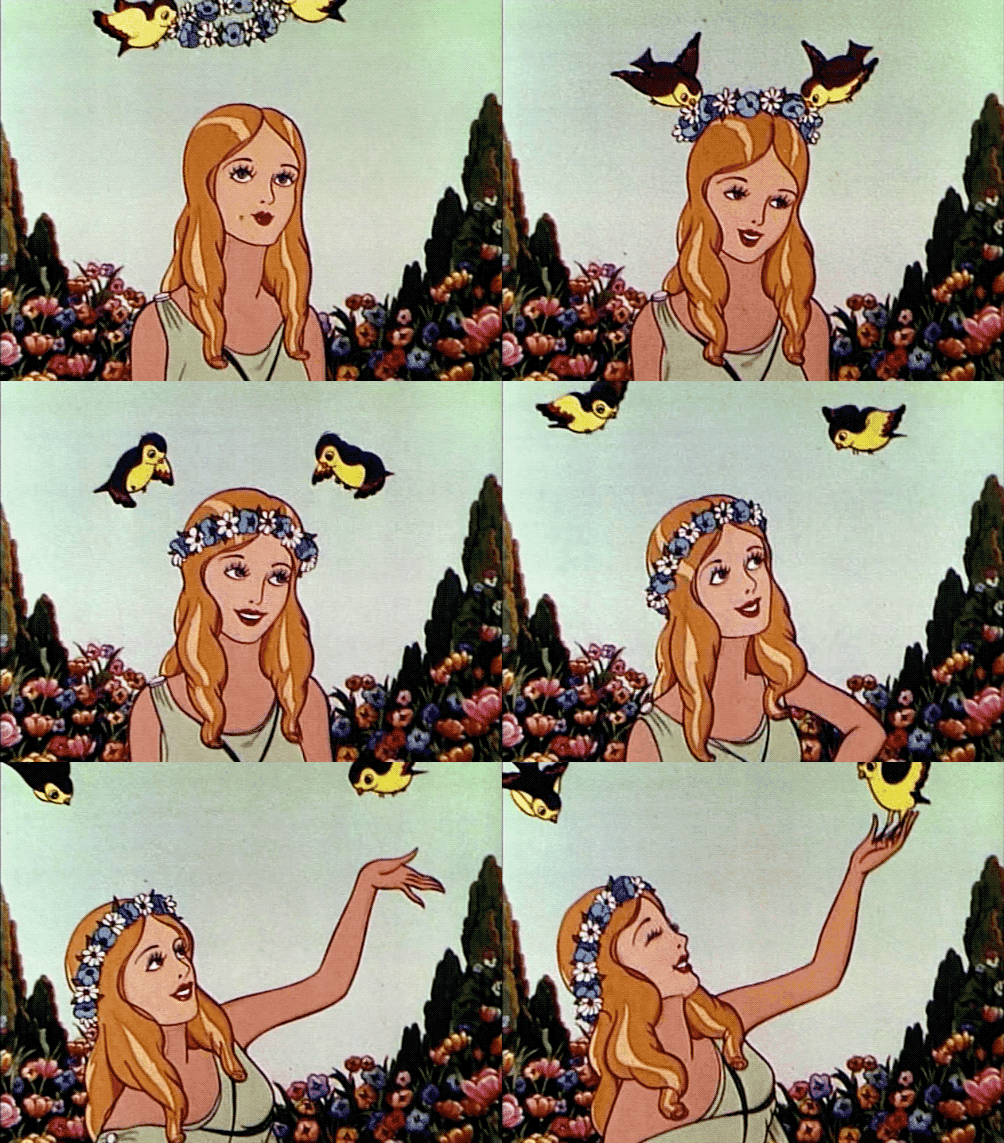
The design of female character faces adhered to specific conventions, limiting the range of expressible emotions and reinforcing passive behavioral models. A kind of iconography of submission emerges: lowered gazes and demure smiles of Disney princesses, exaggeratedly large eyes symbolizing innocence and surprise, and soft, rounded facial contours devoid of aggression or resolve. The following emotional repertoire can be traced:
- Fear—for threatening situations that activate a rescue scenario
- Joy—as a reaction to the attention of a male character
- Sadness—while awaiting male intervention in their destiny The absence of complex emotions—such as anger, determination, or intellectual tension—suggested that the characters functioned as objects rather than as agents of action.
Snow White and the Seven Dwarfs, Walt Disney Studios, 1937
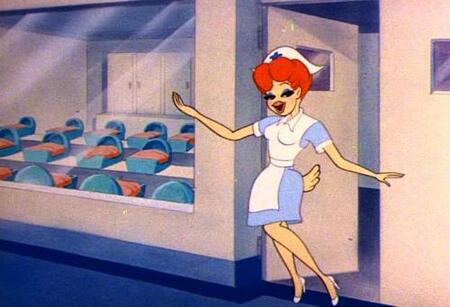
Female animal characters also adhered to the same stylization conventions. In Disney’s Bambi animated film, the main character’s friend, Faline, is depicted with unnaturally large eyelashes, a coquettish gaze, and a body that, despite being a deer, possesses an emphasized waist and graceful movements more characteristic of a Hollywood actress than a woodland creature.
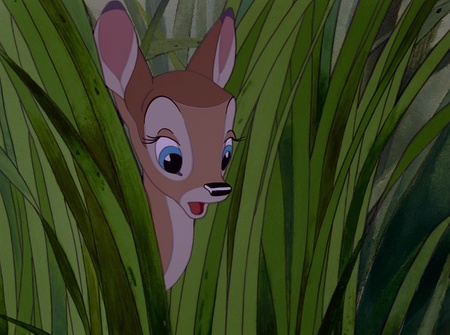
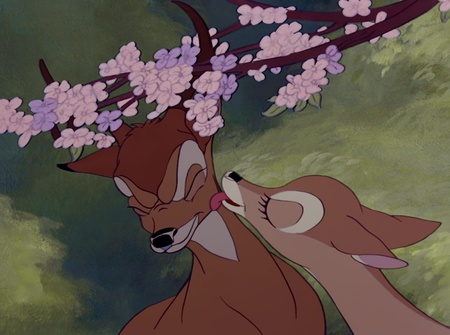
Bambi, Walt Disney Studios, 1942
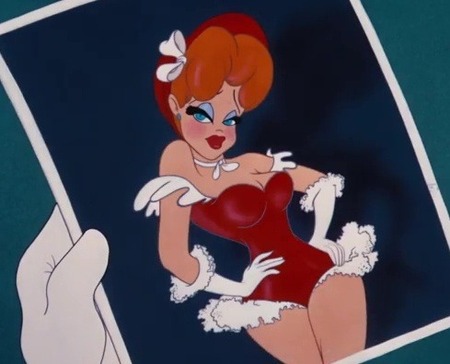
Designing female characters in animation before 1945 was not merely an artistic choice but rather a complex system of visual codes intended to construct and solidify a specific type of gender relationship. Through body proportions, costume semiotics, facial expressions, and emotional patterns, the female figure was constructed as an object of visual consumption—one whose value was defined by its ability to meet male expectations and fantasies. This visual language became the foundation upon which the subsequent development of animation was built, influencing gender representation in media for decades to come.