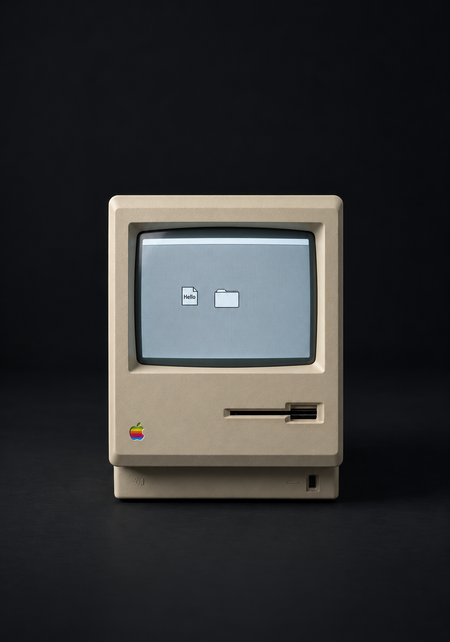
The World Before 1984
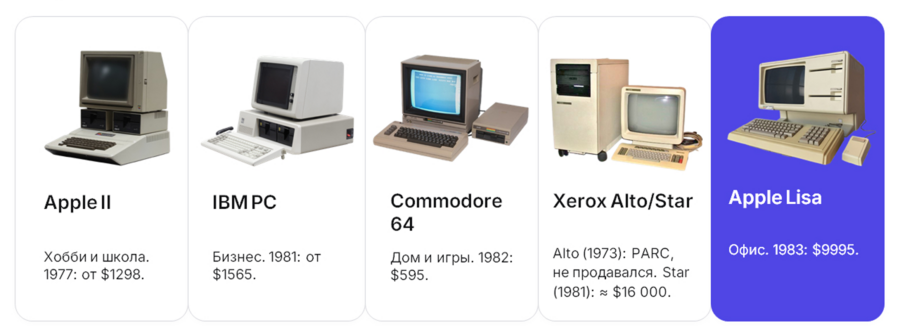
Home models often integrated the keyboard and electronics, while office systems consisted of separate units.
From Engineer’s Tool to Home Goods
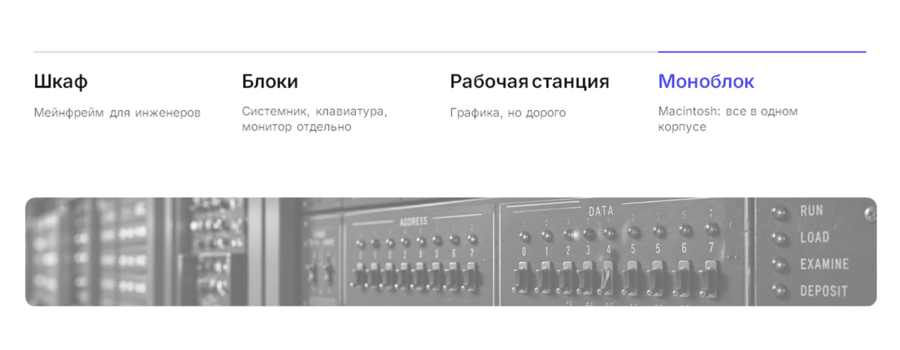
The form factor shrank until the computer became personal. The all-in-one integrated the core components—users no longer needed to select a separate monitor.
Apple as a Client: The DNA of the Brand
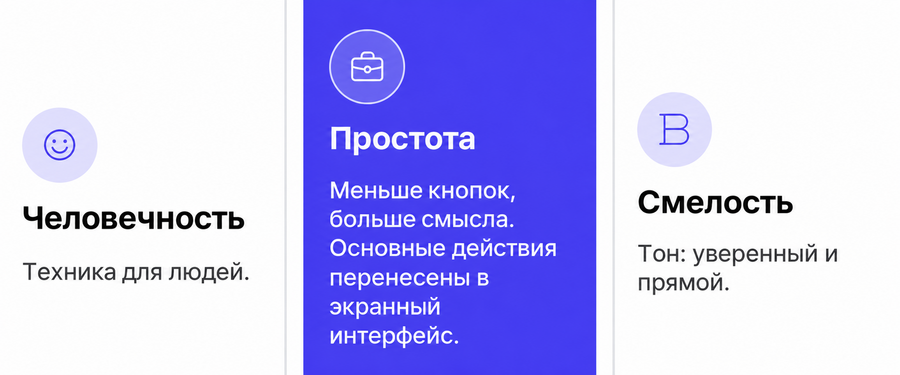
The famous garage, the Apple II, then the computer for people, not just specialists.This idea connected the look, the control, and the first encounter with the machine.
The Visual Language of Early Apple
Macintosh Design Principles
Jobs and the Macintosh Team
Jobs sets the standard: simplicity is more important than a collection of features. The team operates like a small studio. The design of the casing, the electronics, and the software are developed as parts of a single product.
Design Development Challenges
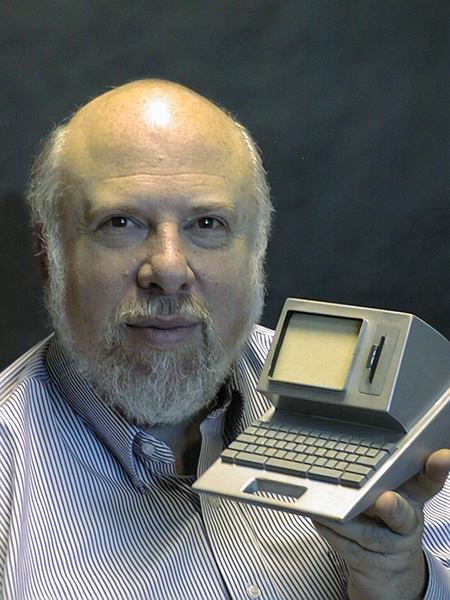
Jeff Raskin — an Apple employee and the originator of the Macintosh concept (previously, he headed Apple’s documentation department). Limited team experience and resources: Apple’s priorities were the Lisa and the problematic Apple III. Strict constraints: To meet pricing and size targets, memory, screen resolution, and expandability had to be tightly restricted. Post-launch criticism: Weak networking capabilities and inconvenience for certain tasks.
User and Task
Experience Map: What Dissatisfied Users
Macintosh required more effort at every stage—from selection to daily use.
Construction: Monoblock
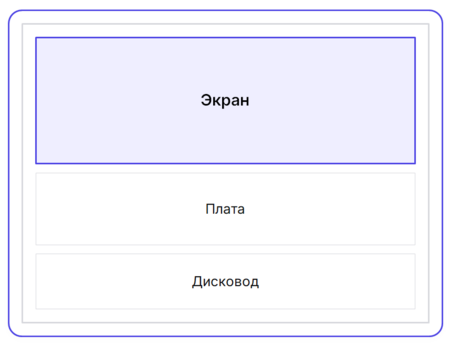
Screen, motherboard, and disc drive in one chassis. One unit instead of three. Fewer cables, easier to start. The keyboard and mouse remained external: the all-in-one system integrated the core components but not all peripherals.
Materials and Casing Casting
Plastic, injection molding. The shape is constrained: corners are rounded, walls are straight. Draft angles help extract the part from the mold, and uniform wall thickness reduces the risk of deformation during cooling. There are developer inscriptions inside the housing.
Components as Physical Objects