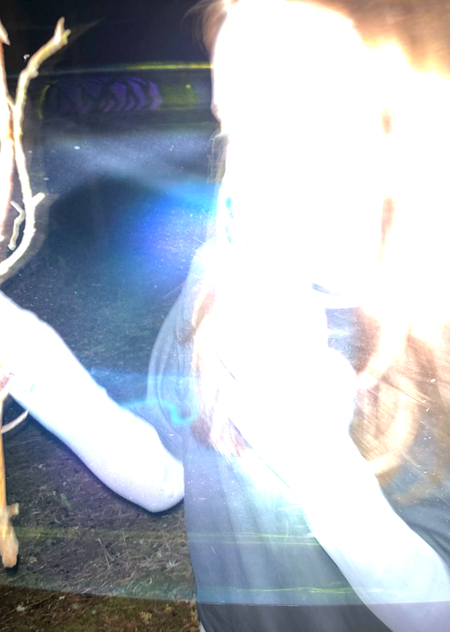

Photo from personal archive
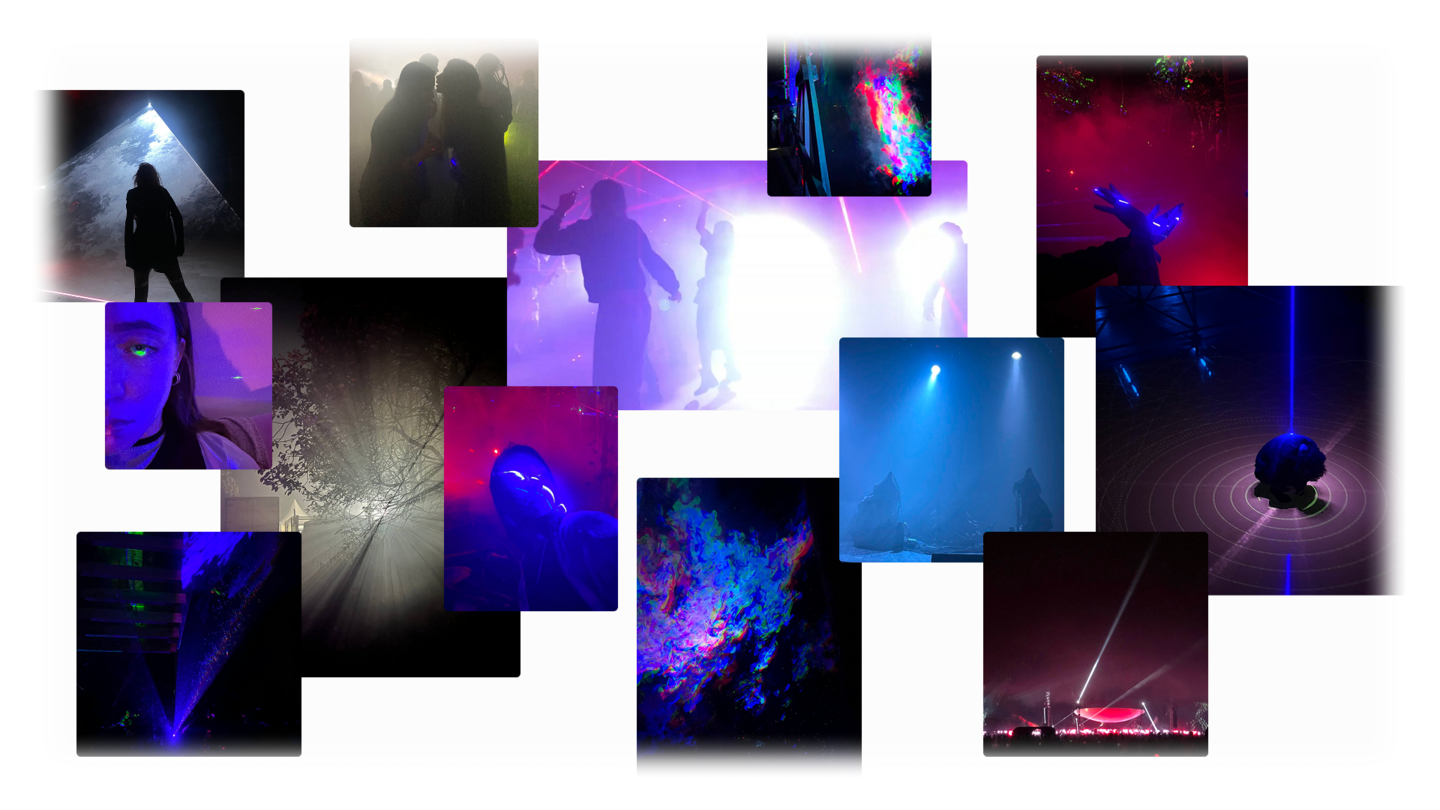
The dataset used to train the model was compiled from personal photographs taken at multimedia festivals, exhibitions, and concerts, as well as candid shots capturing the interaction between space, people, and light.
The series is built not around a specific location or narrative, but around a recurring visual state: a dark space cut through by directional beams, colored patches, mist, and light reflections.

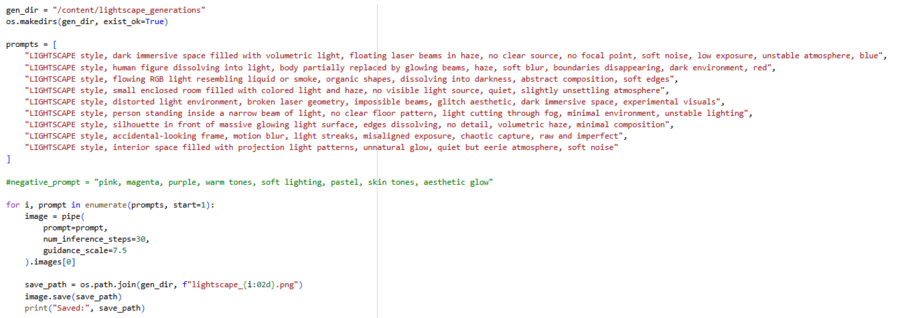
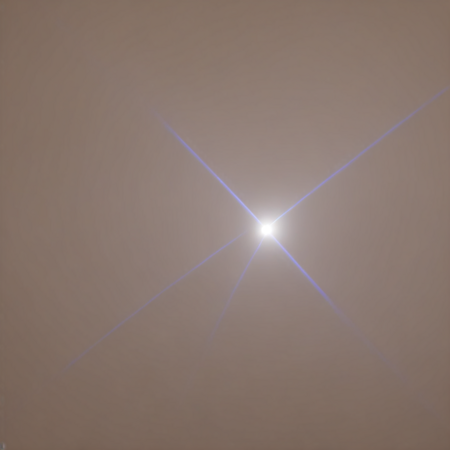
For some generations, we used prompts with source material that shared a similar plot structure, which allowed us to test how the model reproduces and reinterprets familiar visual scenarios.
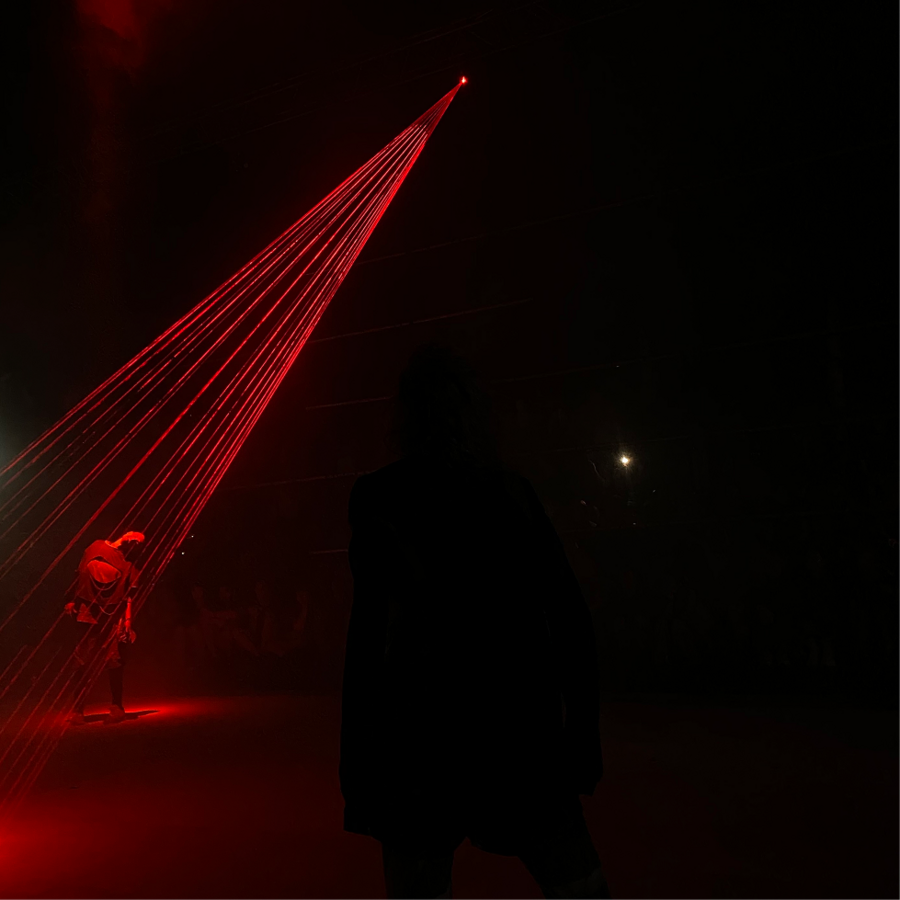
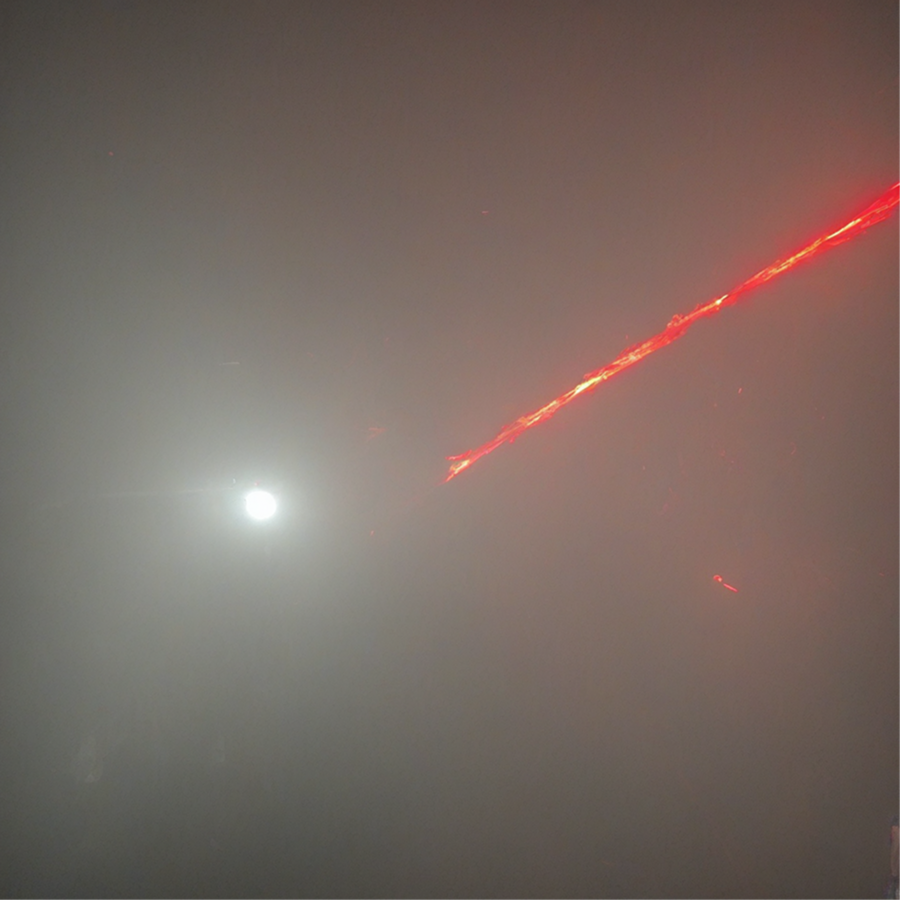
Photo from personal archive / generation
prompt = LIGHTSCAPE style, dense fog filling the space, single bright white light source glowing through haze, red laser beam cutting diagonally, minimal scene, overexposed, soft blur, low visibility, high contrast, raw atmosphere
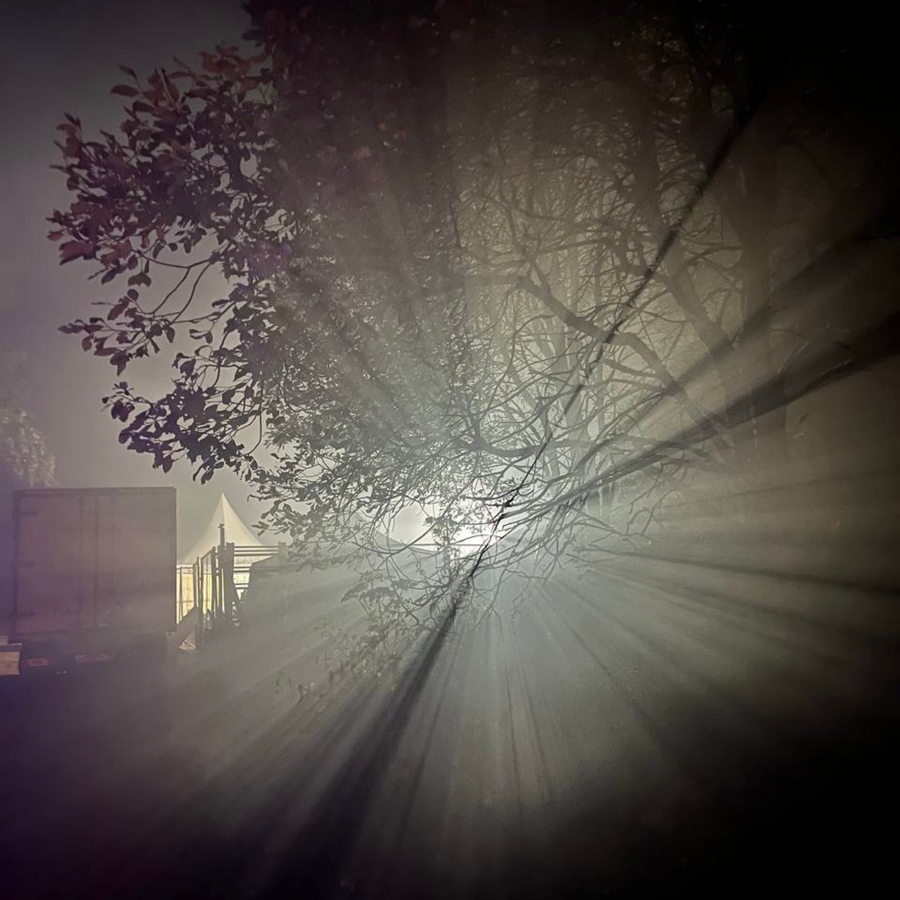
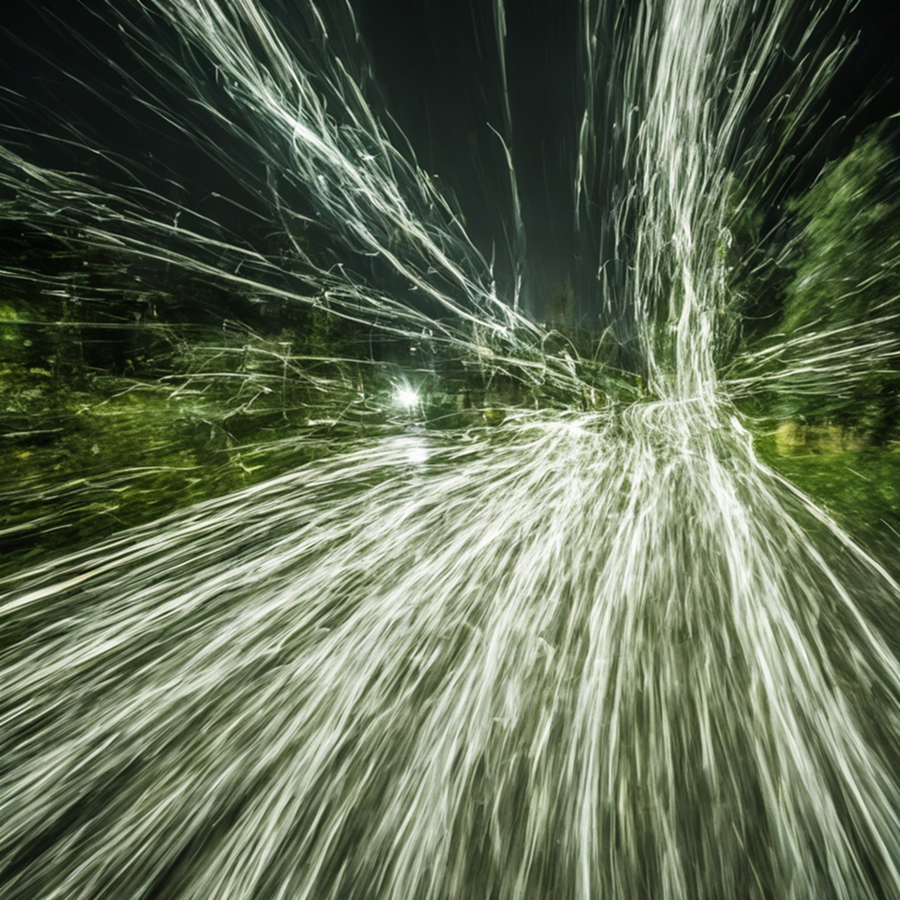
Photo from personal archive / generation
prompt = LIGHTSCAPE style, long exposure light trails in a dark forest, white glowing streaks moving through space, motion blur, light flowing like energy, dynamic perspective, high contrast, raw atmosphere
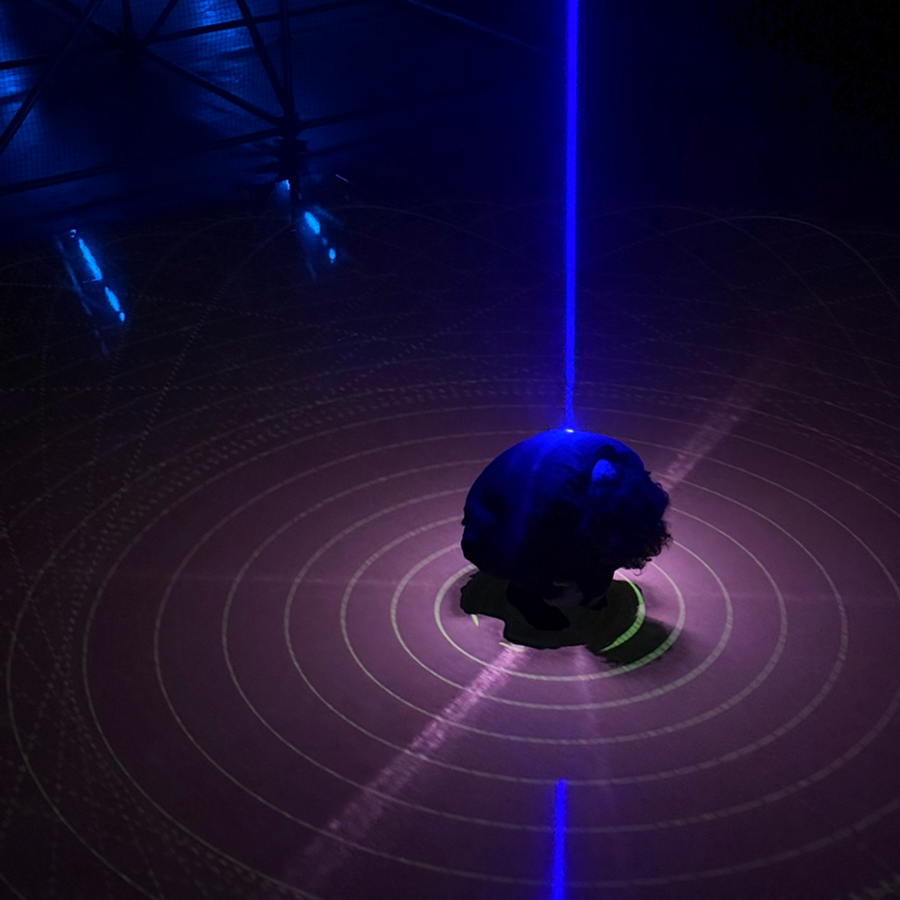
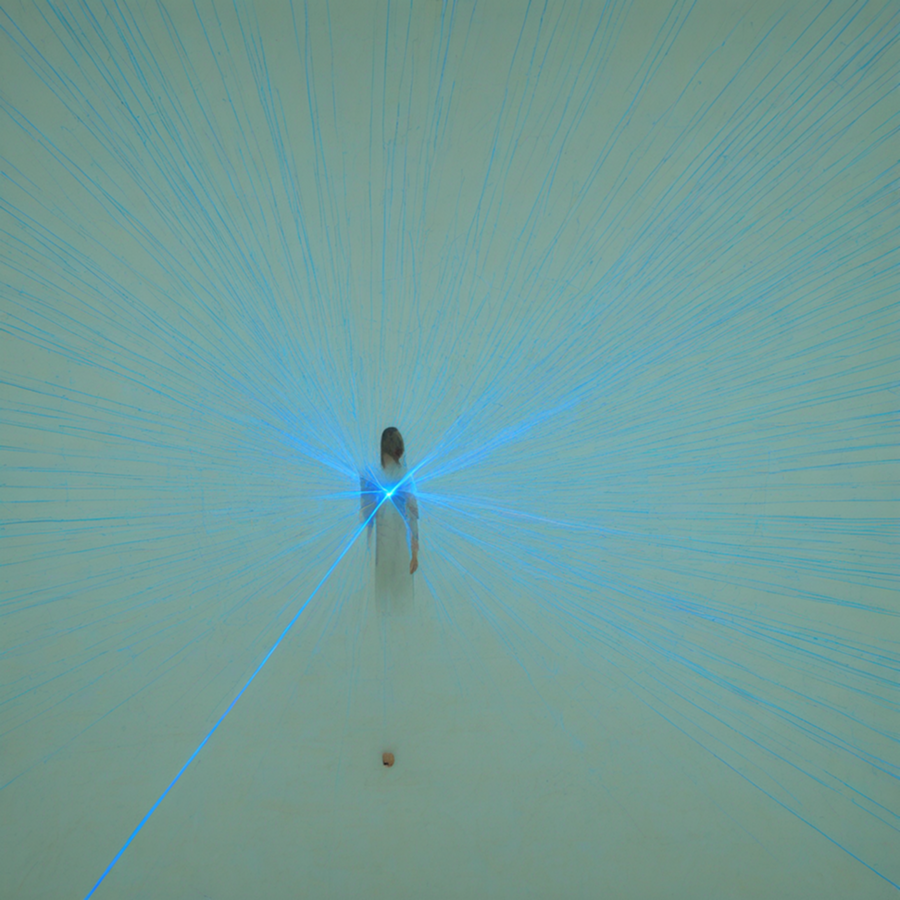
Photo from personal archive / generation
prompt = LIGHTSCAPE style, isolated human figure in an empty space, thin blue laser lines radiating from the center, radial light burst, minimal environment, overexposed glow, quiet tension
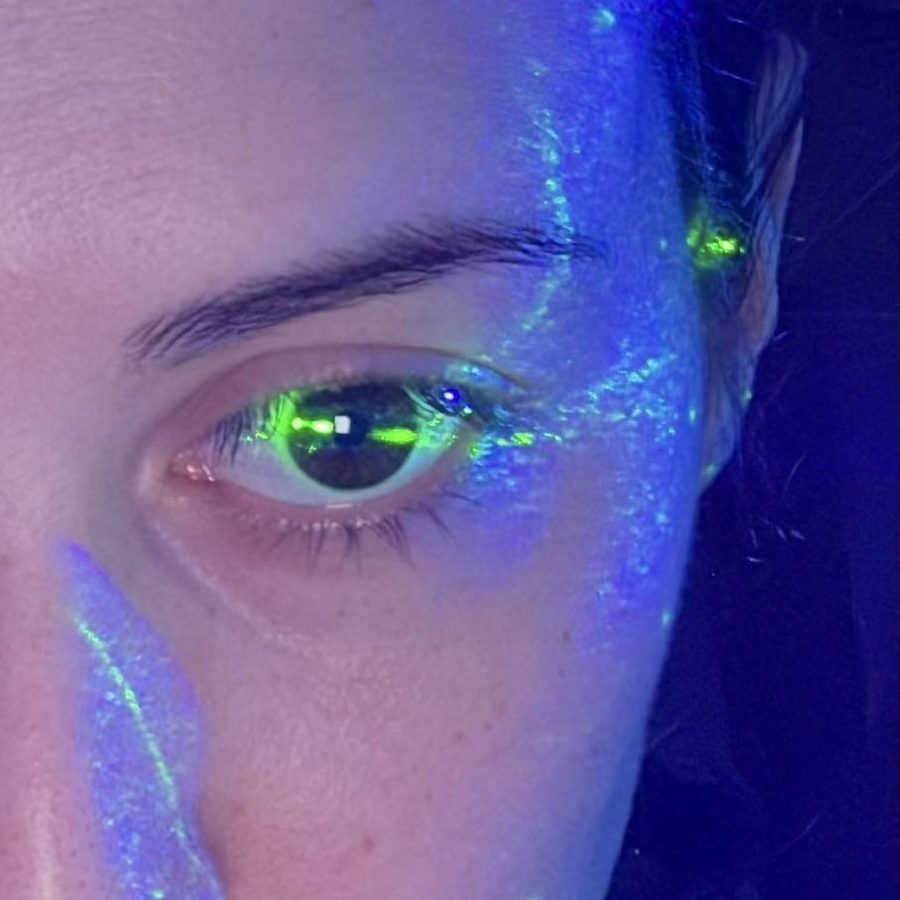
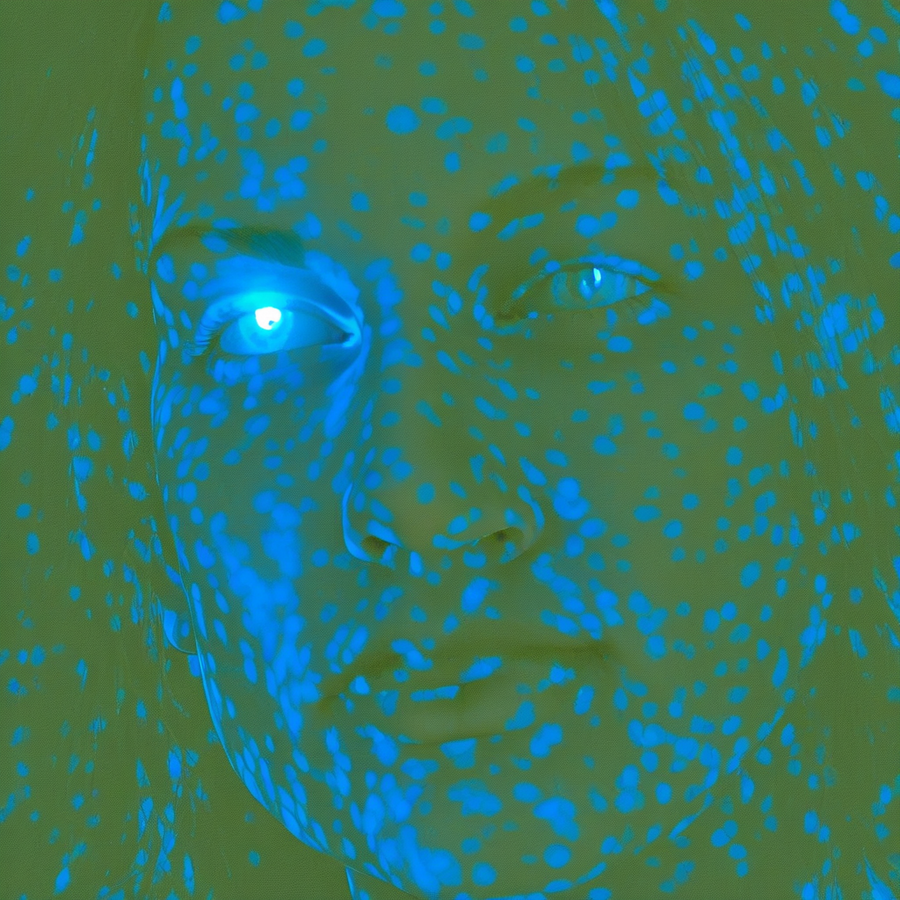
Photo from personal archive / Generation
prompt = LIGHTSCAPE style, extreme close-up of a human eye, laser reflections on wet skin, blue and green light, glossy texture, dark background, intimate framing, soft blur, noise, low exposure
generation with the human figure
Subsequently, I began generating new scenarios: the prompts varied in their level of abstraction, ranging from scenes with human figures to entirely synthetic light compositions, which allowed me to explore how the model transfers learned patterns into novel contexts.
generation of light spots and glare
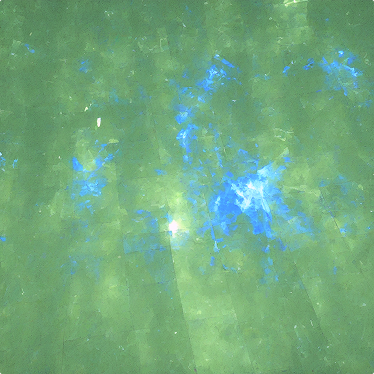
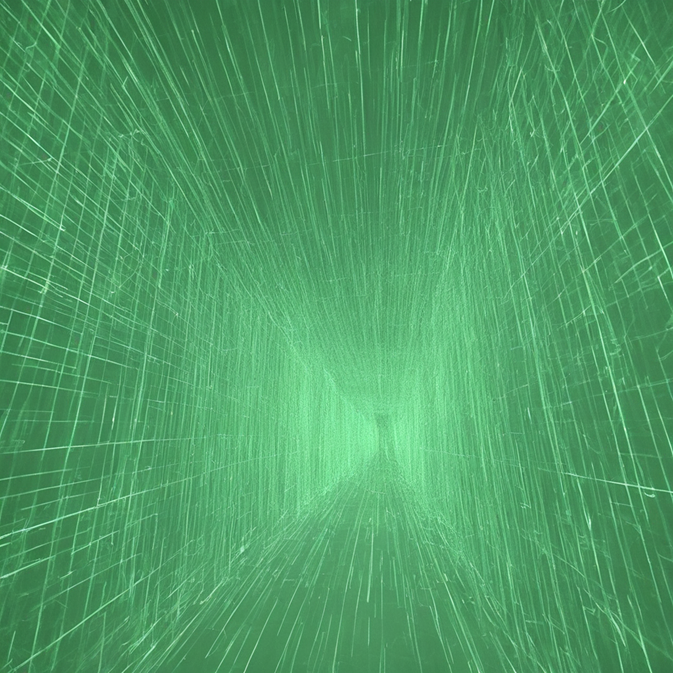
generation of synthetic light compositions
- The contrast between a dark background and bright linear light sources
- A cool-acid palette
- A misty effect, light scattering, and partial loss of sharpness
- A sense of theatricality and installation art
This is arguably one of the main learning outcomes: the model captured not only the individual narratives but also the overall logic of the dataset’s visual language.
generation
Final renderings
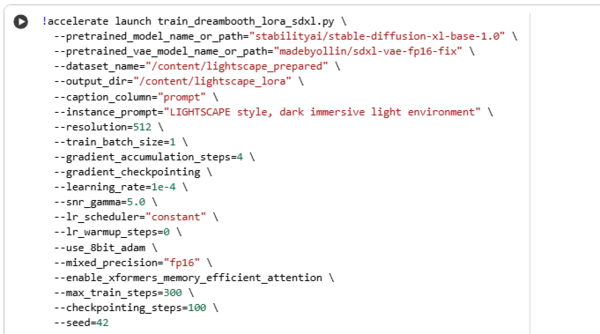
Text prompts were used to generate the final series, defining the overall scene and lighting character. The key element was the implemented style token lightscape, which allowed for the application of a trained visual language.
Final renderings
This series maintains a connection to the original dataset because this type of spatial perception was present in the initial photographs. In many frames, the person or object is not fully visible, but appears as a silhouette, a body fragment, a face, a hand, or a dark figure surrounded by light. This characteristic has also carried over into the generation process: the model successfully absorbed not specific portrait features or everyday details, but the very principle of human presence within a light environment.
Photo from personal archive
generation