General Concept
Game Title, ÀYÀNMỌ́, a Yoruba word connected to destiny and purpose. The universe blends steampunk, African spiritual traditions, the philosophy of fate, and four tribes. The deck contains 27 cards: 16 court cards and 11 Major Arcana. Each card possesses its own symbolism, visual language, and mechanic. The goal of the game is to reach the Temple of Fortune.
MAJOR ARCANA
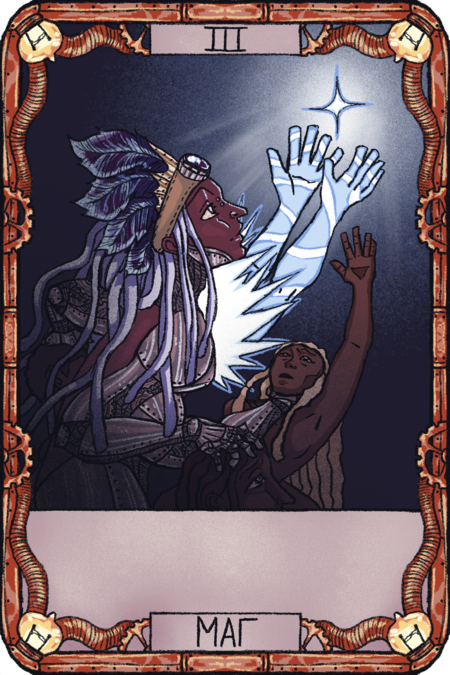
1. Mage: Onímọ̀
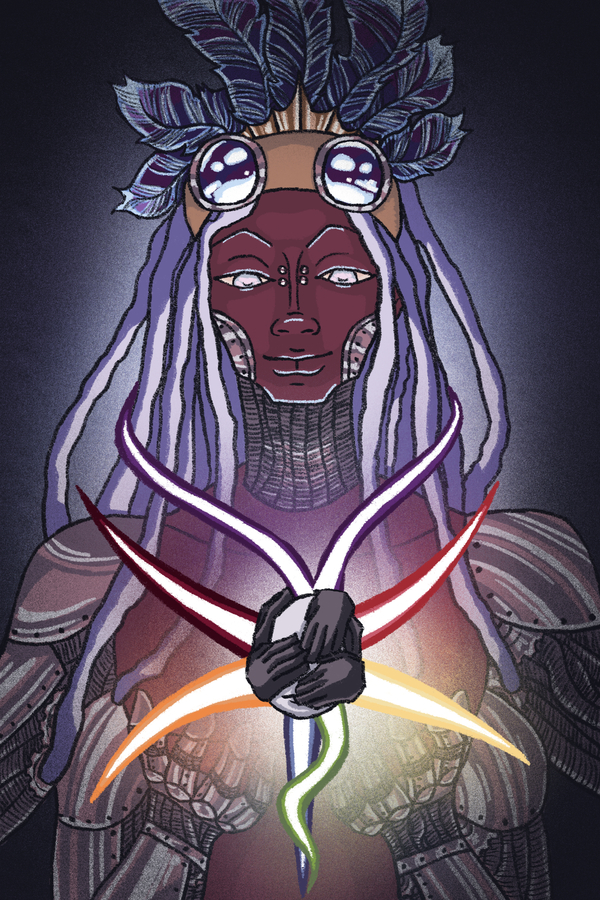
A blind young character with gray dreadlocks reaches for a starry dream. Four mechanical arms are directed toward the floating Egg of Fortune. Multi-colored rays emanate from the egg, symbolizing the seven deadly sins; a violet ray of pride encircles the character’s head. If the desire is sincere, the rays turn white. The iron arms suppress rivals, and blue spiritual arms emerge from the chest.
Image Conflict: material power and ambition versus spiritual aspiration, the risk of being dominated by one’s own ego.
Onímọ̀ («Onimo»): a Yoruba variant of the name «Mage.»
2. Eshu: Èṣù
Eshu is associated with crossroads, uncertainty, cleverness, disruption of order, choice, and its consequences. Eshu is not Satan: in Yoruba tradition, it is a distinct spiritual figure, and equating it to the Christian image of the Devil is inaccurate.
In the game, the character is built around the archetype of temptation, desire, and choice. The key question is: «You are offered exactly what you desire. What are you willing to pay for it?»
Visual associations: crossroads, the Yàngí stone, the ògó staff, cowrie shells, and a combination of red and black.
3. The Egg of Fortune
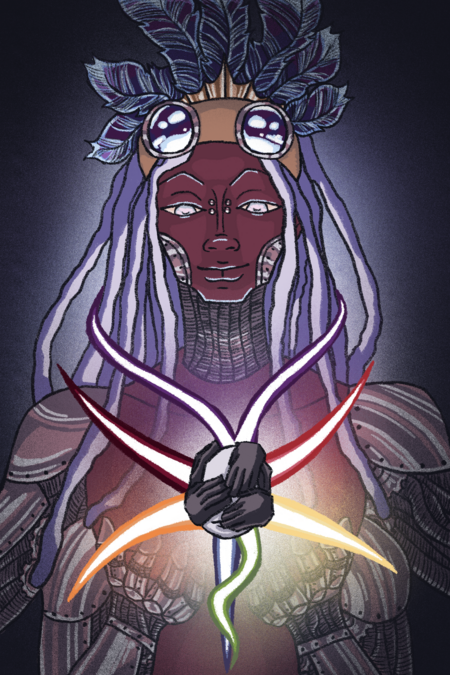
An original card that replaced the Major Arcana card «Judgment.» The Egg grants any wish and serves as the central artifact of the story and the goal of the journey. It is connected to the Magician archetype: the multicolored rays of mortal sins turn white if the wish is sincere.
Names in Yoruba (original composite translations):
Ẹyin Oríire: «egg of luck / fortune»;
Ẹyin Àyànmọ́: «egg of destiny / purpose.»
Four Kingdoms and the Egg of Fortune
In a world inspired by African shamanism, spiritual traditions, and steampunk, there exist four realms. Each has its own philosophy and attitude toward metal—it can protect, create, transform, and destroy.
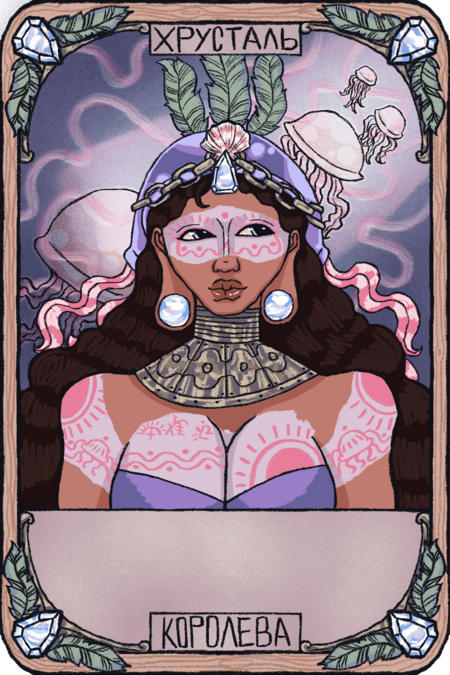
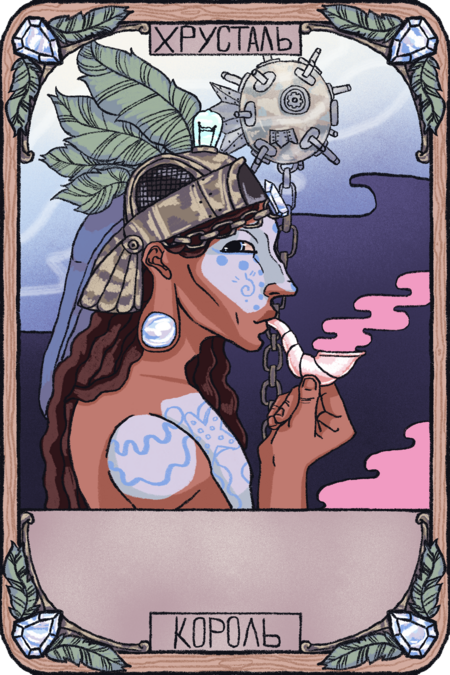
Crystal. A kingdom of sensations and illusory harmony. Its inhabitants seek peace and beauty. The drive to avoid pain can turn into an escape from reality, while beauty may conceal danger. Metal is woven into natural forms and serves as a means of self-expression. Crystal does not attack first, but it is not defenseless.
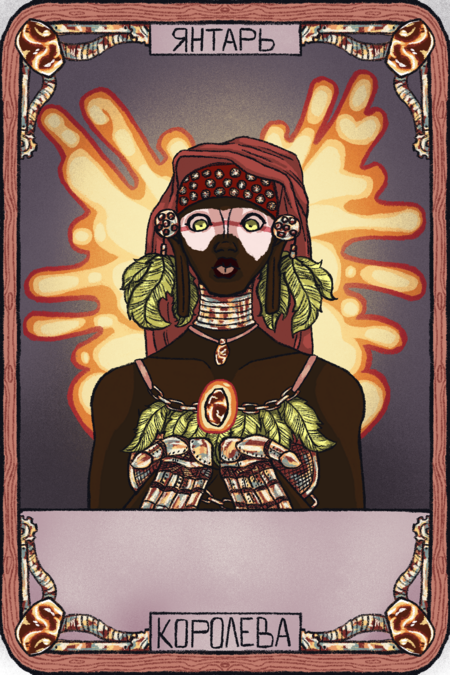
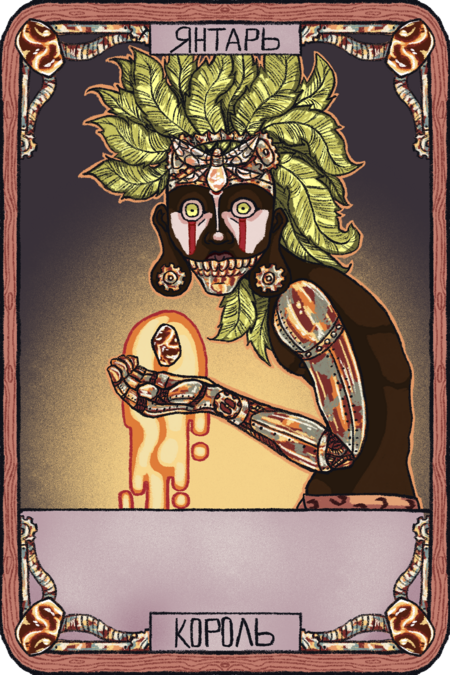
Amber. A kingdom of creation and ambition. Its inhabitants believe they can change the world with their own hands; invention and production help them reach their goals faster than anyone else. For them, metal is the instrument of progress. The cost: safety gives way to results, and labor consumes the individual.
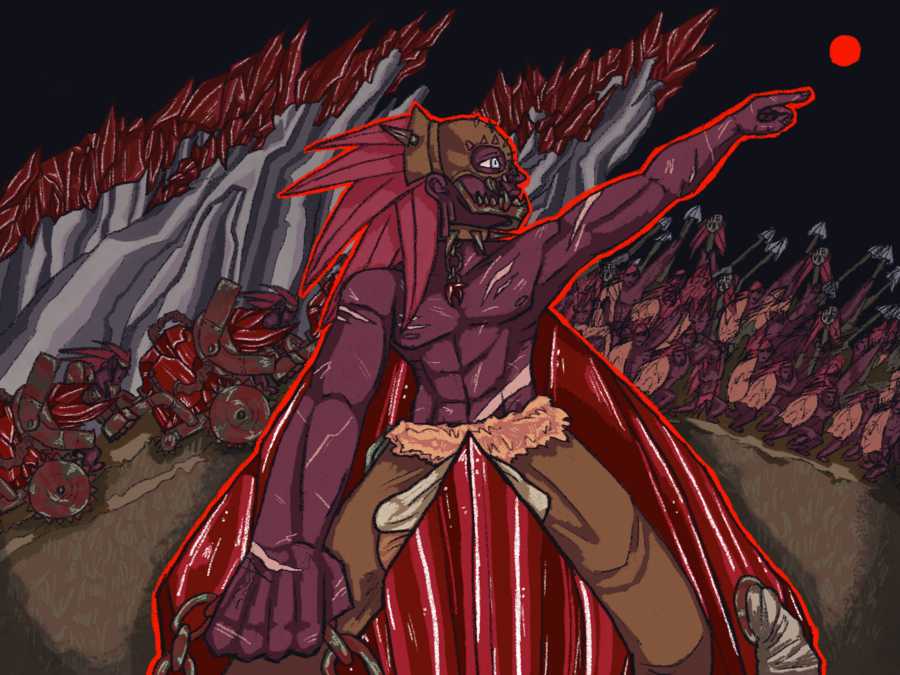
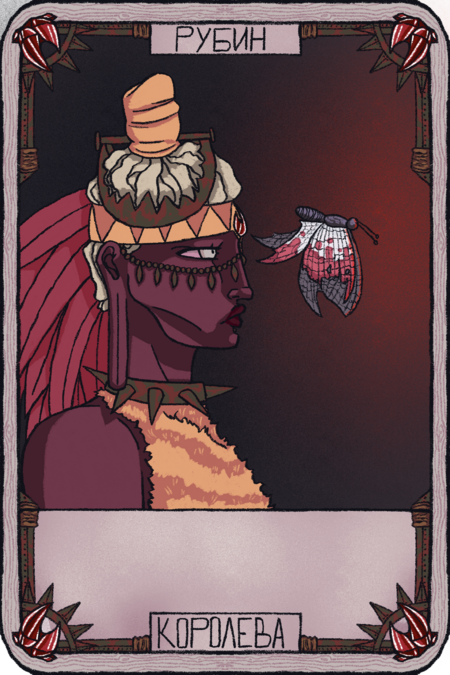
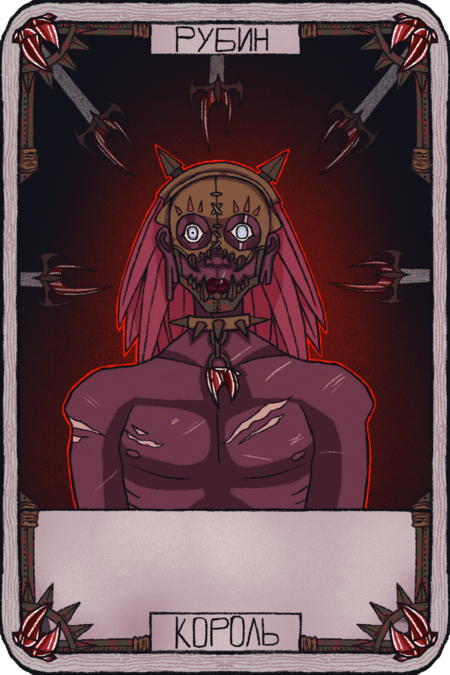
Ruby. The realm of war and discipline. Survival demands strength, endurance, and sacrifice. Rusty metal, weaponry, and worn mechanisms are part of daily life—technology here helps sustain the present rather than promise the future. War dictates order, but it does not erase humanity.
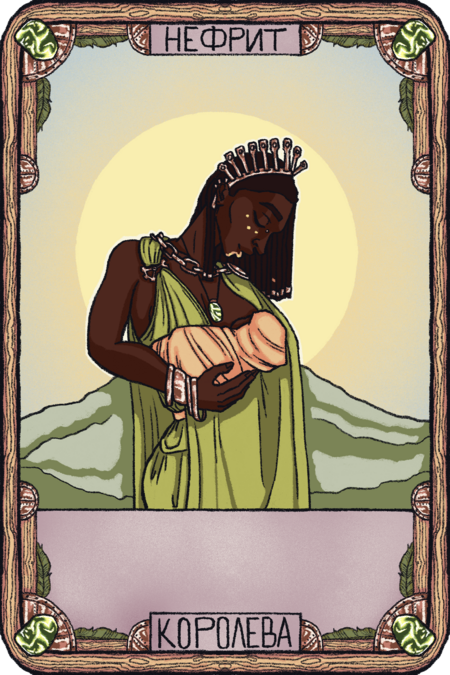
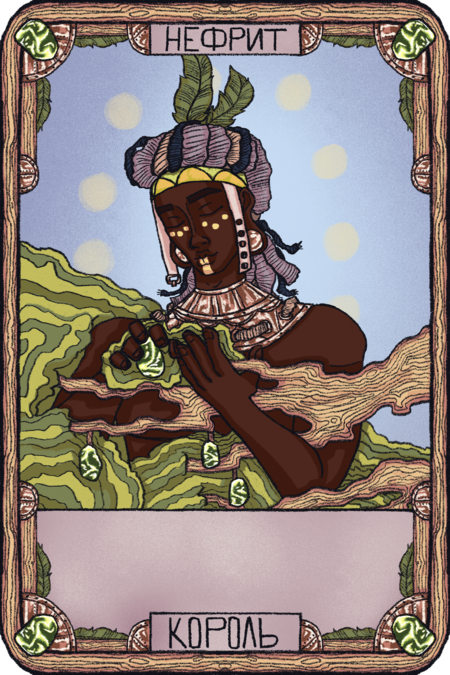
Jadeite. A kingdom of care, craftsmanship, and sustainable development. Resources serve to sustain life and preserve knowledge. Metal should not dominate humanity. Prosthetics, tools, and mechanisms blend with wood and foliage. Jadeite does not reject technology, but it does not make progress an end in itself.
Fortuna stands above all kingdoms, granting the winner’s wish. Her blessing is the warriors' goal, and the rivalry of the kingdoms is the struggle for the right to approach her temple.
The Egg of Fortune, Fortuna’s central symbol: its face is covered by five hands (it cannot hear, see, or speak evil). Colored rays of the seven deadly sins emanate from the egg: desires can lead to greatness, but they can also blind. When Fortuna awakens, the hands open in gestures of blessing.
The egg reflects the paradox of desire: fulfilling a dream does not guarantee happiness. Each kingdom pursues its goal with its own philosophy, and the main question becomes not just what the winner desires, but who they become on the path to that desire.