Introduction


images, advertising company
Liquid Death is an American brand of drinking water and carbonated beverages that, in just a few years, has grown from a niche startup into one of the most recognizable brands in its category. The company was founded in 2017 by Mike Cessario, who had previously worked in advertising and creative communications. The main goal of the project was to change the usual perception of bottled water by creating a bold and memorable brand image.
The brand utilizes a visual aesthetic inspired by punk rock, heavy metal, and alternative culture. The products are sold in aluminum cans designed to resemble energy drink or beer packaging. The communication strategy is built around the slogan «Murder Your Thirst, ” a provocative visual style, and elements of black humor. This approach helped the company stand out in a highly competitive market, where most water producers employ similar visual and semantic solutions.
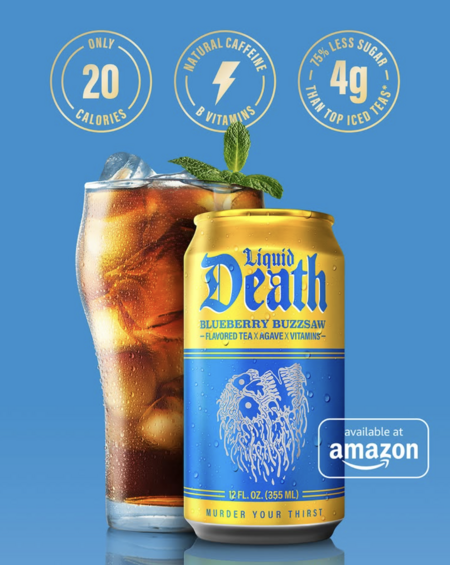
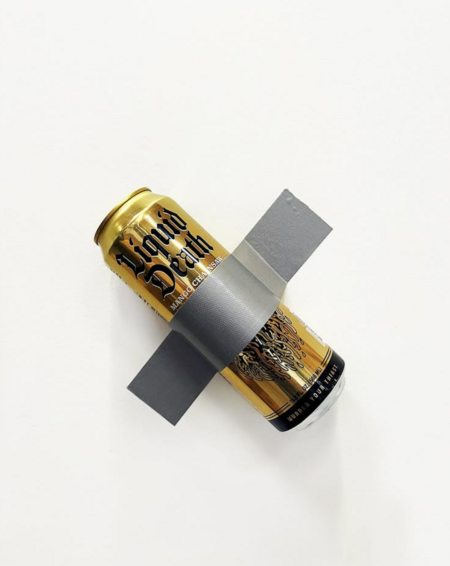
screenshots from Instagram / The organization is banned in the Russian Federation*
The success of Liquid Death is largely connected to the features of its communication strategy. The company actively utilizes digital marketing tools, viral content, storytelling, and modern methods of audience engagement. The brand creates entertaining media content that elicits an emotional reaction from users and encourages discussion on social networks. Much of its advertising material is styled after music videos, horror films, TV commercials for energy drinks, and mass culture content.

An image, official website, liquiddeath.com
An important part of the brand’s positioning is its environmental agenda. The company promotes the use of recyclable aluminum cans and supports initiatives aimed at reducing plastic waste. Environmental messages are integrated into the overall communication strategy and form part of the brand identity.
Communication Channels
Liquid Death’s communication strategy is primarily implemented in the digital environment. The main platforms for audience interaction are social media, video platforms, and the company’s official website. Each channel plays a distinct role in shaping the brand image and maintaining consumer contact.
Social Media
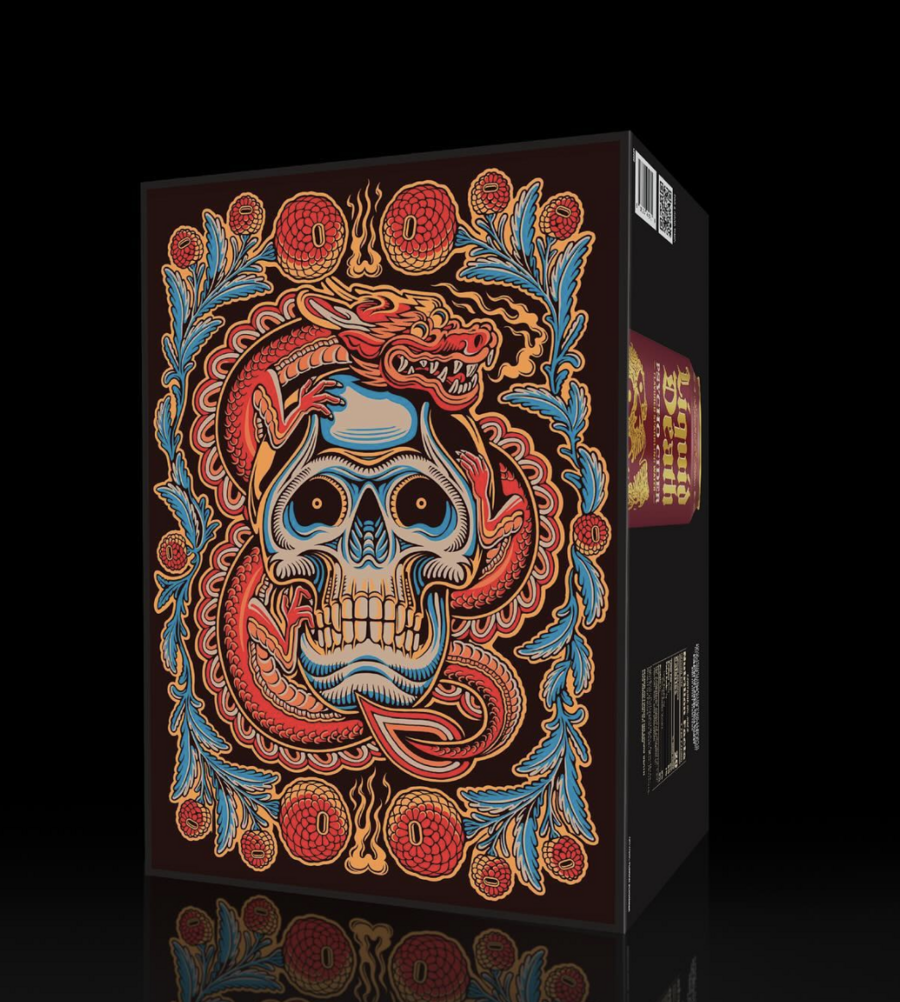
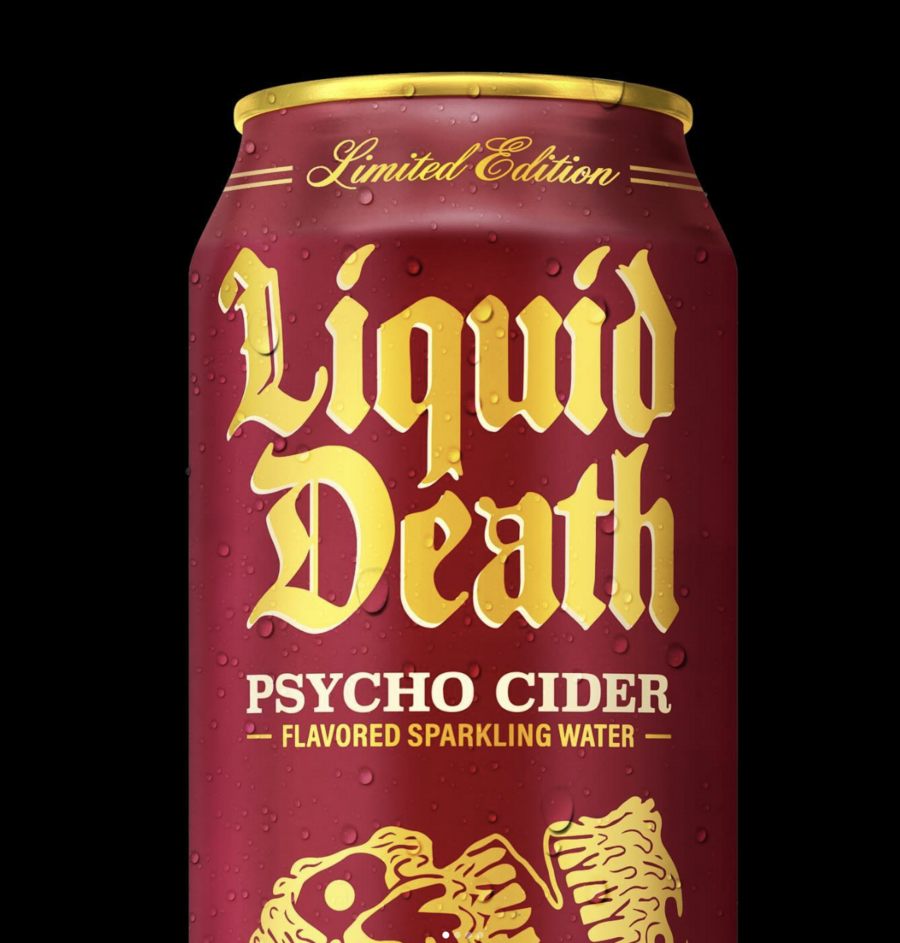
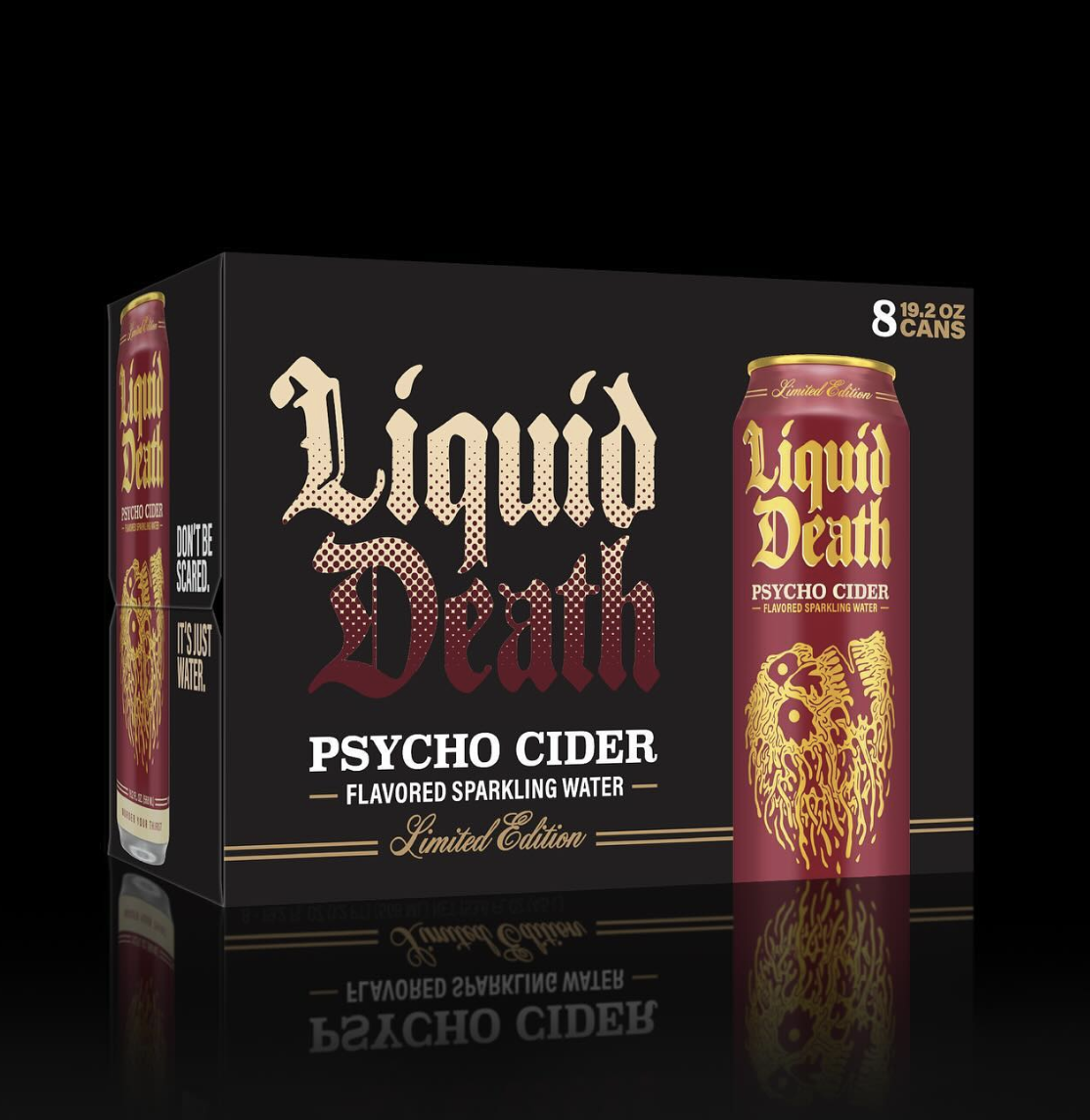
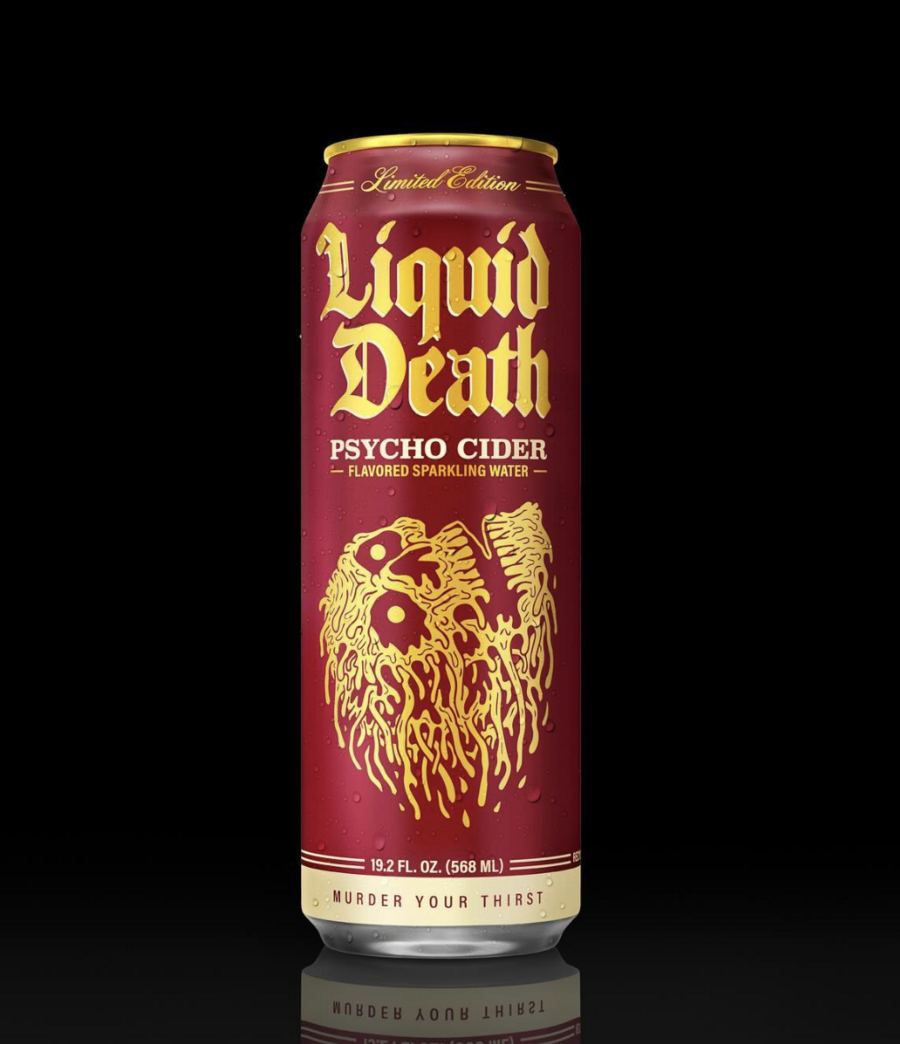
screenshots from Instagram / The organization is banned in the territory of the Russian Federation*
Official website The company’s website functions as an online store, an information resource, and a brand platform. The site presents information regarding products, brand history, environmental initiatives, advertising projects, and brand attributes. The visual design aligns with the company’s overall communication strategy, supporting a cohesive brand image.
Instagram This is one of the brand’s primary platforms. The account publishes product photography, memes, advertising campaigns, collaborations with celebrities, and user-generated content. All posts adhere to a single visual style rooted in rock culture, grotesque aesthetics, and irony. This channel helps solidify the brand’s visual identity and maintain consistent engagement with its audience.
TikTok Here, the company posts short-form videos designed for rapid virality and high user engagement. The content draws from humor, current trends, unusual storytelling, and viral mechanics. The platform allows the brand to attract a younger demographic and increase the organic reach of its posts.
YouTube This platform is utilized for full-length promotional videos, special projects, and branded content. Many videos are created as parodies or stylized interpretations of popular mass culture genres. Through this channel, the brand fosters an emotional connection with its audience and develops its own narrative.
Facebook This social network played a crucial role in the company’s early development. The brand’s first viral advertising video was disseminated through this platform. Currently, Facebook is used to publish company news, announce advertising campaigns, and interact with older audience segments.
PR Strategies
Liquid Death’s communication strategy leverages digital rhetoric, visual communication, and storytelling principles. The brand actively engages with the audience’s emotional responses, employs a recognizable aesthetic, and creates content optimized for social media sharing.
From the perspective of Walter Fisher’s narrative paradigm, the brand constructs a comprehensive story centered on individuality, an ironic stance toward mass culture, and a rejection of conventional advertising tropes. The audience gains the opportunity to align themselves with a specific lifestyle and value system.
Users engage with Liquid Death content for entertainment, emotional resonance, participation in internet culture, and connection with a community of like-minded individuals. Viral content, a consistent visual strategy, an active social media presence, and a clearly defined brand identity and media outreach are instrumental in generating social engagement, sustaining audience interest in the company, and establishing high brand recognition.
Theoretical Framework
Elaboration Likelihood Model / ELM
The Elaboration Likelihood Model (ELM) is a persuasion theory developed by Richard Petty and John Cacioppo. It explains how people receive messages and why some arguments lead to changes in opinion, while others only have a short-term effect.
According to ELM, there are two main routes of information processing:
Central route — a person analyzes the message content, evaluates the arguments, and compares them with their own knowledge. This way of processing requires high motivation and interest in the topic.
Peripheral route — a person focuses on external cues, such as the source’s authority, the speaker’s attractiveness, emotional impact, or the popularity of an opinion. There is no deep immersion in the topic.
The choice of route depends on two factors: a person’s motivation to consider the information and their ability to understand and analyze it. If both factors are high, the central route is used more often; if they are low, the peripheral route is used.
The key feature of the model is that different methods of persuasion yield different outcomes. Opinion change achieved through the central route is usually more stable and has a stronger impact on subsequent behavior. Change achieved through the peripheral route is often temporary and can easily shift under the influence of new messages.
Thus, ELM demonstrates that communication efficacy depends on how prepared and capable the audience is of processing it deeply.
Dialogic Theory
Dialogic theory of communication posits that effective communication is built not merely on transferring information or persuading an audience, but on dialogue, mutual understanding, and the development of relationships among participants. The theory places the co-creation of meaning and the pursuit of mutual understanding at its core.
According to M. Kent and M. Taylor, dialogic theory is based on the following principles:
Mutuality — the recognition of equality between participants in communication and a willingness to cooperate.
Propinquity — active participation in discussions of current issues and the timely exchange of opinions.
Empathy — respecting another person’s perspective and striving to understand their viewpoint.
Risk/Trust — an openness to unexpected opinions and a willingness to be vulnerable throughout the communication process.
Commitment — the desire to sustain an honest and long-term interaction.
Communication is inherently a continuous process of interaction, and dialogic theory posits that participants do more than just exchange messages—they actively construct an understanding of the situation.
The dialogic theory of communication explains that successful interaction occurs when both parties listen to one another, collaborate on solutions, and build trusting relationships.
Analysis
Liquid Death’s logo community
ELM // 1
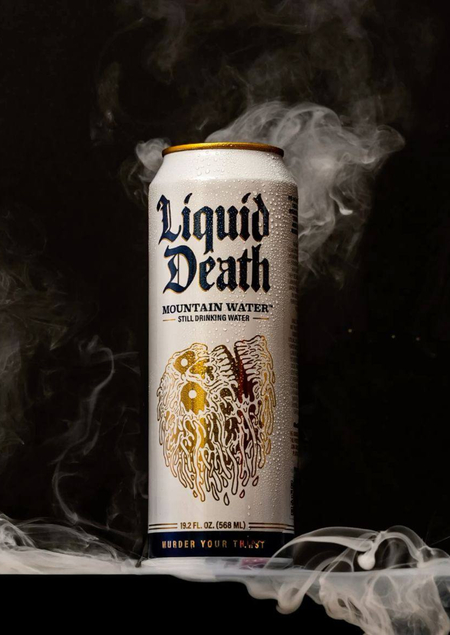
Liquid Death’s communication primarily employs the peripheral route of persuasion. Even though the brand sells ordinary water, it utilizes an unconventional and provocative image. This is evident in the product packaging: a skull on the can, the name Liquid Death, and the slogan, «Murder Your Thirst.» These elements immediately grab attention and make the brand stand out among other water producers. The consumer first responds to the unusual design and emotional appeal, rather than the product’s inherent characteristics.
The same approach is employed in the brand’s advertising campaigns. Liquid Death regularly releases absurd and humorous content that reads more like entertainment videos than water advertisements. For instance, the brand has launched campaigns featuring unusual product names and witty services for its users. Humor aids memorability and cultivates positive emotions, which falls under the peripheral route of persuasion.
On social media, the company maintains this strategy. Posts and videos rarely contain information about the water’s composition or properties. Instead, the audience encounters memes, jokes, and provocative content. Consequently, users remember the brand as unconventional and engaging, even if they aren’t actively considering the product itself.
A separate element is the brand’s tone of voice when communicating with its audience. Liquid Death frequently responds to follower comments with humor and self-deprecation, sometimes even incorporating negative reviews into its marketing efforts. This cultivates an image of a brand with a strong personality and strengthens the emotional bond with its audience.
Simultaneously, elements of the central route are present in the communication. For example, the brand actively promotes the notion of rejecting plastic bottles and stresses the use of aluminum cans, which are easier to recycle. For a segment of the audience, environmental arguments become a rational justification for choosing this product.