Navigation
[1] Concept [2] The History of the Labyrinth in Art [3] The Labyrinth in Mythology [3.1] The Myth of Theseus and the Minotaur [3.2] Ariadne’s Thread and the Search for an Exit [3.3] Labyrinths in Ancient Art [4] The Labyrinth in Architecture [4.1] Labyrinths in Medieval Manuscripts [4.2] Floor Labyrinths in Gothic Cathedrals [4.3] Renaissance and Baroque Garden Labyrinths [5] The Labyrinth in Graphics [5.1] Labyrinths in Engravings and Print Media [5.2] Puzzle Labyrinths [5.3] The Labyrinth as an Artistic Composition [6] The Labyrinth in Contemporary Art and Design [6.1] The Labyrinth in Contemporary Art [6.2] Urban Spaces and Navigation [6.3] Subway Maps and the Reimagining of the Labyrinth [7] Conclusion: The Eternal Search for a Path [8] Bibliography [9] Image Sources
Description
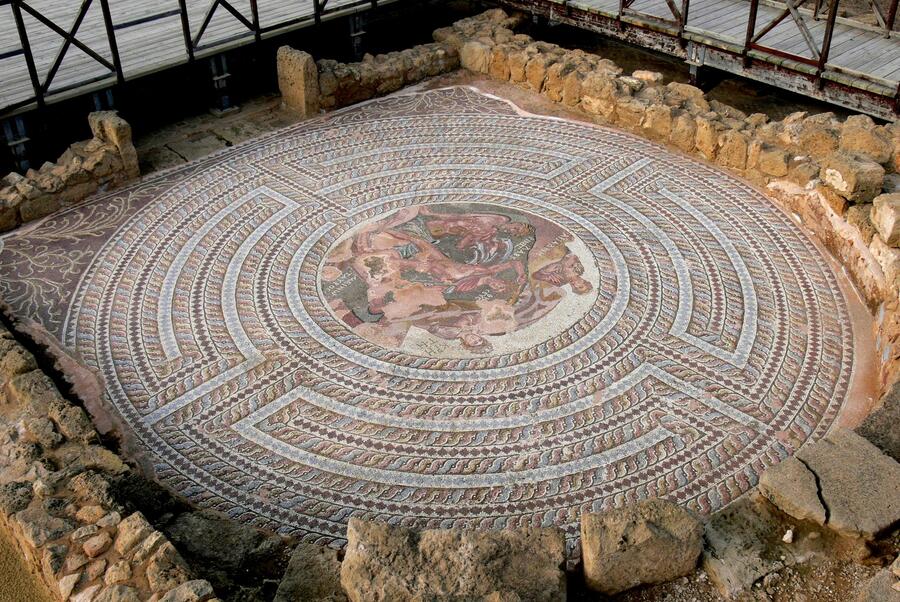
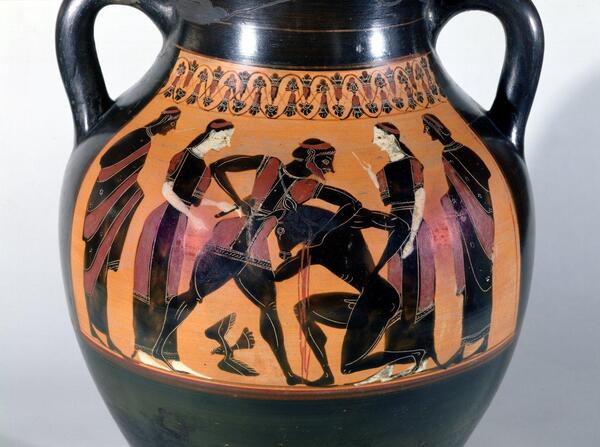
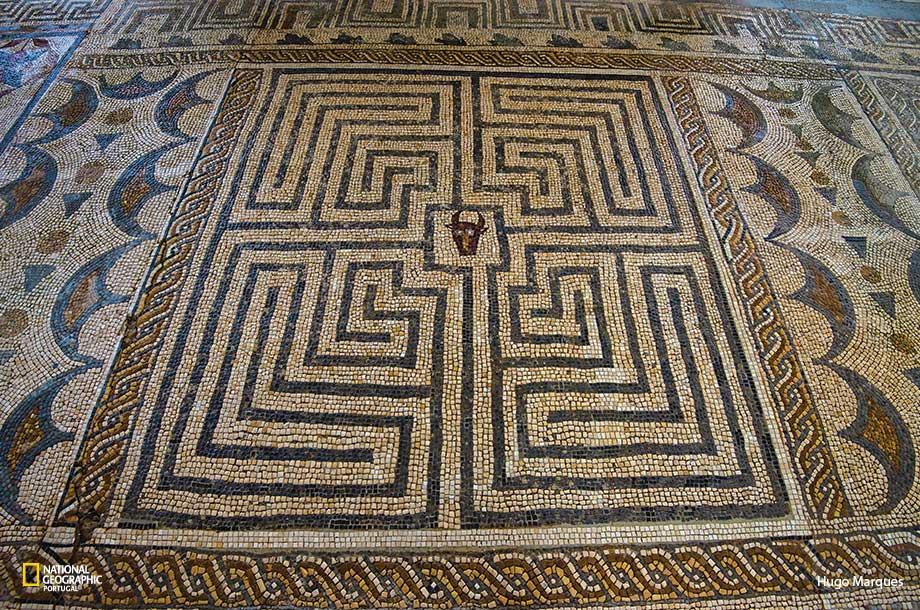
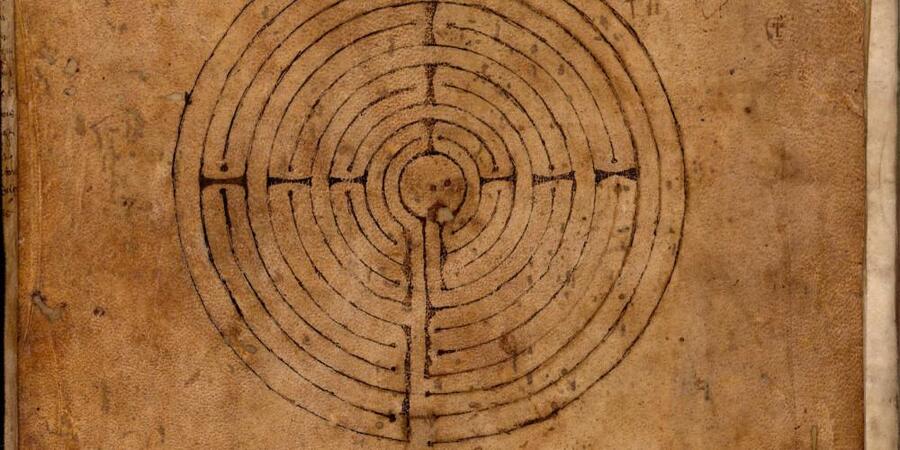
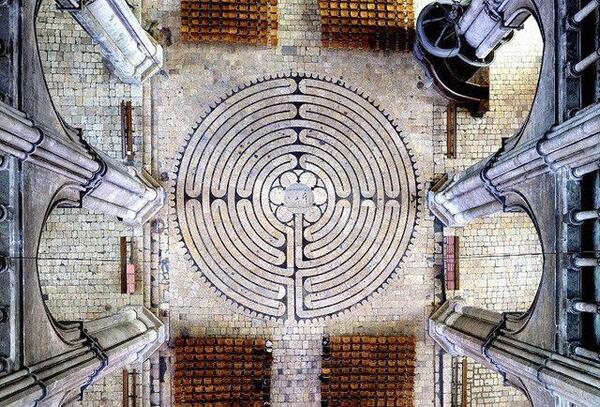
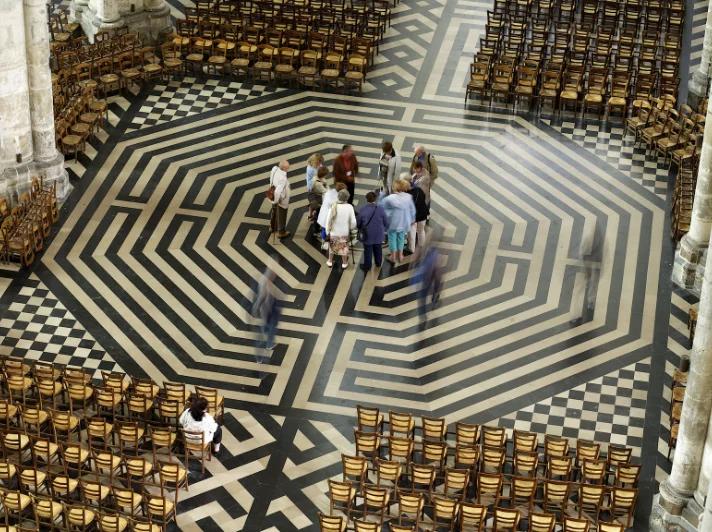
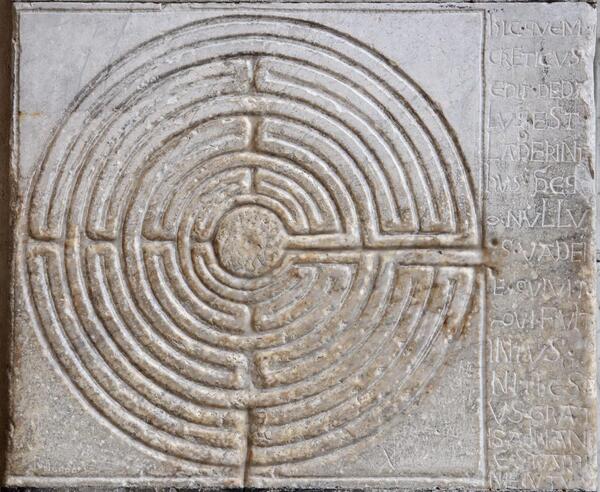
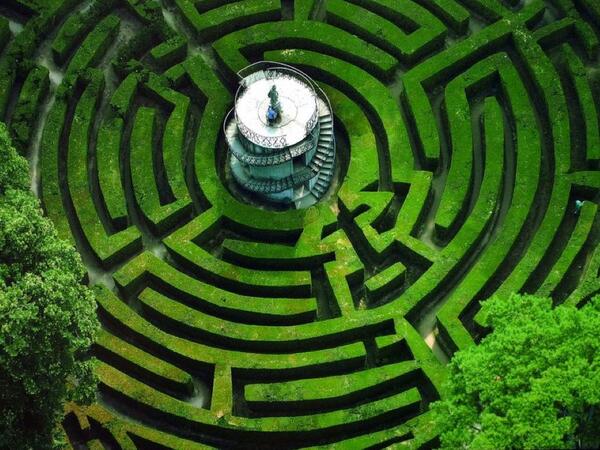
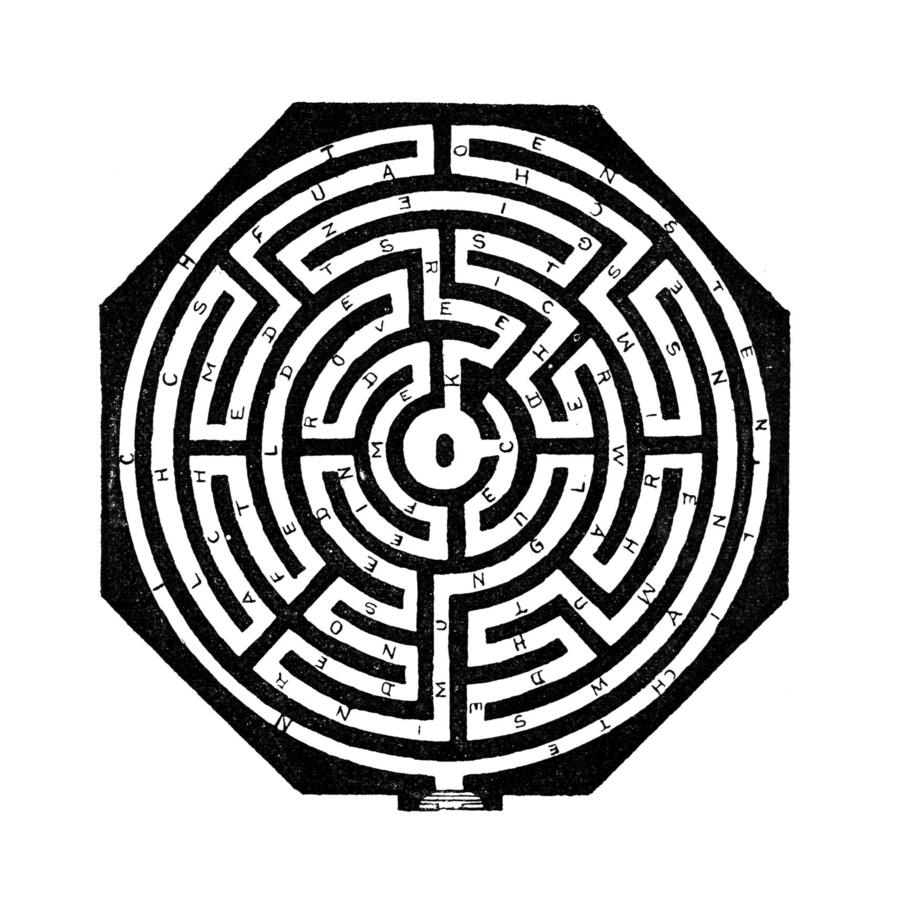
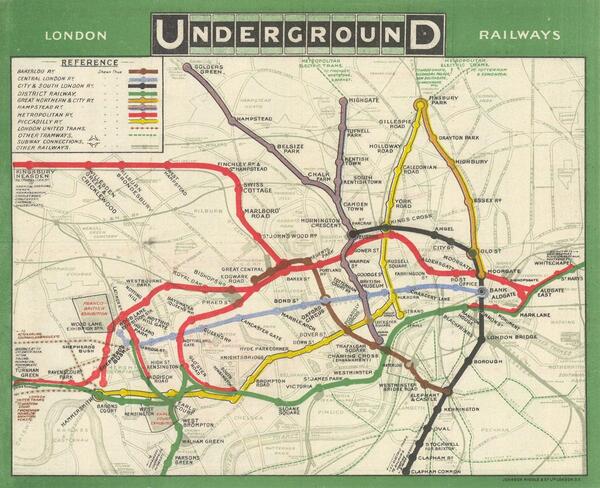
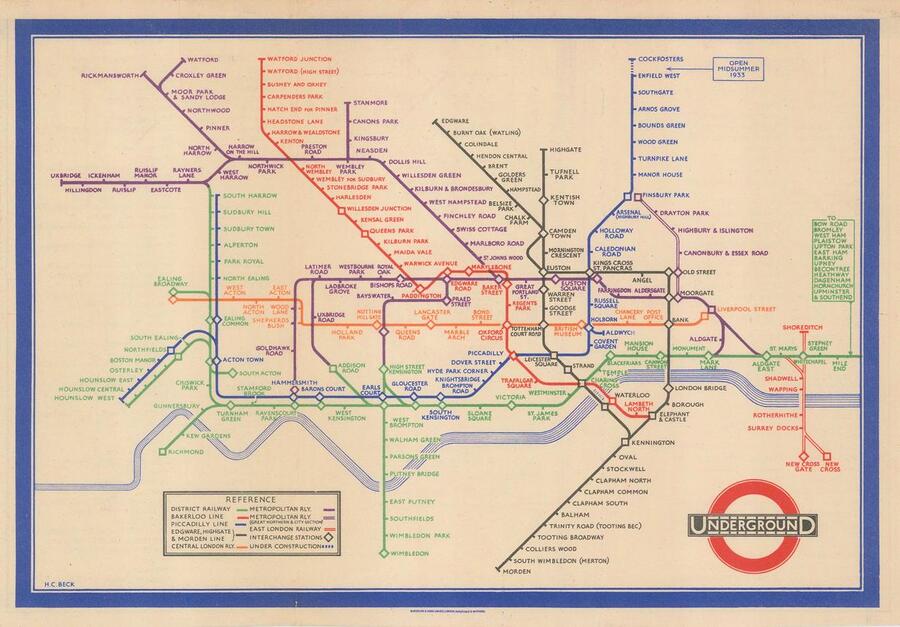
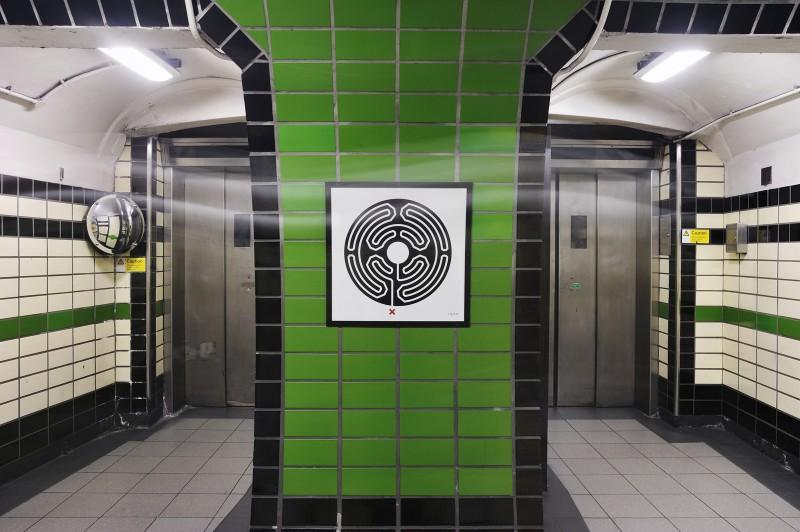
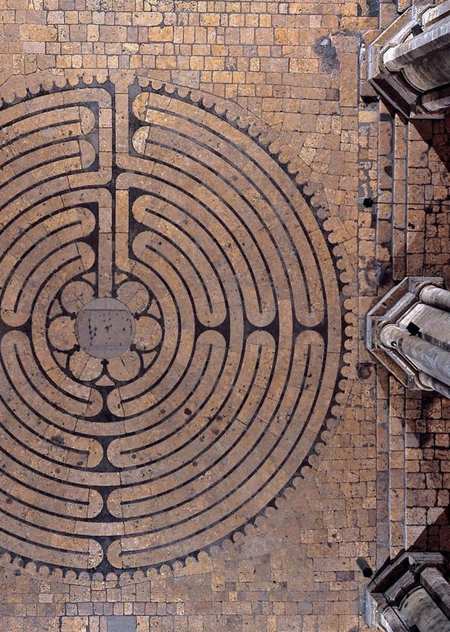
The research investigates the motif of the labyrinth across different artistic eras—from ancient mythology to contemporary artistic practices and graphic design. Despite shifts in form and function, the labyrinth continues to symbolize a complex journey, the search for an exit, and the overcoming of obstacles. In antiquity, it is linked to the myth of Theseus and the Minotaur; during the Middle Ages, it evolves into a symbol of the spiritual path; and in Renaissance and Baroque gardens, it transforms into a space of choice and recreation. Later, the labyrinth appears in printmaking, puzzles, and modern art. Particular attention is given to the visual connection between the labyrinth and urban navigation schemes and subway systems. This study demonstrates how one ancient motif is reinterpreted in diverse contexts while retaining its core idea—the search for a way.