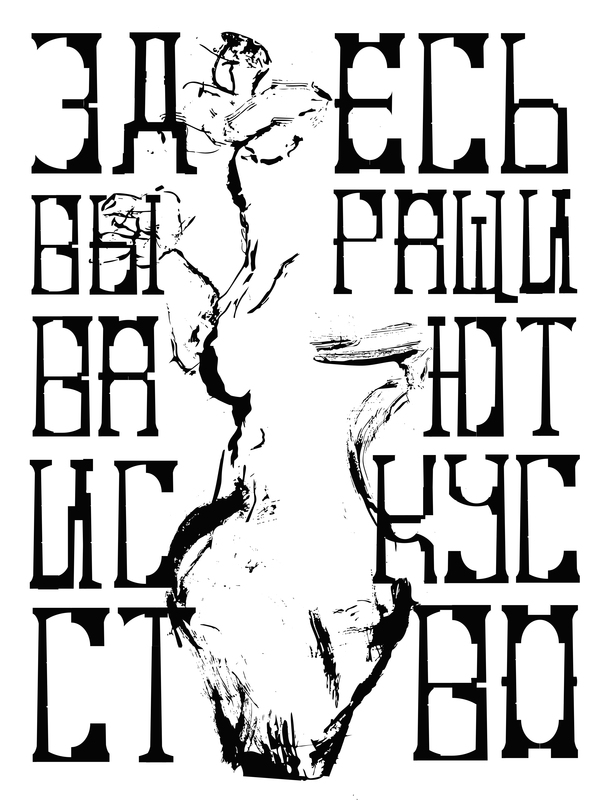

A typical greenhouse grows flowers. Ours grows art.
The idea is that this space creates art itself—just as nature creates a plant. Art here appears naturally—it sprouts through the architecture like grass through pavement. The territory itself participates in this. Walls, columns, foundation—everything becomes soil. The images are semi-abstract. All forms are intentionally unfinished. These are not finished pictures, but moments of growth—a process you are witnessing right now. They are created spontaneously—as if nature itself guided the artist’s hand. In some parts, you can see a plant that simultaneously resembles an architectural object. In others, you see an object that could be mistaken for a plant. You cannot say precisely what you are looking at. This is intentional: nature and art merge into a single image, showing the process of creation.
The contemporary greenhouse is built on a confluence of architecture, nature, and history. Our hybrid images are the manifestation of this duality.
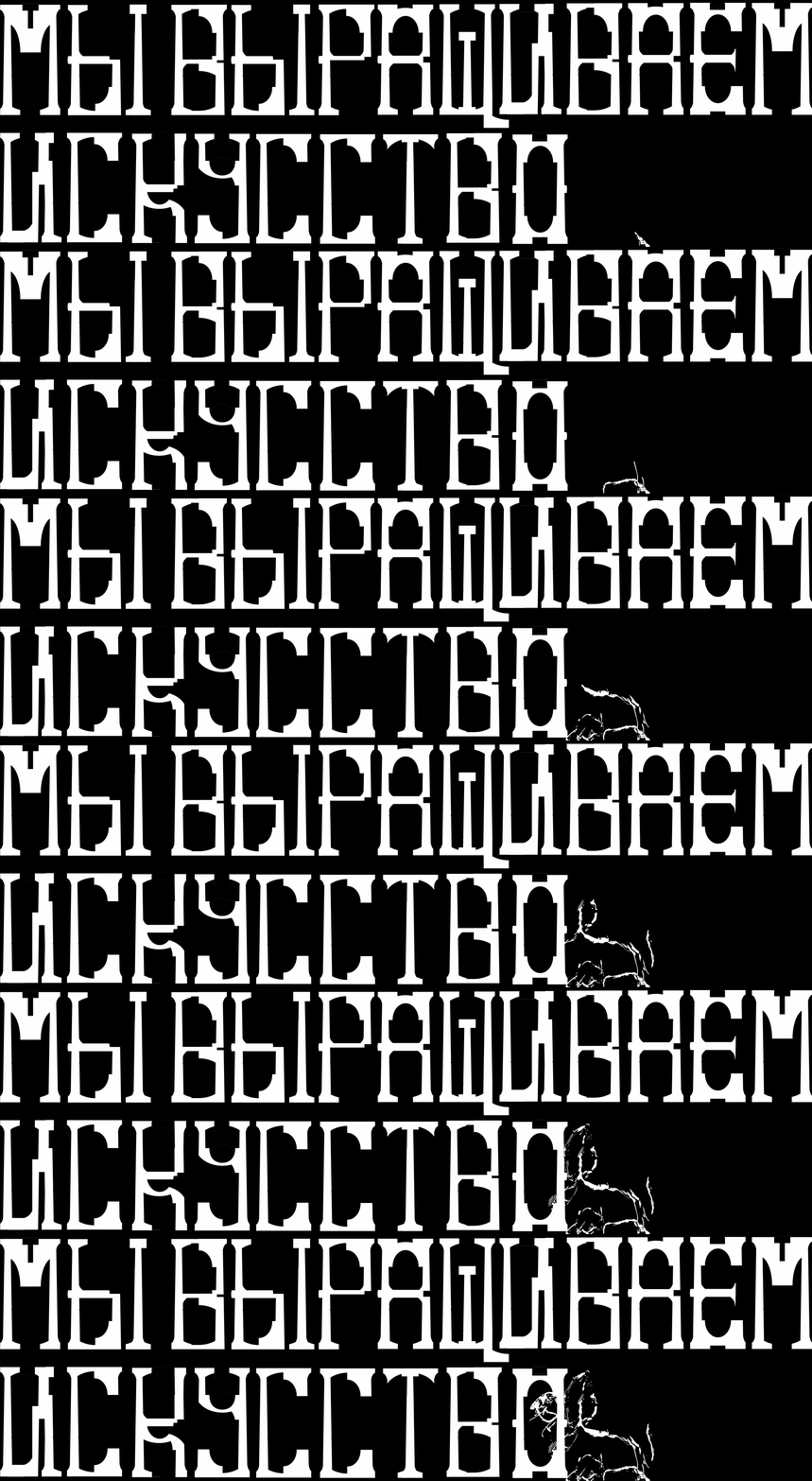
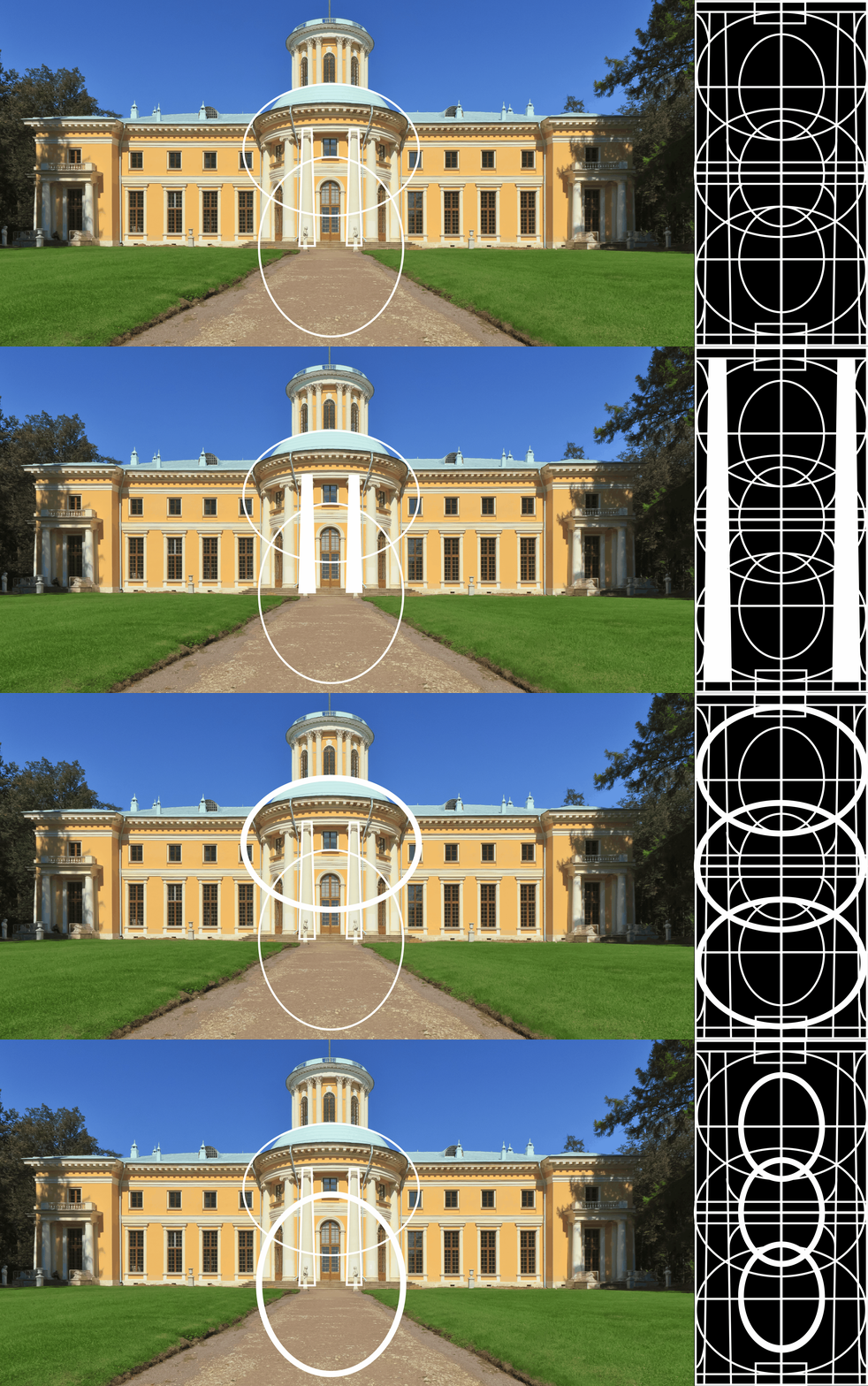
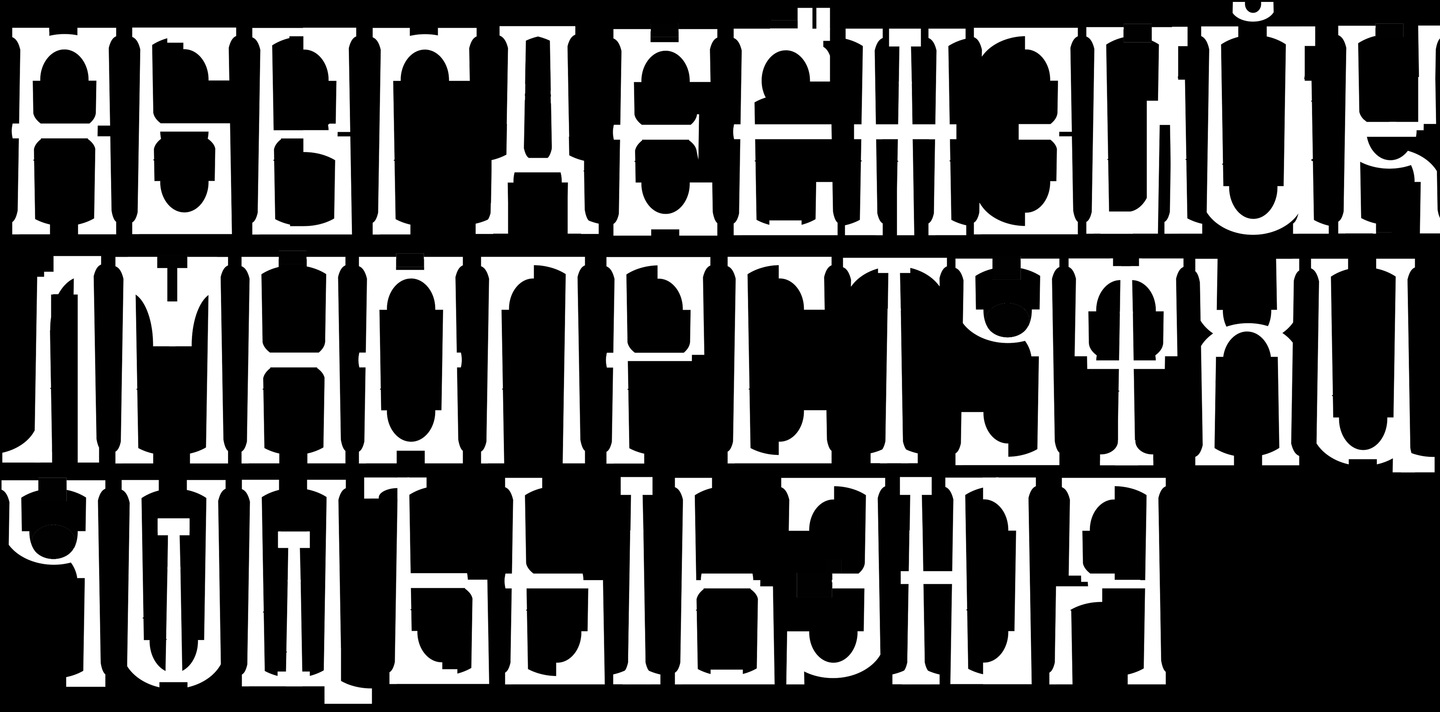
The modular font grid is based on the proportions of the Rotunda: the verticals (columns) form the primary letter stems, the baseline defines the width and stability, and the dome characterizes the serifs and curves. The architectural forms of the Yusupov Palace serve as a bridge between eras—so we aim to convey not just a style, but the very history of the place captured in every letter.
Simplifying the logo serves a conceptual purpose: replacing botanical code with spatial code. The object is positioned not as a place where plants live, but as an architectural stage where the interaction between human and art unfolds.