Brief Concept
The project is a cultural complex featuring an art residency in Staraya Ladoga—the successor to the Artists' House of Creativity, which operated here from the 1960s to the 1980s. The complex integrates four functions into a single annual cycle. In the spring and fall, artists reside and work at the residency. Following each session, their work is exhibited in a gallery open year-round. The hotel and restaurant host guests all year long, and their revenue supports the creative program. This results in a self-sustaining model: culture generates a flow of visitors, and visitors sustain the culture.
Location
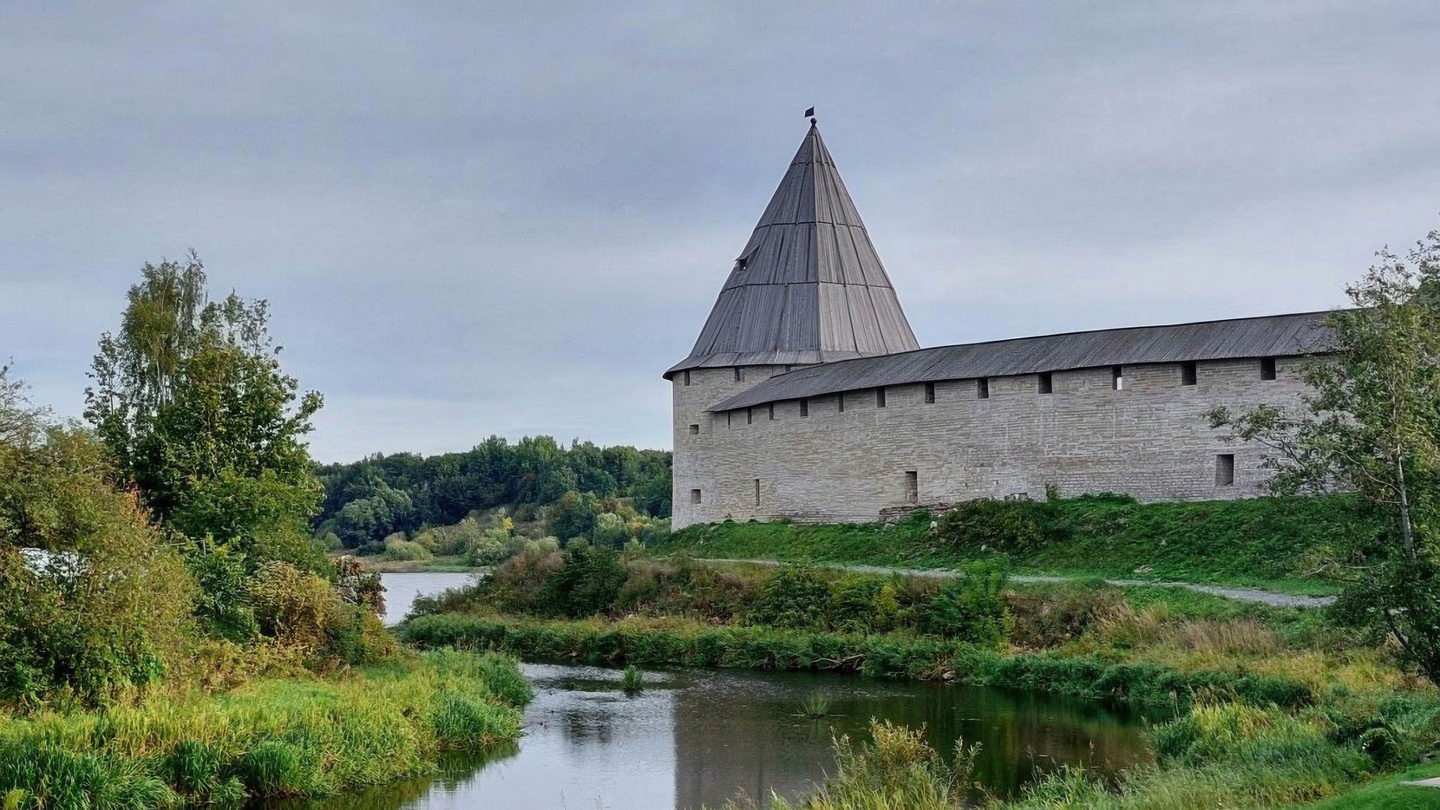
The complex is located on the eastern bank of the Volkhov River, directly opposite the historic Old Ladoga—the first capital of Rus'. The site spans 10 hectares, offering panoramic views of the fortress and the Uspensky Monastery. It is approximately 130 kilometers from central St. Petersburg, which is a two-hour drive or bus ride via the Murmansk Highway. During the summer, the complex is accessible by water.
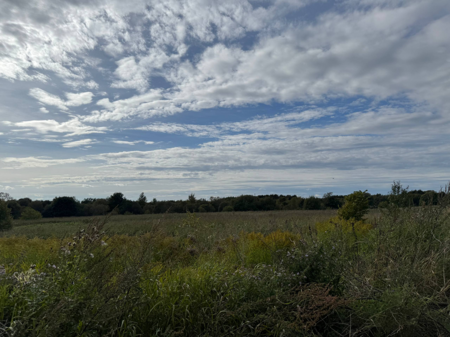
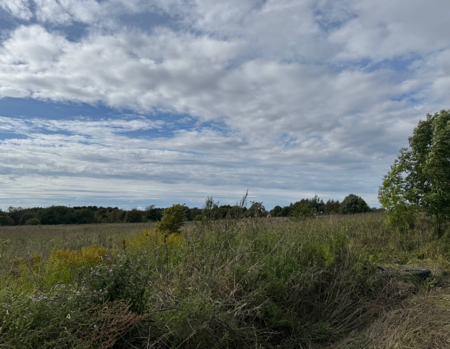
The proposed territory is currently
Historical Context
In the 19th century, the patron Alexei Tomilov assembled a collection of six thousand works at his estate, «Uspenskoye,» in Staraya Ladoga, laying the foundation for Ladoga as a creative hub. In the early 20th century, Nikolai Rerikh, who created the cycle «Beginning of Rus',» and Boris Kustodiyev, who painted «The Nun,» worked here. Nearby, the realist painter Vasily Maksimov was born and buried, but there is still no monument to him. During the Soviet era, the House of Creativity operated on this bank, serving as one of the centers of artistic life in Leningrad. It disappeared in the 1990s. This project returns the site to where it historically belongs.
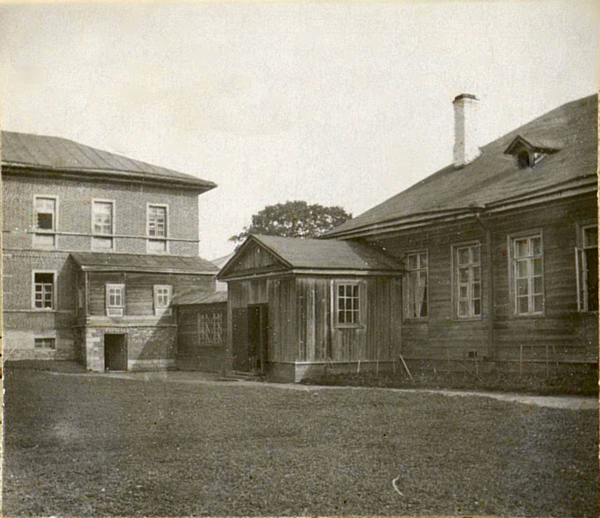
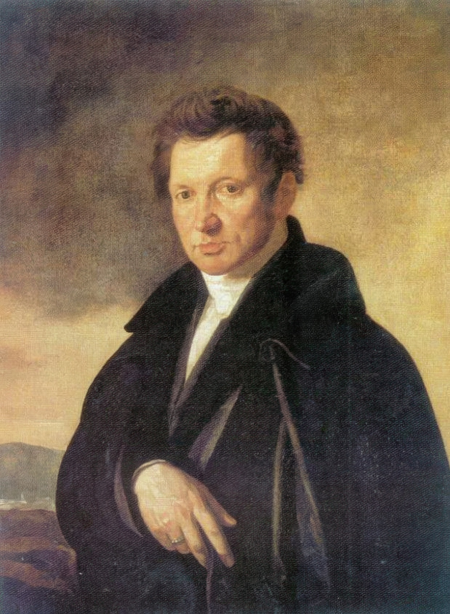
1/ Uspenskoye Estate, 2/ A. Tomilov
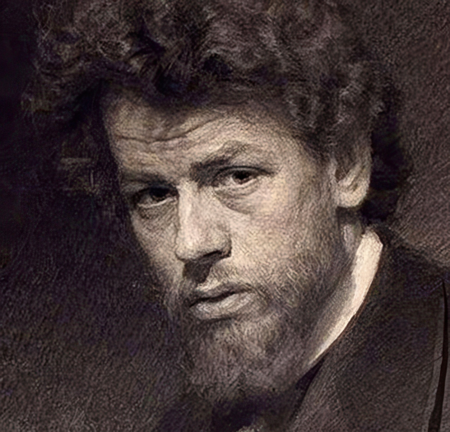
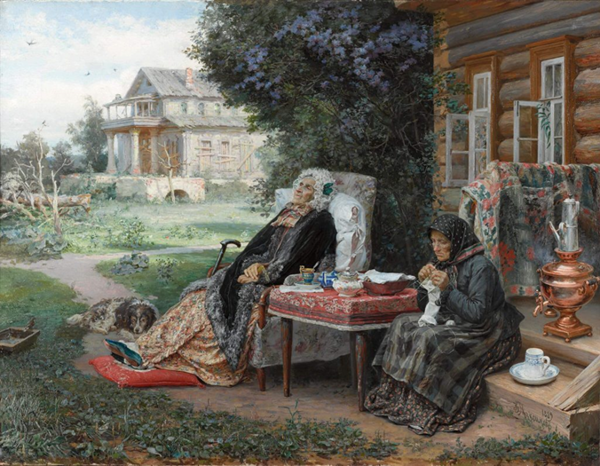
1/ V. M. Maksimov, 2/ «All in the Past» V. A. Maksimov (1889)
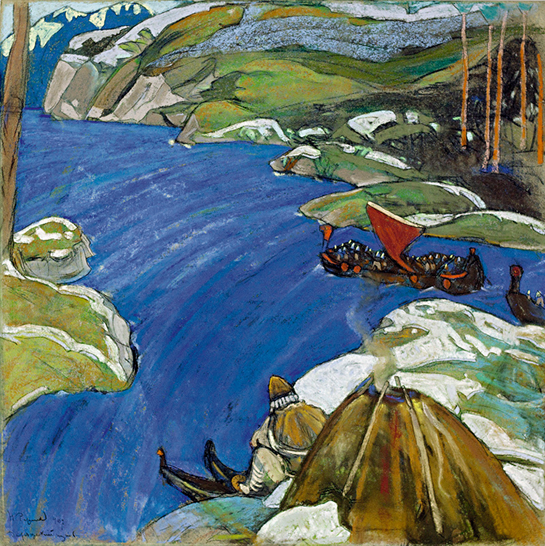
«The Varangian Route» N. Rerikh (1907)
Territorial Context
Today, Old Ladoga welcomes around 220,000 tourists annually. A master plan for the territory’s development was approved for 2025: over the next decade, visitor traffic is projected to rise to 1.2 million people, and investment volume will exceed 30 billion rubles, with more than 21 billion coming from state funds, primarily for infrastructure and roads. The region is already investing in improving accessibility, but the main challenge remains the lack of accommodation. Tourists arrive for a few hours and then leave. This project addresses this limitation and aligns with the state strategy for cluster development.
Target Audience
The project addresses two primary groups. The first is artists: established professionals and graduates of art universities who need dedicated time, space, and an inspiring environment to create. The second group consists of visitors—cultural tourists from St. Petersburg and the Leningrad Oblast seeking meaningful leisure, as well as curators, gallerists, art historians, and researchers. A separate audience includes corporations and patrons, for whom the complex will serve as a venue for corporate retreats and an opportunity to associate their name with the revitalization of a significant cultural site. Each group is provided with its own space: the residency and workshops are designed for artists, while the gallery, hotel, and restaurant cater to visitors.
Relevance
The project addresses several needs of the area simultaneously. Tourists do not stay overnight because there is nowhere for them to live—the hotel and restaurant transform a day trip into a weekend getaway. Staraya Ladoga lacks a contemporary cultural attraction—the gallery, lectures, and workshops give people a reason to visit again, anytime of the year. The legacy of the Creativity Center and Vasily Maksimov has been forgotten—the residency restores the site’s artistic identity. Finally, young artists lack opportunities to work—the residency provides them with housing, a studio, and an exhibition space. The growth in tourist traffic, the influx of funds into the village, and the increased recognition of Staraya Ladoga and its artists—all these are the results of one project.
Indirect Competitors
There are no direct equivalents in the region, but there are projects that demonstrate this format is viable. Peredelkino in Moscow revived a Soviet creative center as a literary residence complete with a hotel, and the rooms there start from 11,000 rubles per night. Nikolas-Lenivets, in the Kaluga region, grew from a village into one of the country’s premier art clusters. Ruskeala attracts a massive influx of tourists, but it lacks an artistic program. This complex combines all of this: it is the only arts residency with a hotel in a historic location, just two hours from St. Petersburg.
Moodboard
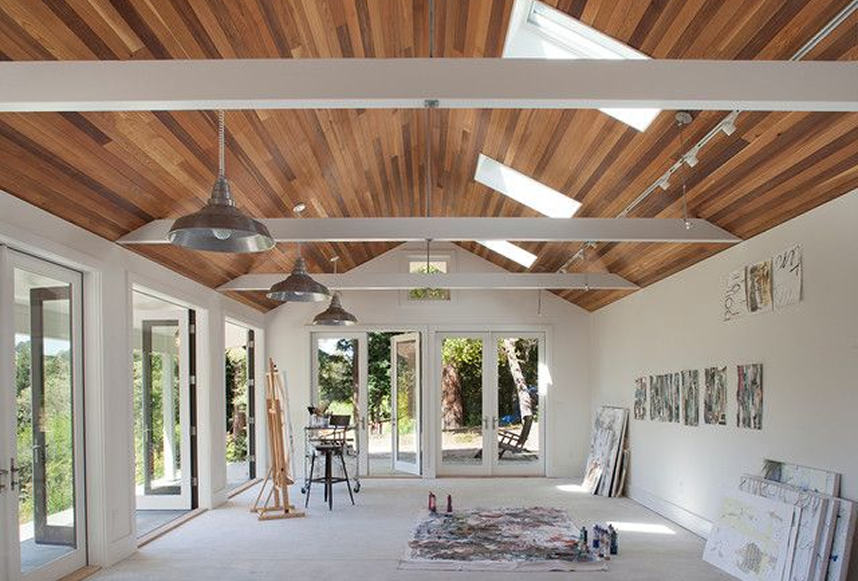
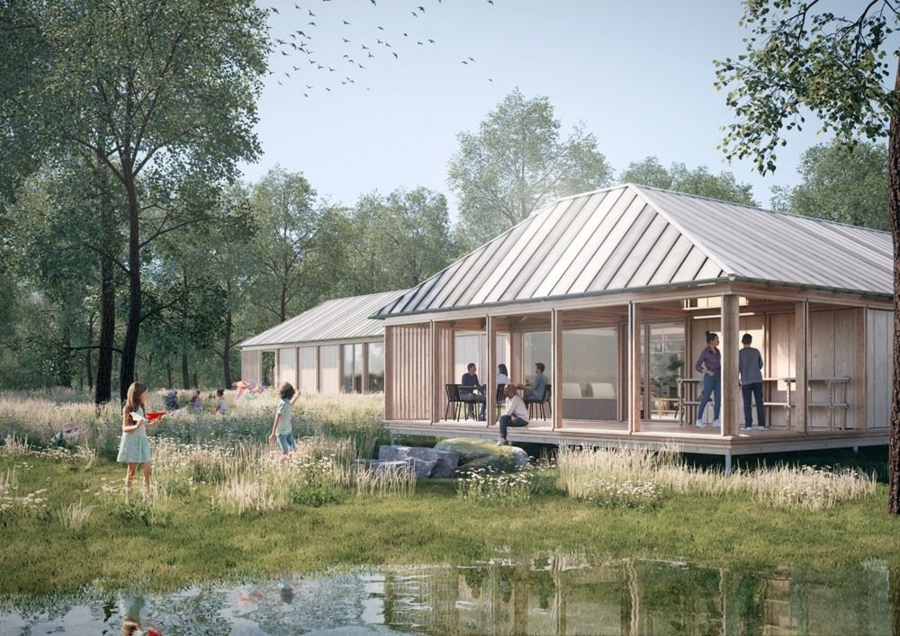
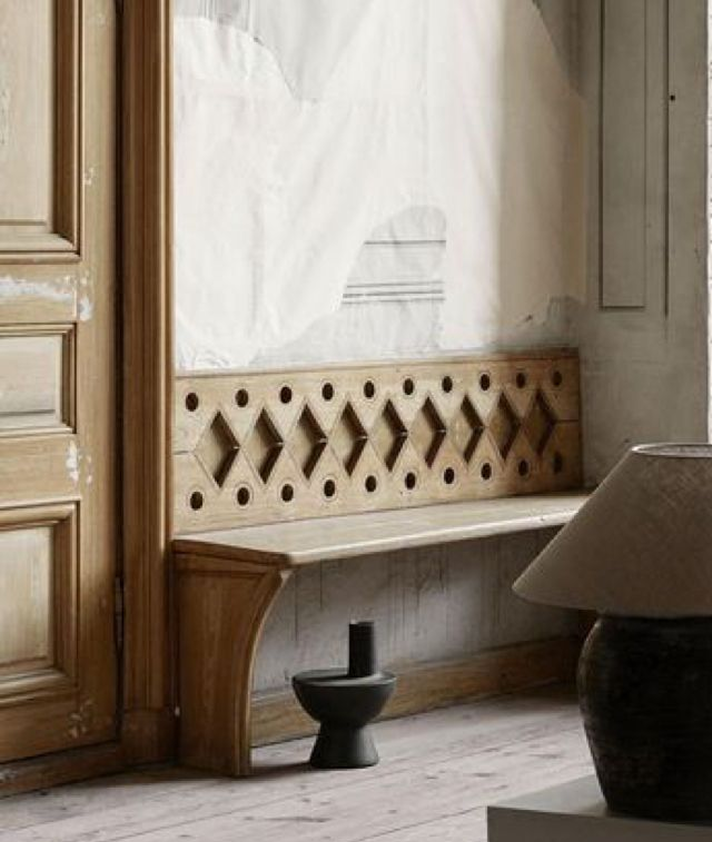
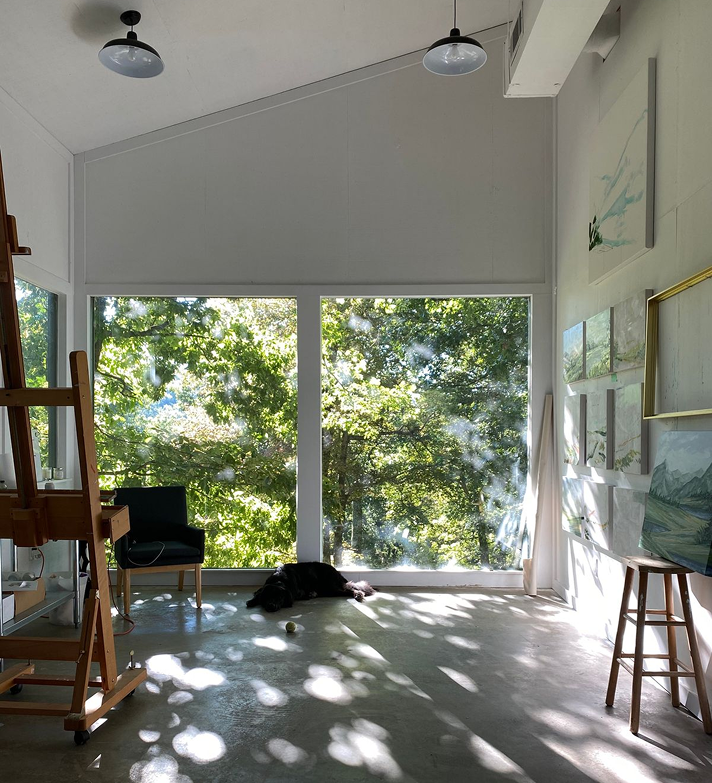
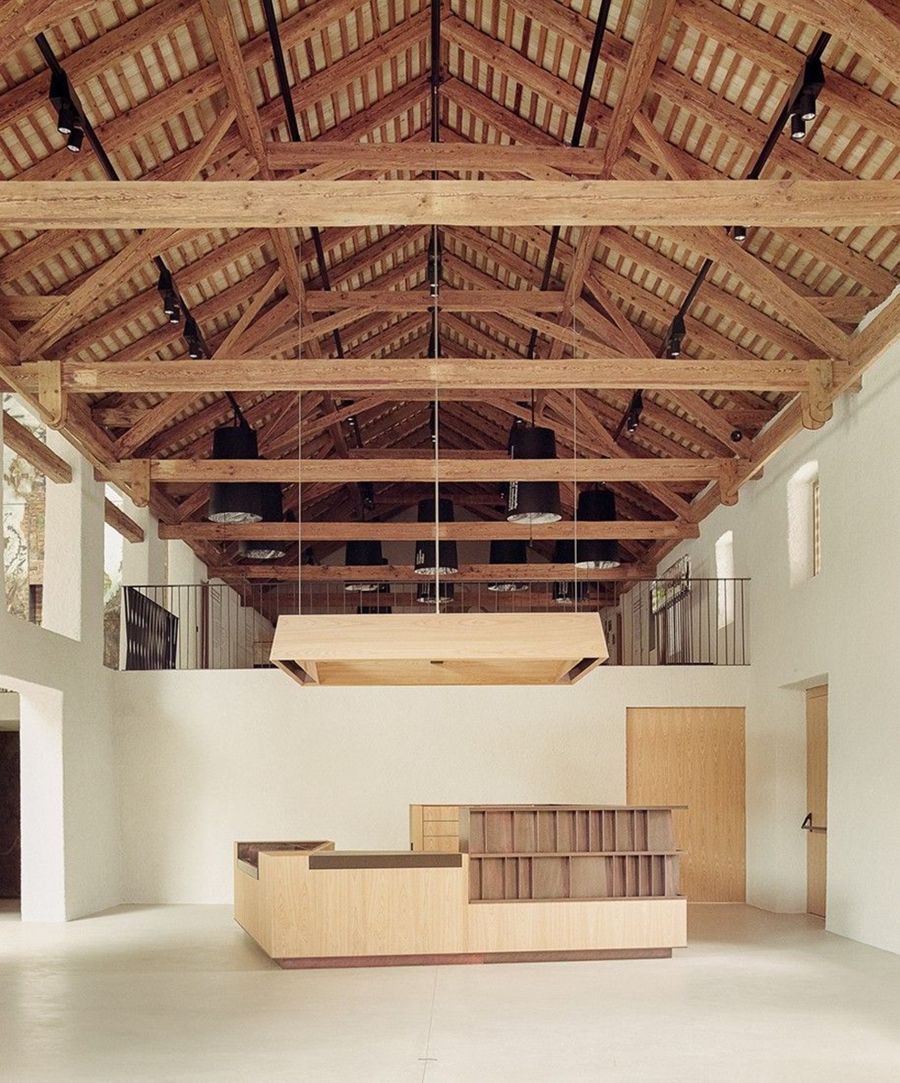
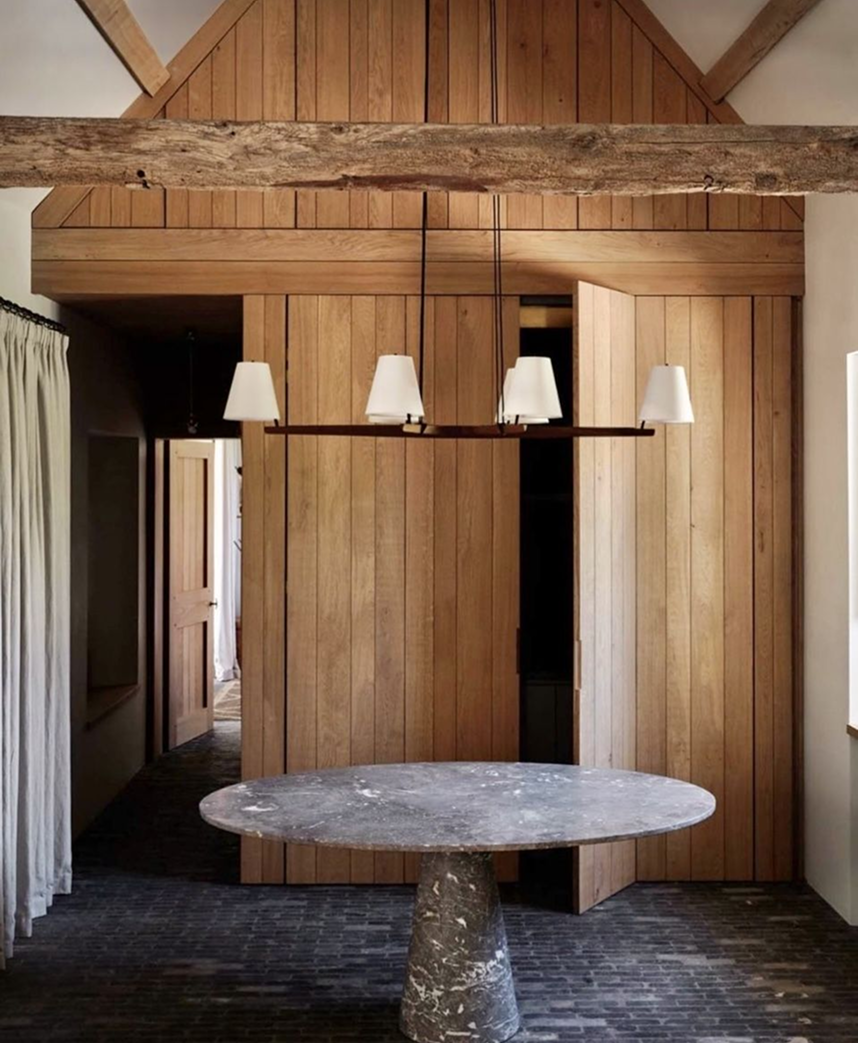
Existing developments
The project has completed its analytical phase. Site analysis, topographic survey, and photographic documentation of the plot have been conducted. Zoning for the 10-hectare area has been developed: a quiet zone for the hotel, a public area with a gallery and restaurant, and a secluded area for the residence. The legal framework for land conversion and plot surveying has been prepared. International and Russian case studies have been reviewed, including Peredelkin, Fogo Island Arts in Canada, and The Arctic Hideaway in Norway. The project is ready to move into the design phase and partner acquisition.
Result and Effect
Attach Card Each year, the residency will host 16 artists—two sessions of eight people each. Every resident will leave at least one work for the complex, resulting in a collection of 160 pieces over ten years. Two exhibitions and about a hundred lectures and workshops will take place annually. The gallery is expected to host around 30,000 visitors per year, and the hotel about 2,600 guests. This means tourists will start staying overnight in Old Ladoga. The complex will create over 50 jobs for local residents and generate about 26 million rubles in annual salaries for the district’s economy. Most importantly—the name «House of Creativity» will return to Old Ladoga. For partners, this is an opportunity to become part of this history: named pavilions, a collection, and a venue for their own events.
Roadmap
The project will be rolled out in phases, with each subsequent stage commencing immediately after the previous one concludes. By mid-2027, the concept and architectural design will be finalized. Between 2027 and 2028, a non-profit organization will be established, land acquisition issues will be resolved, the detailed design will progress, and a pilot residency will launch in leased housing—the first exhibitions will occur even before construction begins. In the autumn of 2029, the first resident residency session will take place within the complex, and the first guest accommodations will open. In the summer of 2030, the restaurant and full guest season will begin operations. In the summer of 2031, the gallery will open, and the entire complex will become fully operational. By 2032, it will reach its design capacity—in sync with the master plan for the development of Staraya Ladoga.