
The literary lineage—spanning from ancient myths to William Gibson—extends through heroes, monsters, ancient prophecies, space marines, and cyberpunk metropolises. We explore which books and ideas shaped the language of video games and why many familiar gaming conventions emerged long before the first console.
What books shaped video games? Not just technical manuals or game design textbooks. For decades, developers have drawn ideas for games from science fiction, fantasy, mythology, comics, and adventure literature—sometimes consciously, sometimes seemingly just by absorbing them along with the culture of their time.
We have compiled ten books that have particularly influenced how video games look and how they tell their stories. Here you will find Lovecraft and Tolkien, Katsuhiro Otomo and William Gibson, ancient Greek myths, and Heinlein’s military science fiction. Some gifted games entire worlds and bestiaries; others provided a visual language; and a third set helped shape the very mechanics of the hero’s journey.
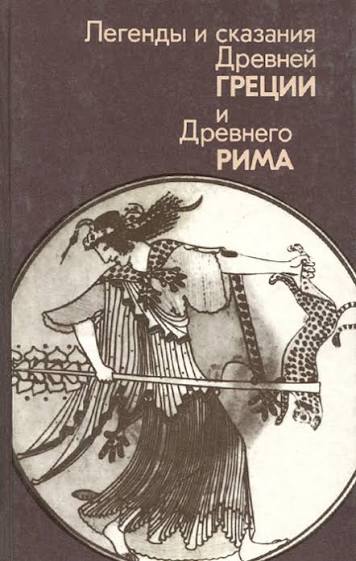
«Legends and Tales of Ancient Greece and Ancient Rome»
Video games are practically saturated with conventions, ideas, and archetypes directly borrowed from world mythology, but Ancient Greece stands out above all. The very idea of the heroic journey—central to almost any role-playing game—was first embodied in the adventures of Odysseus, Perseus, and Theseus. Anyone familiar with the God of War game series has likely encountered the pantheon of Greek gods. Whenever a character reaches for a magical item or feels the power of vengeful deities, it is highly probable that the source of this idea traces back to Ancient Greece. In reality, there are countless books on Ancient Greek myths or about them, and you can look into the work of Robert Graves, or the collection «Legends and Tales of Ancient Greece and Ancient Rome, ” which was printed in massive editions across the country during the Soviet era.Alternatives: Scandinavian and Celtic mythologies also had a similar influence on video game developers, bringing their own interpretations of warring gods, heroic quests, and magical artifacts. And, of course, the Bible, which is full of wars, vivid characters, and wrathful gods.
Joseph Campbell — The Hero with a Thousand Faces
Essentially, this is not a work of art, but an exhaustive study by an American scholar of world mythology and the concept of the heroic archetype. In addition to various developers, this book was cited as important by American film directors, including George Lucas, and French comic artists. Campbell’s central thesis—that all mythological stories originate from a single monomyth, wherein the hero overcomes a series of trials and ultimately receives a life-altering gift—underpins the structure of both video games and films. This is foundational material for storytelling, later adapted into a writing guide by Christopher Vogler in his equally important book, «The Writer’s Journey: Mythic Structure in Storytelling.»Alternative: James George Frazer’s classic study of archetypal religious beliefs and practices, «The Golden Bough: A Study in Magic and Religion”—is another source of ideas for video games that developers frequently reference.
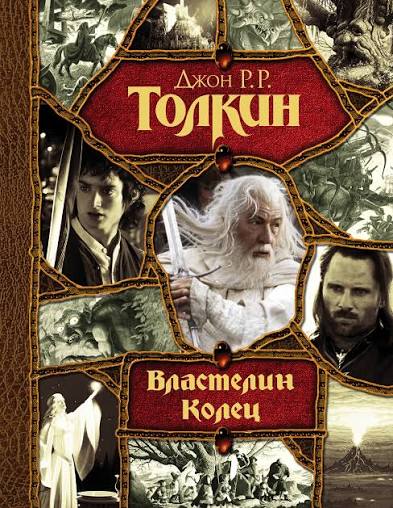
J.R.R. Tolkien — The Lord of the Rings
Without Tolkien in this list, it would simply be strange. Drawing upon mythology and folklore, Tolkien created a vast, comprehensive reality for Middle-earth, imbued with a profound sense of history. It can be argued that it was Tolkien who taught fantasy game developers the importance of mythic background—the necessity of creating millennia of conflicts and legends to give authenticity to entirely fictional worlds. If a game narrative opens with lines like «after 3,000 years of war…, ” it is likely because of this man.Alternative: Here, we can again recommend Michael Moorcock, or perhaps the even more satirical and humorous Terry Pratchett, who flips all these supernatural systems for comedic effect. And without a doubt, new generations of developers are already growing up under the influence of authors like Brandon Sanderson and Steven Erikson.
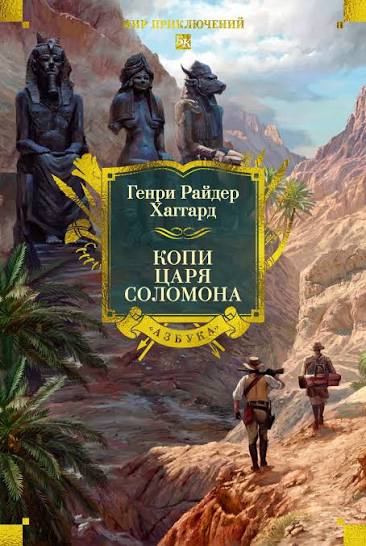
Henry Rider Haggard — King Solomon’s Cupbearer
Haggard’s 1885 colonial adventure novel about journeys across African mountains and deserts gifted us Allan Quatermain—who became the archetype of the imperfect hero—and launched the «Lost World» genre. These elements, wonderfully modernized by the Indiana Jones trilogy, later inspired everything—from Pitfall to Tomb Raider and Uncharted. In fact, almost every game where the hero and his eternally bickering team find a hidden, treasure-filled temple probably traces its roots back to Haggard’s classic novel.Alternative: Alongside Stevenson’s «Treasure Island» and Burroughs' «Tarzan,» Haggard undoubtedly influenced heroic fantasy writers like Robert Howard, whose books about Conan served as the starting point for hundreds of flat video game warriors while concurrently shaping a distinct subgenre.
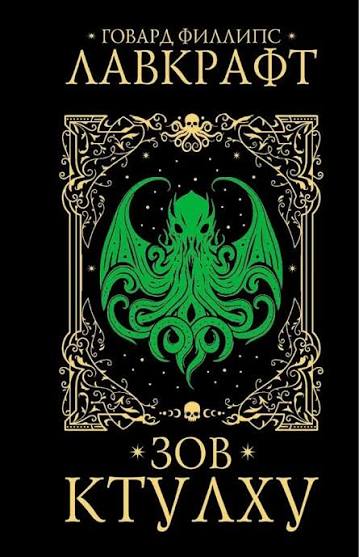
H.P. Lovecraft — The Call of Cthulhu
In a cycle of interconnected stories from the 1920s and 1930s, the American writer Howard Phillips Lovecraft forged an original mythology of horror, blending the supernatural with science fiction. He described a universe of a viscous, oppressive nightmare where humanity is helpless against monstrous powers of colossal magnitude. Lovecraft’s bestiary profoundly influenced the creators of the legendary board RPG *Dungeons & Dragons*, and through it—nearly all subsequent computer role-playing games. The Cthulhu Mythos, which grew from his works, also left a deep mark on games of other genres: the very idea of a «boss at the end of a level» essentially translates Lovecraft’s philosophy into game mechanics.Alternatives: Primarily, this includes Michael Moorcock (especially his Elric cycle) and, naturally, Stephen King (The Dark Tower). Beyond these two recognized classics, Lovecraft also influenced one other writer, Robert Bloch, whose books are favored by many game designers.
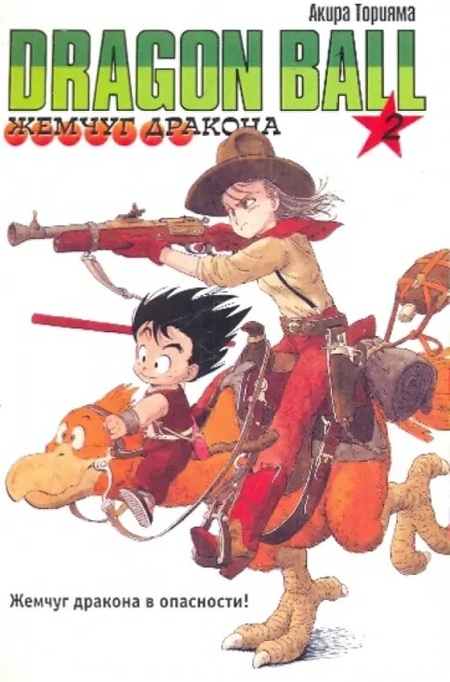
Akira Toriyama — Dragon Ball
Another manga that originated in the pages of the Japanese weekly magazine Shonen Jump and ultimately sold over 230 million copies. The foundation of this epic work is the classic Chinese novel, *Journey to the West*. This resulted in a blend of thrilling combat and witty storytelling, filled with eccentric and remarkable characters. Several dozen video games were based on the original work, but even more games were inspired by the combination of mythology, comedy, and battle. Toriyama himself, already as an artist, contributed to several, no less great, games: *Chrono Trigger* and *Dragon Quest*.Alternative: You can confidently dive into reading any of the «Big Three» manga series—*Naruto*, *One Piece*, or *Bleach*.

Katsuhiro Otomo — Akira
«Akira» is one of the works that genuinely introduced Japanese manga and anime to a Western audience. We even wrote about the conditions under which this masterpiece was created. The manga, which was developed throughout the 1980s and ultimately published in six volumes, explores themes of mutation, psychokinesis, military corruption, and terrorism. Through this, it clearly demonstrates the nuclear paranoia that ran like a subtle red thread through Japanese culture after 1945. In practically every game that touches on the theme of Armageddon—from Final Fantasy to inFamous—there are ideas that can be traced back to this masterpiece.Alternative: Another classic manga from the 1980s, «Fist of the North Star, ” also had a significant impact. Western parallels include Frank Miller’s „The Dark Knight Returns“ and Alan Moore’s „Watchmen”—both works tackle similar themes of distorted heroism, a mutated humanity, and paranoid future noir.
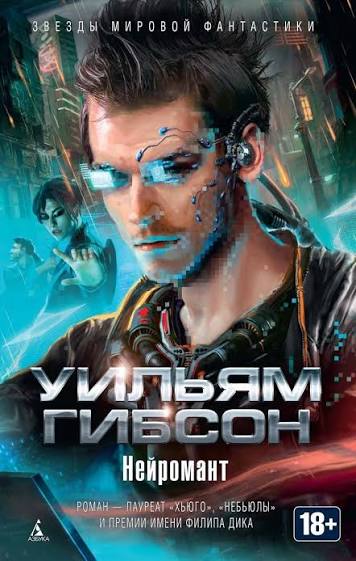
William Gibson — Neuromancer
While not the first cyberpunk novel, it is certainly one of the most significant. Gibson’s postmodern tale of hackers, nefarious corporations, and sentient AI, alongside *Blade Runner*, introduced game designers to a new aesthetic of the future. There are no gleaming starships or friendly robots—only sticky paranoia, worn-out computer hardware, and rogue drunkards. Gibson’s spirit of anarchism and counterculture in the 1980s strongly resonated with lone programmers who saw themselves in these characters. This influenced the creation of games like *Syndicate* and *Deus Ex*. The latest major game to draw attention back to the flagging cyberpunk genre is the Polish blockbuster *Cyberpunk 2077*. Although it was adapted from the eponymous tabletop game, all the elements of Gibson’s masterpiece can still be felt here.Alternatives: You can explore anything from Bruce Sterling, Neal Stephenson, or Pat Cadigan. For comics, there is, of course, the manga Ghost in the Shell.
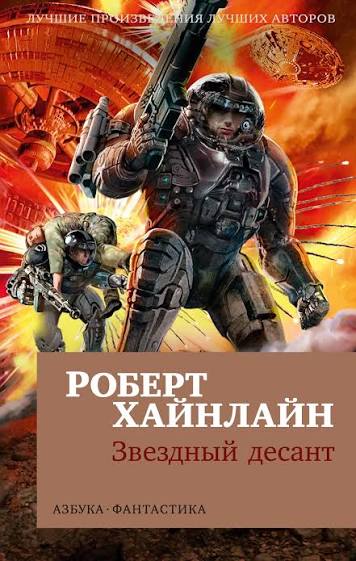
Robert A. Heinlein — Starship Troopers
If you have ever played a shooter game featuring massive men with gigantic guns fighting some kind of nasty humanoids, you know this image. Its lineage goes back at least to Heinlein’s «Starship Troopers.» While he wasn’t the first to vividly portray warfare of this kind—where humanity confronts alien hordes—this author successfully compiled many key elements that would later spring to life in blockbuster video games.Alternatives: Orson Scott Card’s «Ender’s Game, ” the book series about Lemnisman E. E. „Doc“ Smith, and Ian M. Banks' novels about Culture also depict interstellar wars, super-powerful weaponry, and brutal aliens or AI. How could video games possibly exist without all of that?!
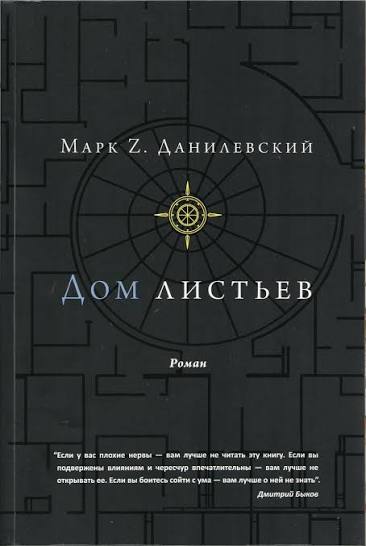
Marc Danilevsky — House of Leaves
«House of Leaves» is one of the most well-known examples of what is called a «cybertext.» It is a piece of «ergodic» literature in which the text’s formatting transforms into a puzzle that the reader must solve. Using footnotes, blank pages, interviews, and codes, Danilevsky creates a kind of dynamic experience that echoes many experiments in interactive literature and alternate reality games. Essentially, it is a story about how to tell stories in the digital age.Alternatives: Another surreal and game-like text is Jorge Luis Borges’s «Fictitious Stories, ” where meaning emerges through subtle layers. Alternatively, there is Theodore Roethke’s „Trembling, ” a slightly more traditional example of how Danilevsky manipulates narrative structure.