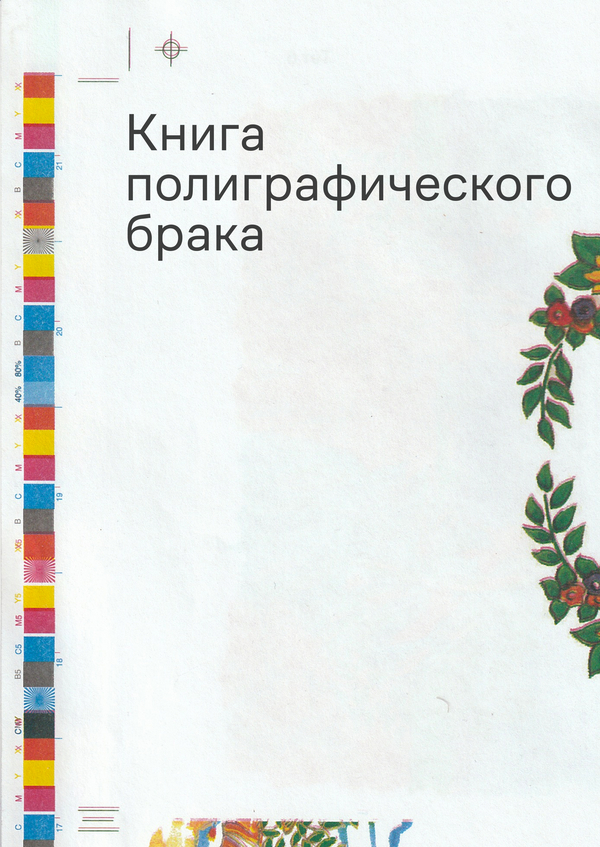
The best way to get to know the subject is to get to know it in practice. We need to do the same thing a few times so that important information can be remembered.
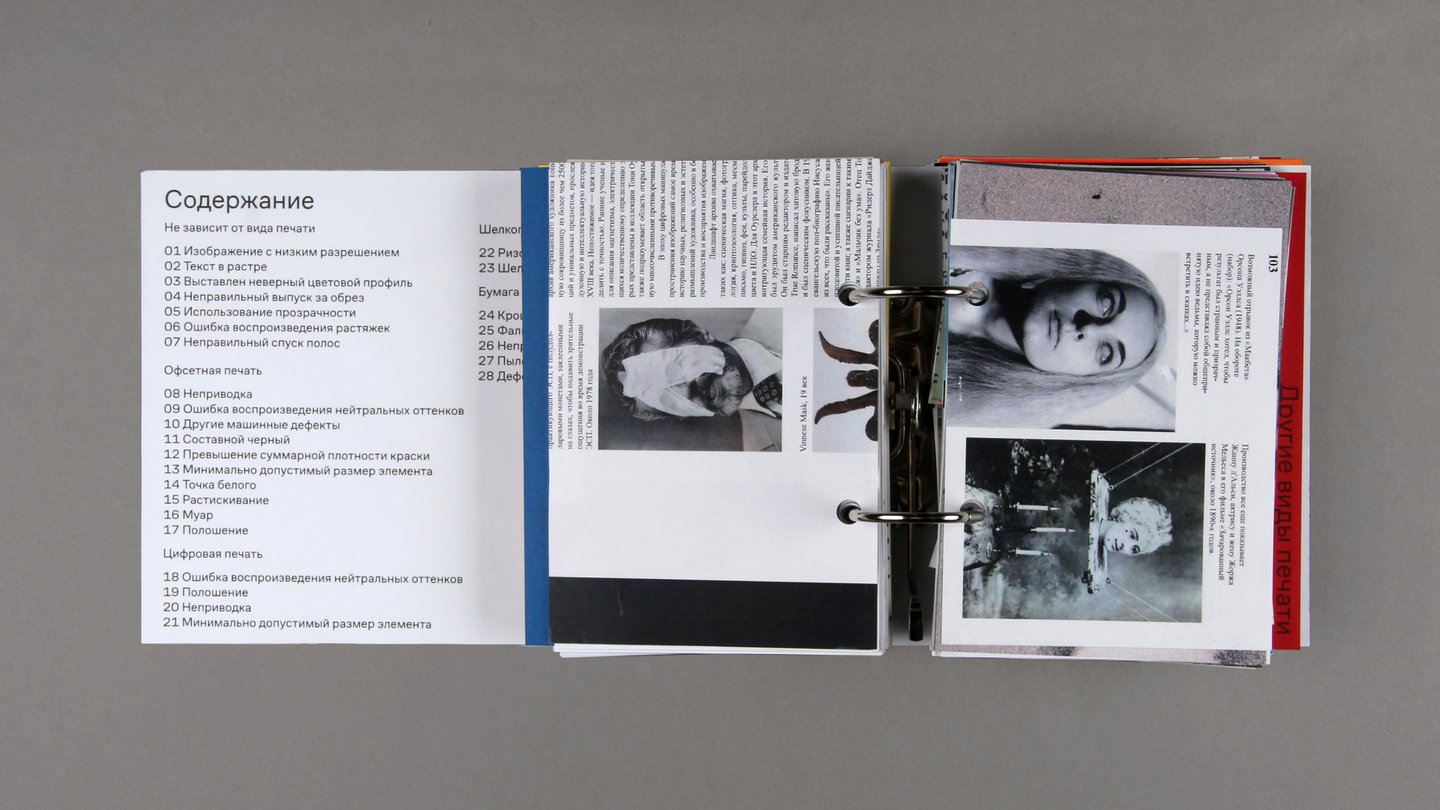
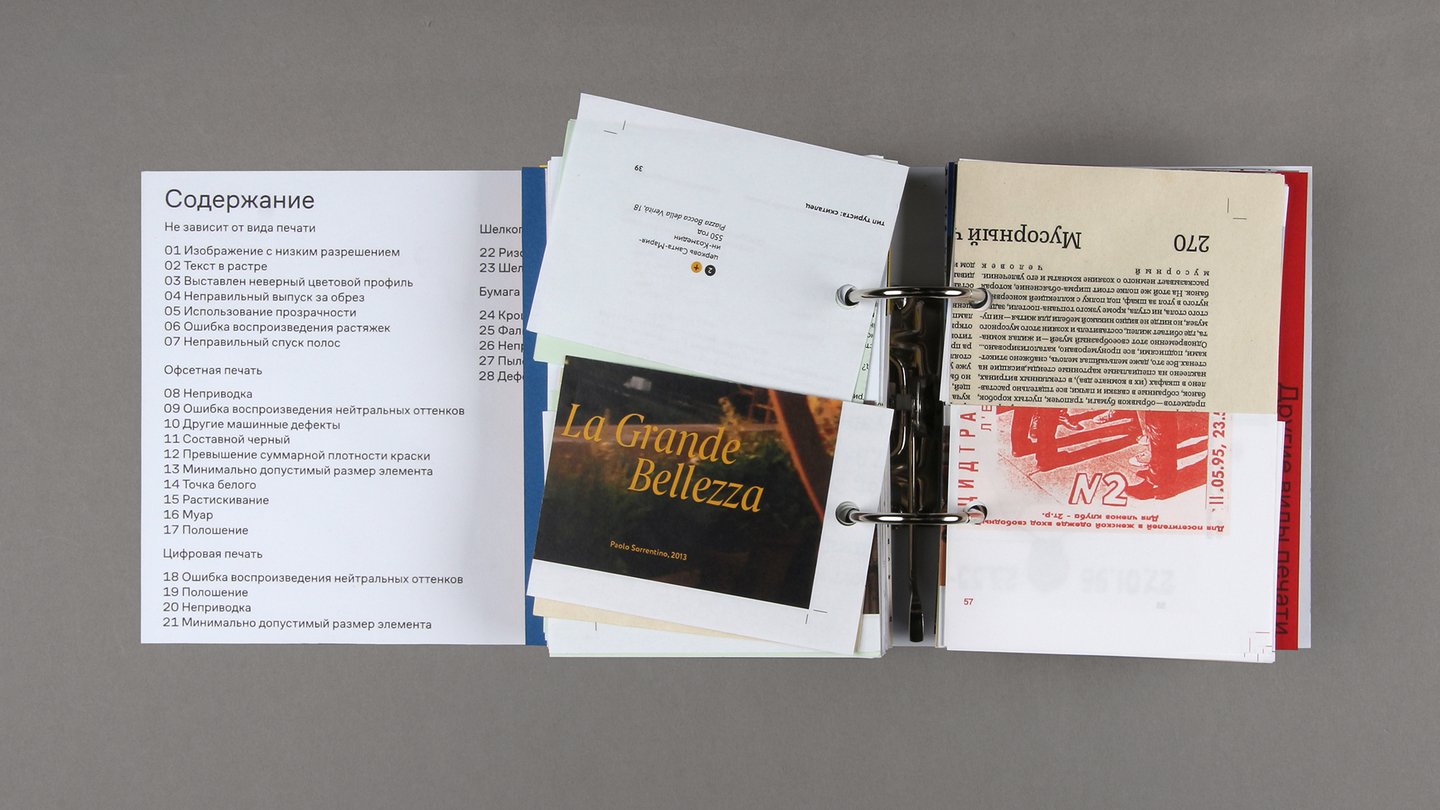
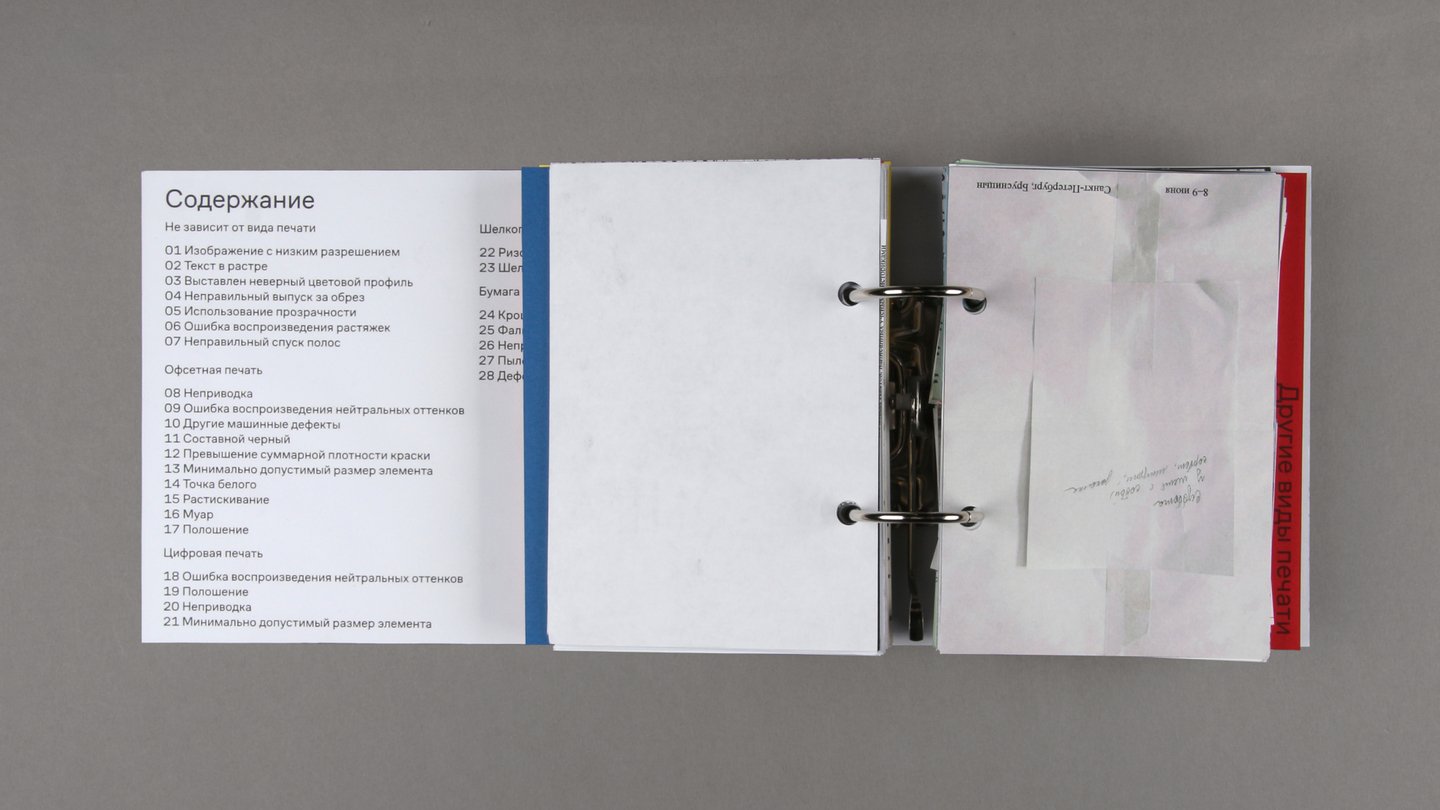
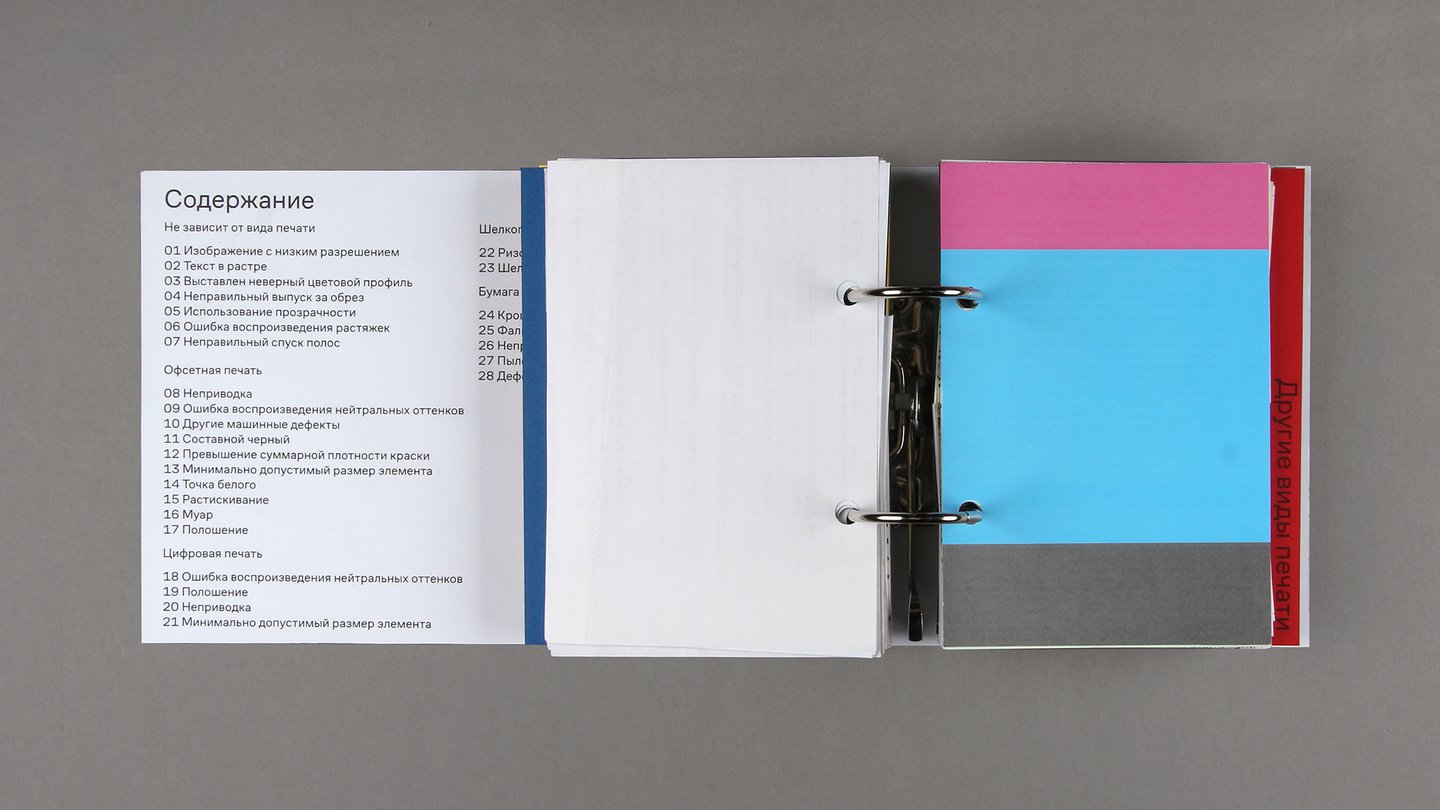
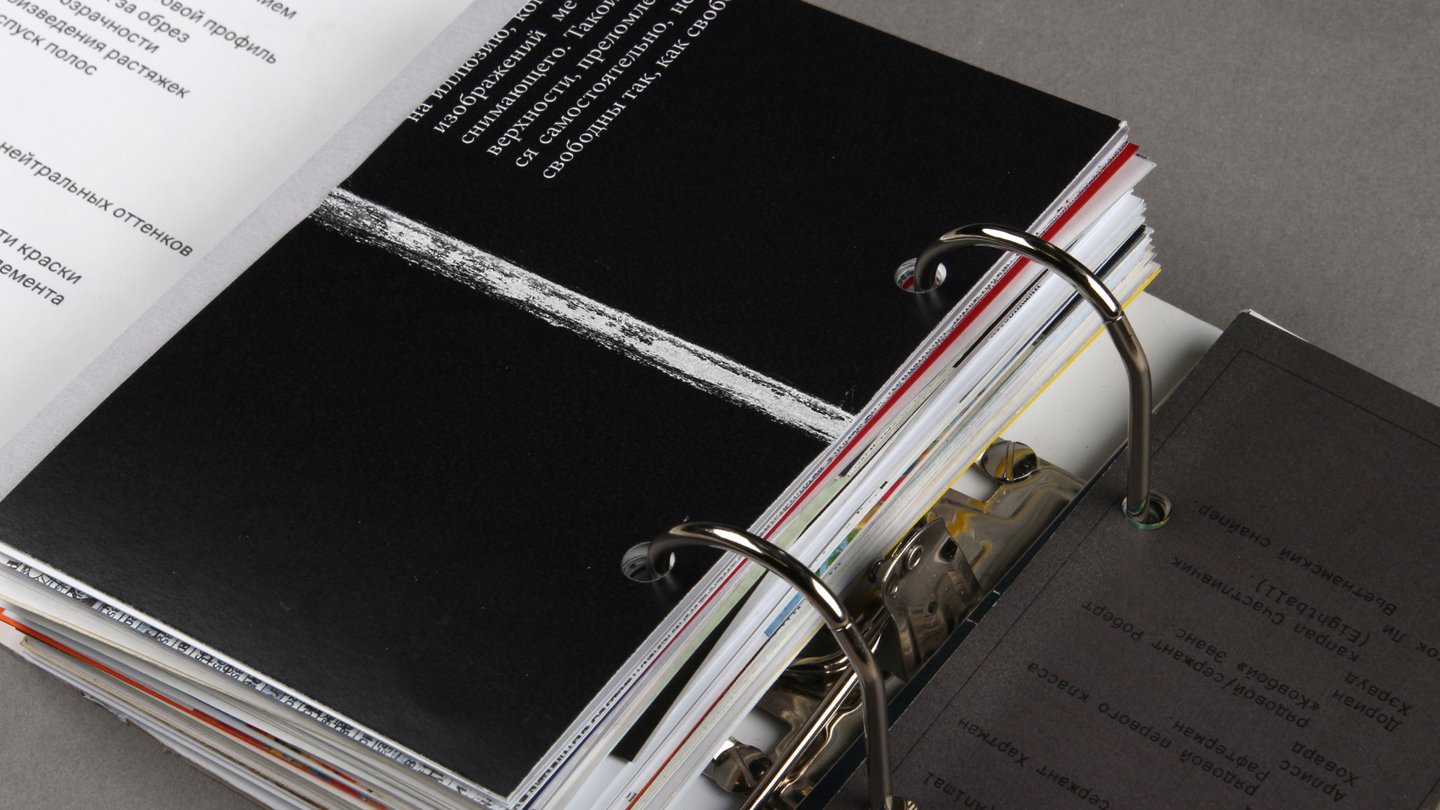
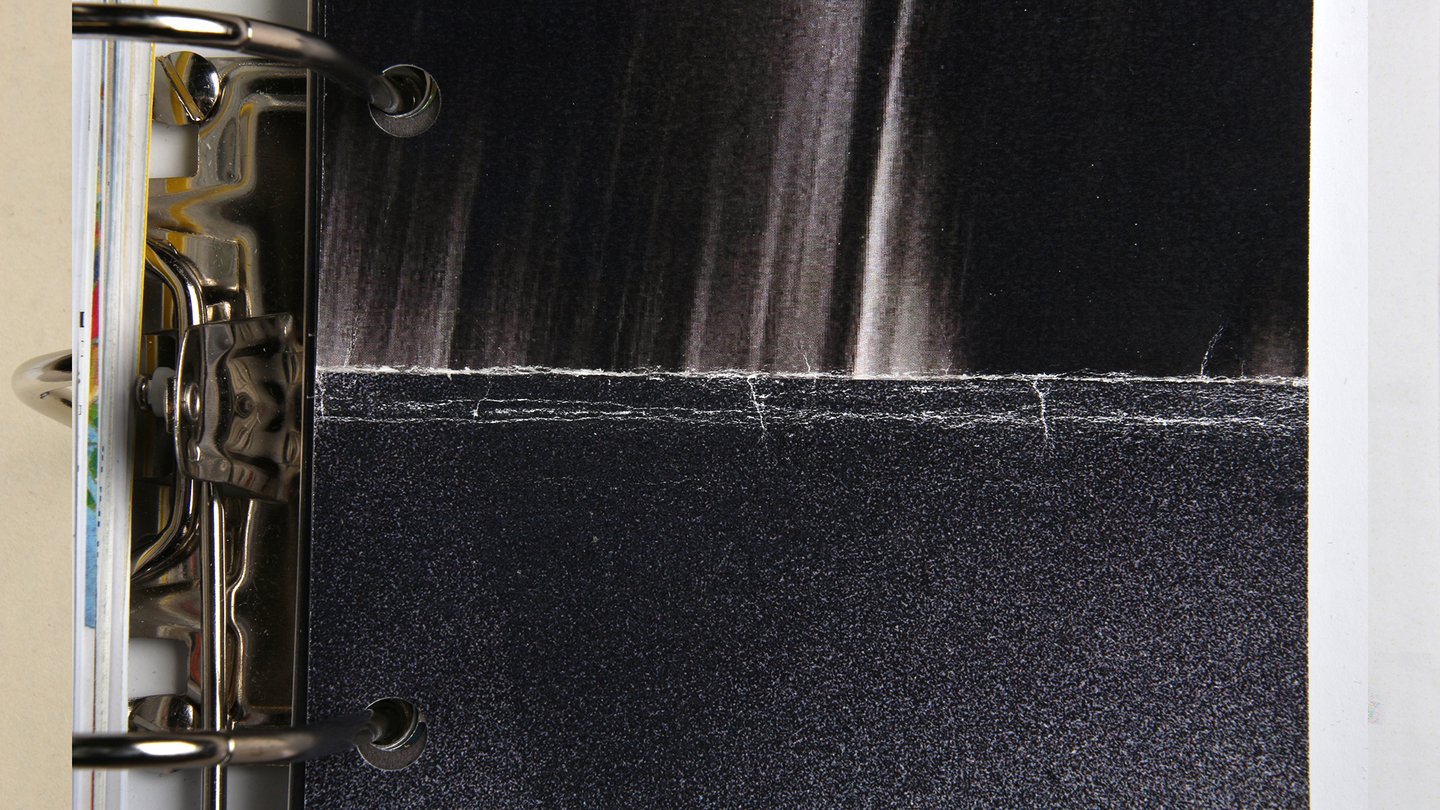
The book of polygraphic marriage is an illustrative list of errors that are most common in the press.
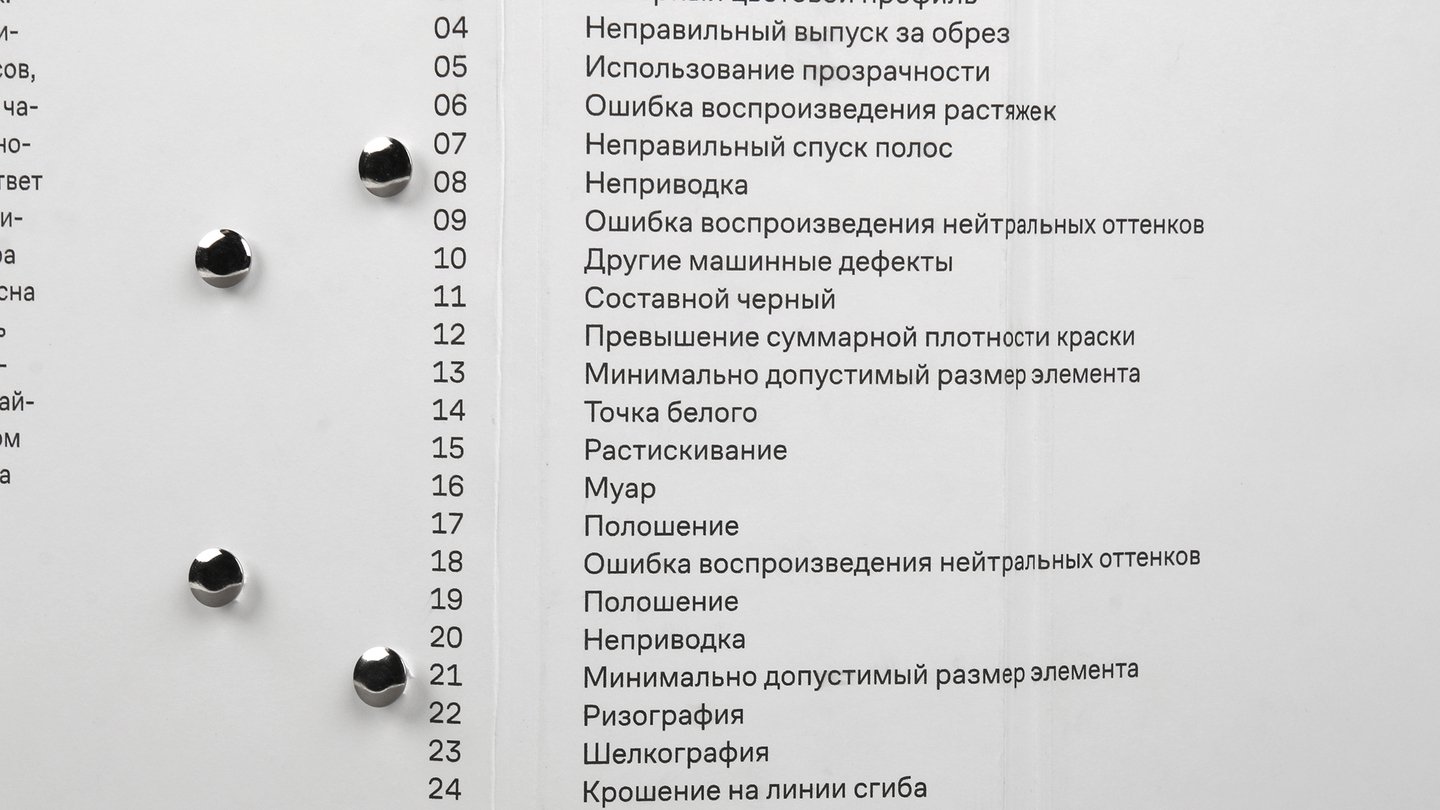
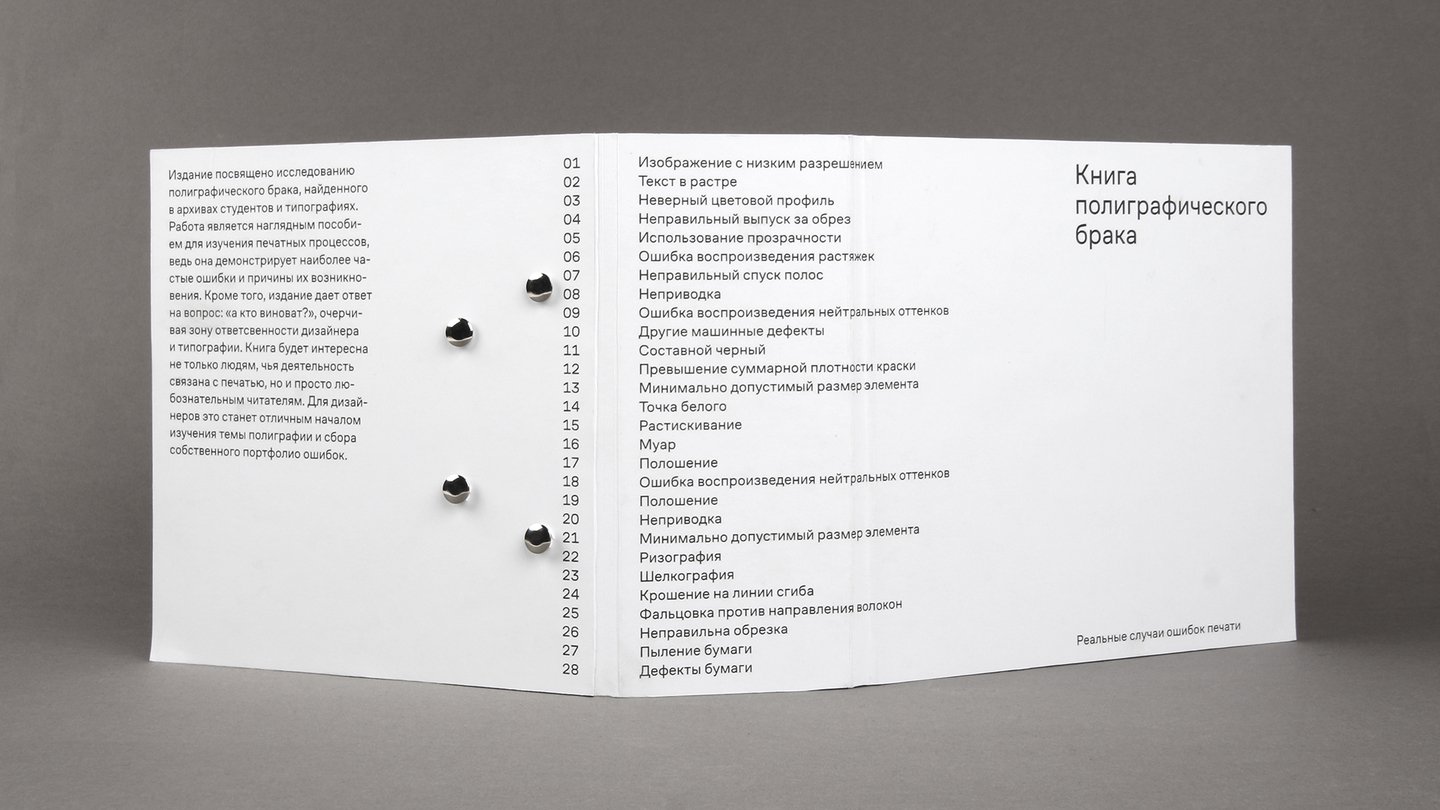
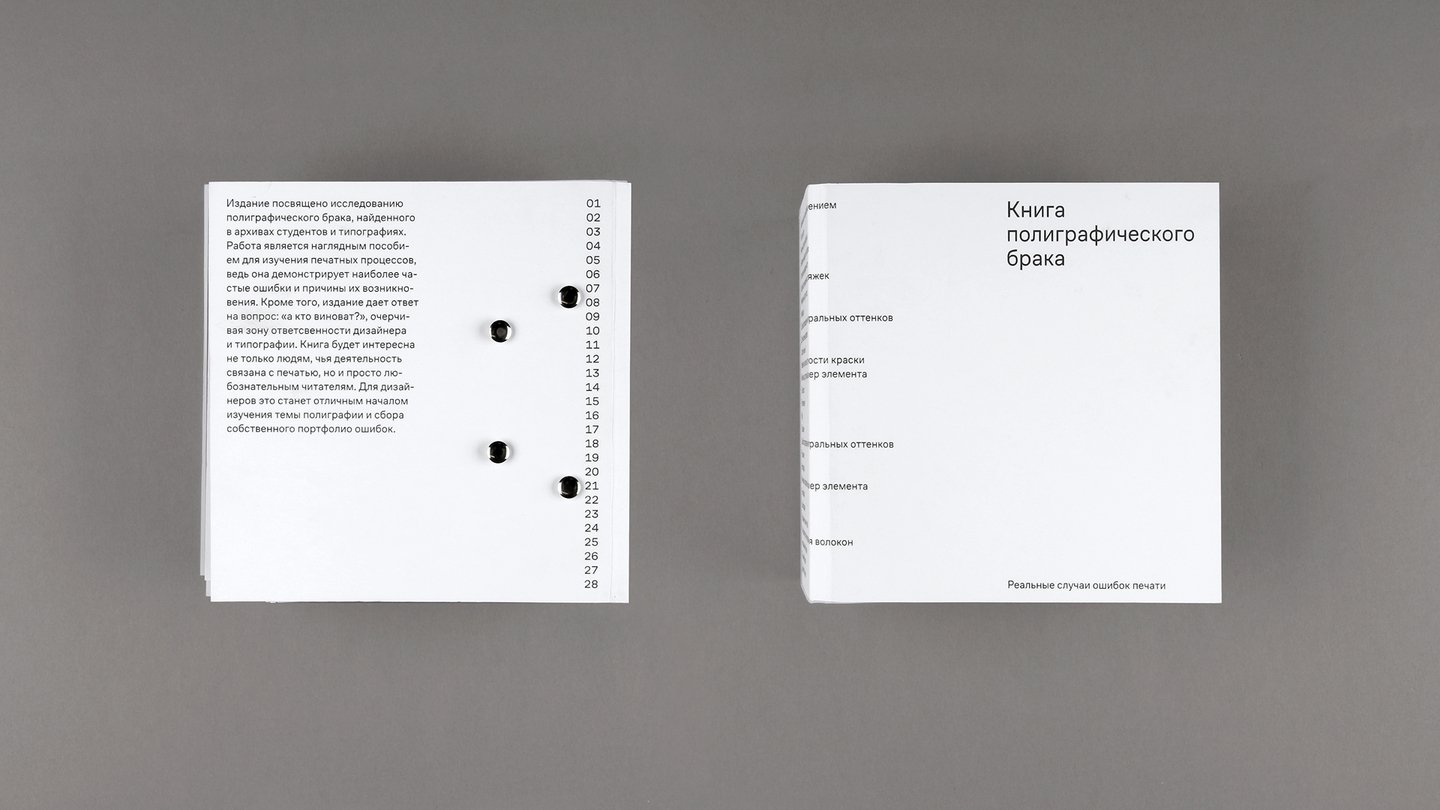
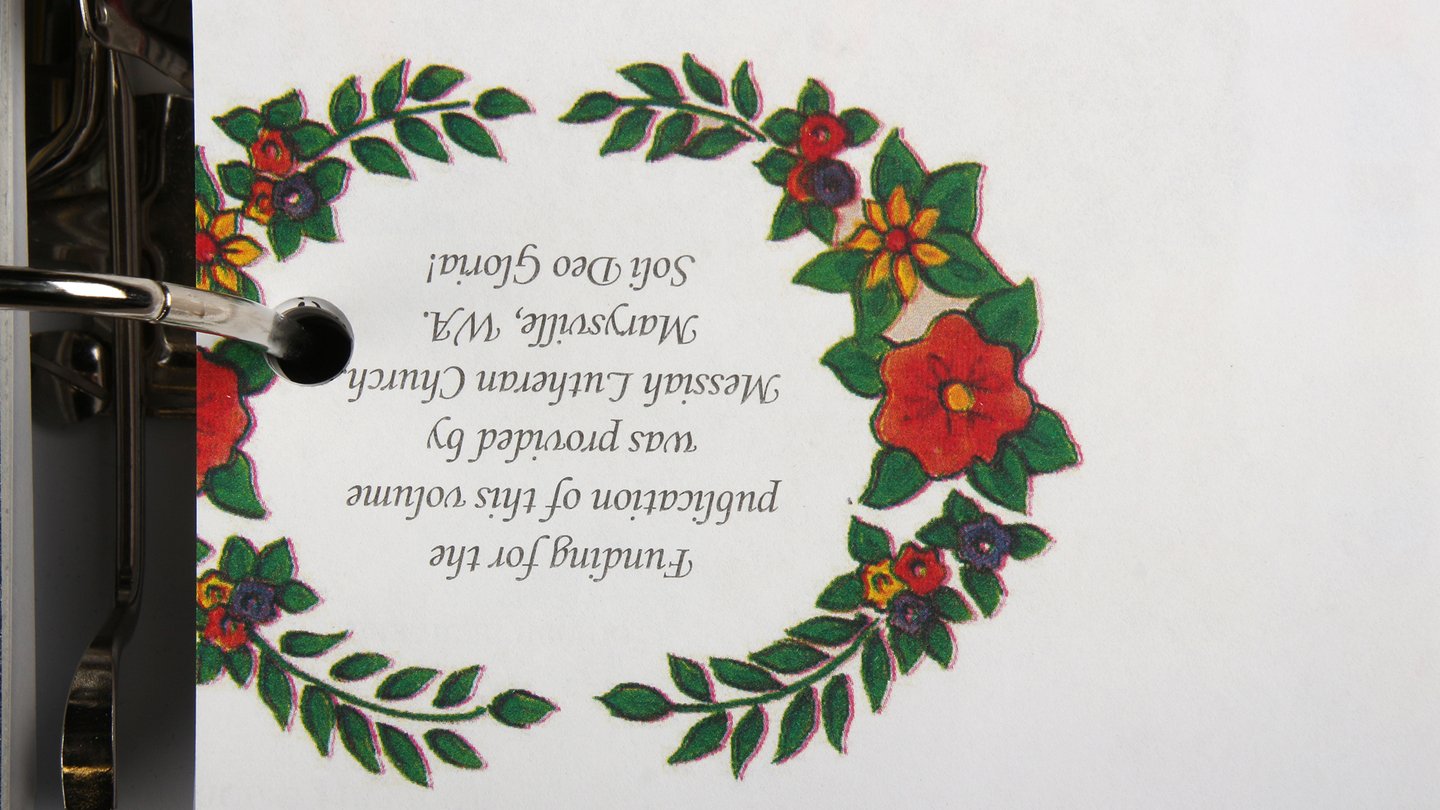
Research material is a real case of marriage. For three months, I’ve been collecting defective products in different printing and student archives, then looking at it and characterizing it, based on the type of error of each type of printing. It is important to understand that the visual material found is random in content. That’s exactly what we’ve been able to find during the research. Thus, not all errors can be illustrated by the time the work is completed.
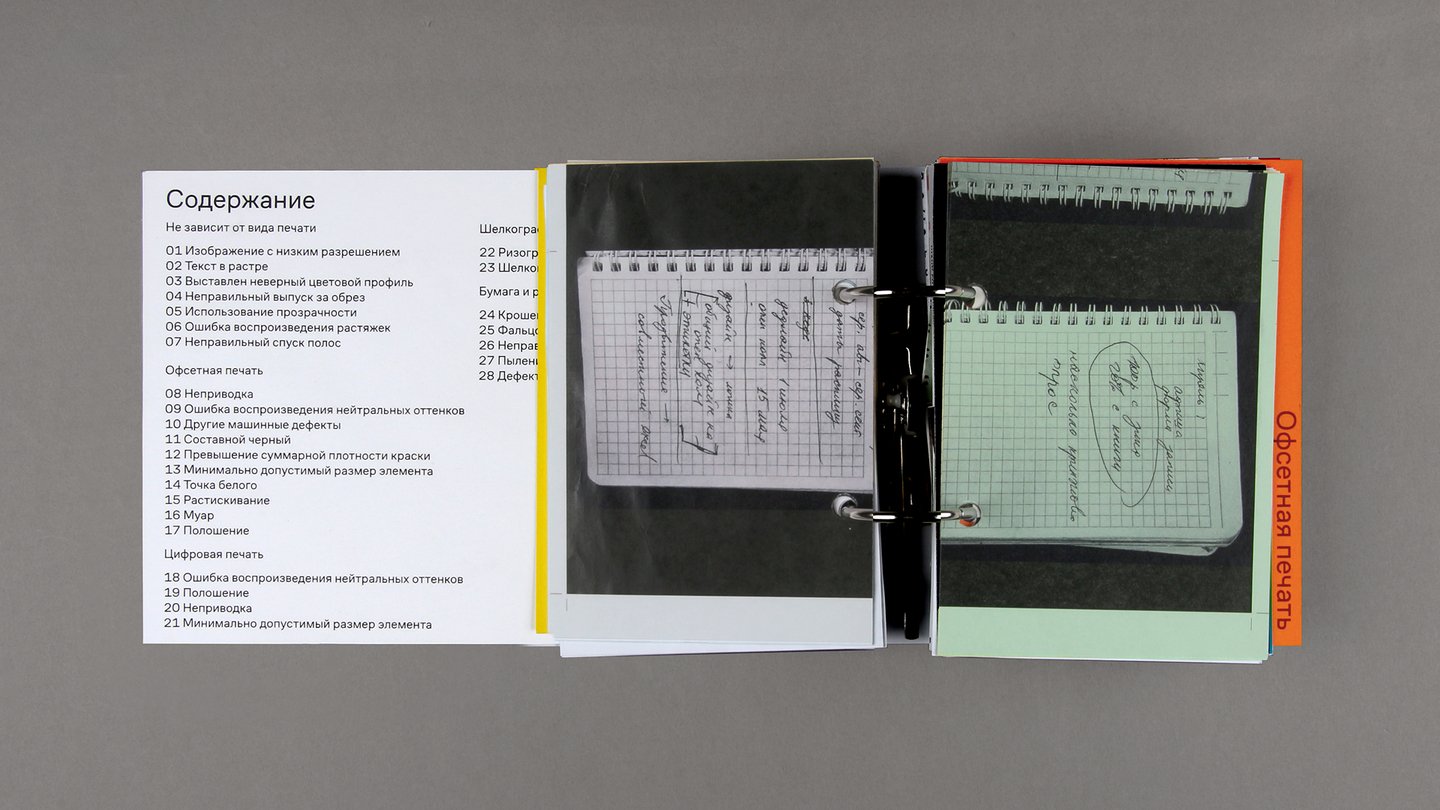
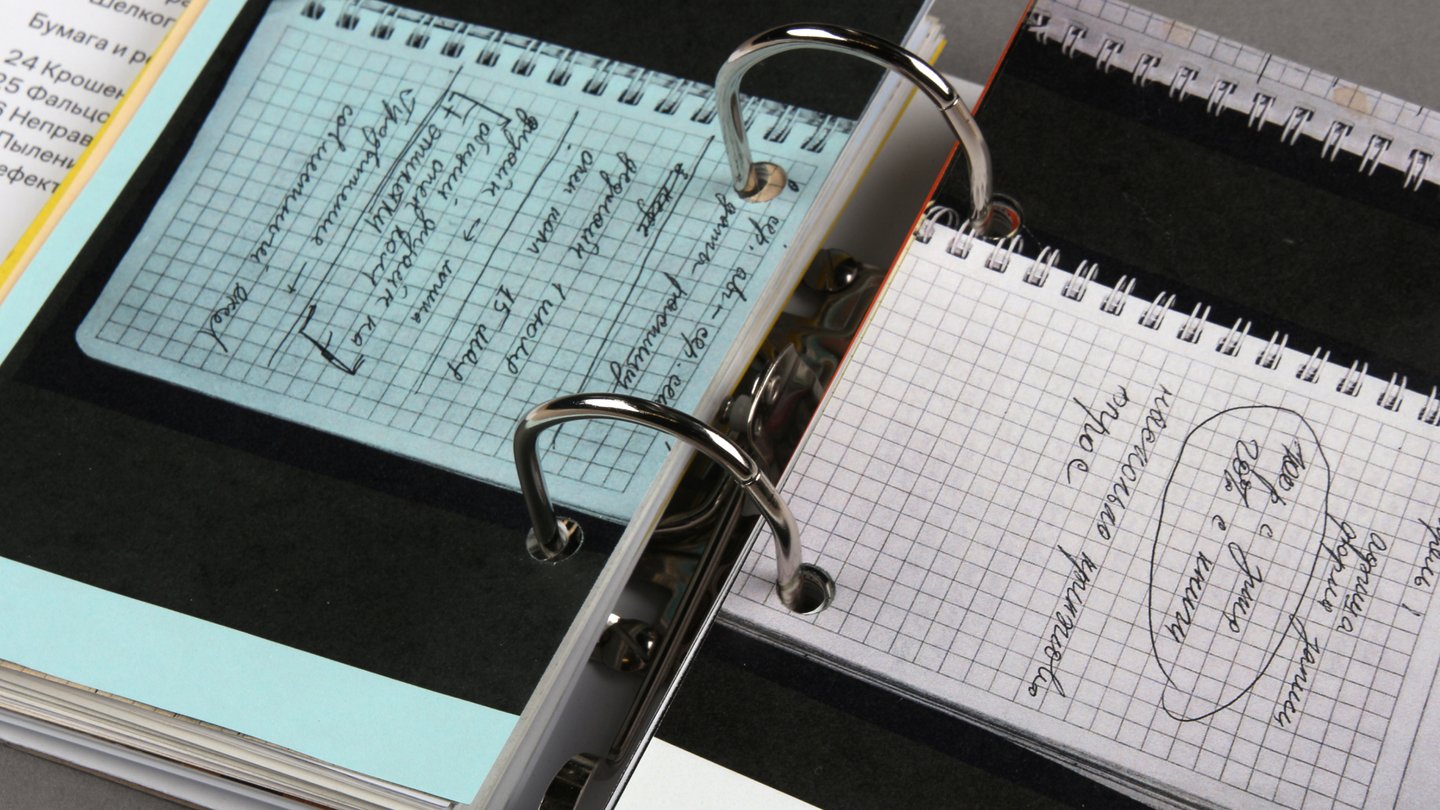
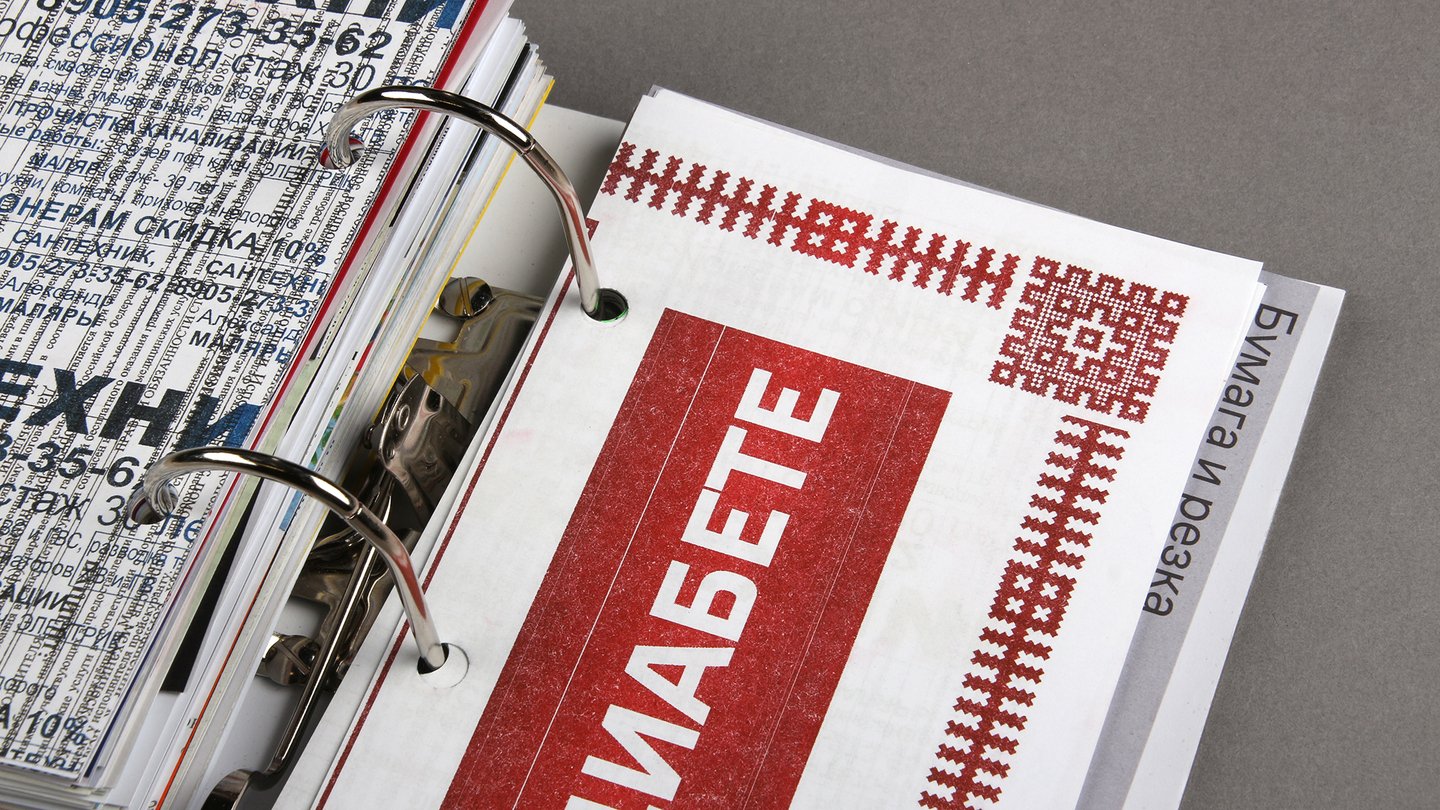
The choice of Schmutztitul colours is due to the presence of the largest colour card in the store.
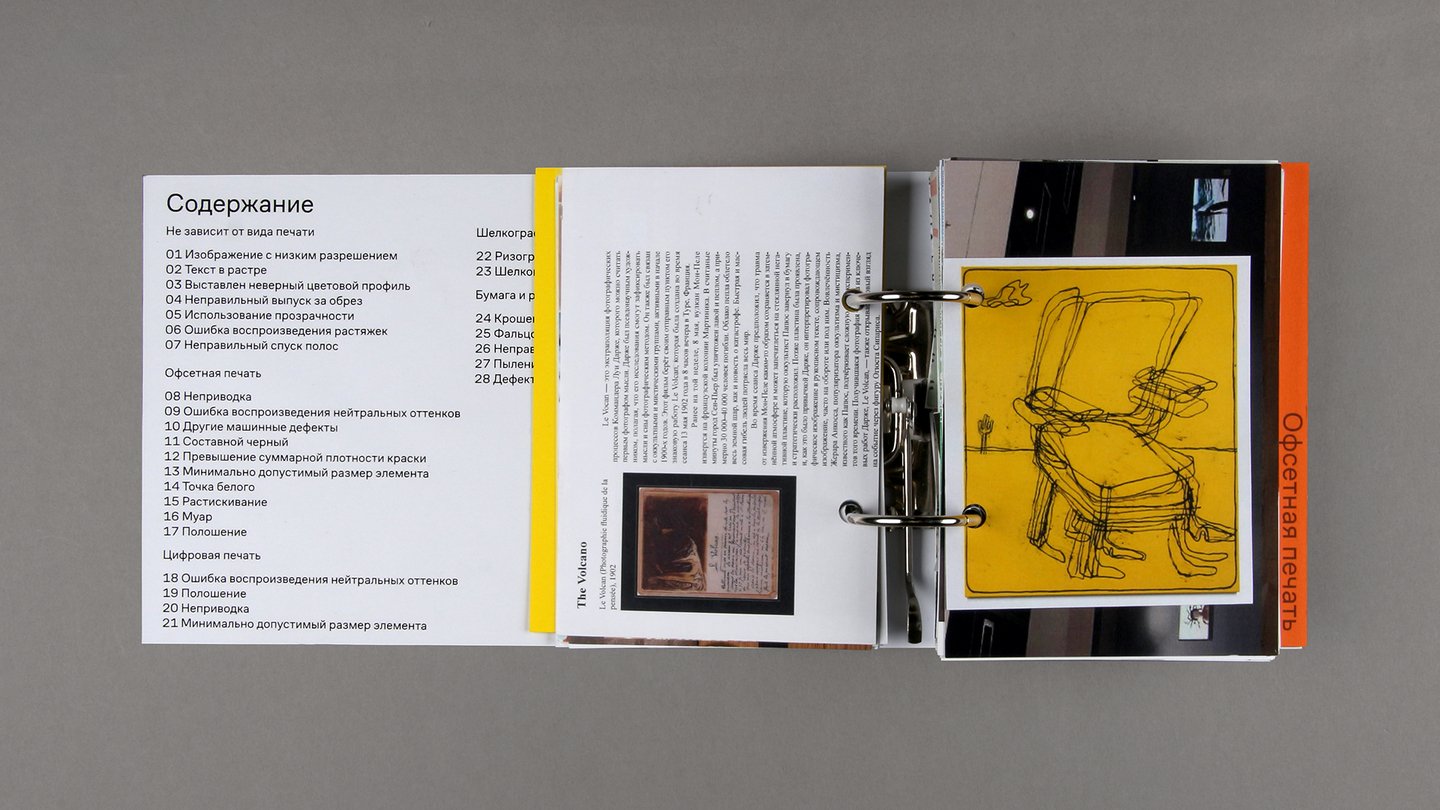
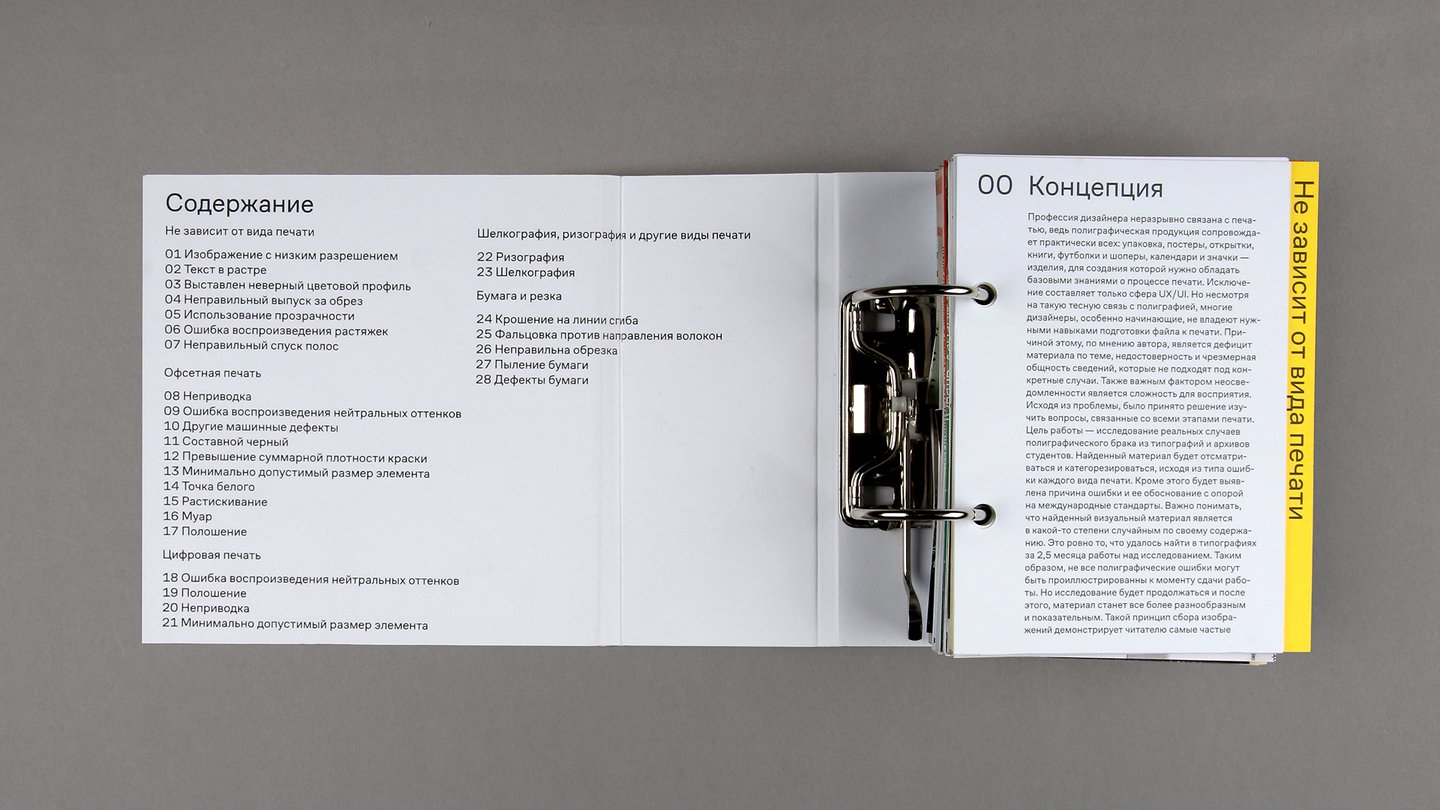
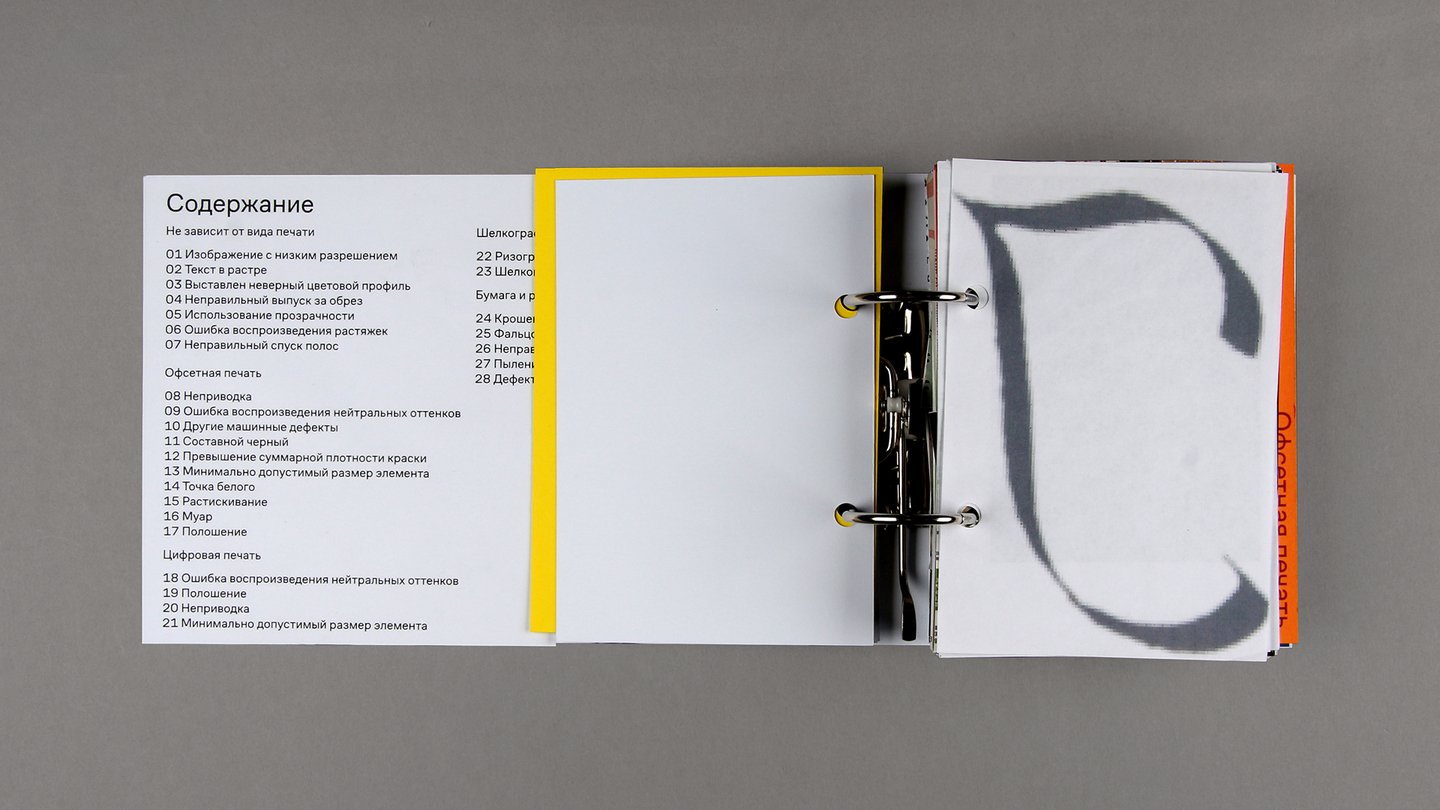
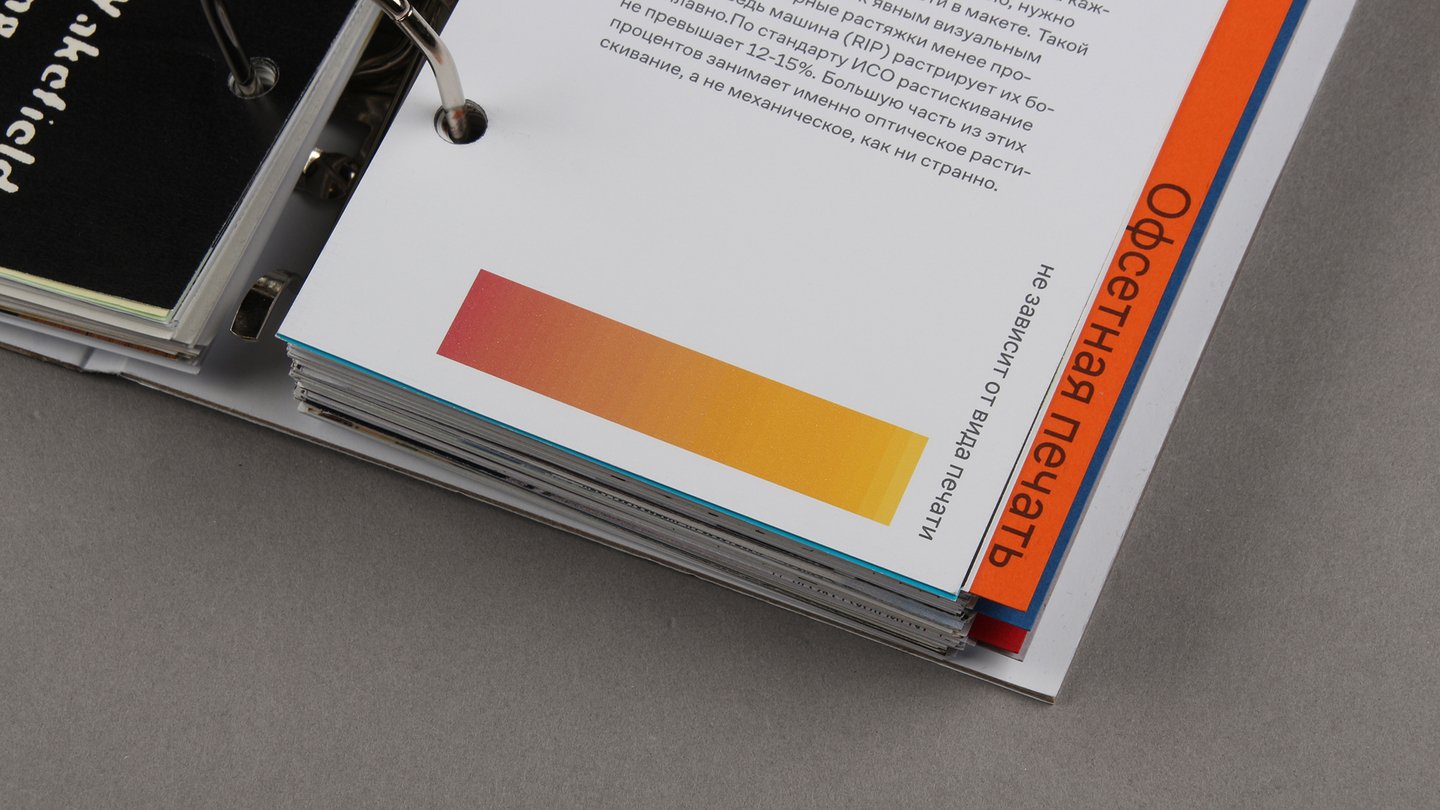
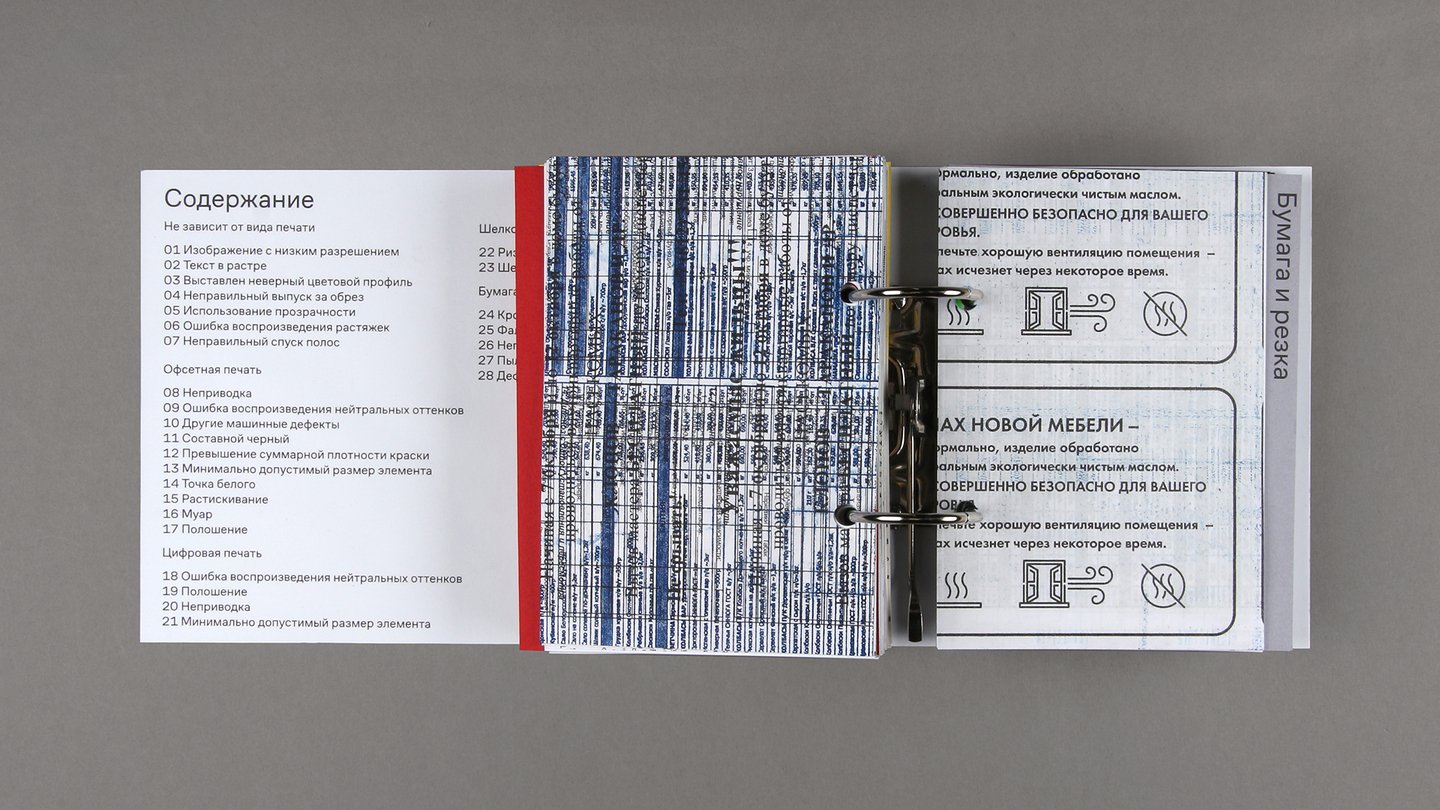
The paper for the main block has a high density and a bright and white shade, so that the sheets with explanations are displayed against the background of the others.
The numbering and title are written by a super-large cap for rapid navigation. The footnotes are also large enough to facilitate the acquisition of information.
A straight line helps the reader to get involved in the subject without any distraction. She’s neutral, acting as an outside observer, not an active player.
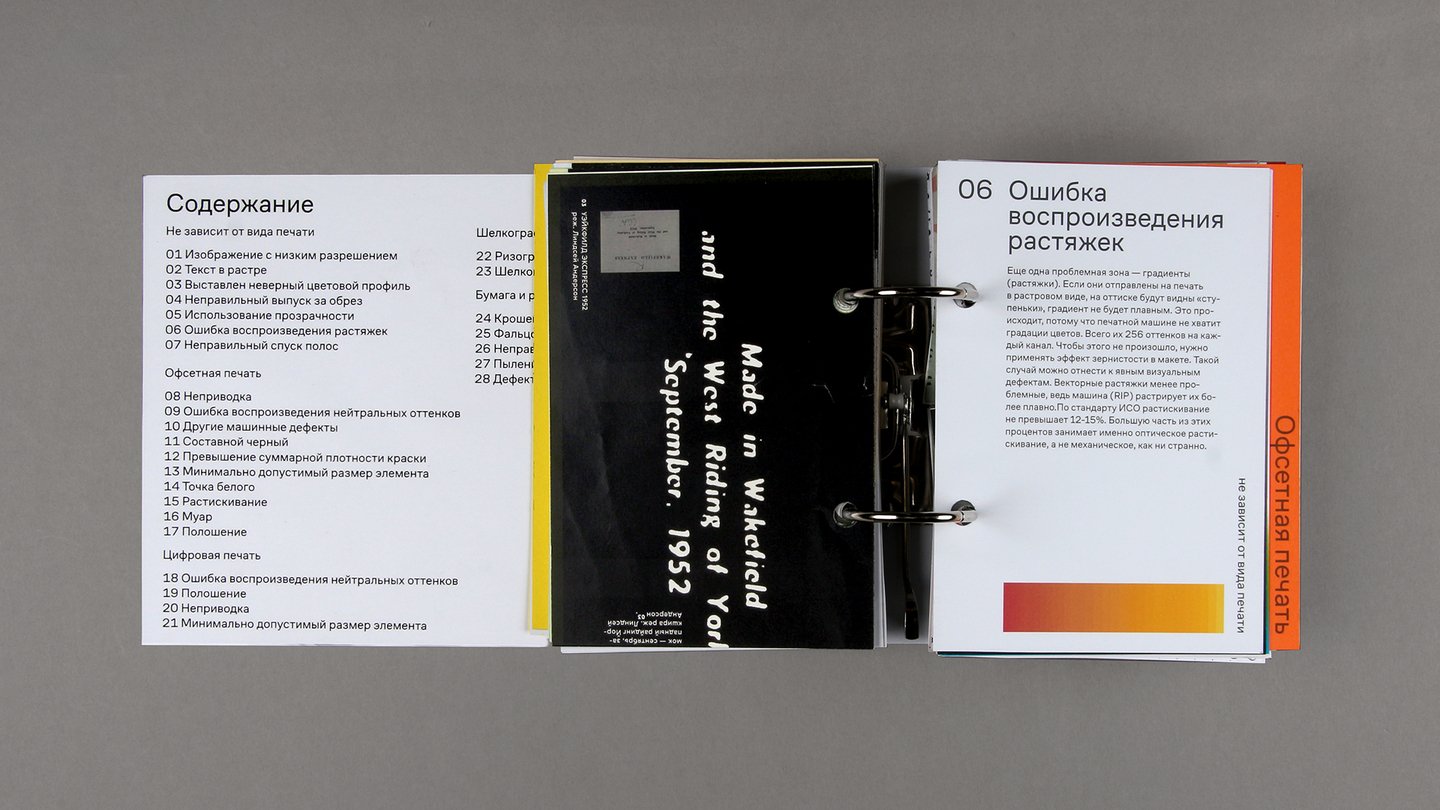
The most incomprehensible cases are accompanied by infographies
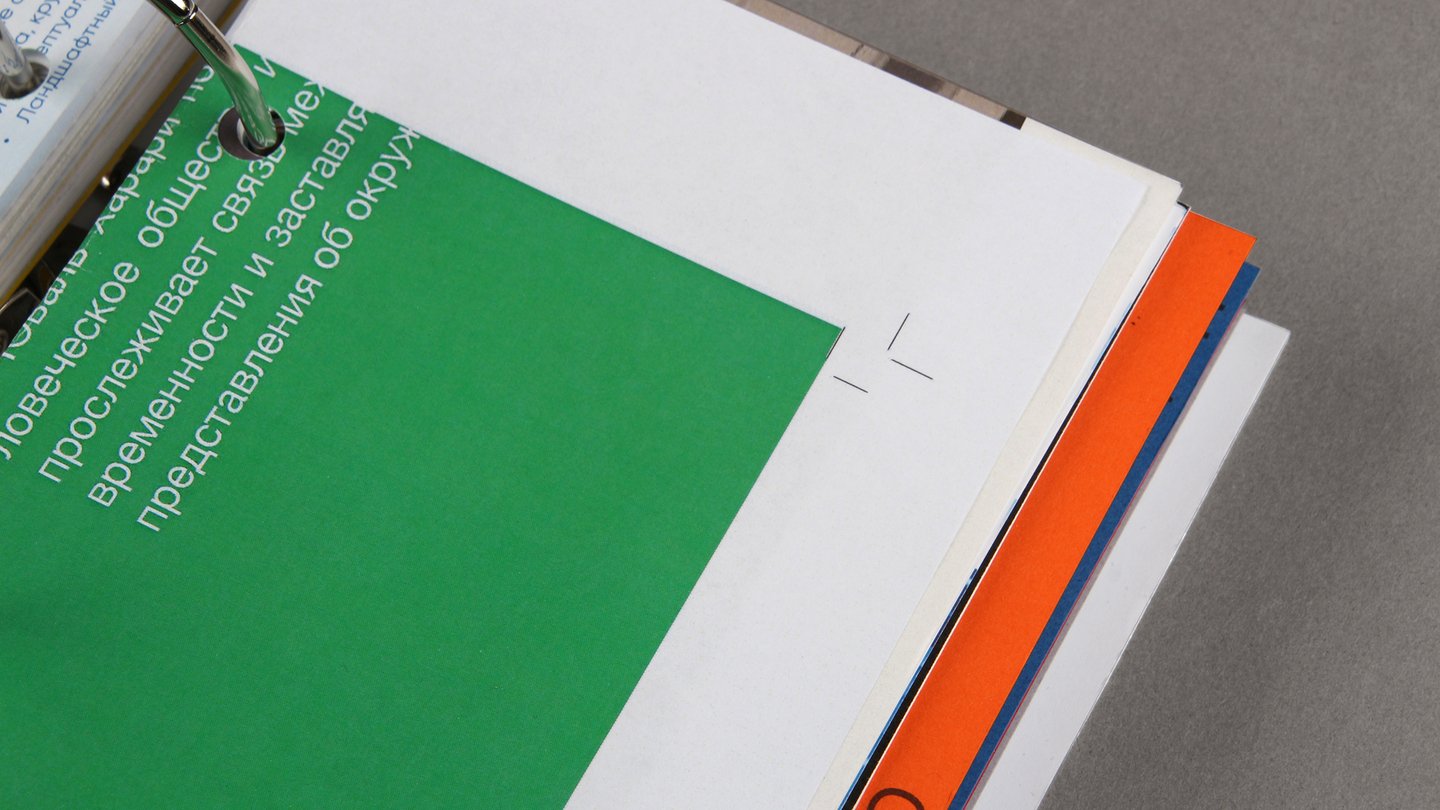
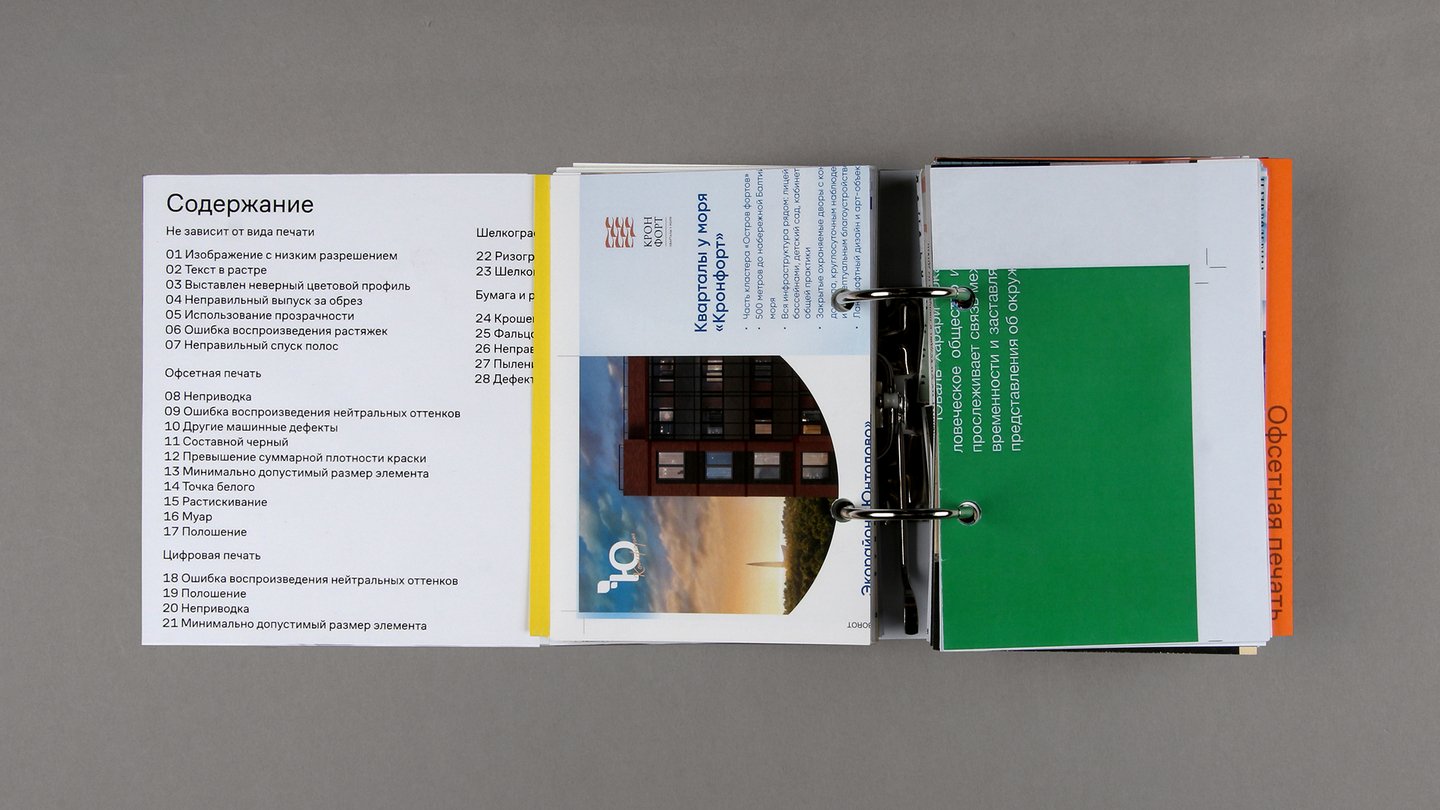
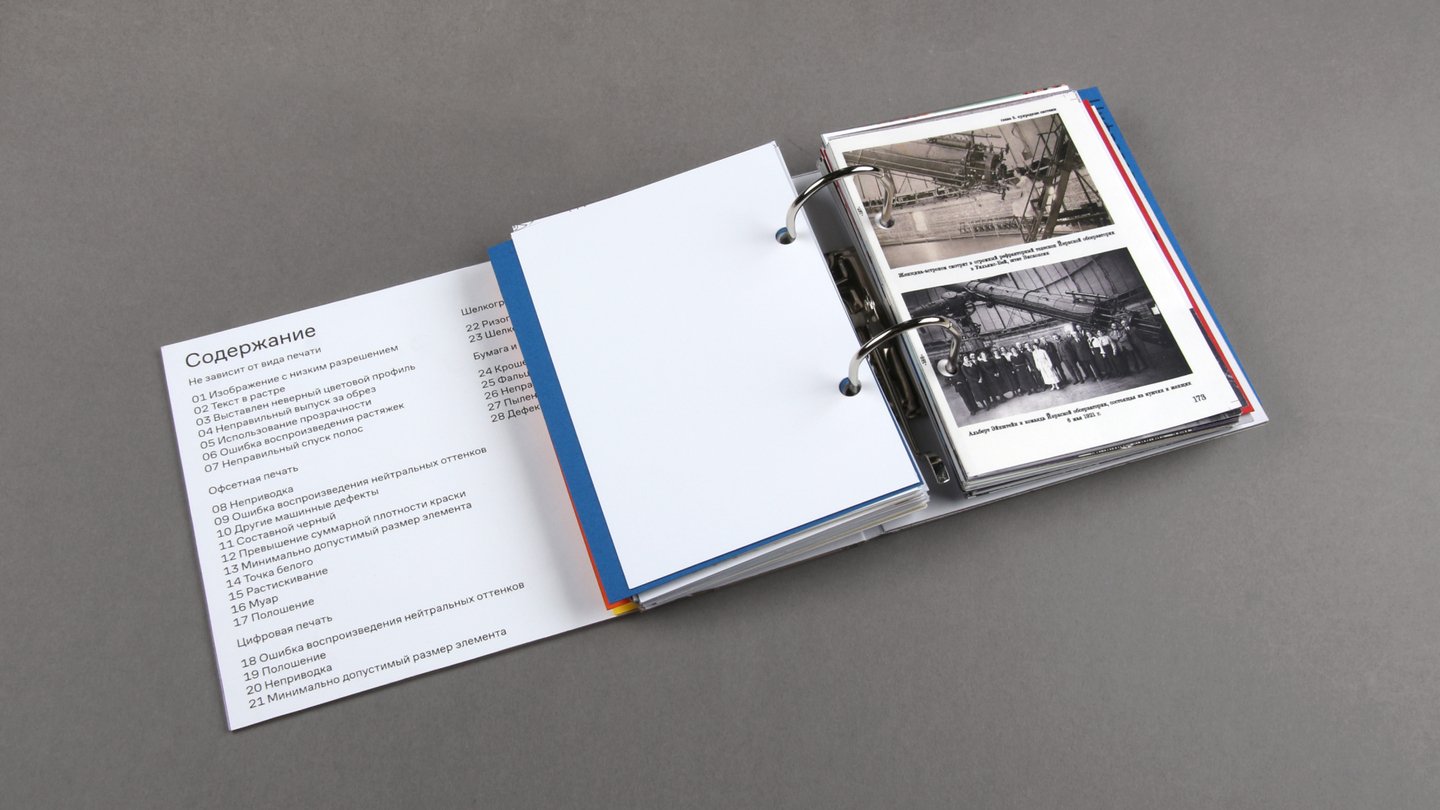
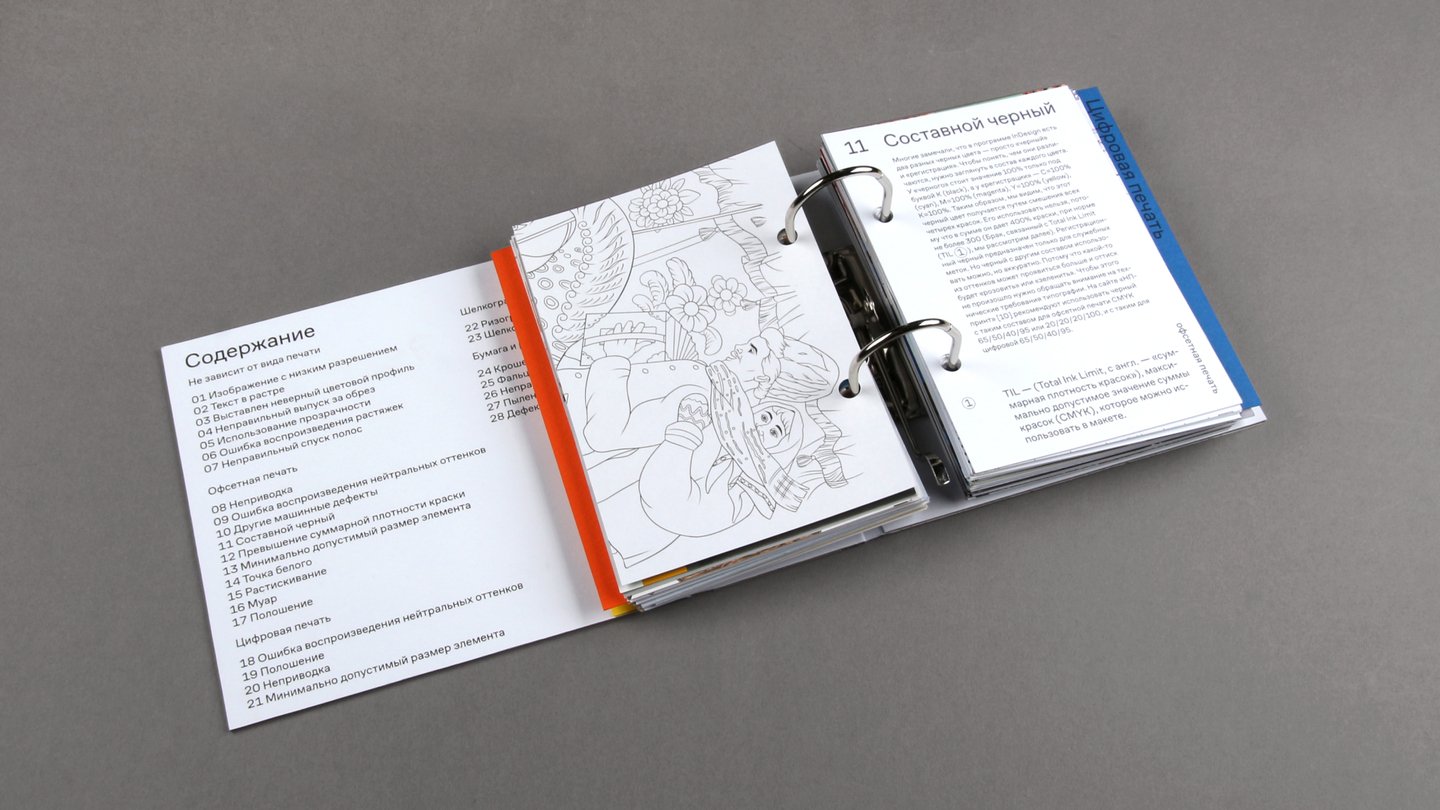
The description of the topic may take up a maximum of one page; the information is short but on file
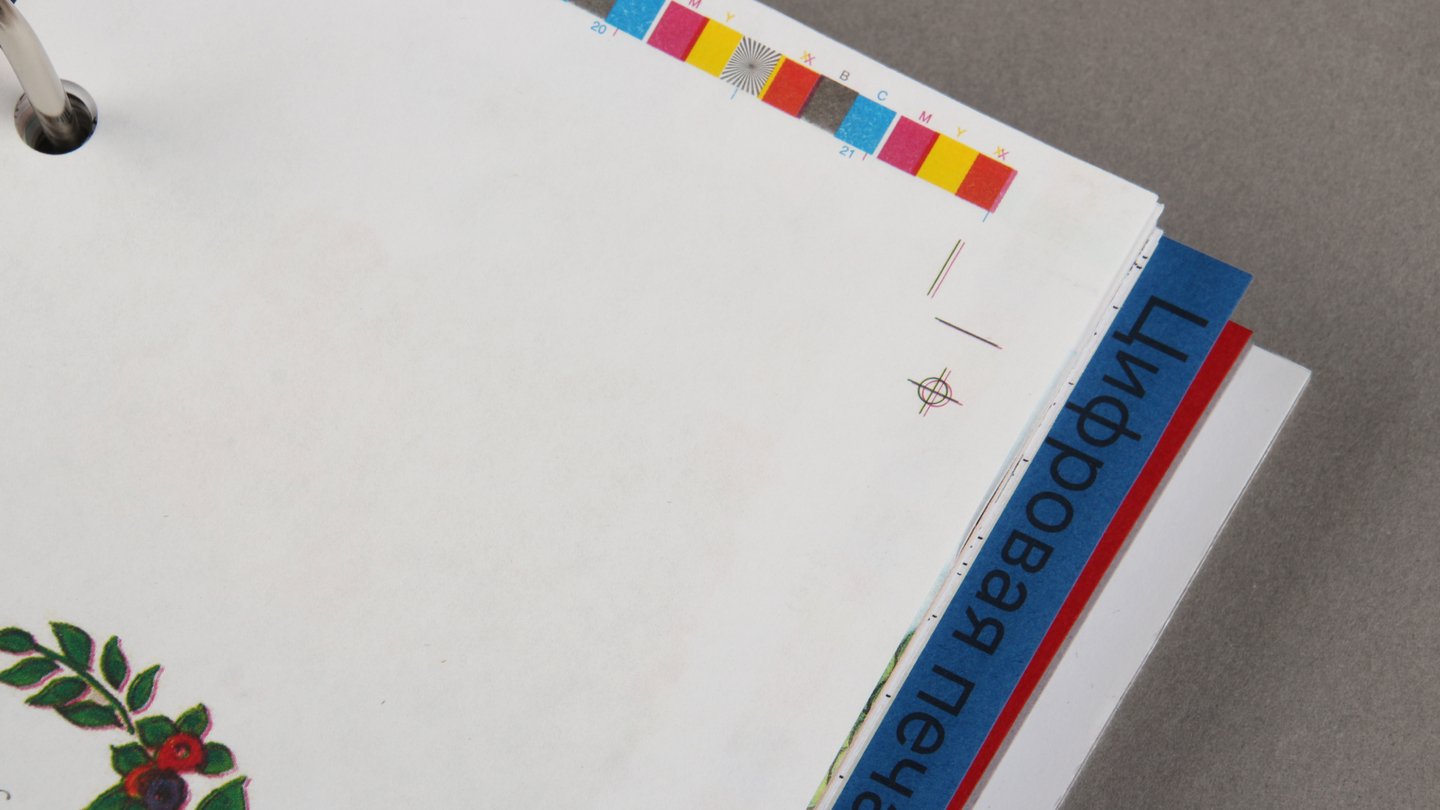
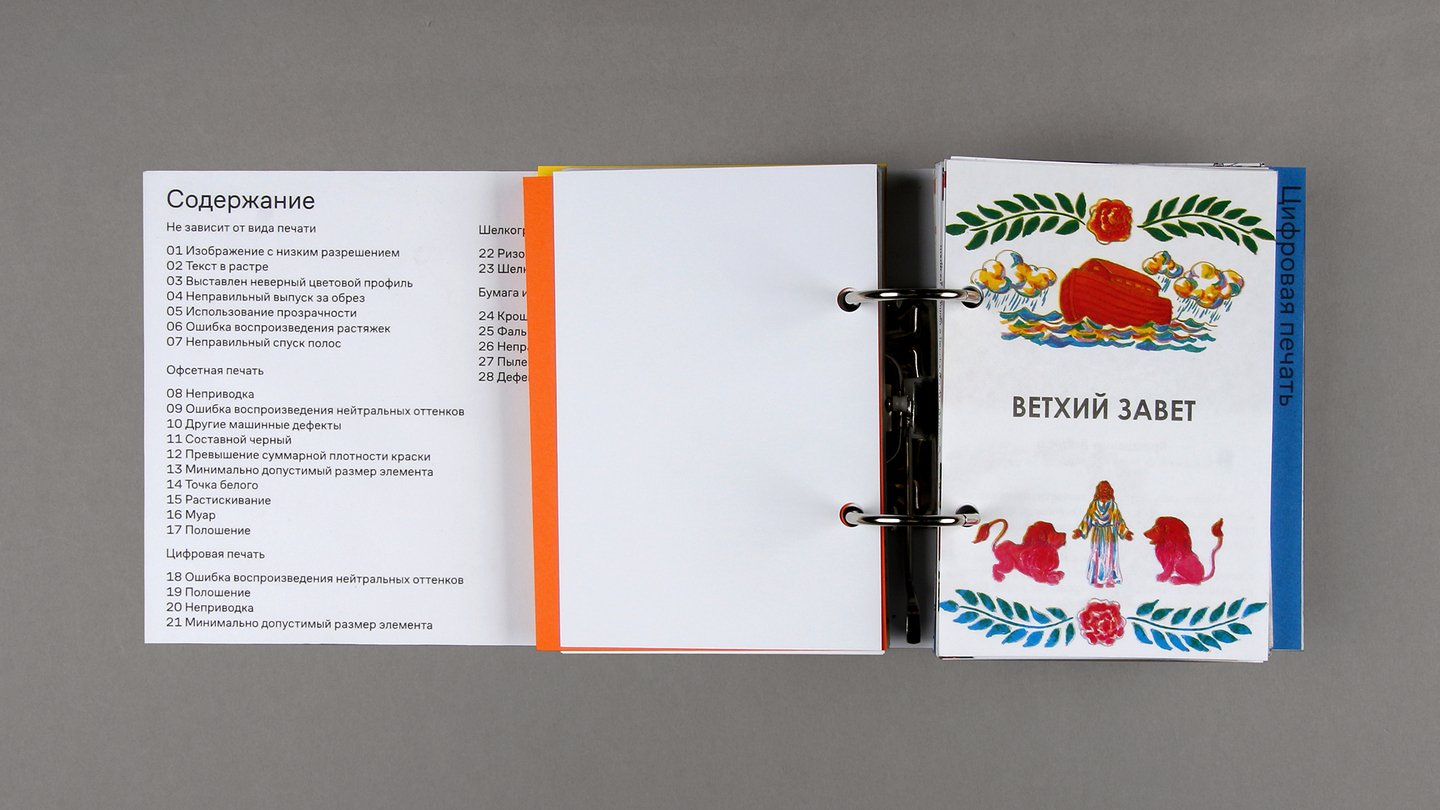
Flatplane
Conclusions
The work revealed the most frequent errors in the press. The hypothesis is confirmed — indeed, not everything that looks like marriage is. In the process of living with the printing staff, I learned both basic information about printing and many interesting facts that are not found in any book.
Apprehension
Thank you very much to Irina Ivkina and Arsenia Glassa of the printing press «NP-print», Nikolai Sennov of the printing press «Pure Color», Anastasia of the King of the printing press «Pomodore», Ilya of the printing press «Sprinter» for the material provided. The study would not have taken place without the sensitive supervision of Eugenia Grigoriev. Gleb Kulyk, Ksusha Asmolov, Snezjan Girev, Lesh Yeltshin (de Drist), Isaac Utegenov, Anna Kireeva, Masha Krasina also made a major contribution to the study. Thank you for all the work you’ve done. I would like to express my special thanks to Pavel Khazanov, who answered all the questions I had at all the stages of the study, and he was very much involved in the collection of material and the creation of the book.