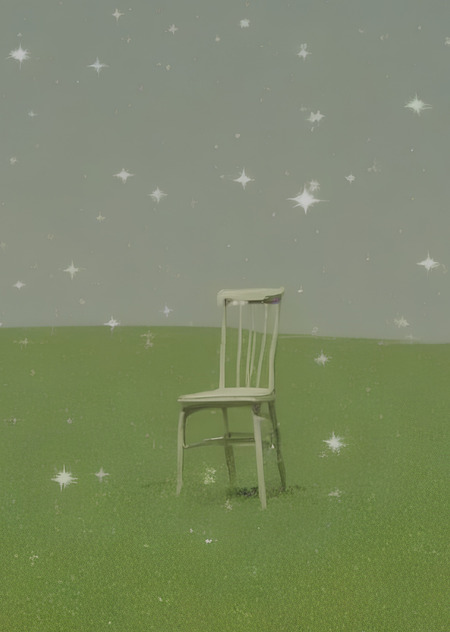
Idea
Dreamcore is a surreal internet aesthetic that utilizes motifs associated with dreams, reveries, and sometimes nightmares. It mimics the sensation of being inside a dream, creating an atmosphere of recognizable, yet distorted, surreal reality.
The project’s concept is to train the generative neural network Stable Diffusion XL to create images in the dreamcore style while preserving the aesthetic’s original characteristics. For example, the feeling of liminality in the depicted spaces, distortion through visual noise, effects, repetition of forms, collage, the use of clouds, and the unreal nature of the events. The main objective will be to train the model how to incorporate recurring visual aesthetic patterns into new images without compromising the style or overall coherence.
Image Series
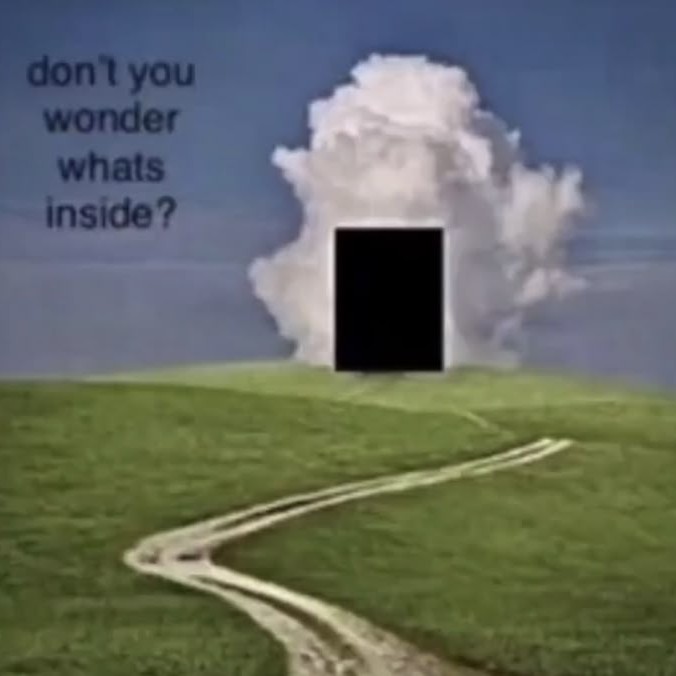
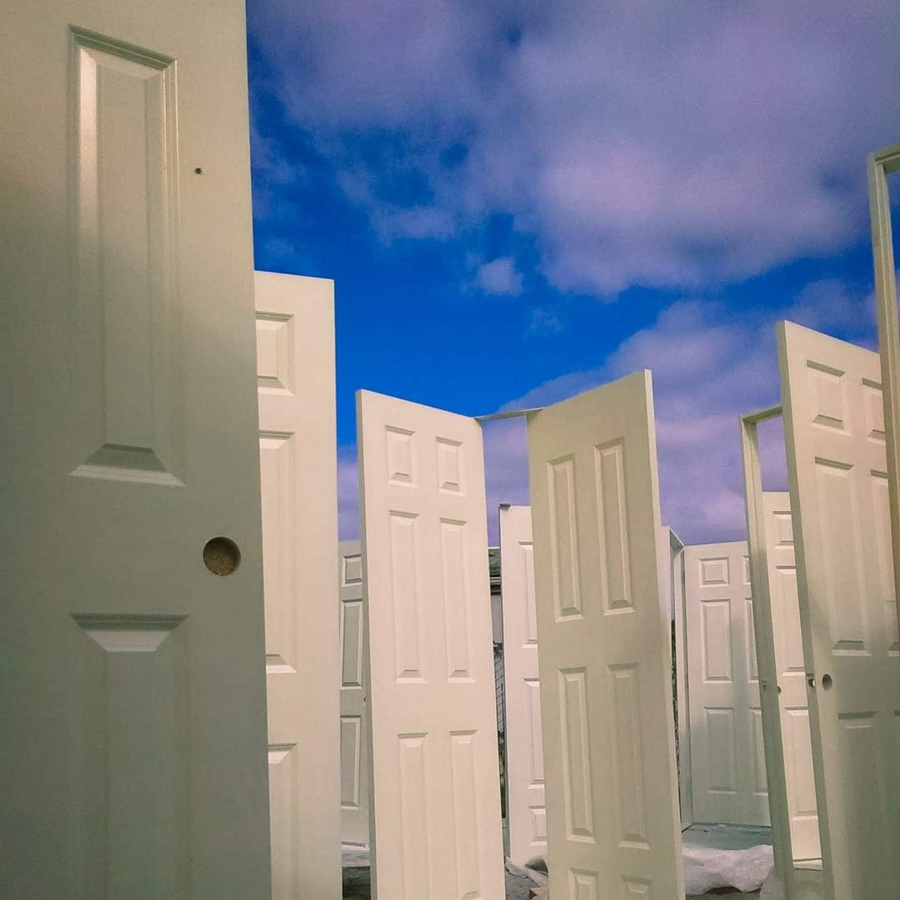
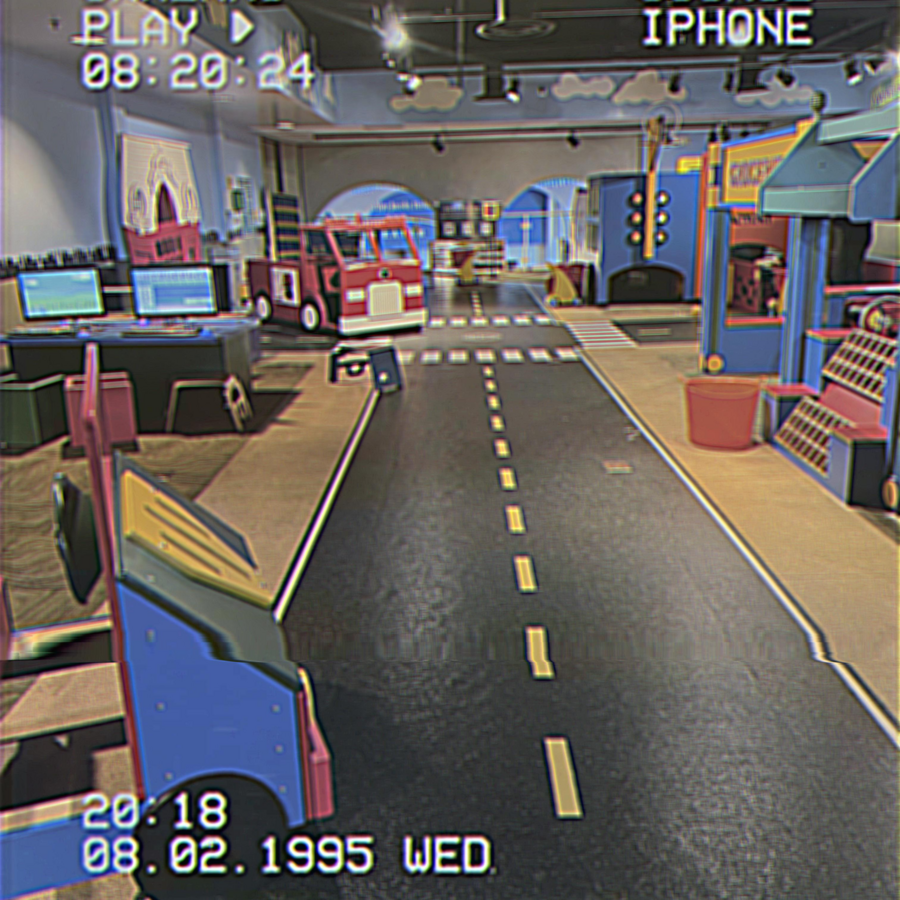
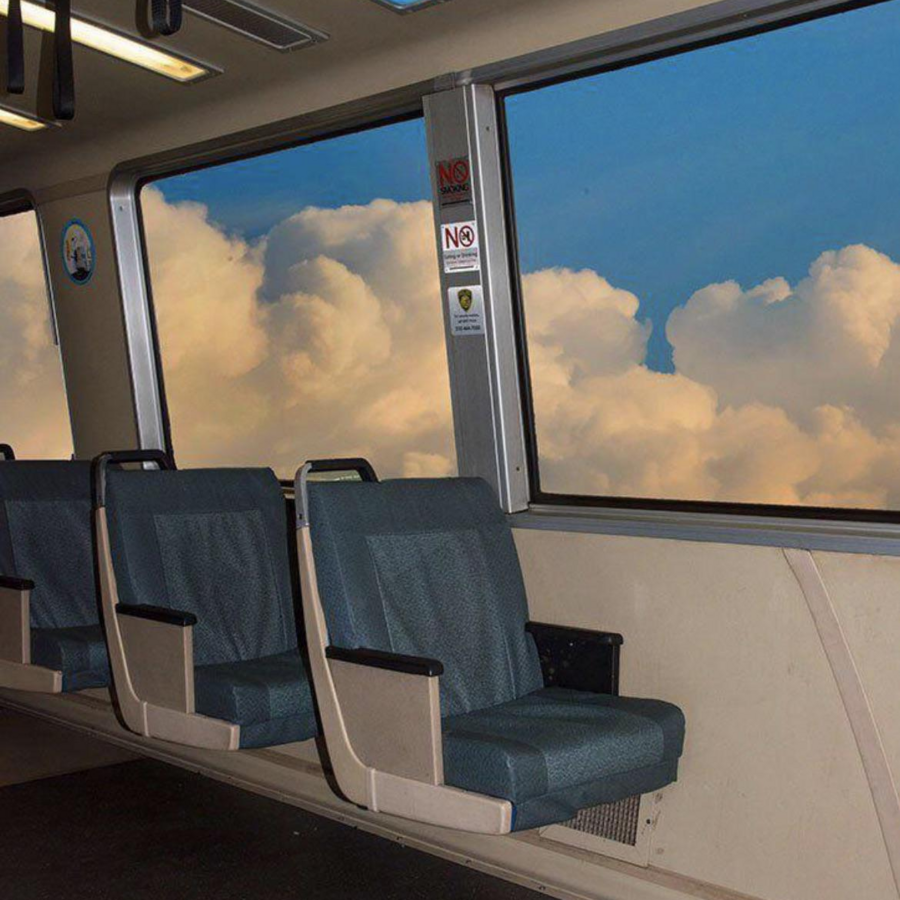
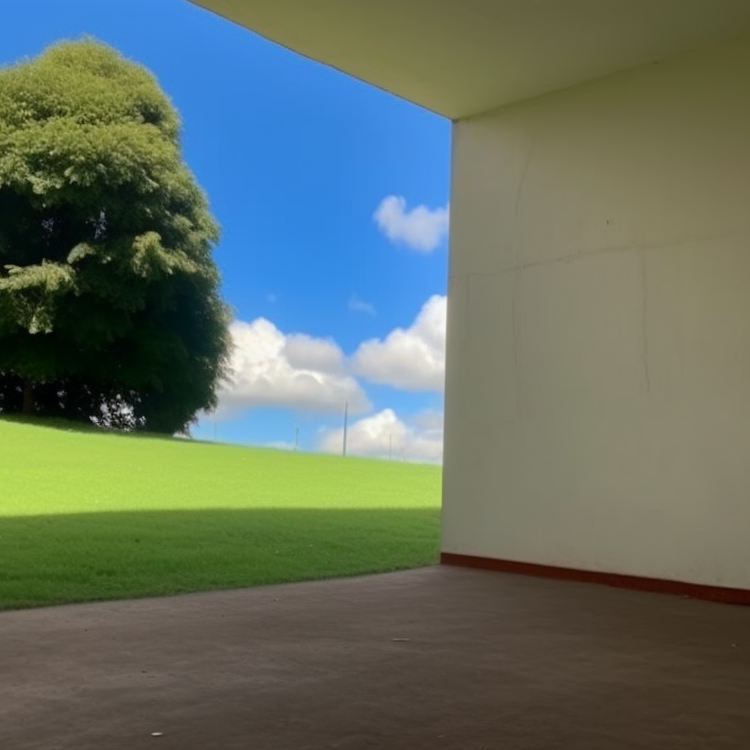
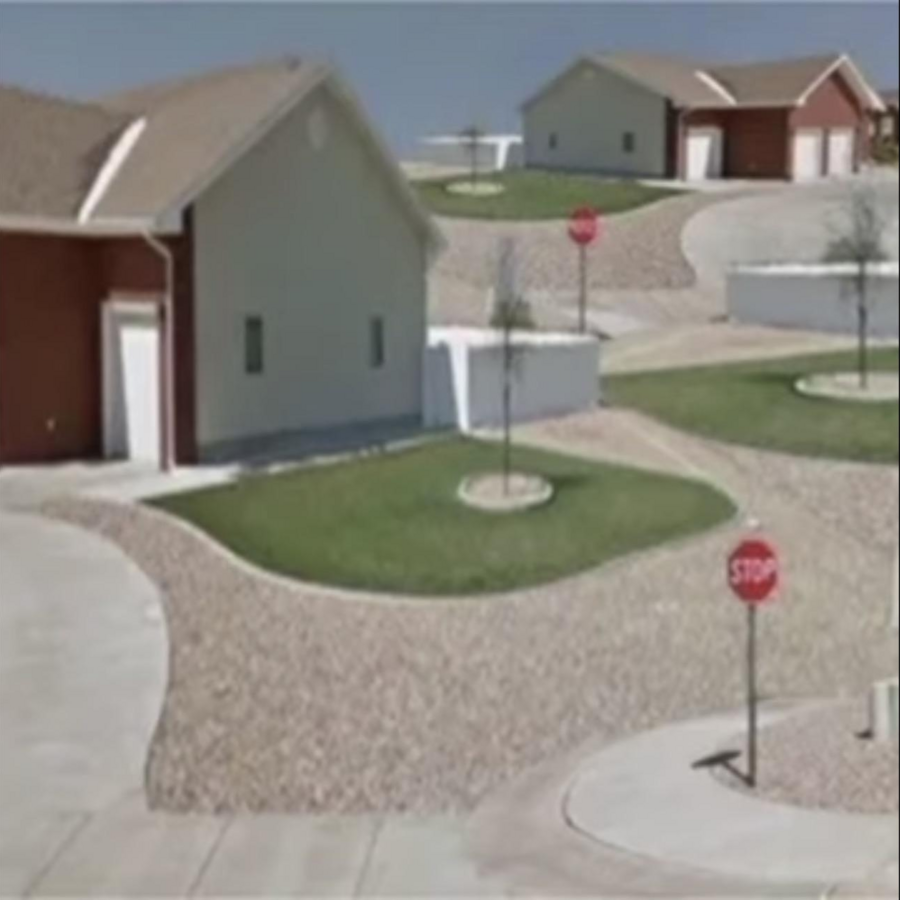
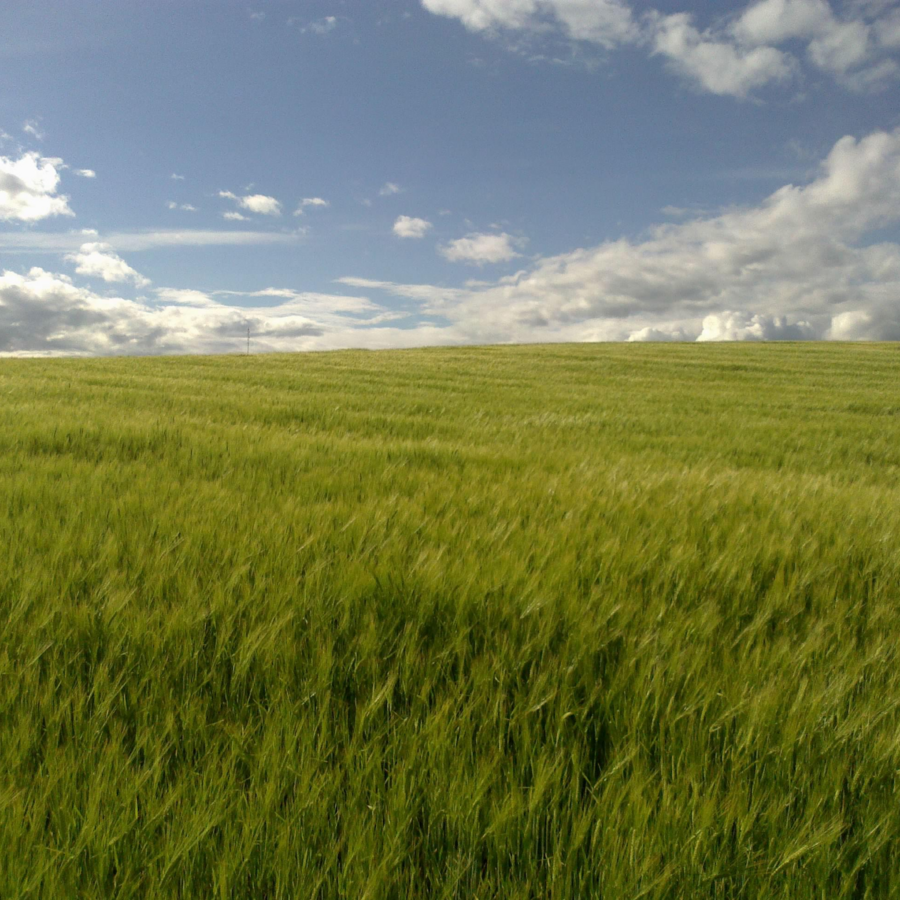
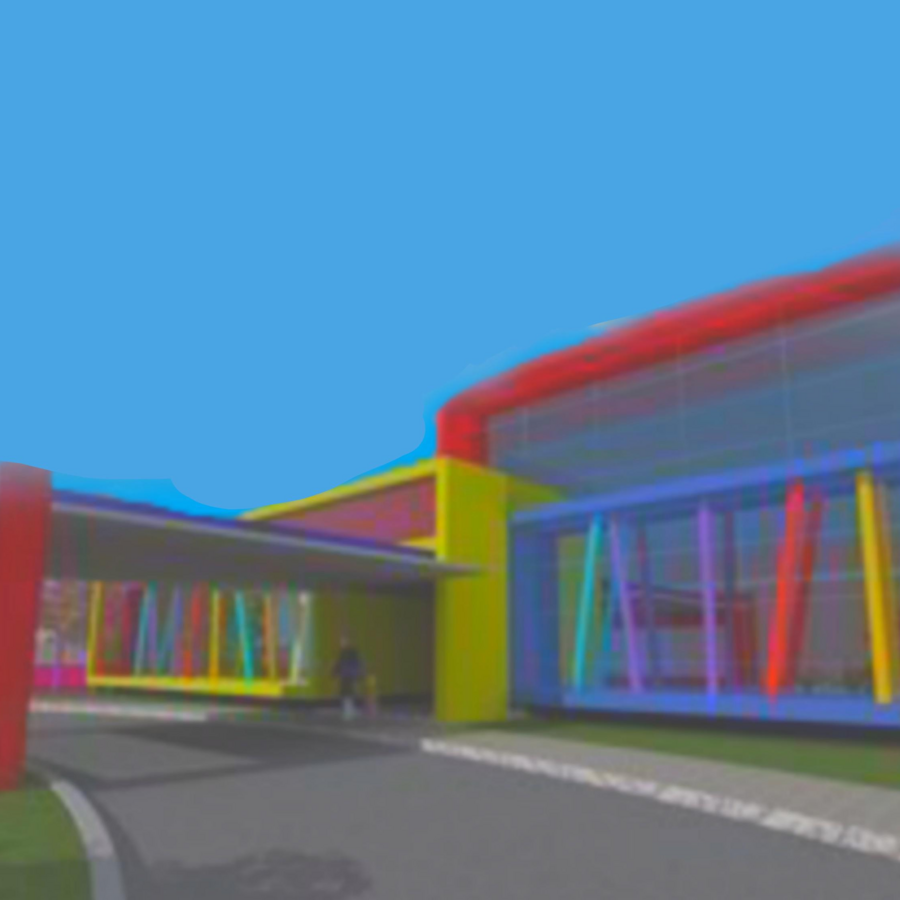
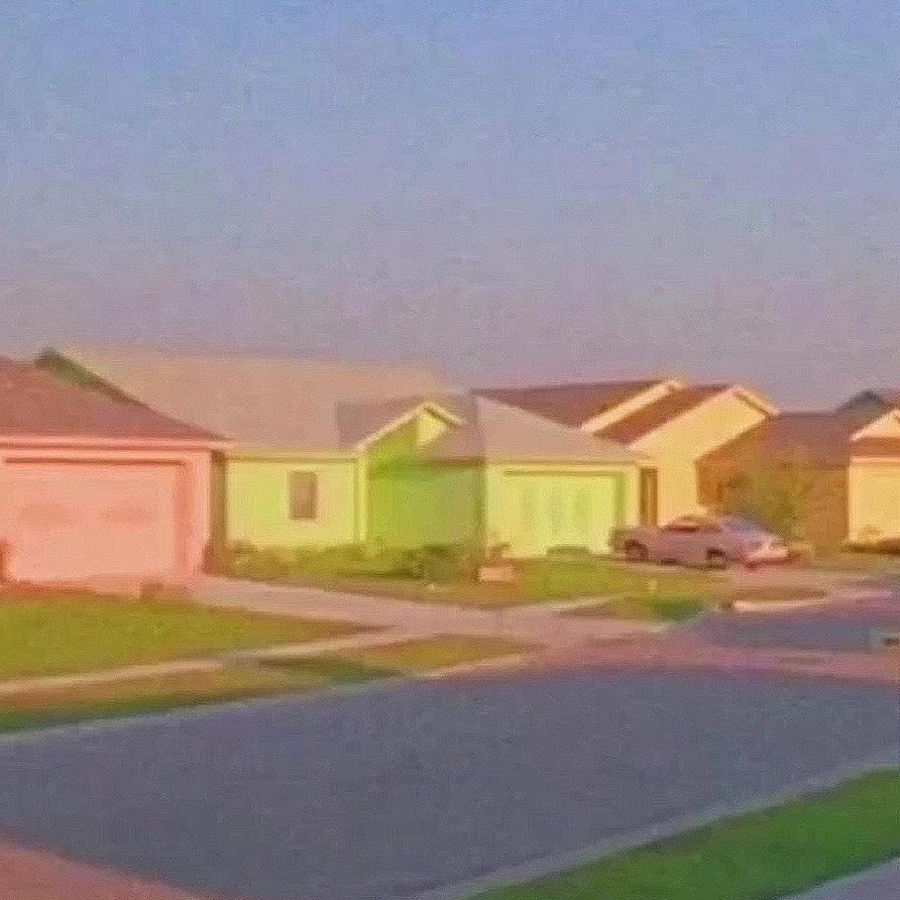
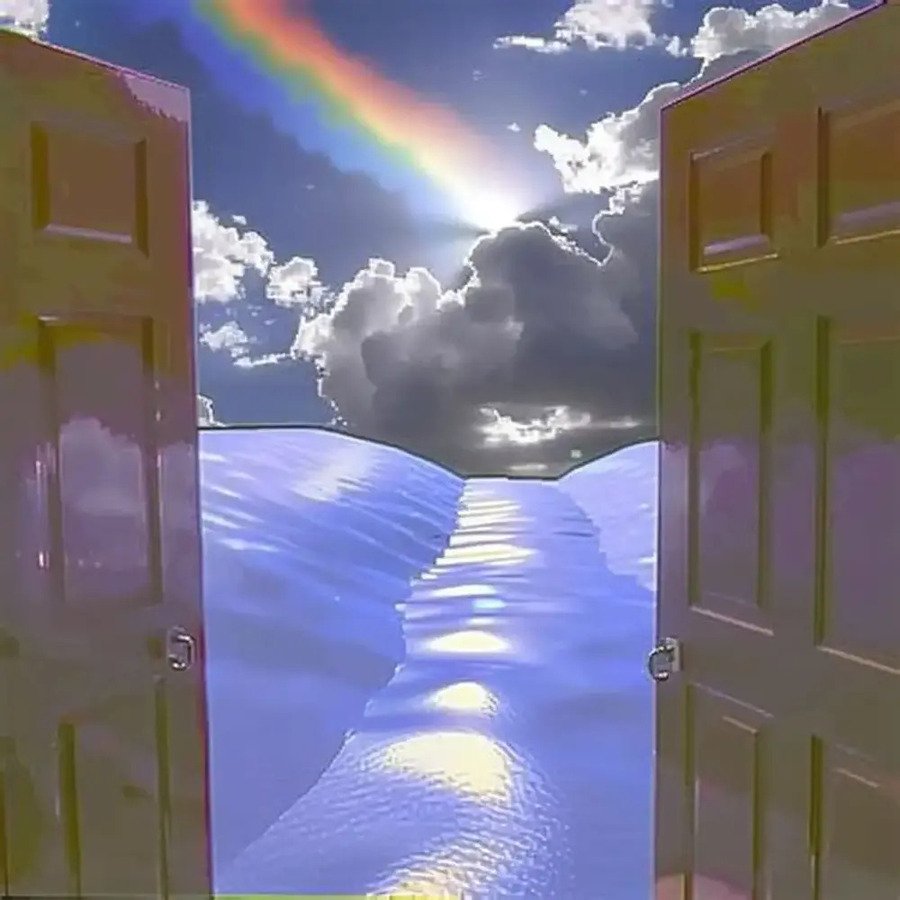
To build the dataset, I curated a collection from the Kaggle platform featuring liminal spaces and also manually selected images that precisely matched the style I needed. In the end, I assembled a collection of 49 images.
It is important to note that one of the criteria for fitting the style is that the majority of the images are either intentionally distorted or presented in low quality to maintain the feeling that everything is from the past.
Learning Process
The learning process began with checking for GPU availability and installing the necessary libraries, followed by the creation of a dataset. For this project, I uploaded images directly into Colab using a corresponding script. Ultimately, the dataset consisted of 49 examples for the neural network to train on.
Next, BLIP was used to generate textual descriptions for the dataset. The script then saves these descriptions into a separate file. This was also necessary for defining a token. In our case, the token was: «a photo in dreamcore style, ”
The next step was configuring the training. I resized all images to a 512×512 format and set 500 training steps with checkpoints saved every 250 steps.
Once the model was trained, the final tasks were saving it locally, uploading it to the repository, and subsequently to HuggingFace.
Result
ii/ni ii
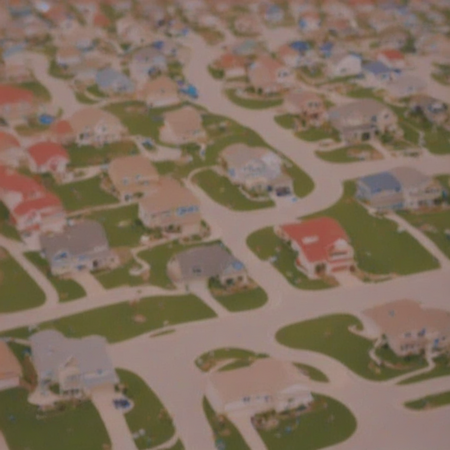
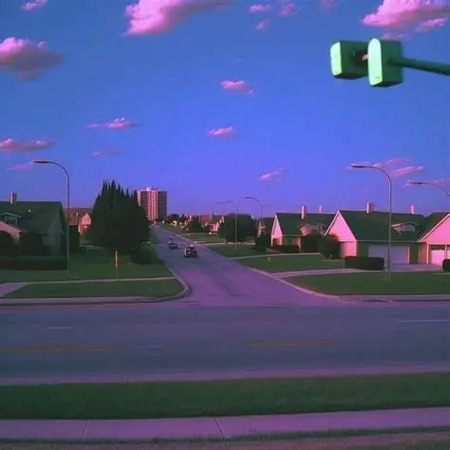
The neural network has learned to generate images with a similar style. It maintains a low resolution with low detail. In this example, it was possible to convey an illustration of a city while preserving the idea that the houses should be uniform and arranged in a repeating pattern. Unusual angles and skewed perspective were also retained from the overall style, alongside a certain VHS tape effect.
yes/no
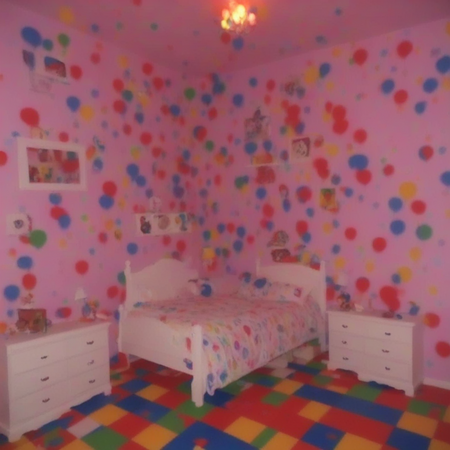
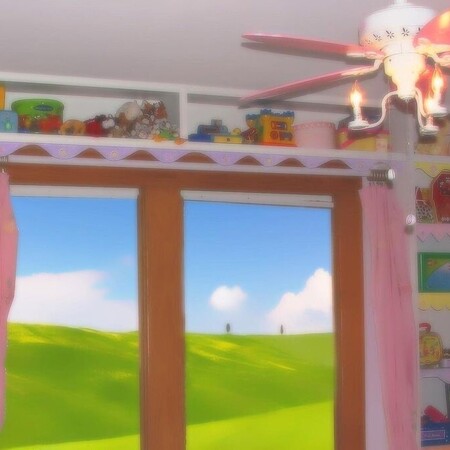
Friendliness, a dominance of vibrant colors that get lost in visual noise, and a certain childlike quality remain present. The neural network successfully renders stylistic attributes such as clouds, windows, doors, fields, and beds.
Below, we will present more examples of successful generations. In addition to the visual effects, some images also feature bright highlights or white sparks overlaid on top. The images also have an exaggerated contrast in light—they appear bleached—which is also characteristic of the style.
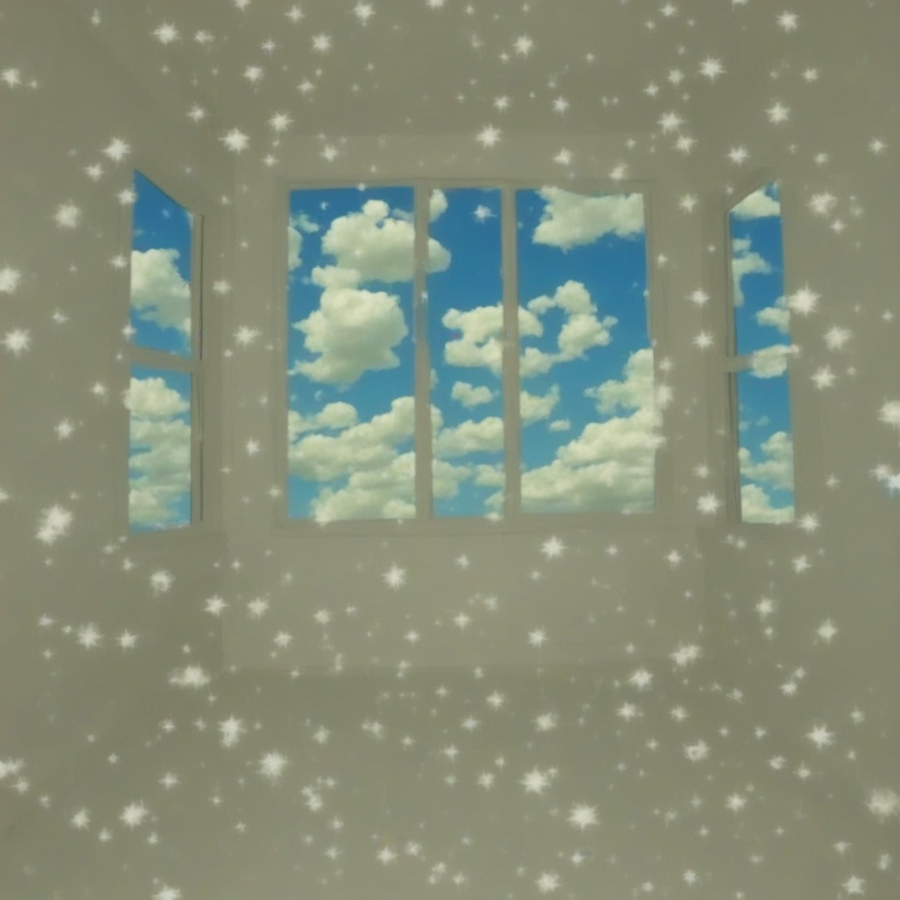
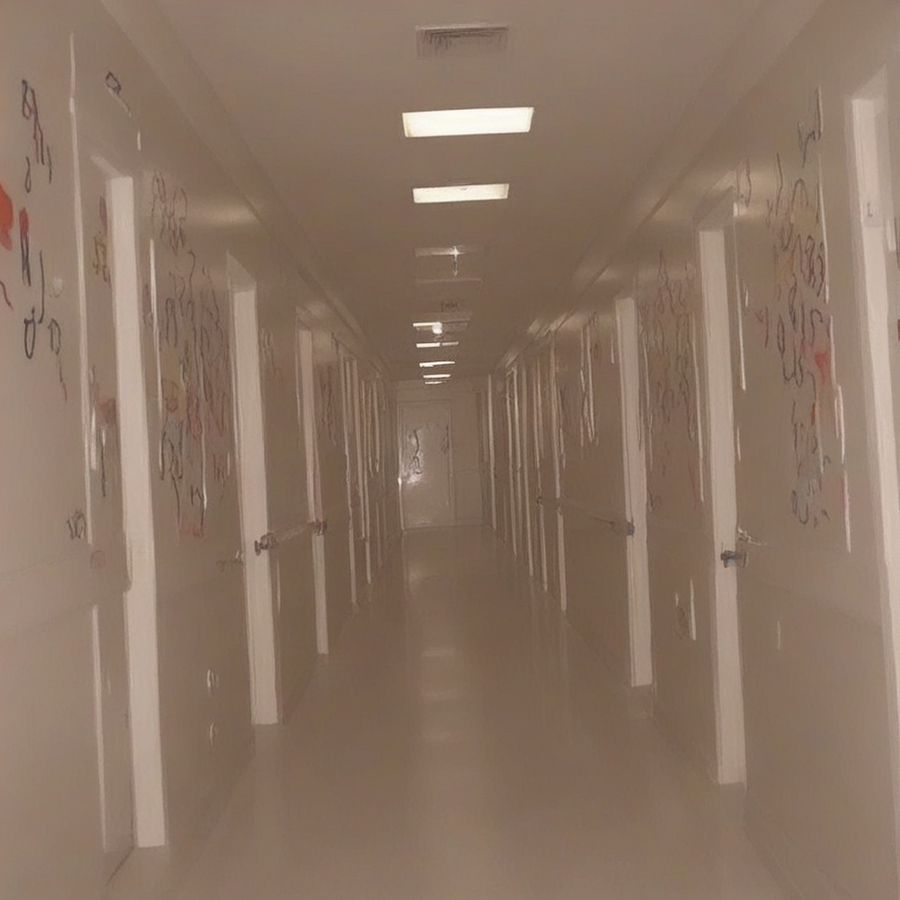
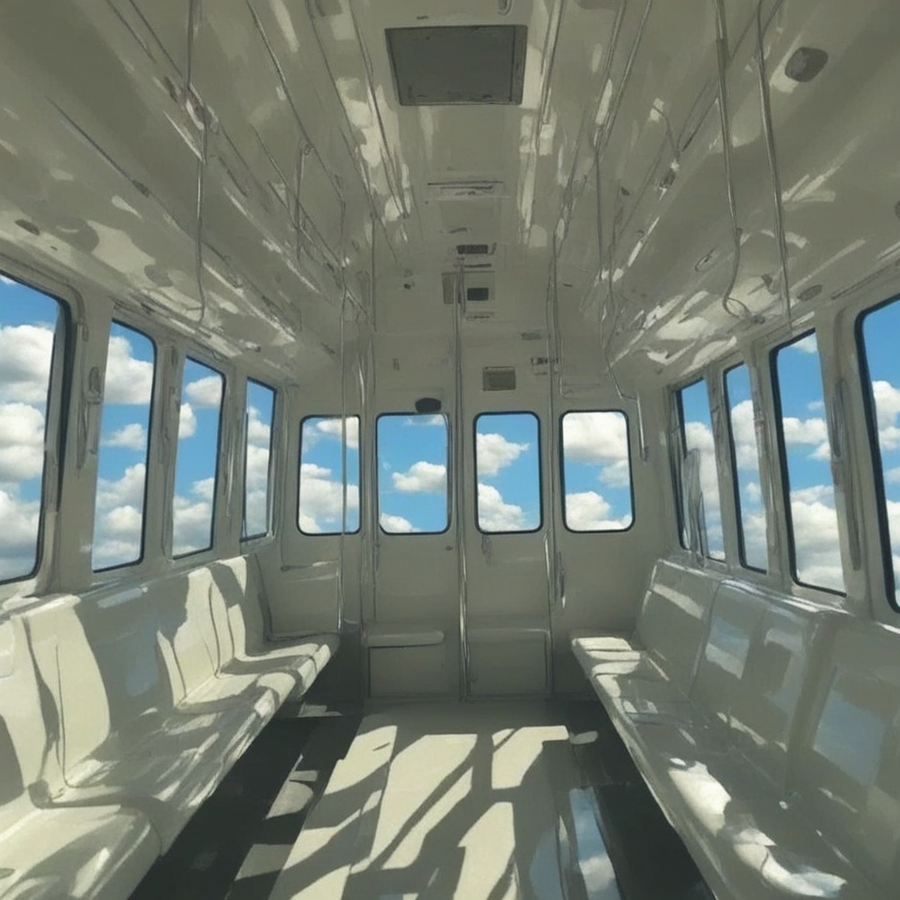
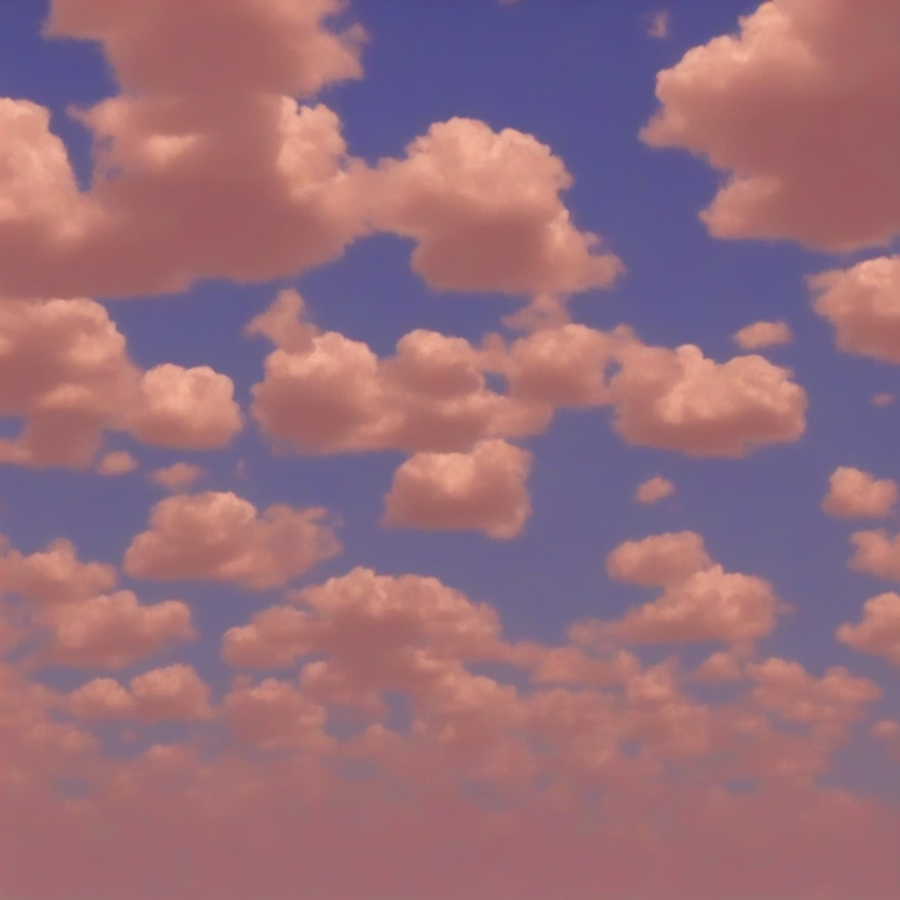
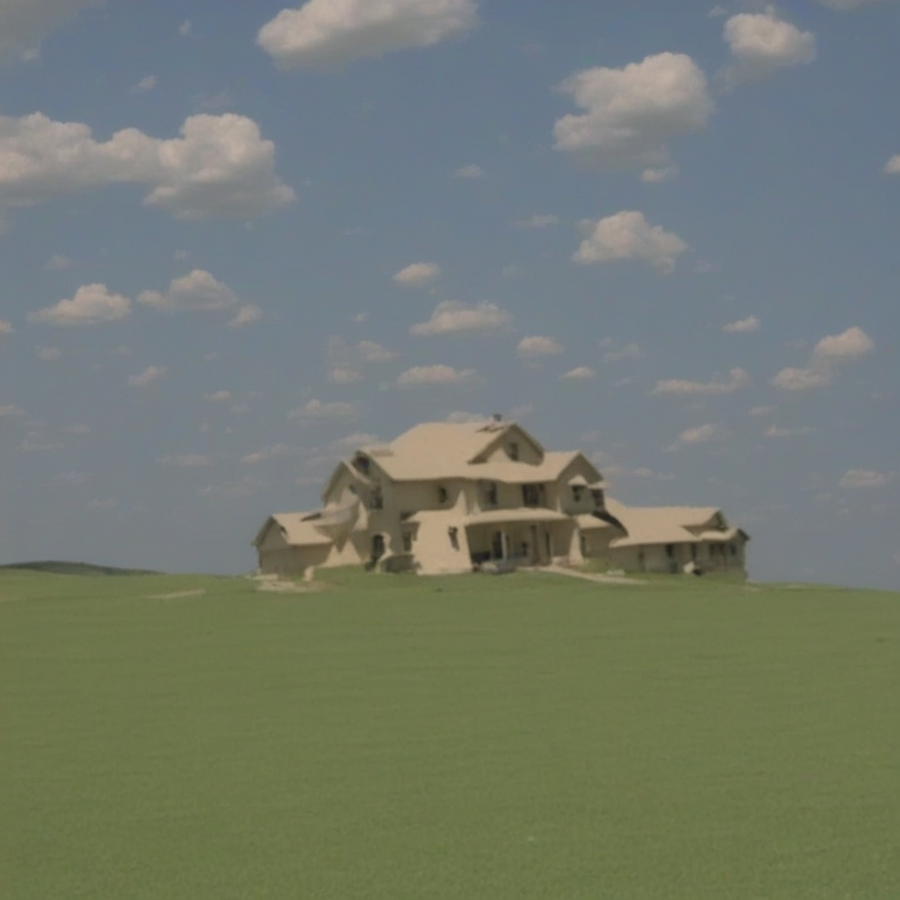
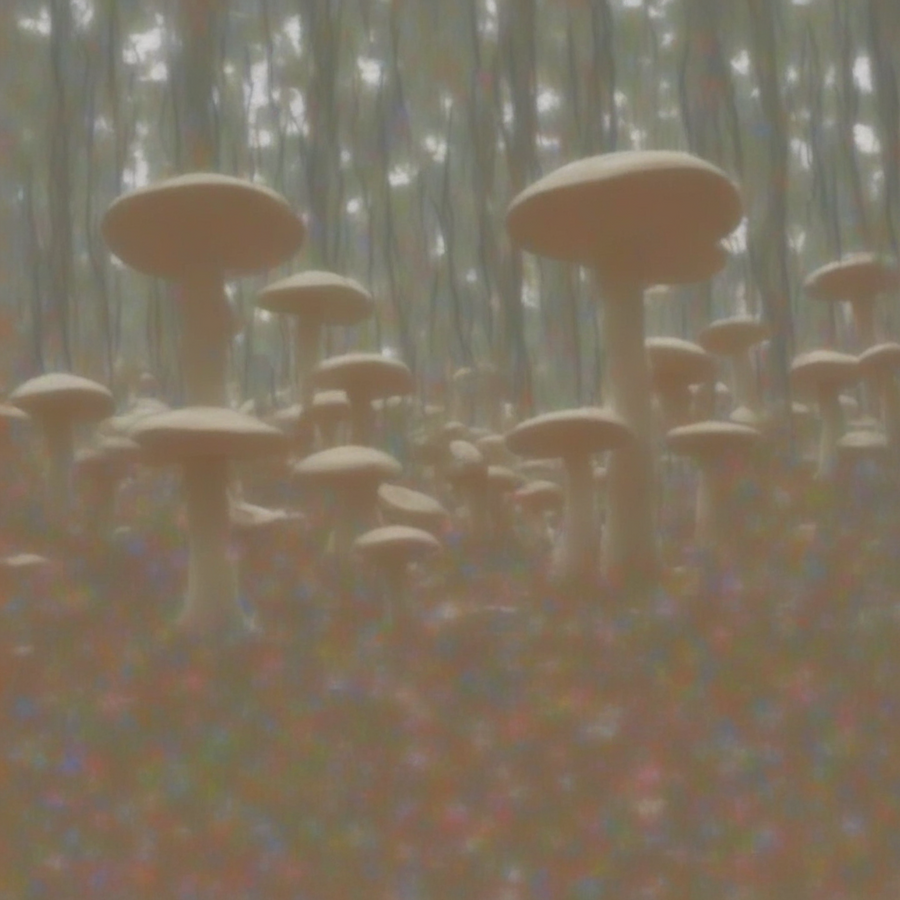
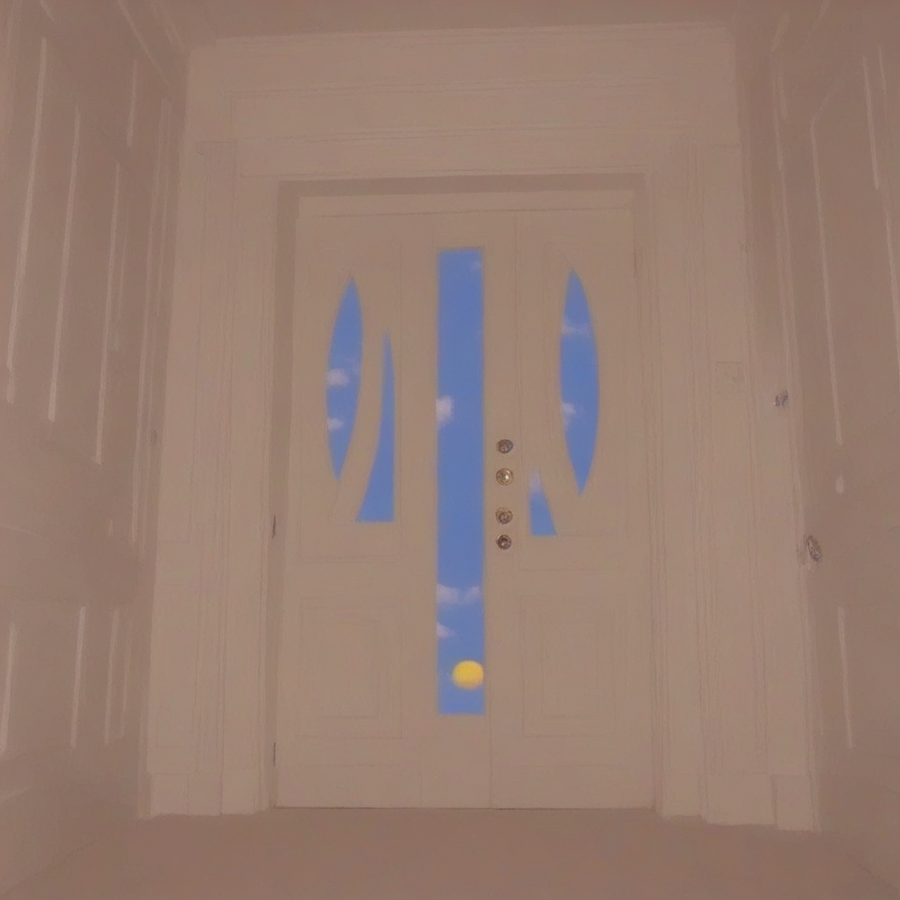
The result turned out quite good. The neural network learned to recreate the desired aesthetic by utilizing attributes characteristic of the style.